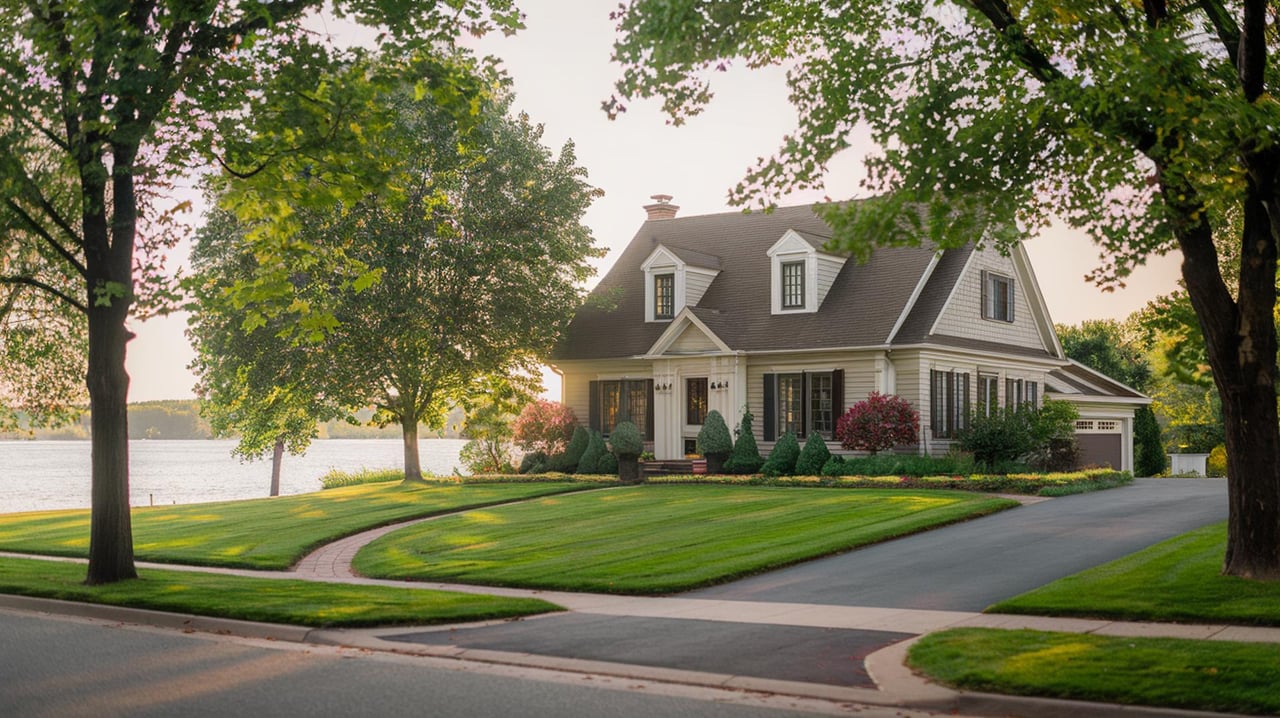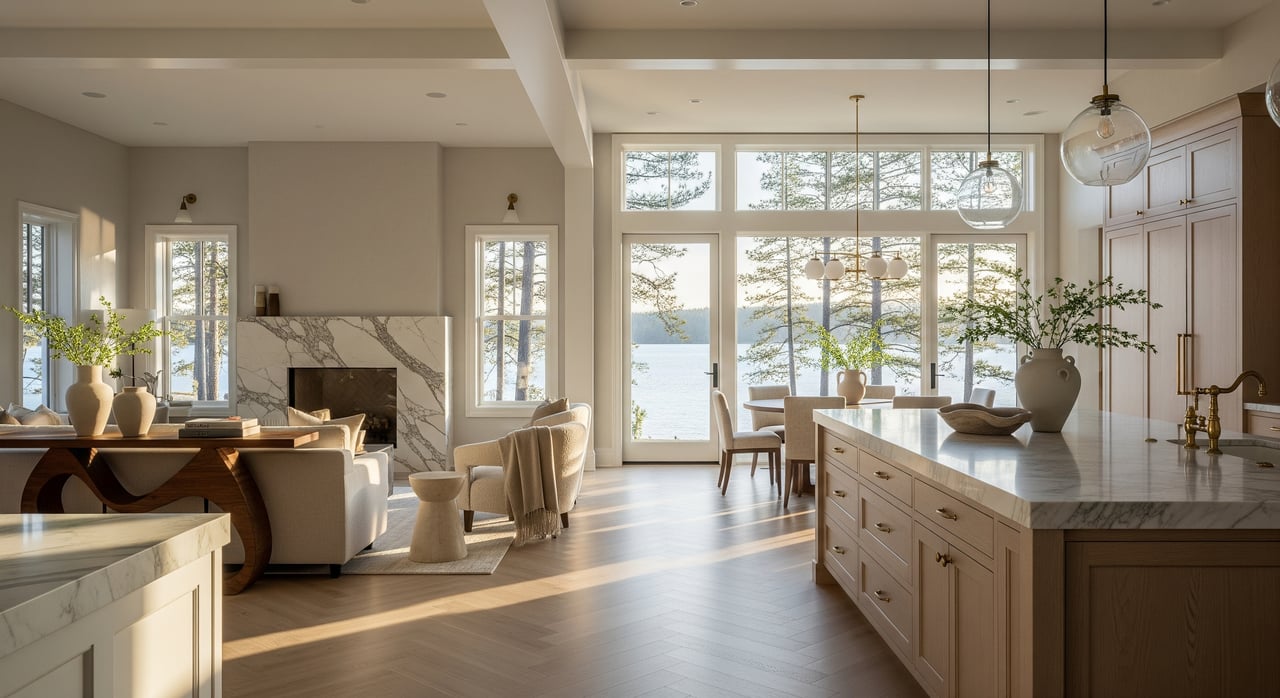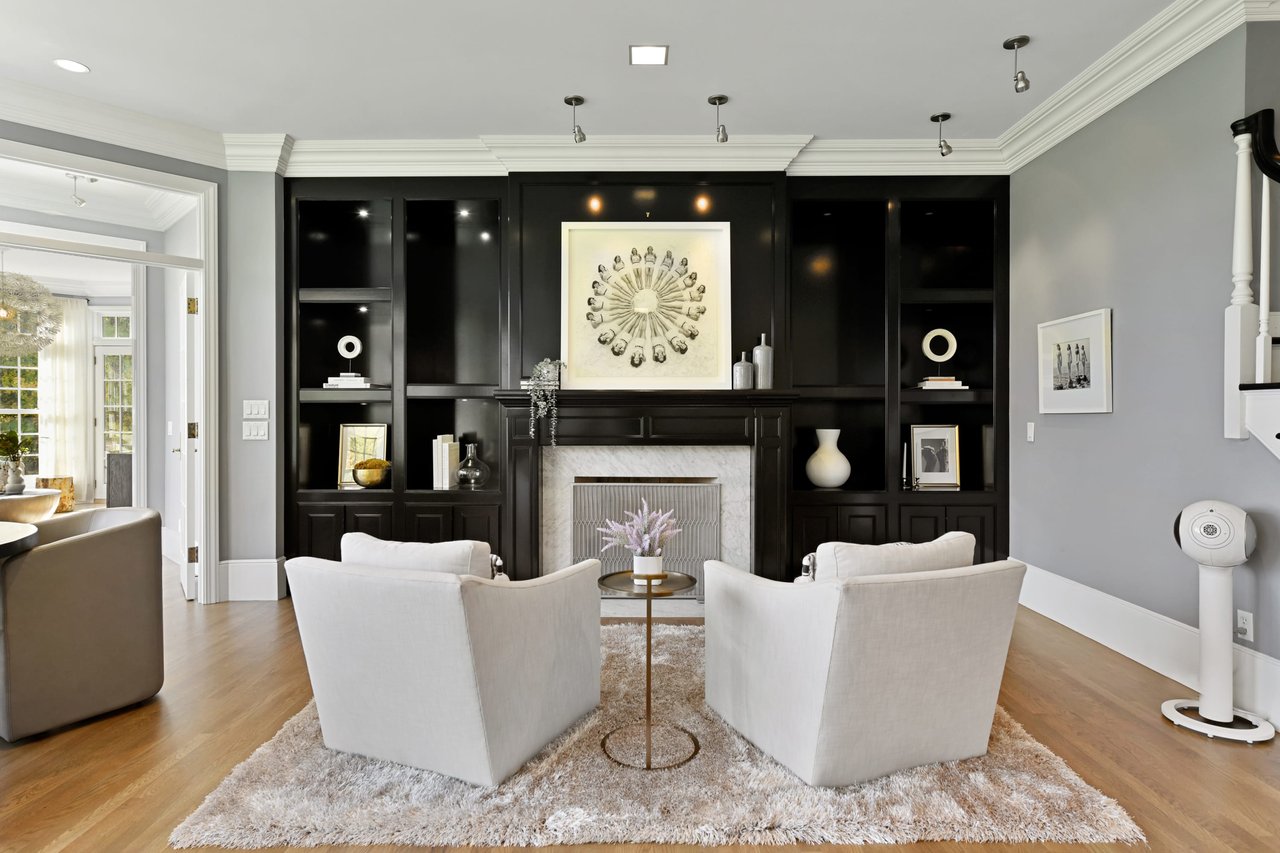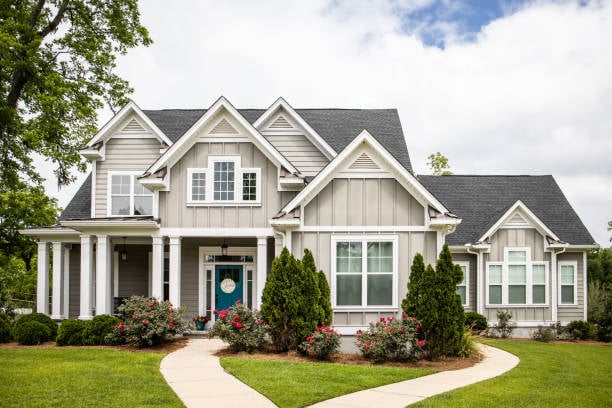
Thinking about making a few smart upgrades before you sell in Medina? You’re in the right place. Buyers here look for more than square footage. They want lifestyle features that work for Minnesota seasons, larger lots, and low-maintenance living. In this guide, you’ll see which design elements consistently draw attention, how to tailor them for Medina’s market, what they tend to cost, and how to plan your project for a smooth resale. Let’s dive in.
Why Medina buyers value design
Medina attracts buyers who see a property as a complete lifestyle package. They often want privacy, flexible spaces for hobbies, and amenities that make year-round living comfortable in a cold climate. Features that extend usable space, improve organization, and reduce operating costs stand out.
When you align your improvements with these priorities, you help buyers picture an easy, elevated daily life. That feeling often turns into quicker offers and stronger terms.
Mudrooms that work hard
A practical mudroom is a small space with outsized impact in Minnesota. It signals that the home can handle wet boots, sports gear, and pet traffic without cluttering your main living areas. Buyers notice when the entry experience feels calm and organized.
- What buyers love: built-in cubbies or lockers, bench seating with storage, durable floors like tile or sealed concrete, good task lighting, and a charging or tech drop zone. Many also appreciate a laundry-adjacent layout or a dog-washing station.
- Cost insight: finishing or upgrading a mudroom can range from about $3,000 to $20,000 depending on cabinetry, flooring, lighting, and whether you add plumbing. Custom built-ins increase cost but also perceived quality.
- Design tips for Medina: consider radiant floor heat or extra insulation for comfort, choose traction-friendly rugs, and let in natural light where possible.
- Permits: if you add or relocate plumbing for a sink or dog wash, confirm local plumbing permit requirements with the city and county.
Quick checklist:
- Measure for full-height lockers and a bench with shoe storage.
- Select a durable, easy-clean floor and moisture-resistant wall finishes.
- Plan outlets and a drop zone near the most-used entry.
- If adding plumbing, map the shortest run to existing lines.
Indoor–outdoor living for four seasons
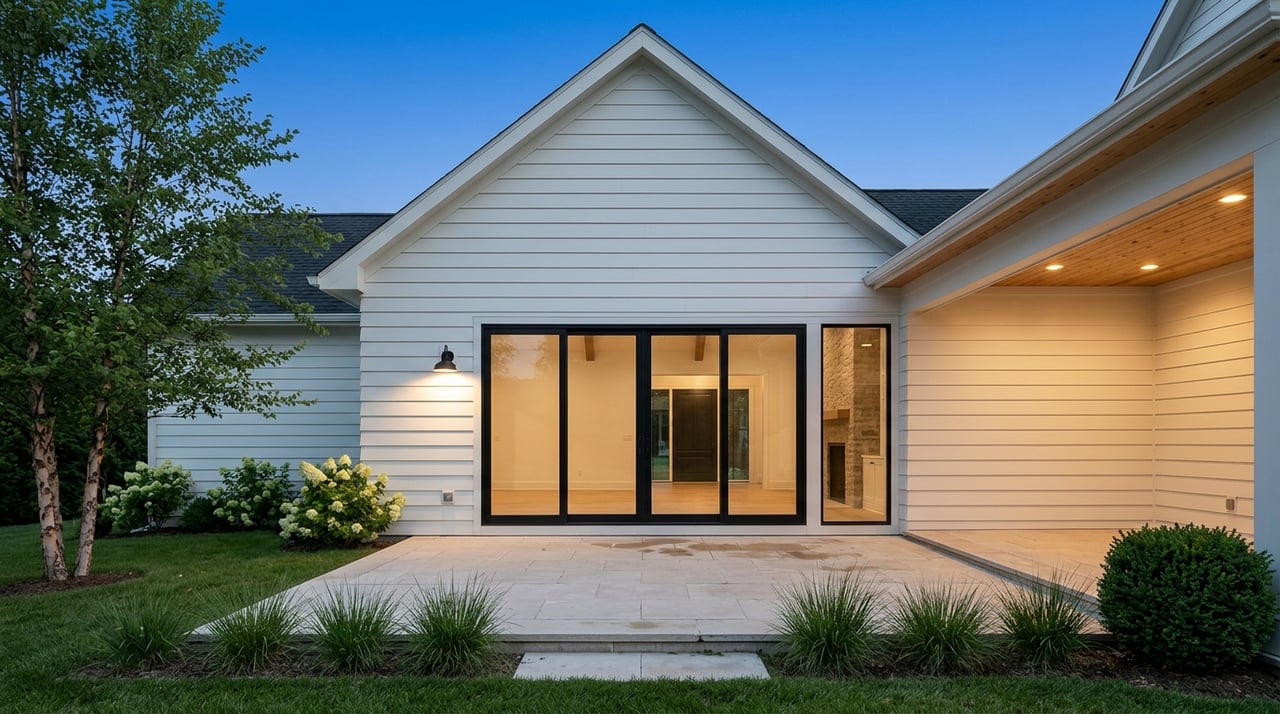
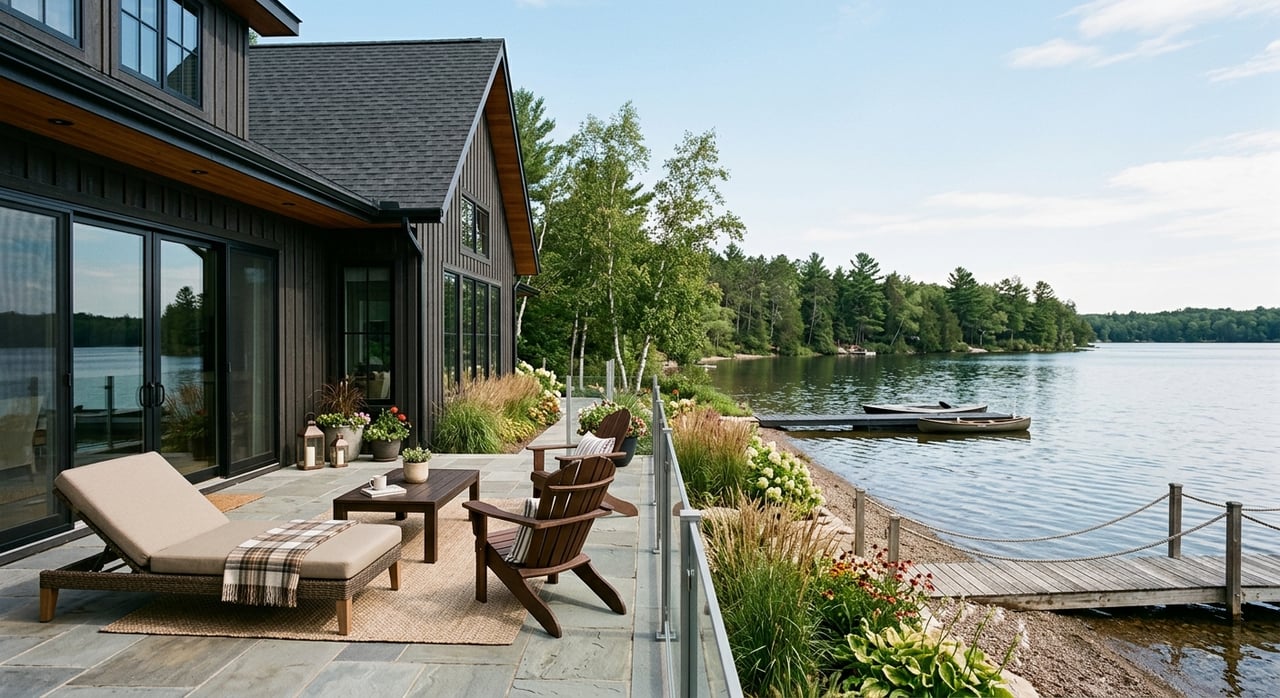
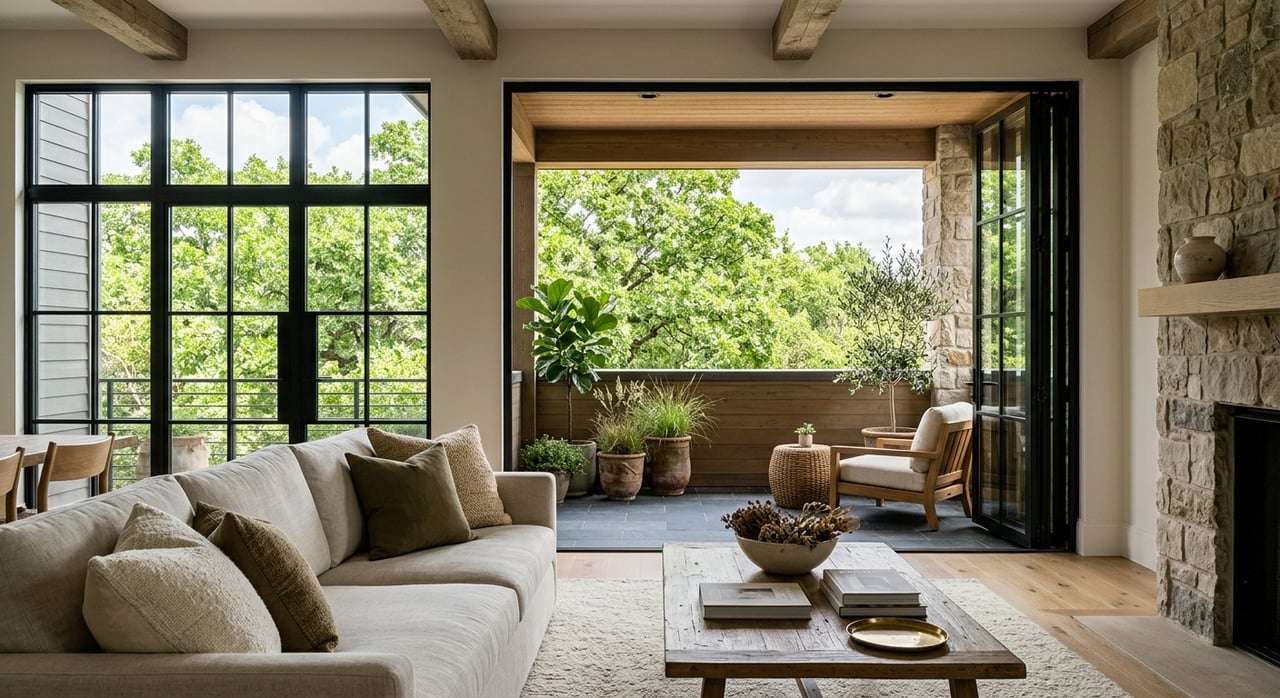
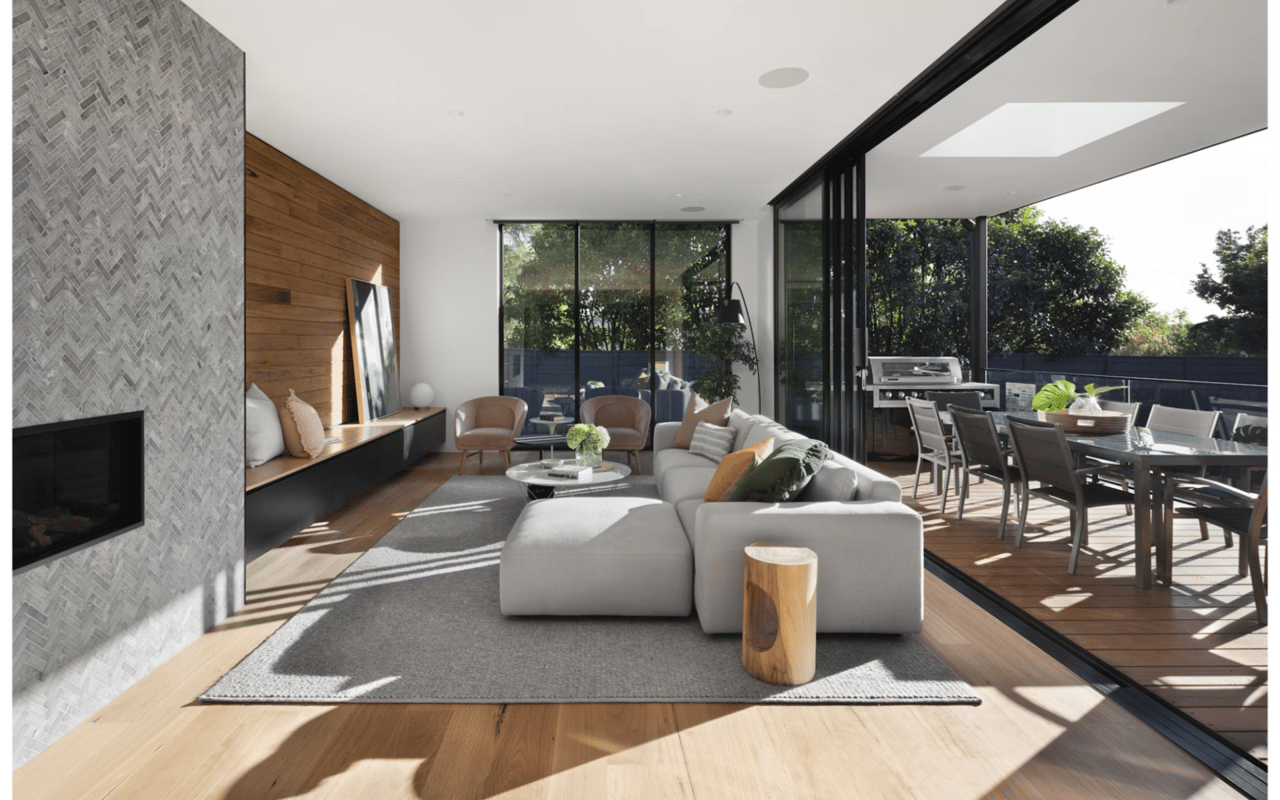
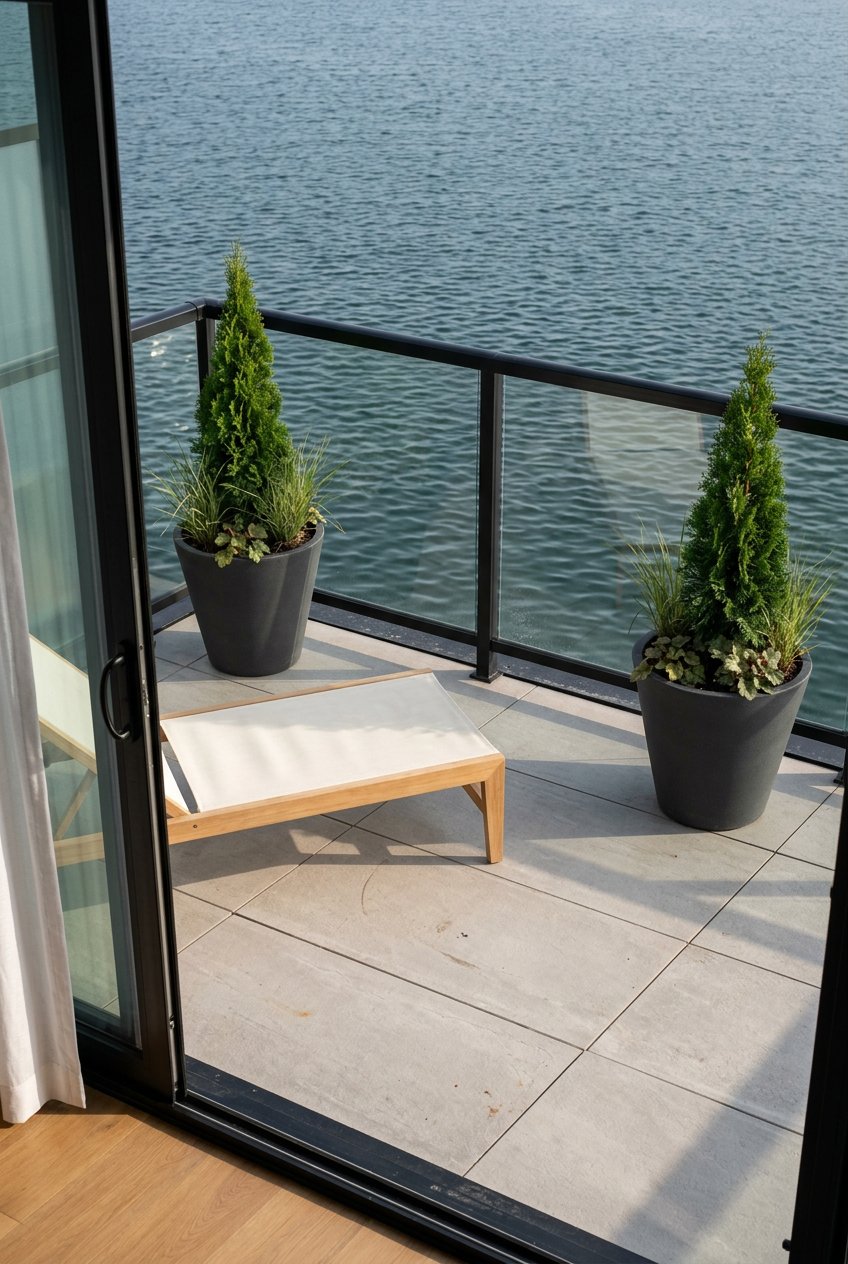
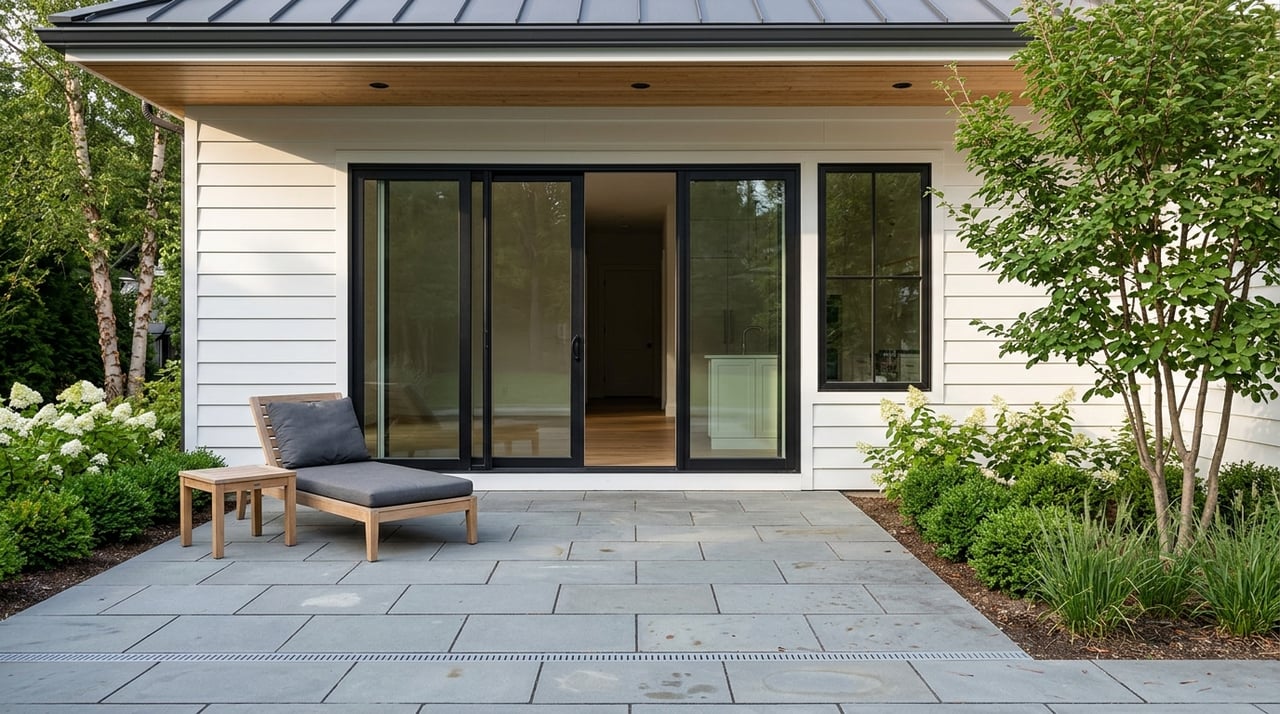
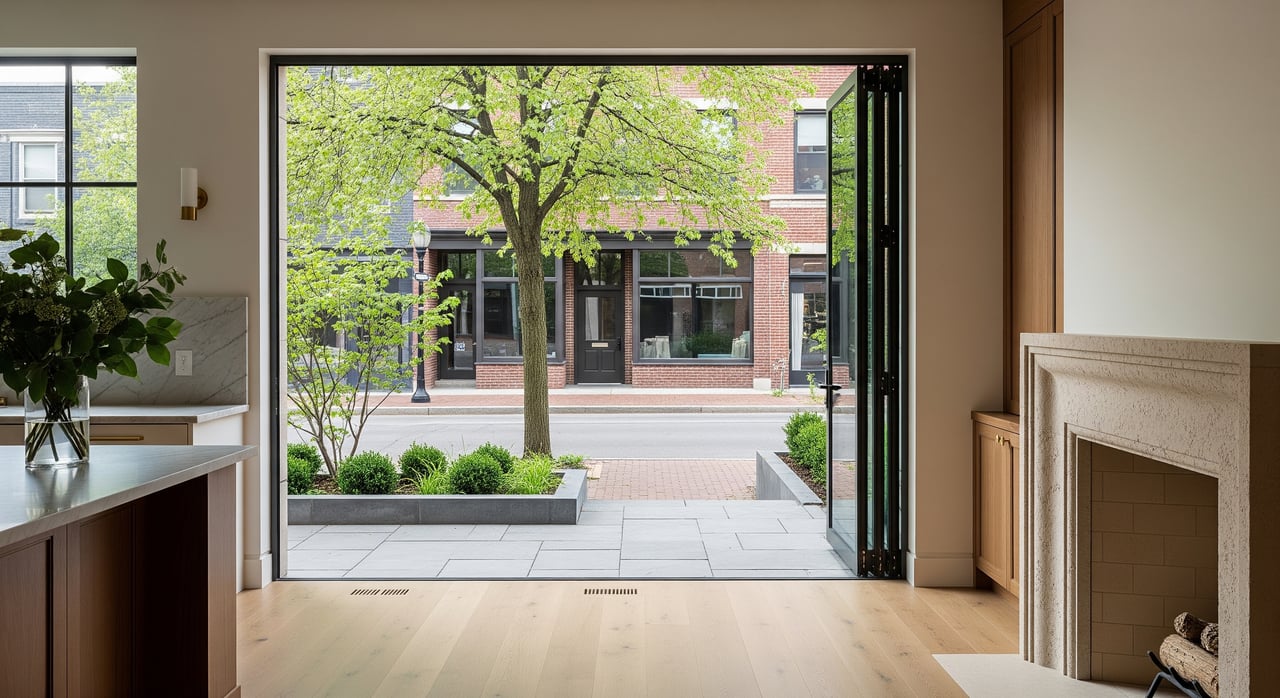
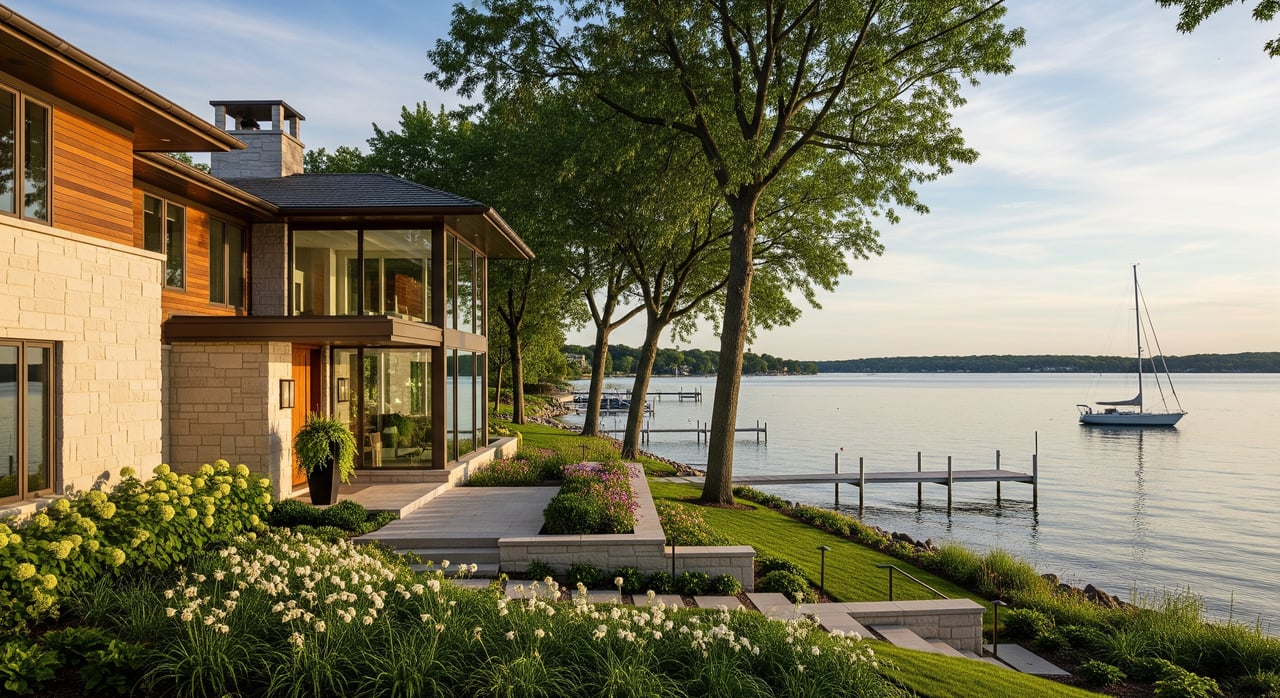
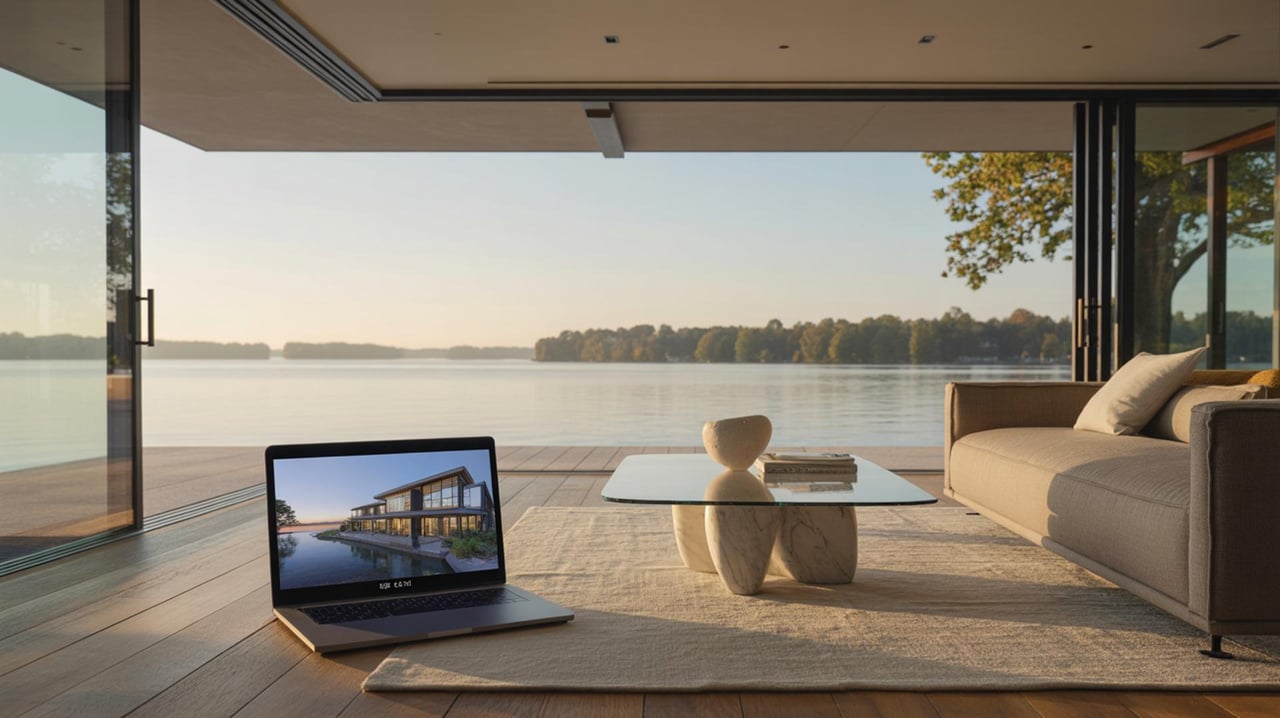
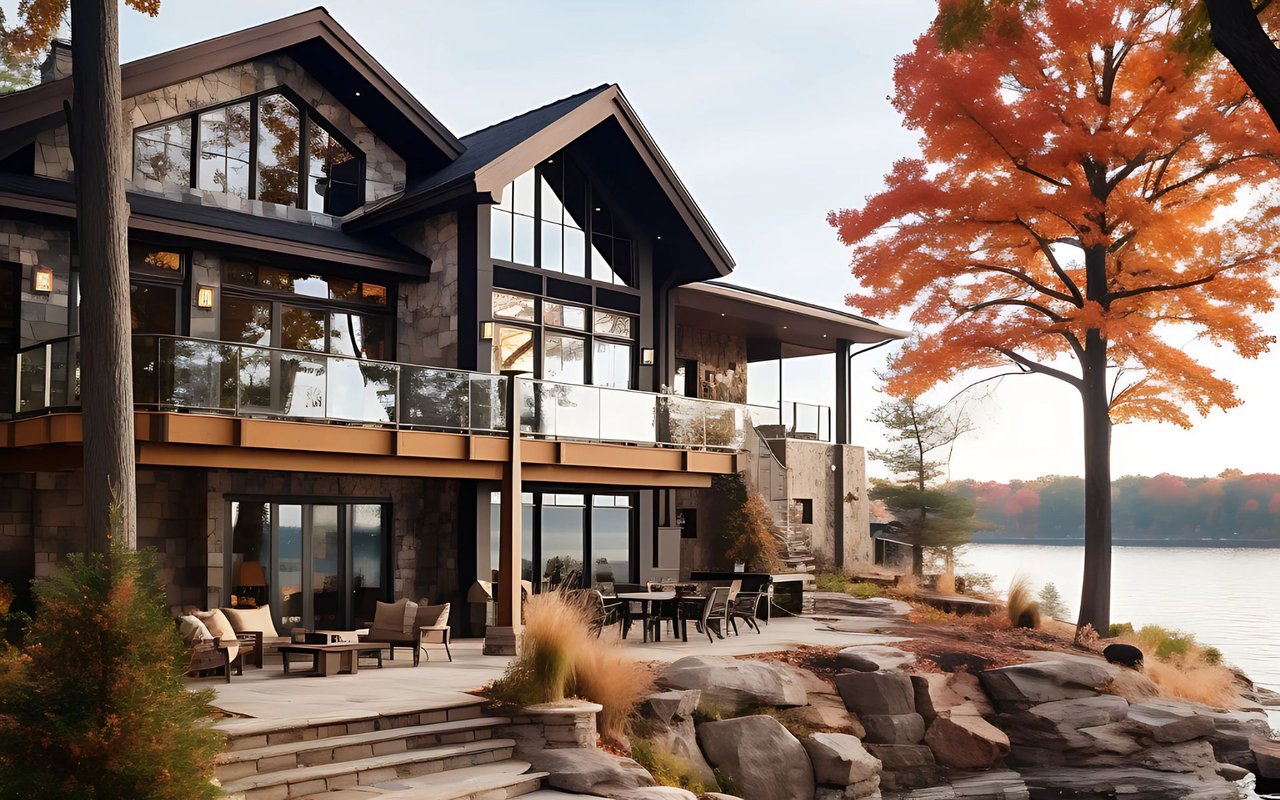
Medina buyers want outdoor spaces that feel like an extension of the home. In our climate, covered or screened areas and smart heating options make a big difference in how long you can enjoy them.
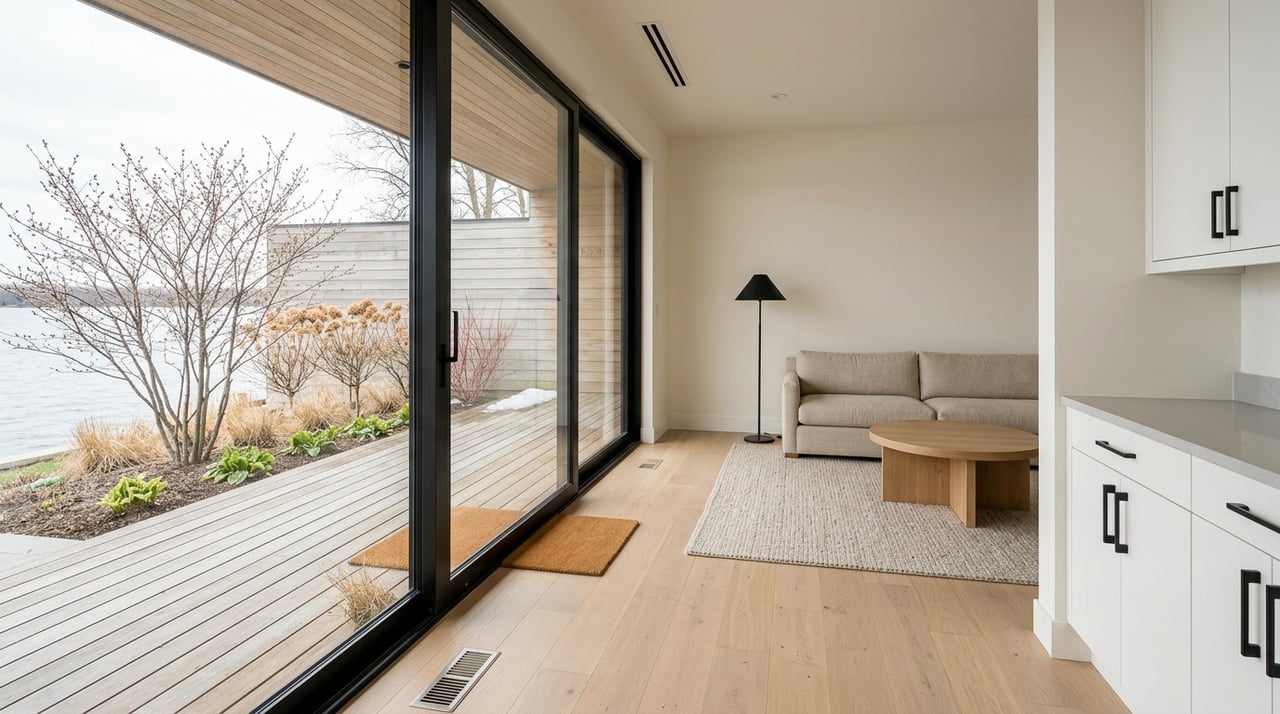
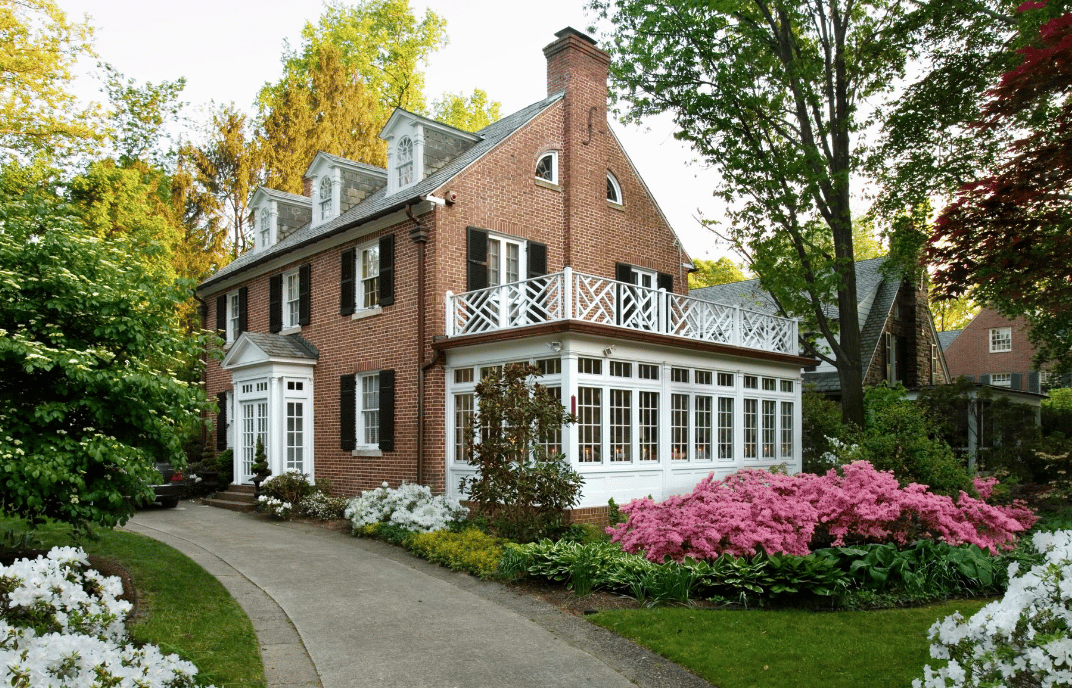
- What buyers love: covered or screened porches, heated patios, outdoor kitchens with gas hookups, large sliding or folding glass doors, fire features, and multi-season sunrooms. Landscape lighting that layers ambience and safety is a plus.
- Materials that last: consider composite decking, stainless or thermally modified woods, and porcelain tile that resists freeze and thaw cycles. Choose low-maintenance finishes where possible.
- Cost insight: smaller upgrades like lighting, heaters, or modest decking are often a few thousand dollars. Screened porches and covered spaces tend to be mid-range. Four-season rooms with insulation, high-performance glazing, and HVAC can be a larger investment. Outdoor kitchens and custom fire features vary widely.
- ROI reality: in colder markets, spaces that extend the usable season perform better. Quality screens, overhead cover, and built-in heat sources can increase buyer appeal.
- Local notes: check setbacks and impervious surface limits before expanding footprints. Gas line and outdoor electrical work require permits and licensed contractors.
Design pointers:
- Favor south or west exposure for warmth in shoulder seasons.
- Add overhead heat sources where wind exposure is low.
- Include storage for cushions and accessories.
- Plan snow and ice management from the start.
Private sport courts that fit the site
Recreational hardscapes are popular with active-lifestyle buyers who value convenience on larger lots. A well-sited, well-built court can be a standout amenity.
- Options to consider: half or full basketball, dedicated pickleball, multi-use layouts, and synthetic turf play areas. Courts can integrate with landscape design to preserve the property’s look and feel.
- Cost insight: small half-courts can be relatively modest. Professionally engineered full-size courts with proper base, drainage, lighting, and fencing often run tens of thousands of dollars, and premium builds can exceed $100,000 depending on scope.
- Maintenance: plan for snow removal, surface care, and drainage maintenance. Quality base and water management prevent heaving and premature wear.
- Resale view: for buyers who prioritize recreation, a court can be a deal-maker. For broader audiences, it is a niche feature. Keep maintenance expectations clear.
- Local notes: grading, lighting, and impervious surface calculations may trigger permits or neighborhood review. Coordinate early on setbacks and stormwater rules.
Site-planning steps:
- Evaluate drainage and soil conditions before design.
- Orient for wind and sun if possible.
- Choose lighting that minimizes spill and glare.
- Set expectations for snow and seasonal care.
Flexible outbuildings and ADUs
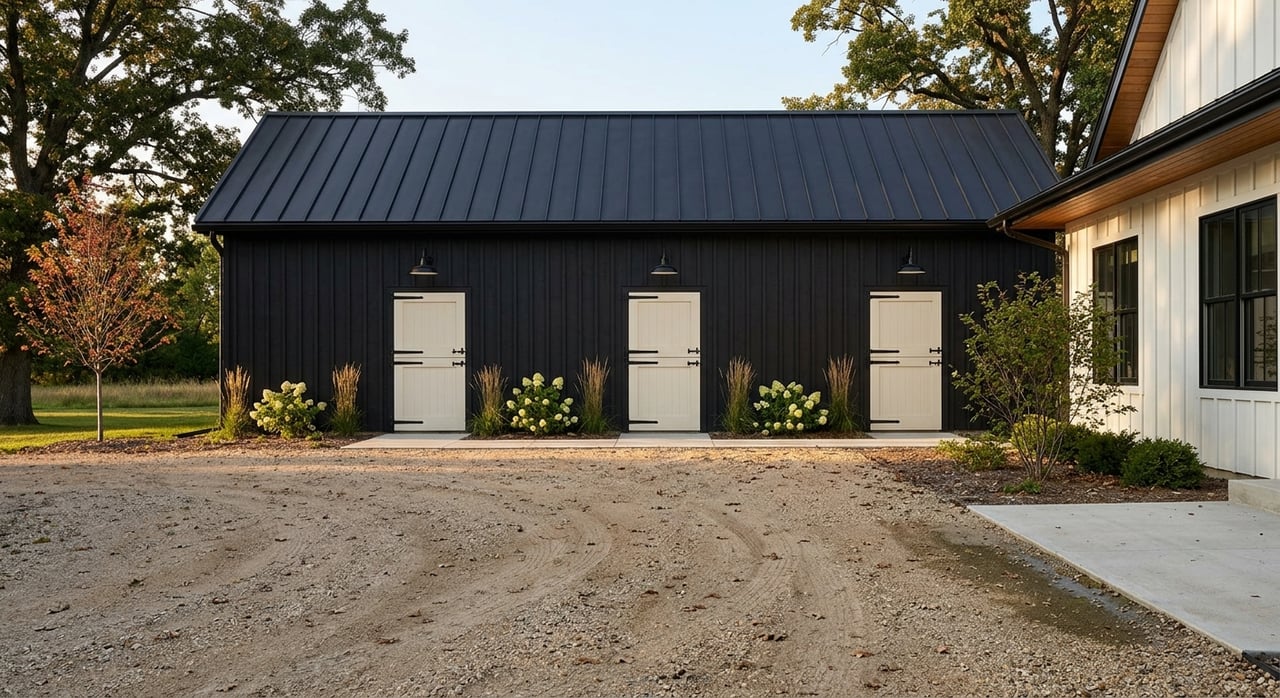
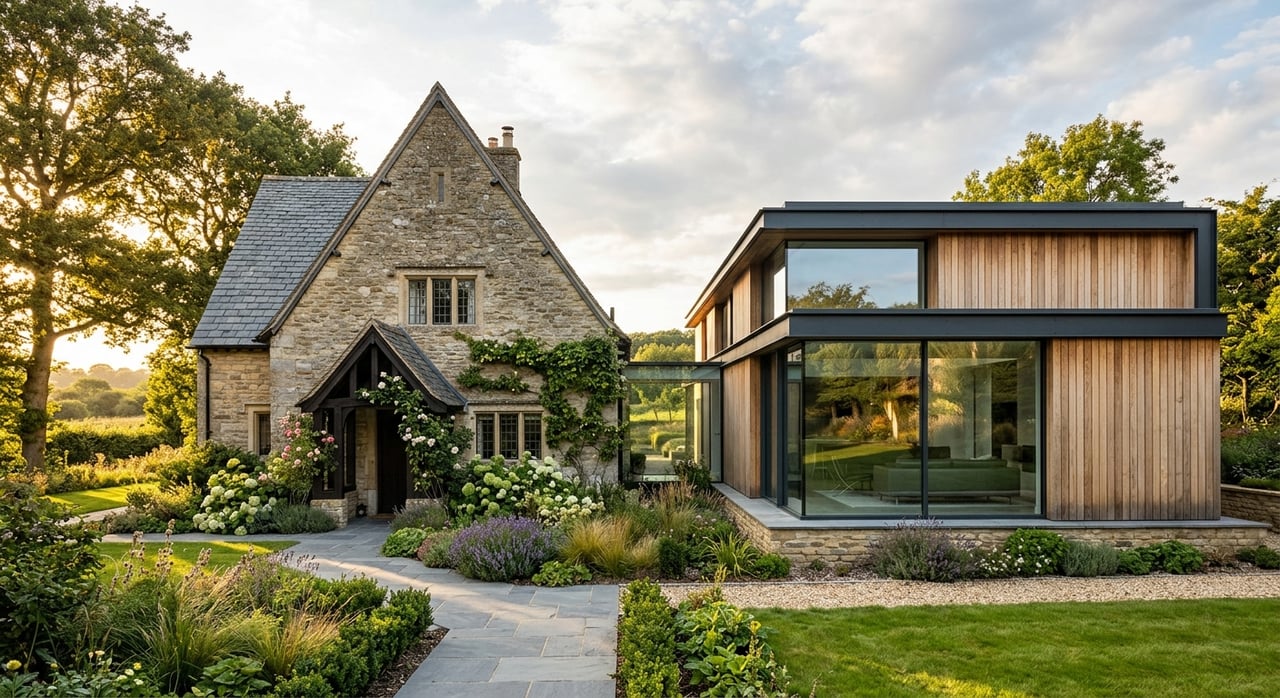
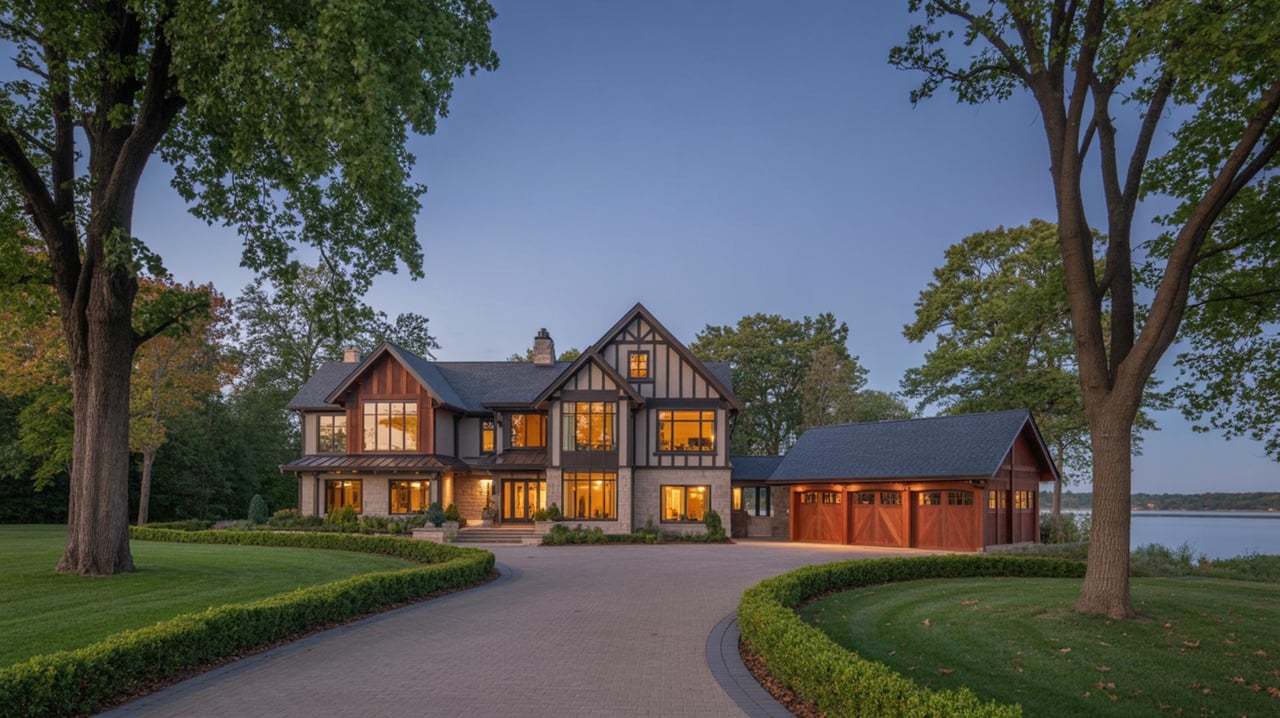
Accessory structures are a hallmark of rural-luxury living. They deliver flexible square footage for storage, hobbies, vehicles, studios, or hosting.
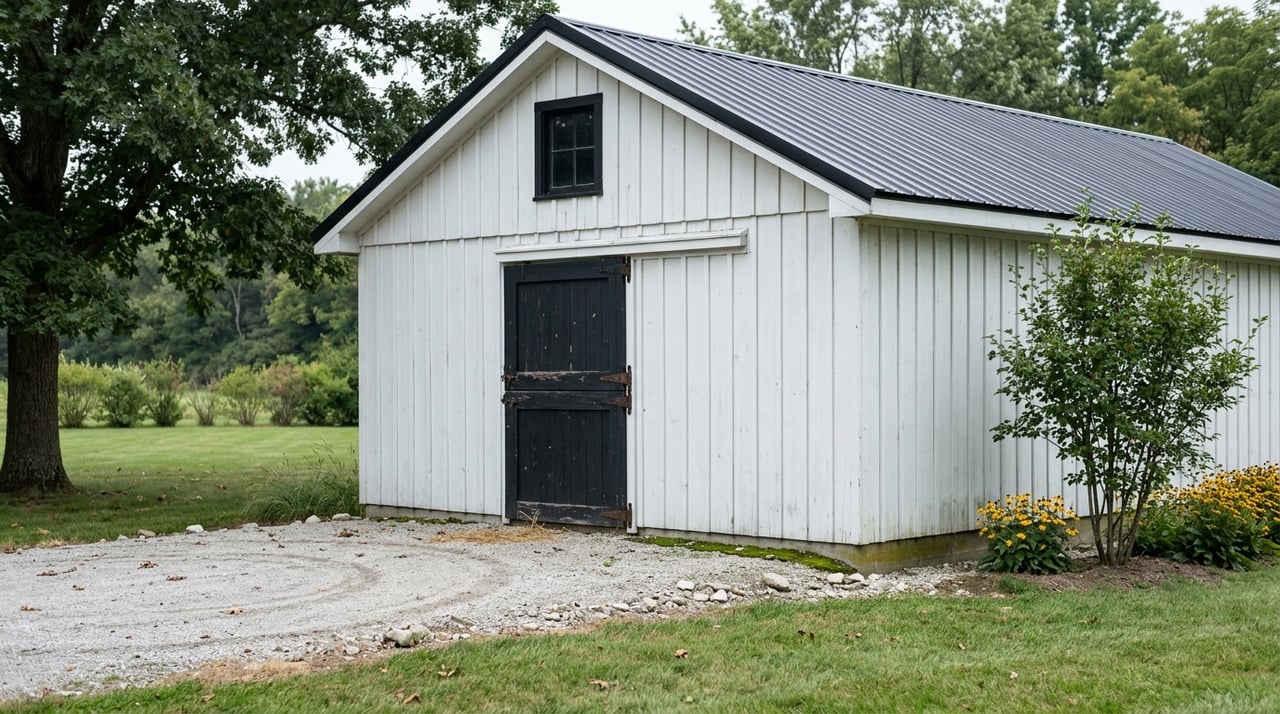
- Popular types: oversized garages with EV chargers and heated bays, barns with stalls or workshop bays, hobby studios, climate-controlled storage, and detached guest or owner suites.
- Code and design basics: what you build and how you finish it will drive permitting and cost. Occupied spaces need insulation, egress, and plumbing considerations. Utility runs, foundation type, and whether you connect to septic or a well all matter.
- Cost insight: basic pole buildings are more affordable than fully finished spaces. Guest suites or ADUs with kitchens and baths are significant investments but can expand marketability when done well.
- Local notes: Medina zoning and county rules govern size limits, setbacks, and occupancy. Adding bedrooms or plumbing may require septic review and potential upgrades. Rules for separate dwelling use and short-term rentals vary, so verify early.
Planning tips:
- Align the size and finish level with neighborhood comparables.
- Specify durable exterior materials to reduce maintenance.
- Pre-wire for EV charging and consider radiant heat in work bays.
- Document all permits and warranties for buyers.
Energy-smart systems buyers notice
Energy efficiency and modern mechanicals are high on buyer checklists, especially for larger homes. They lower operating costs and improve comfort.
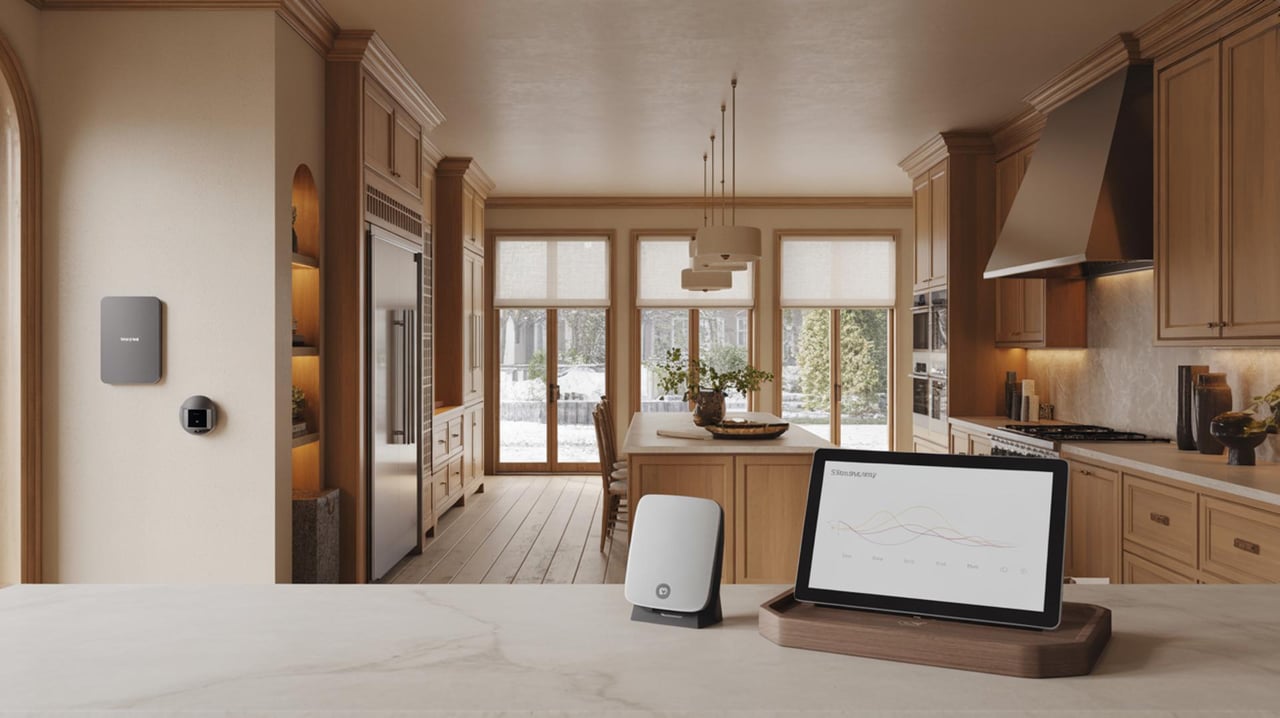
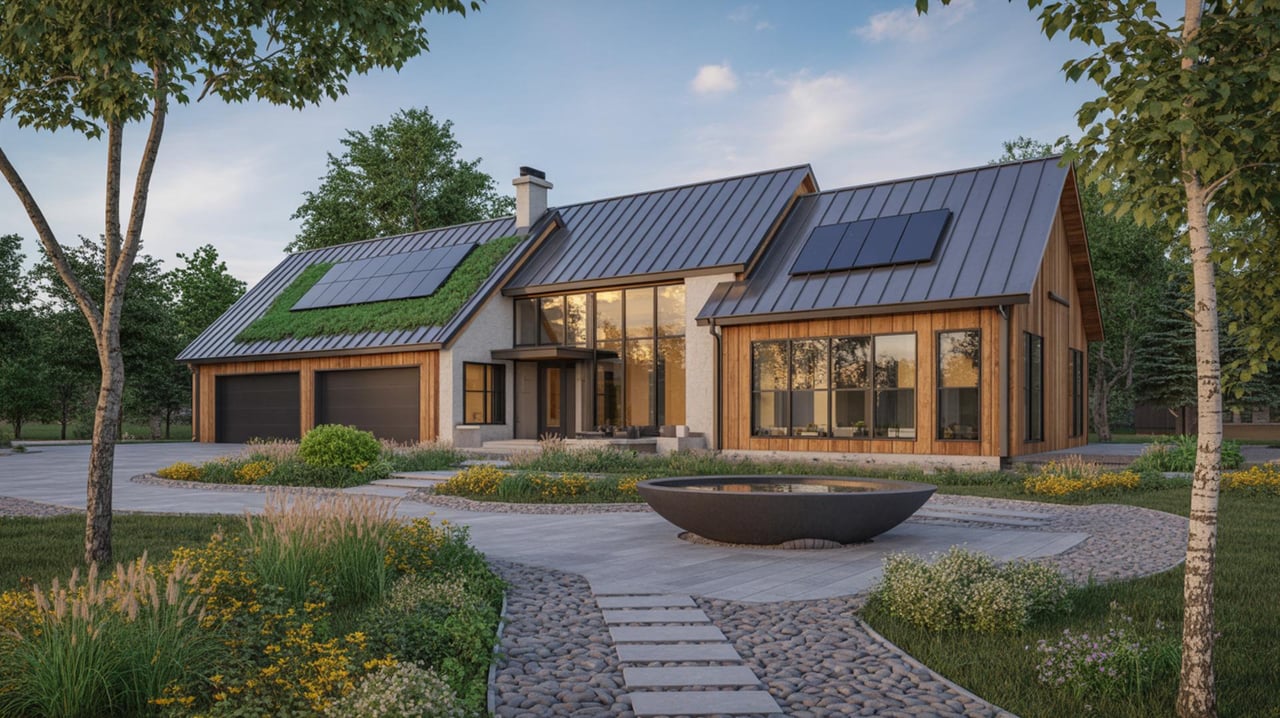
- Features that stand out: high-efficiency furnaces or boilers, cold-climate heat pumps, upgraded insulation, triple-glazed or low-E windows, HRV or ERV systems, whole-home energy monitoring, solar PV with battery backup, EV charging infrastructure, and smart controls for HVAC and lighting.
- Incentives: Minnesota utilities and state and federal programs often offer rebates and tax incentives for certain efficiency upgrades and electrification. Buyers respond well to documented utility savings or energy ratings.
- Cost and ROI: mechanical and envelope upgrades range from moderate to major. While upfront costs can be higher for heat pumps and solar, operating savings and available incentives can improve the equation. Professional audits and certifications add credibility at resale.
- Local notes: mechanical and electrical work requires permits. Solar and battery systems need electrical permits and utility interconnection approval.
Documentation to prepare:
- Equipment specs, install dates, and warranties.
- Before-and-after utility statements or audit results.
- Manuals and app access for smart systems.
Plan your project with resale in mind
Prioritize updates that most buyers will value in Medina while keeping your specific property and neighborhood in focus. Smart planning prevents overbuilding and avoids permitting hiccups.
What to prioritize broadly:
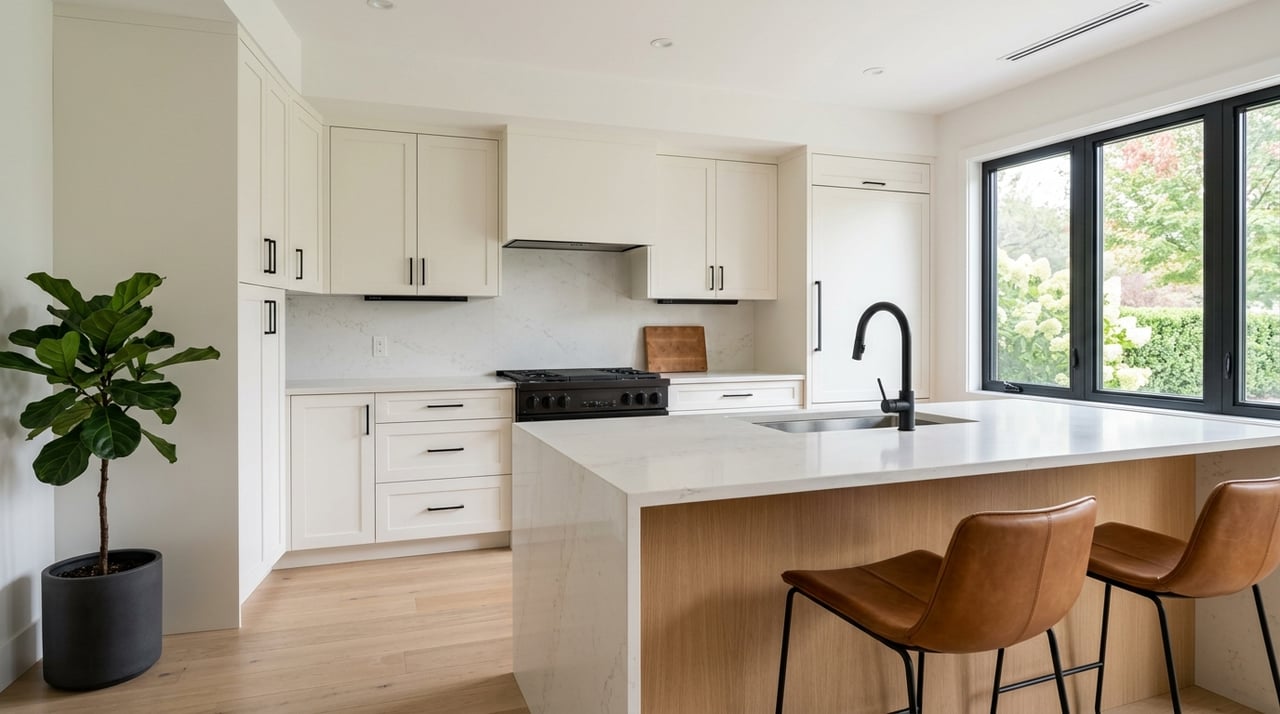
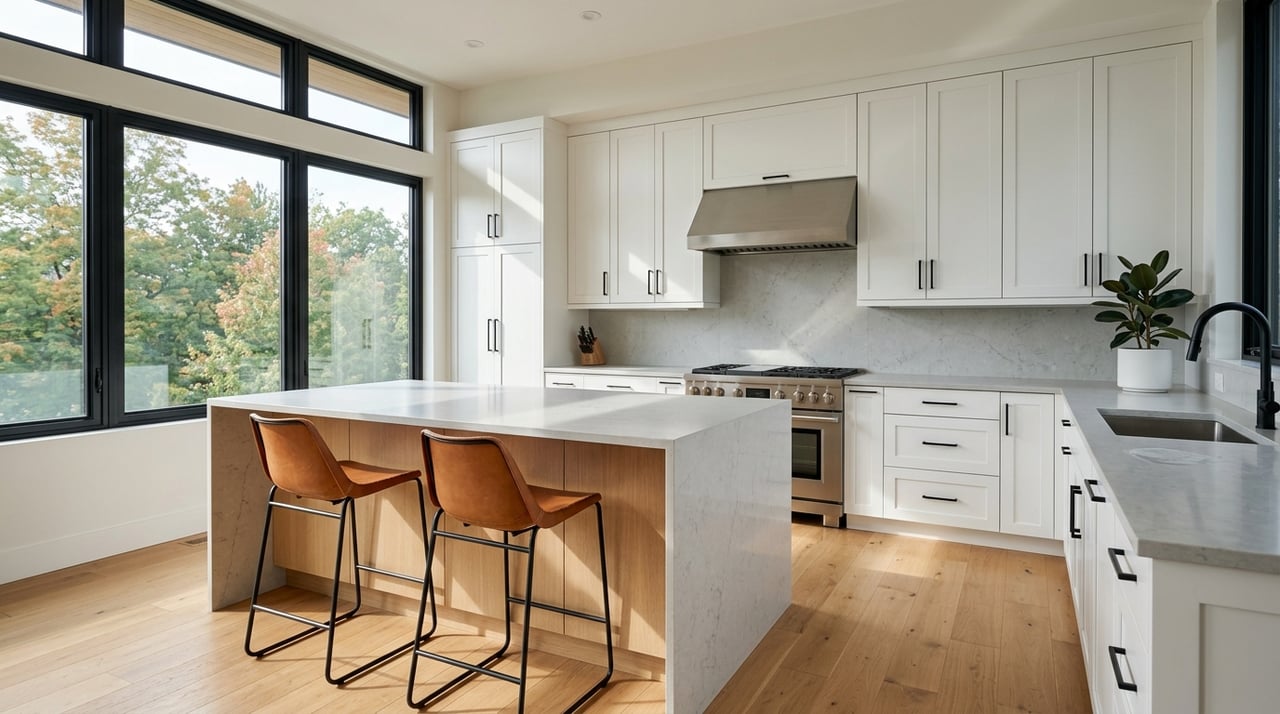
- Refresh dated kitchens and primary baths if needed.
- Improve flow and usable square footage where practical.
- Address deferred maintenance like roof, HVAC, and windows.
What resonates locally:
- A functional mudroom and organized entry.
- Finished or heated garage or shop space.
- Well-executed indoor–outdoor living.
- Quality outbuildings that match property scale.
Avoid overbuilding:
- Match finish levels and amenity scale to neighborhood comparables.
- Be cautious with ultra-premium courts or oversized guest houses on more modest streets.
Permits and documentation:
- Verify requirements with the City of Medina and Hennepin County for additions, accessory structures, mechanicals, plumbing, electrical, septic, and impervious surface changes.
- Keep a file with permits, inspections, contractor licenses, warranties, and any energy audit or rating.
Timing and climate:
- Outdoor work usually happens spring through fall. Book contractors early.
- Focus on air sealing, continuous insulation, and freeze protection details.
- Plan snow and ice management for driveways, patios, and courts.
Budget snapshot:
- Mudroom upgrades with built-ins: often in the low thousands to the tens of thousands depending on scope and finishes.
- Screened or covered porches: mid-range costs; four-season rooms with HVAC and high-performance glazing are higher.
- Sport courts: a small half-court can be a few thousand, while engineered full courts with drainage, lighting, and fencing are typically tens of thousands or more.
- Accessory structures: basic shells are lower cost; finished ADUs or barns with stalls and workshops are substantial investments.
- Energy upgrades: from minor controls to major systems like heat pumps or solar with battery; explore incentives to reduce net cost.
Marketing and presentation:
- Stage the mudroom to show clean, organized function.
- Highlight indoor–outdoor flow with open doors and warm lighting in photos.
- Create a one-sheet for unique amenities like courts or barns that explains seasonality, maintenance, and upgrades.
- Prepare disclosures and maintenance logs for mechanicals and energy features.
How TSRE Group can help
If you plan to renovate before selling, you don’t have to guess which features will move the needle. With design-driven expertise and a deep understanding of western Twin Cities buyers, we help you scope the right projects, choose finishes that show well, and time your listing for maximum impact.
- Integrated design support: our in-house design arm can consult on layouts, selections, and resale strategy so your investment feels cohesive and market-ready.
- Compass-powered marketing: from premium photography to national exposure, we present your lifestyle features in a way that resonates with qualified buyers.
- Concierge resources: we can leverage available platforms to streamline updates, staging, and go-to-market execution.
Ready to talk through your property and a targeted plan for Medina buyers? Connect with the Turnquist Spilseth Real Estate Group for a consult tailored to your goals.
FAQs
Which Medina home features boost resale most?
- Practical mudrooms, extended-season outdoor spaces, flexible outbuildings that fit the lot, and documented energy upgrades are strong performers when aligned with neighborhood comparables.
Do I need a permit for a mudroom sink or porch in Medina?
- Yes. Plumbing changes, structural additions, and gas or electrical work require permits. Confirm requirements with the City of Medina and Hennepin County before you start.
Are private sport courts a smart investment in Medina?
- They can be, especially for active-lifestyle buyers. Quality construction, proper drainage, and realistic maintenance planning are critical. Match the scale to nearby properties.
Can I add a guest house or ADU on my Medina lot?
- It depends on zoning, size limits, setbacks, occupancy rules, and septic or well capacity. Verify regulations early. Adding bedrooms may trigger septic review or upgrades.
What energy upgrades do buyers ask about most in Medina?
- Cold-climate heat pumps, better insulation, efficient windows, EV charging, solar with battery backup, and smart HVAC controls. Documentation of savings or ratings helps at resale.
When is the best season to build outdoor projects in Minnesota?
- Most exterior work runs from spring through fall. Book contractors well in advance and plan for permits, inspections, and lead times on materials.