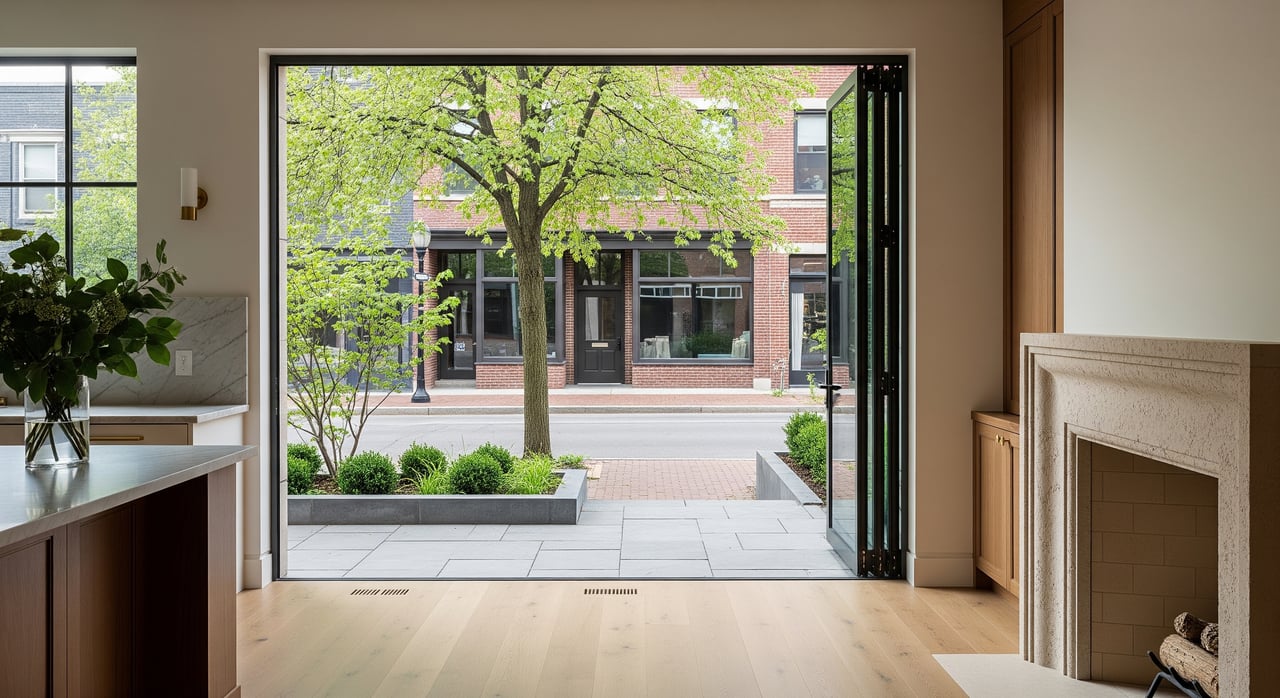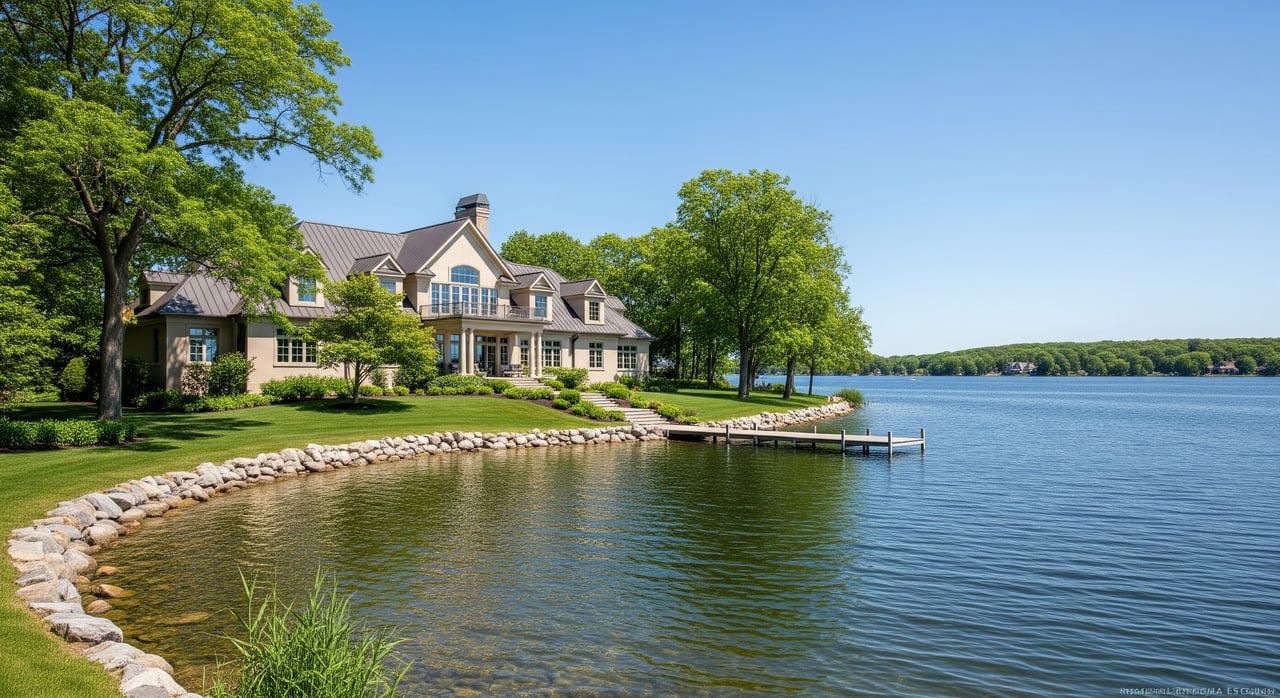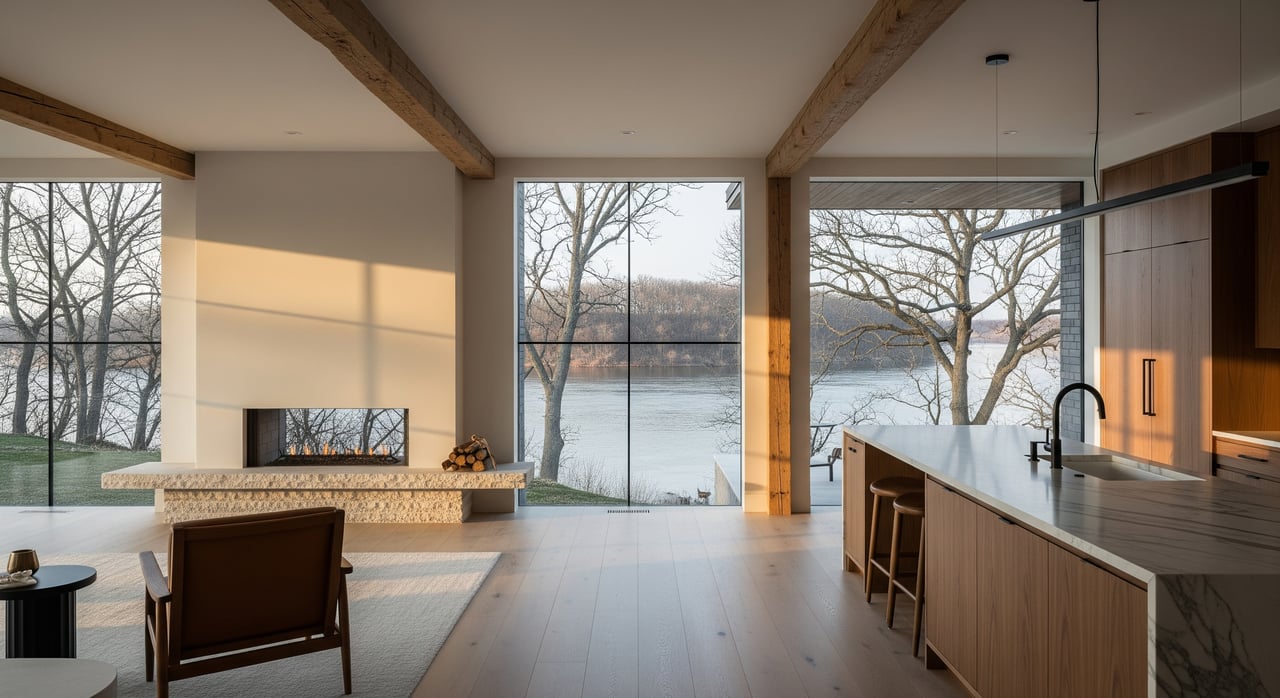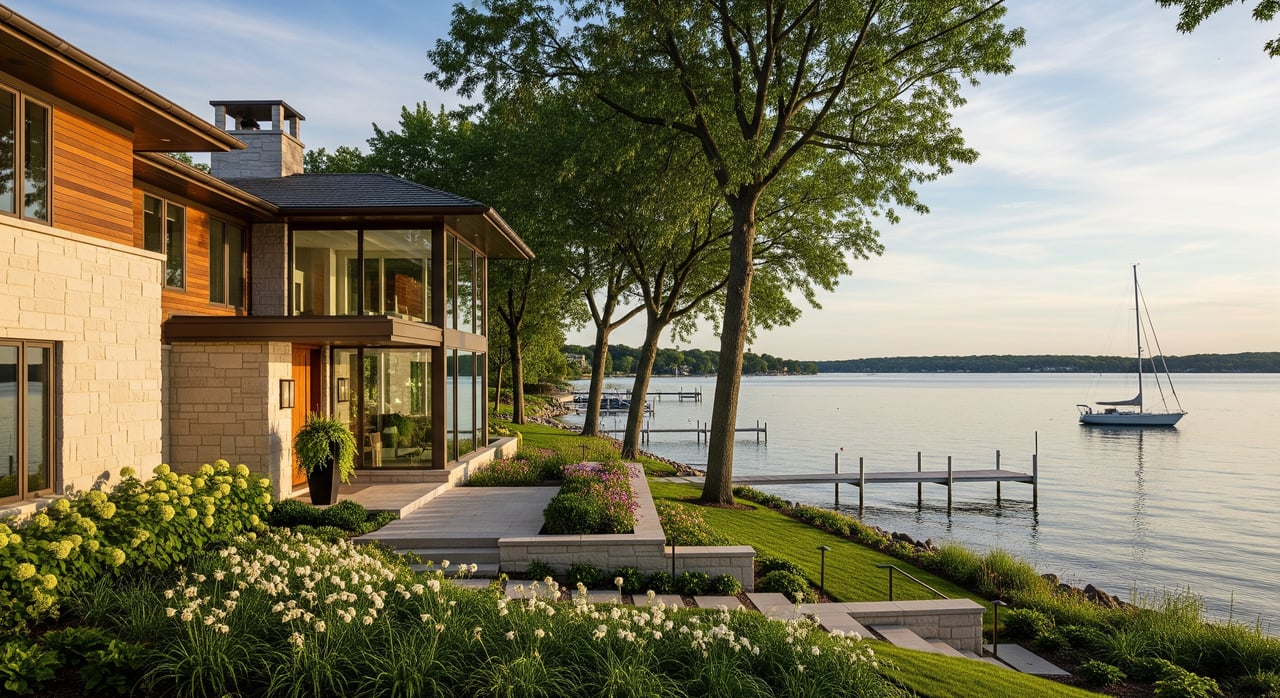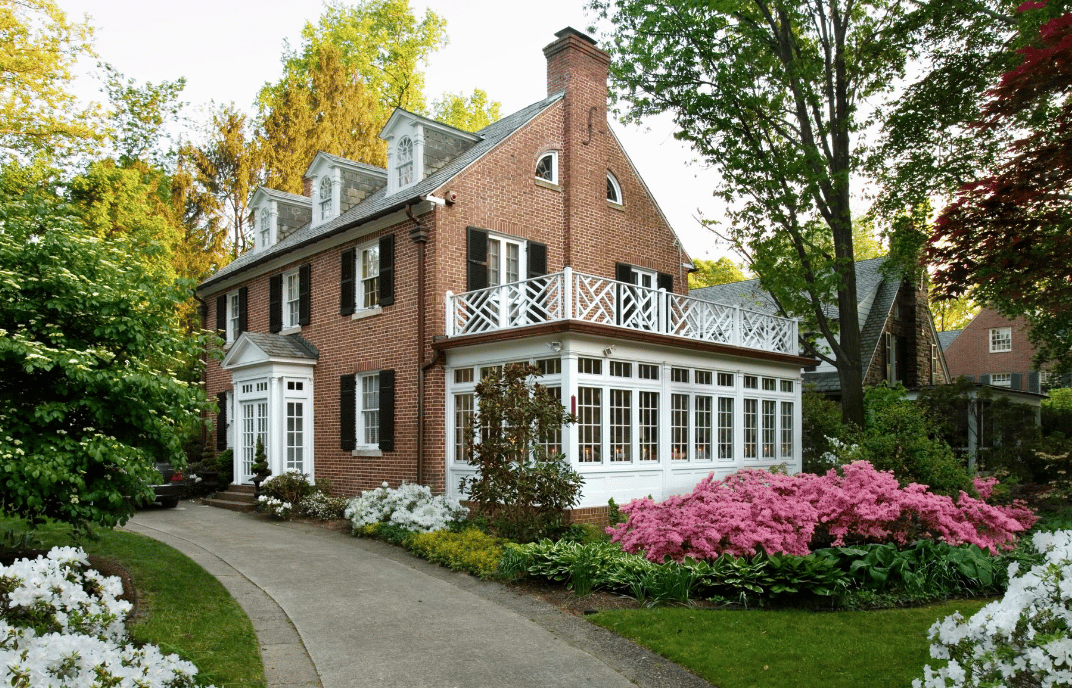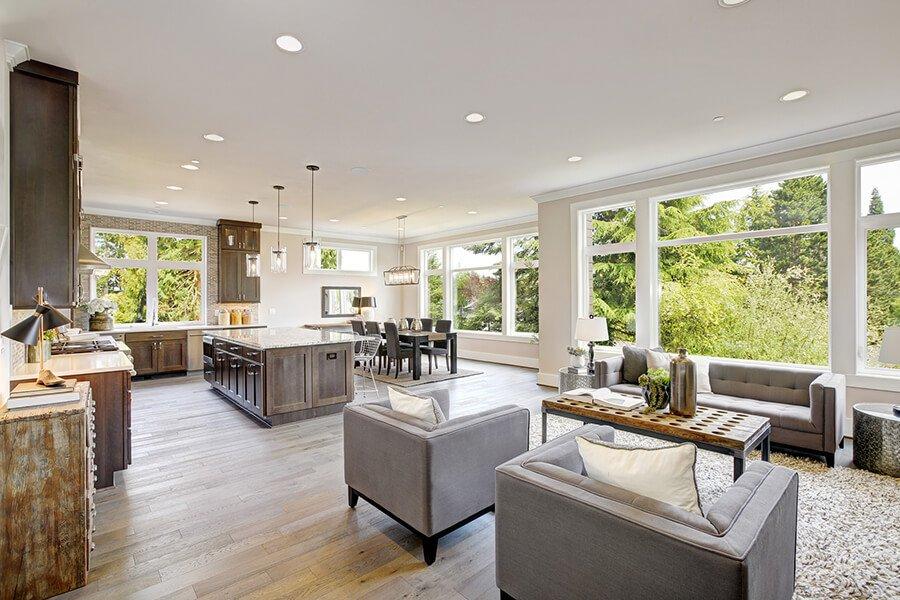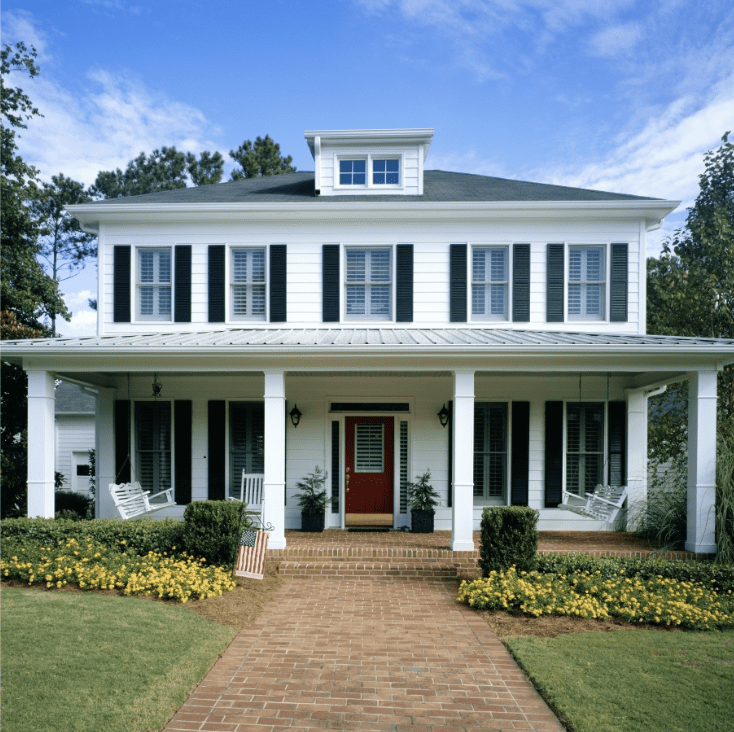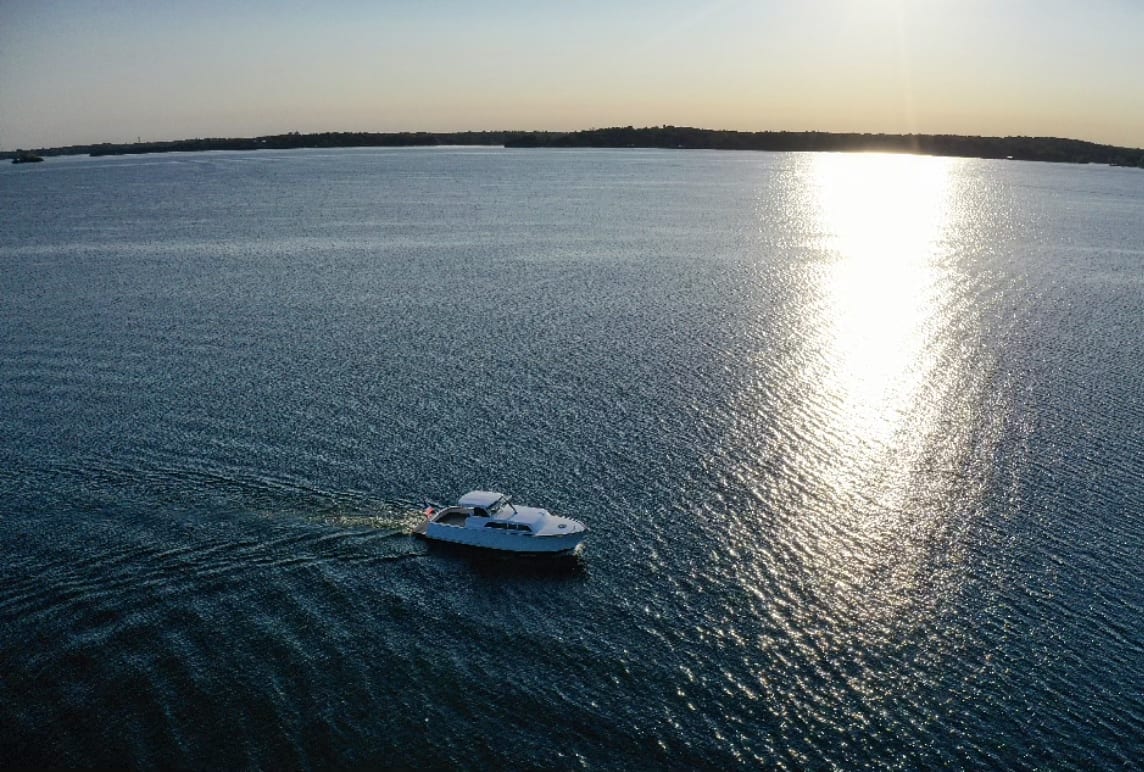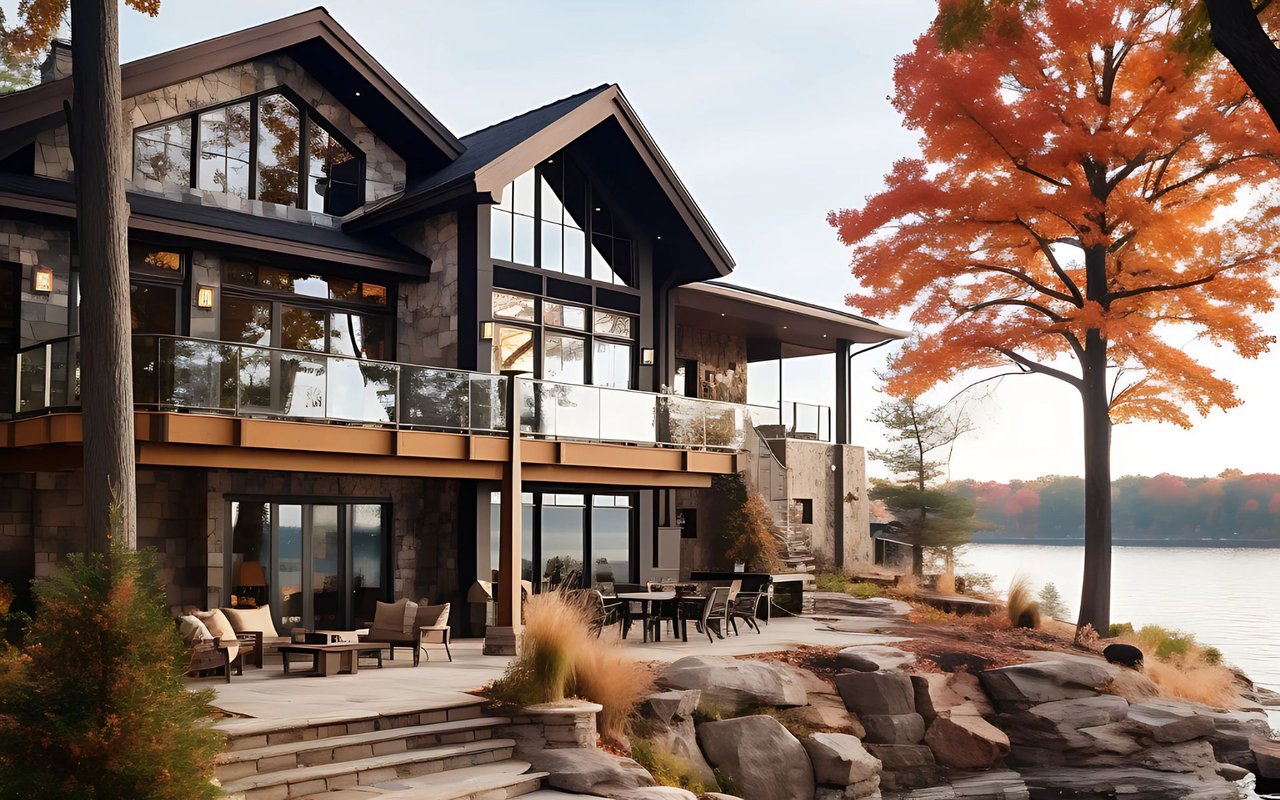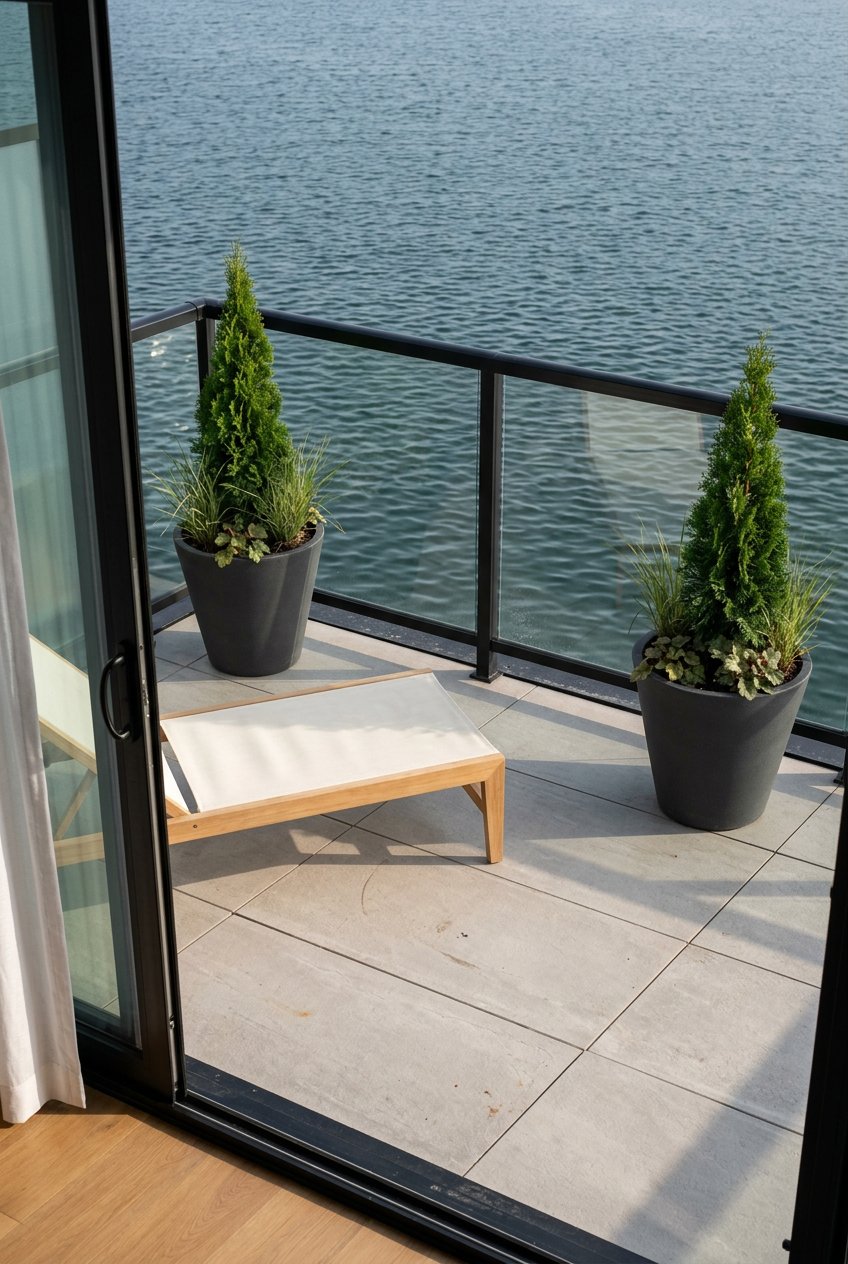
If you could choose between morning coffee on Lake Street with everything at your doorstep, or stepping onto your own dock on Wayzata Bay, which life pulls you more? You want the lake lifestyle without second‑guessing your choice a year from now. In this guide, you’ll weigh true costs, slip access, rules, maintenance, and resale so you can buy with confidence. Let’s dive in.
Start with lifestyle priorities
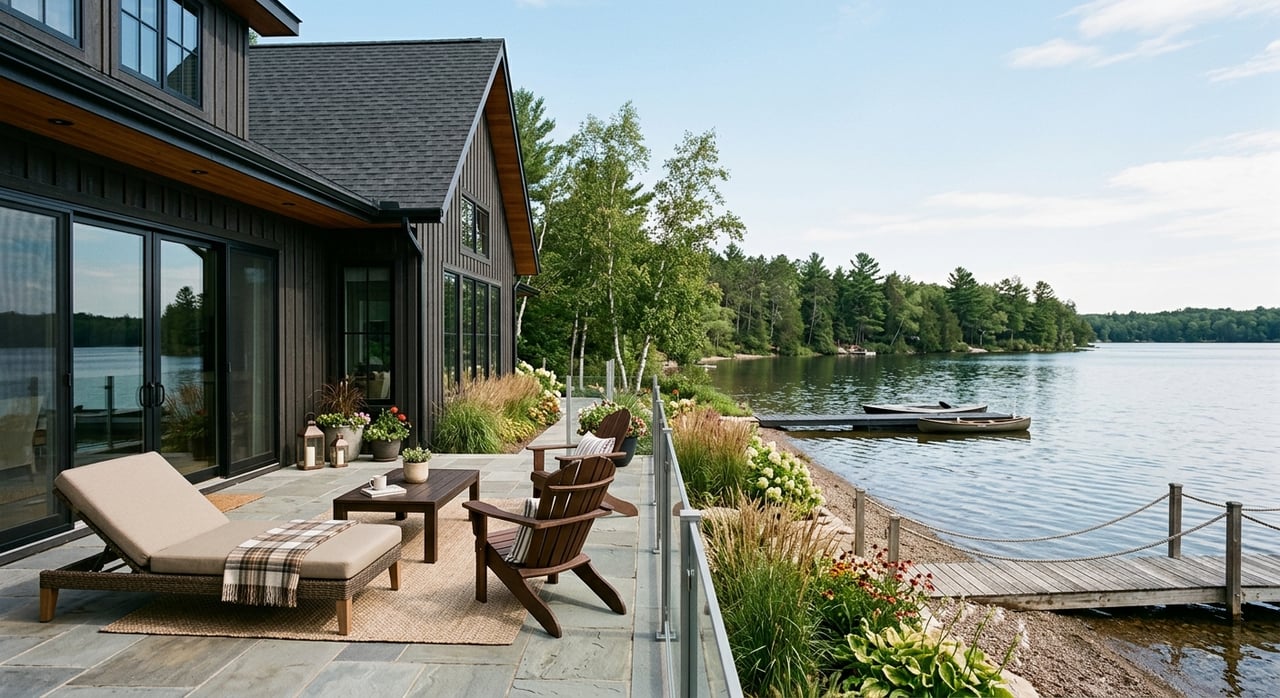
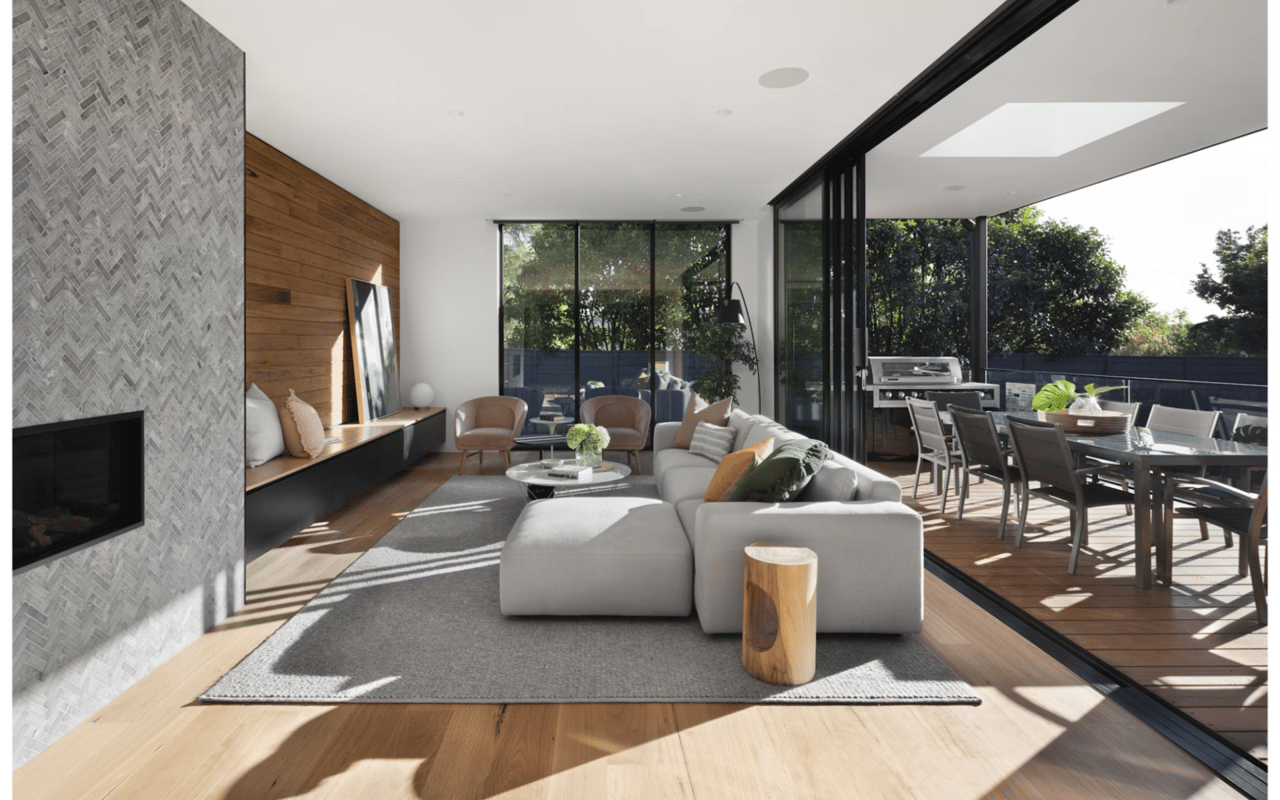
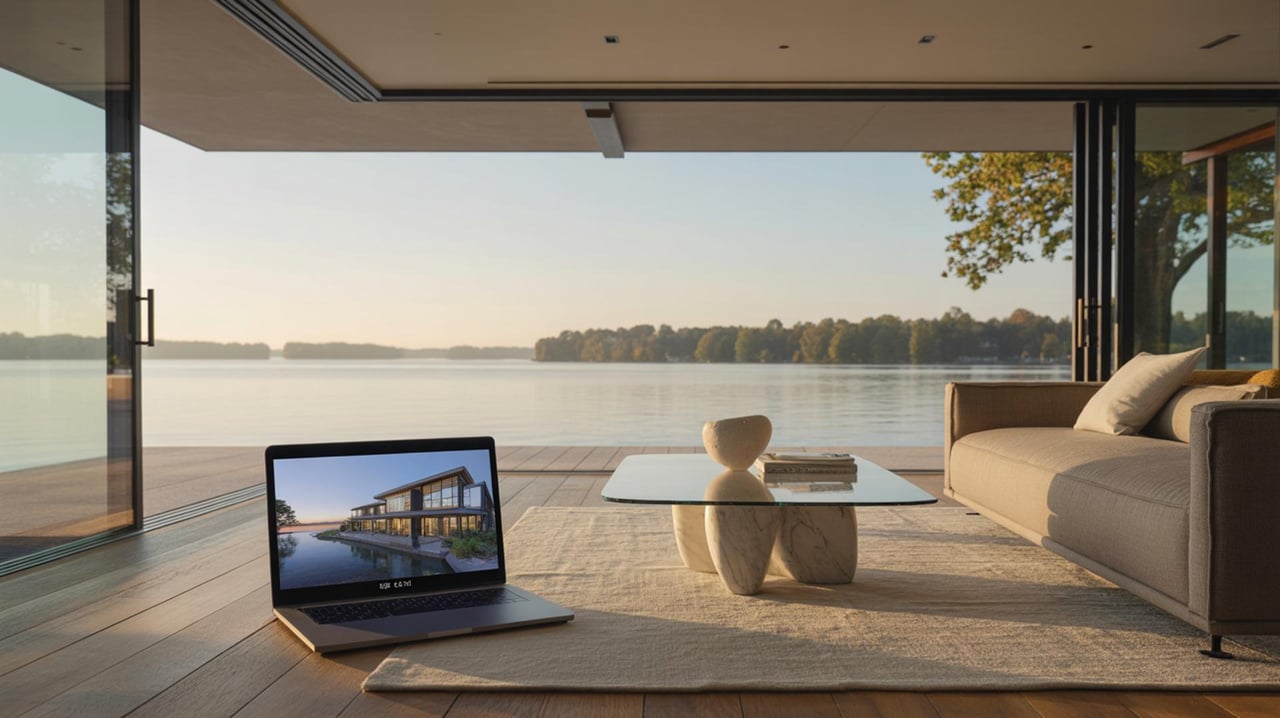
Start by clarifying what matters most. If you value walkability, lock‑and‑leave living, and polished amenities, a luxury condo near downtown Wayzata fits well. If you want control over your shoreline, a private dock, and big‑water views, a single‑family lake home is the prize.
Ground your expectations with the local numbers. Wayzata’s market sits well above metro averages, with recent snapshots showing median sale prices in the low‑to‑mid seven figures, roughly the 1.1 to 1.3 million range (Wayzata market snapshot). Micro‑markets matter on the lake. Within Wayzata Bay, localized reports often skew much higher, and a few waterfront sales can move medians quickly (Wayzata Bay micro‑market view).
Wayzata condo: what you get
Price and fees
You’ll find upscale downtown condos in the high six figures to low seven figures, with newer luxury units often listing from 1 to 2 million. Monthly association fees for high‑end buildings commonly range around 400 to 1,000+ dollars per month, depending on amenities and services. Fees can include exterior maintenance, common areas, snow removal, parking, and some utilities. Always review the HOA’s budget, reserves, and any special assessments before you commit.
Boat access
Most condos do not convey private riparian rights or long‑term slips unless the building was designed with deeded spaces. Many condo owners rely on the City’s municipal marina program and transient docks. Review eligibility, the resident lottery, and the differences between transient and rental options on the City’s site (Wayzata boat‑slip program). Confirm any building‑specific policies or waitlists for slips as part of your offer.
Maintenance and insurance
Condo living reduces day‑to‑day upkeep. The association manages exterior maintenance, grounds, and shared systems, which simplifies ownership. You’ll still want to review the master insurance policy and understand what your HO‑6 policy must cover. If the building sits near the shoreline, confirm any flood‑related disclosures and requirements with your lender and insurer.
Design and rules
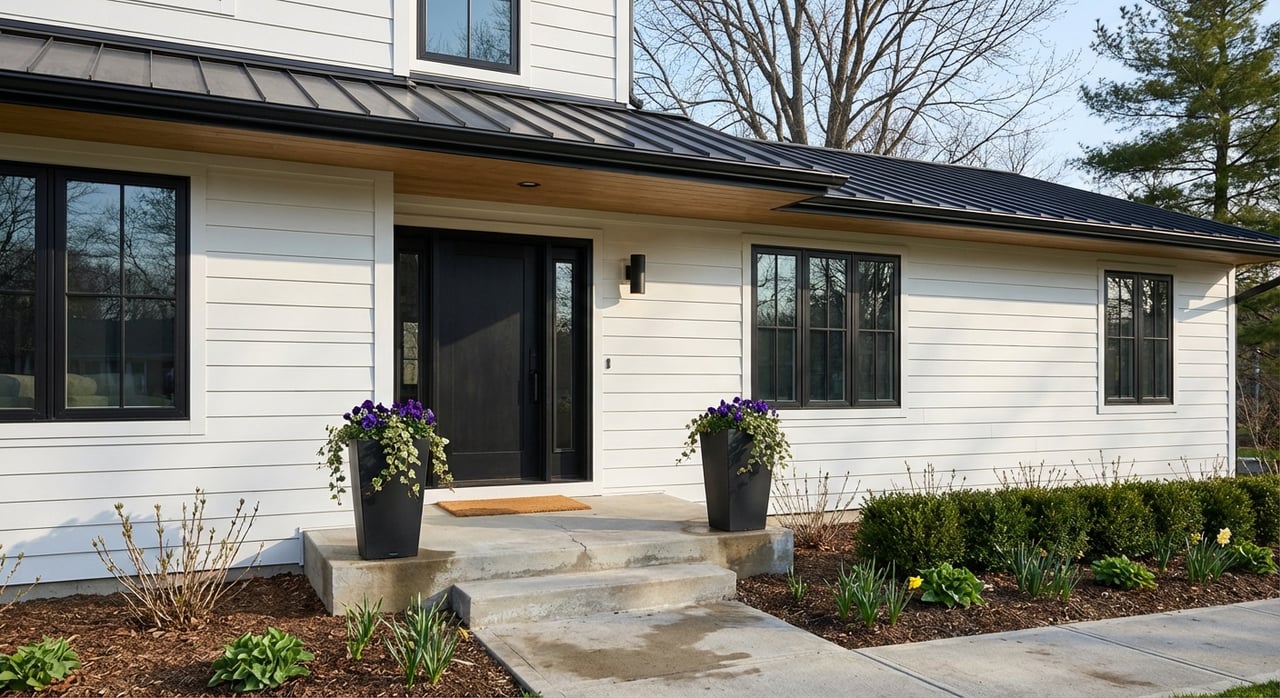
You will have strong freedom to remodel interiors, but exterior changes and shared elements are governed by the association’s rules. Expect clear design standards around decks, windows, and façade changes that keep the building cohesive. You trade some control for convenience and consistency.
Resale outlook
Downtown luxury condos often attract a larger buyer pool that values convenience and low maintenance. Proximity to restaurants, the lakewalk, and boat access can boost appeal. Local commentary notes that scarcity of true waterfront parcels sits alongside ongoing demand for walkable luxury, which helps support values in both segments when well positioned (Wayzata luxury demand drivers).
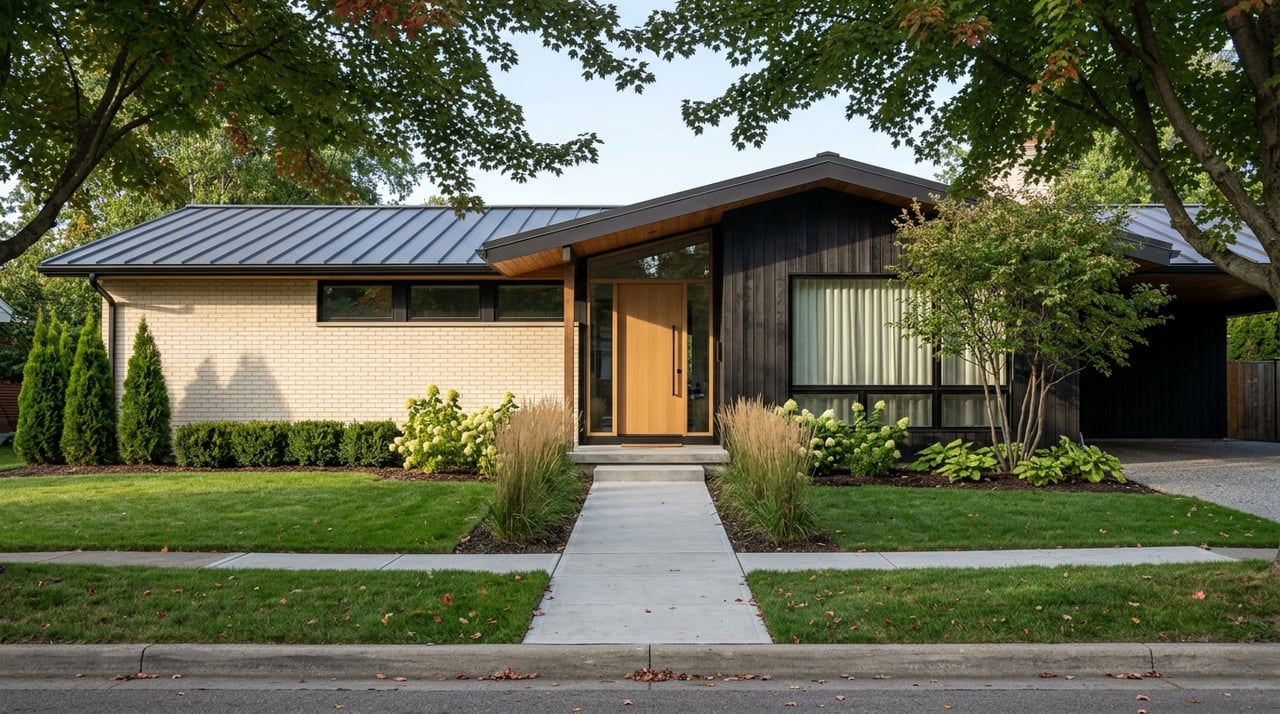
Lake home: what you get
Price and shoreline premium
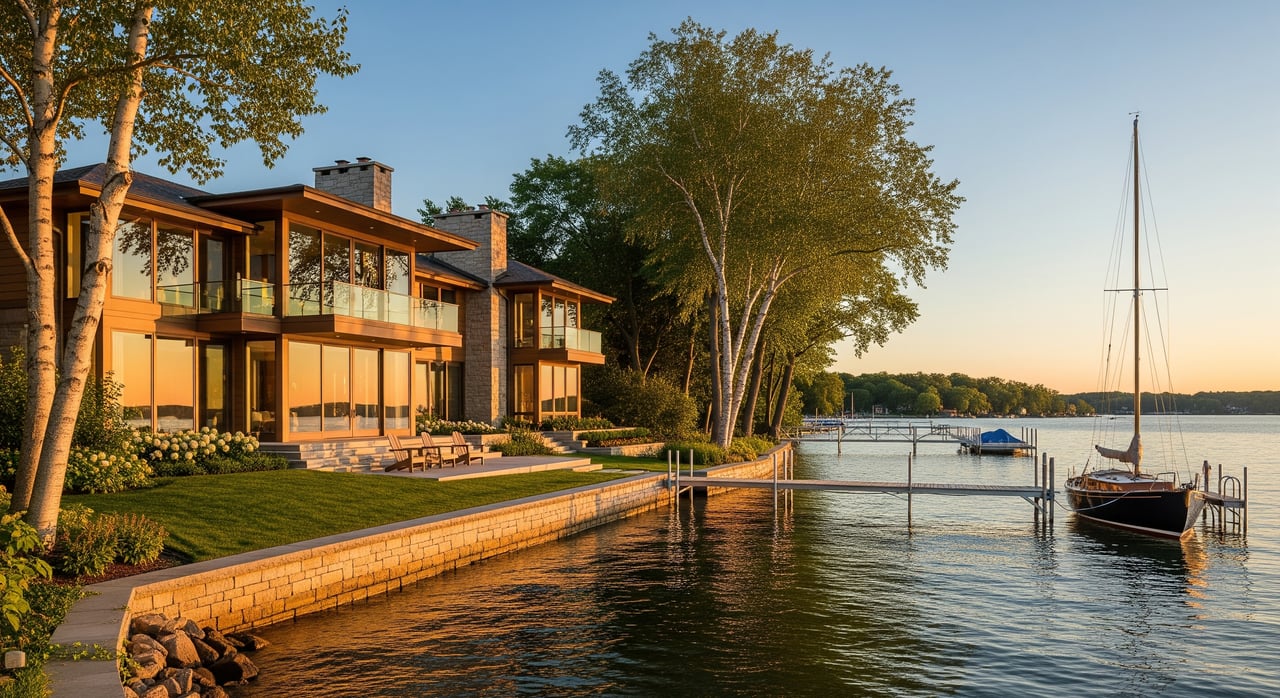
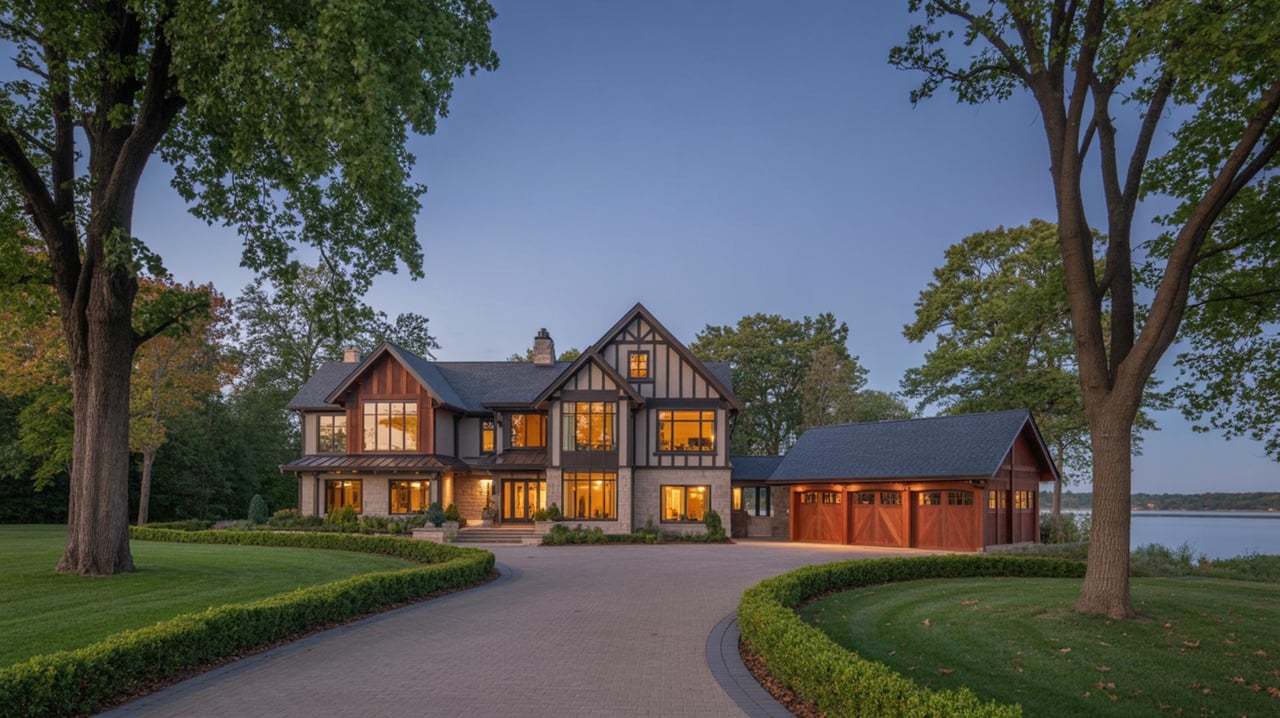
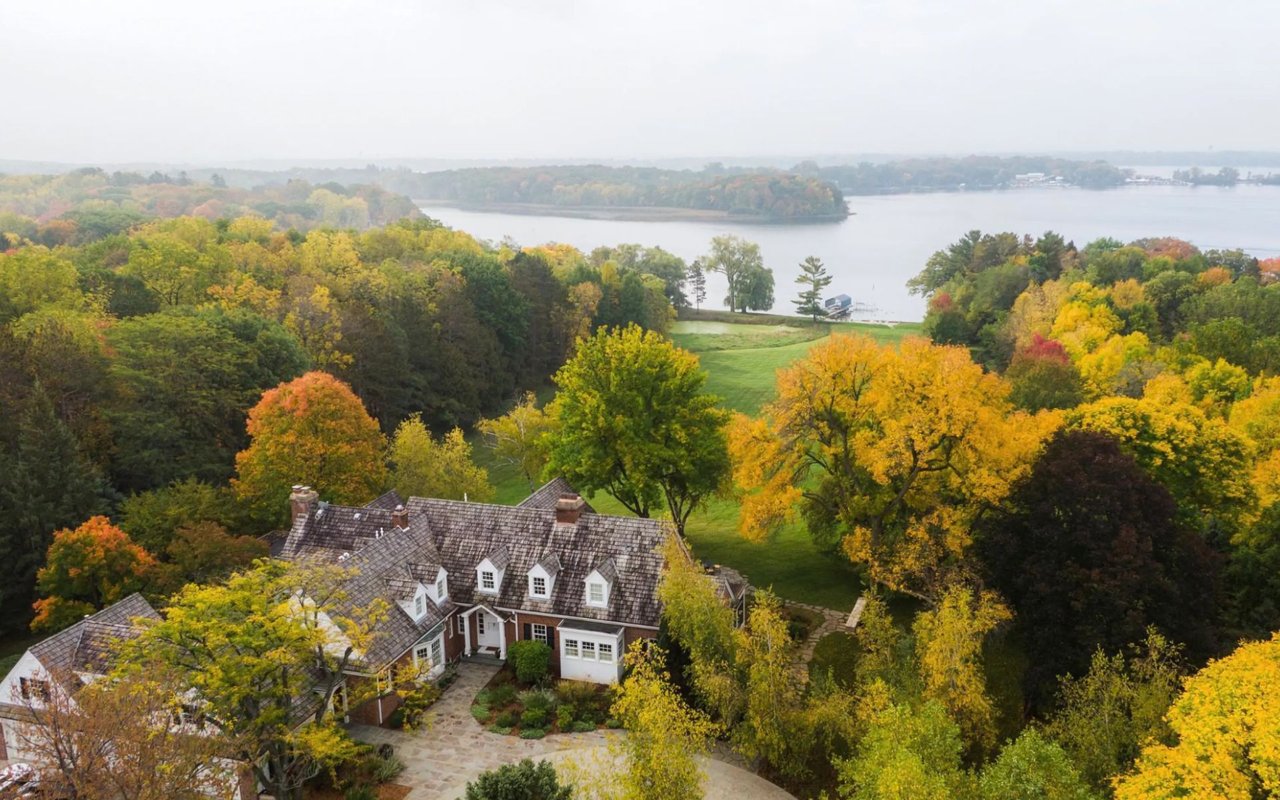
True private frontage in Wayzata typically commands multi‑million price tags. Buyers pay a premium for deep water, a private dock or boathouse, and protected views. High‑profile sales on Lake Minnetonka illustrate the upper tiers of the market and the value of marquee shoreline (upper‑tier lakefront examples). For valuation, track micro‑bay comparables rather than citywide medians to avoid noise from non‑waterfront sales (Wayzata Bay micro‑market view).
Docks and permits
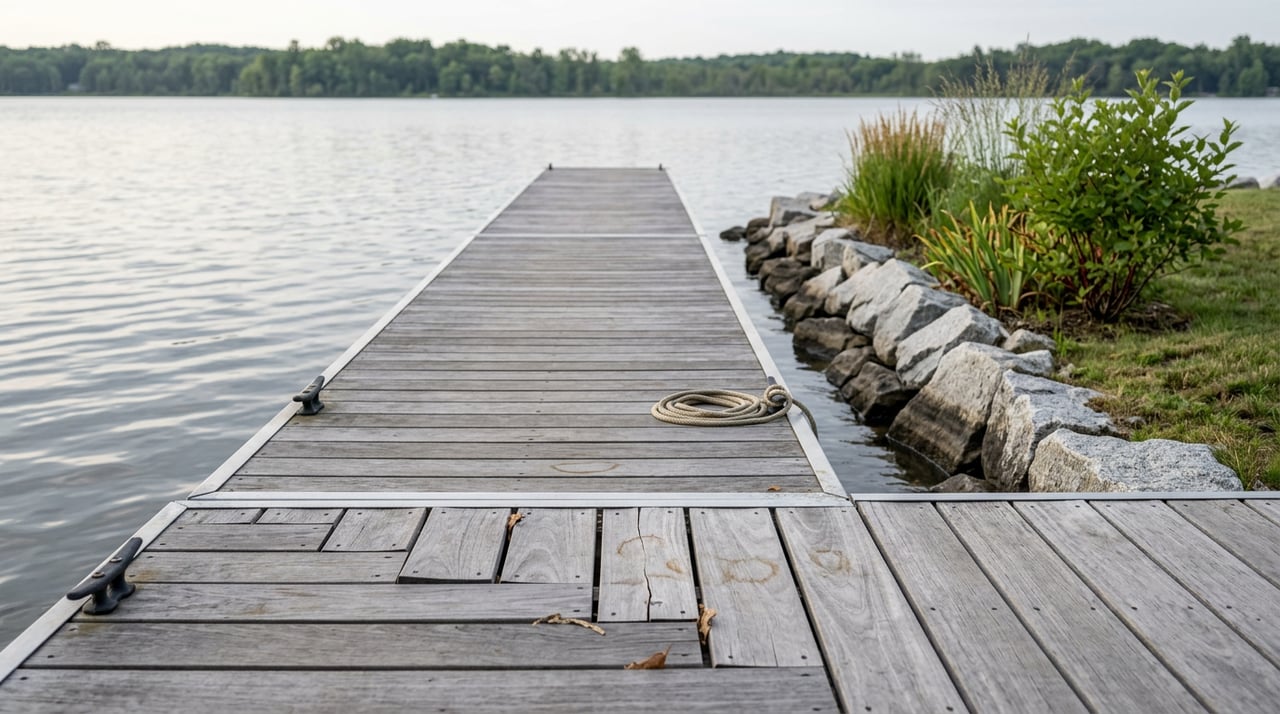
A private lake parcel often includes riparian rights, but your dock and watercraft capacity are not unlimited. The Lake Minnetonka Conservation District (LMCD) sets the Ordinary High Water elevation at 929.4 feet and commonly applies a one‑watercraft‑per‑50‑feet‑of‑shoreline guideline in typical situations. Larger counts, permanent structures, and certain storage scenarios can trigger licenses or permits. Review LMCD’s residential docks and structures guidance early and document prior approvals (LMCD dock and structure rules).
Maintenance and insurance
Shoreline property comes with its own maintenance rhythm: seasonal dock installation and removal, lift repairs, riprap or seawall upkeep, and erosion mitigation. Some work requires permits, and timelines can stretch during peak seasons. Flood insurance is property‑specific under FEMA’s Risk Rating 2.0, which prices policies by factors like elevation and distance to water. Two adjacent homes can see different premiums, so obtain quotes early if your lender requires coverage (how Risk Rating 2.0 shapes costs).
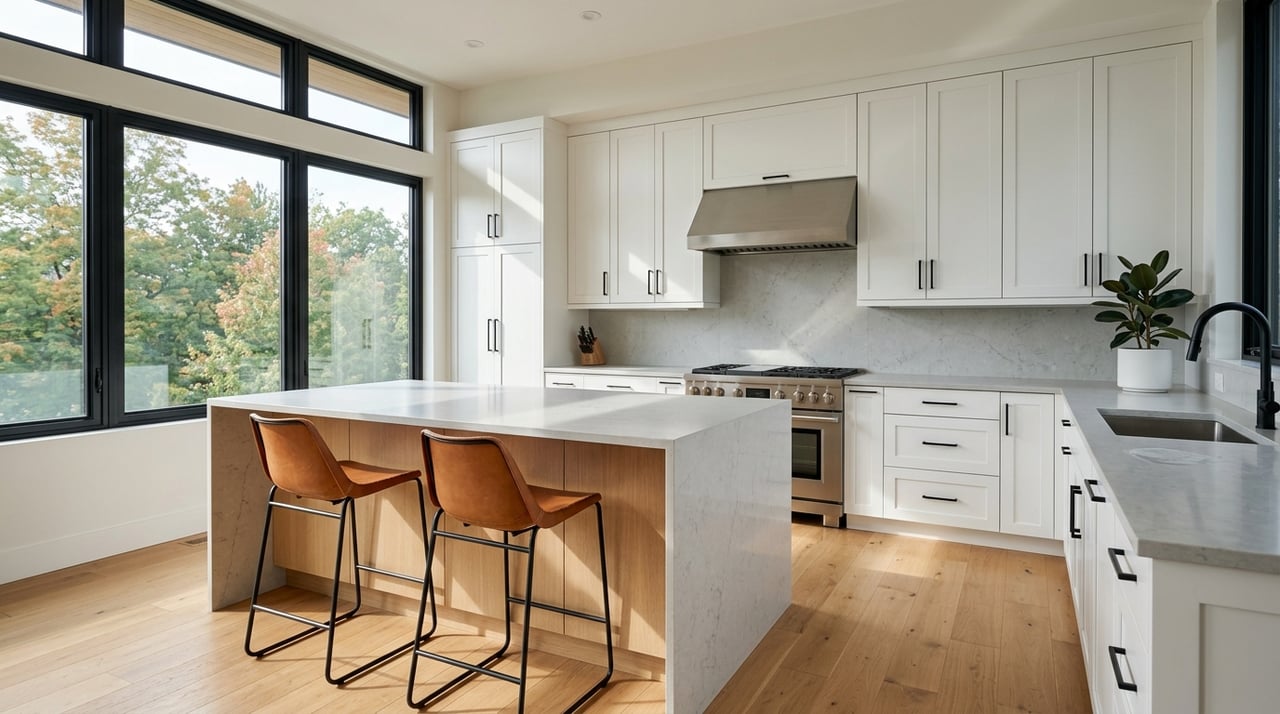
Design and build
You gain more freedom to remodel or rebuild, but shoreland overlays shape what is possible. Minnesota’s shoreland standards define setbacks, shore‑impact zones, and impervious coverage limits, which local ordinances implement. Before you plan additions, boathouse changes, or a new footprint, confirm feasibility with the City and reference the state standards (Minnesota shoreland rules, Ch. 6120).
Resale outlook
Scarcity supports long‑term value. There is a finite supply of private frontage, and desirable parcels tend to hold their market position over time. That said, the ultra‑high‑end lake segment can have a more specialized buyer pool and different time‑to‑sell dynamics. Local guidance recommends assembling permits, surveys, and shoreline documentation upfront to reduce appraisal and diligence friction (Wayzata market guidance for buyers and sellers).
Key rules on the lake
- Lake governance. The LMCD regulates docks, watercraft density, and many on‑water rules. The Minnehaha Creek Watershed District manages outflow at Gray’s Bay and broader watershed issues. The City of Wayzata enforces shoreland zoning and site permits.
- Municipal slips and Panoway. The City’s marina and dock updates expanded downtown access. If you plan to rely on a municipal slip, review eligibility and timing, and expect demand to outpace supply in some seasons.
- Shoreland limits. Setbacks, bluff protection, and coverage caps can affect additions, patios, and hardscape. For large projects, expect a multi‑agency review.
Your due diligence checklist
Use this checklist to compare options and avoid surprises.
- Define priorities. Decide if your must‑haves are a private dock, walkability, or low maintenance, then align financing with that plan.
- Verify boat access. Confirm deeded slip details for any property and understand City eligibility and waitlists for municipal slips.
- Call the LMCD. Confirm your dock footprint, the number of watercraft allowed by frontage, and whether prior work was permitted.
- Confirm shoreland constraints. Review local shoreland overlays and state standards. Obtain a current survey and any shoreline permits.
- Get flood and insurance quotes. Ask your insurer for parcel‑specific quotes and review lender requirements under Risk Rating 2.0.
- Review documents. For condos, obtain HOA governing documents, reserve studies, meeting minutes, and any dock policies. For lake homes, collect shoreline maintenance records and permits.
- Order tailored inspections. Add dock and lift reviews, shoreline and erosion evaluations, septic or well testing if applicable, and verify first‑floor elevation.
- Review taxes and assessments. Factor Hennepin County property taxes and assessment timelines into your carrying costs (Hennepin County property tax process).
How TSRE Group helps
Choosing between a luxury condo and a lake home is a lifestyle and design decision as much as a market one. As a boutique, design‑forward team based in Wayzata, we help you weigh daily life, ownership control, and long‑term value. If a condo is right, we clarify HOA strength, slip strategies, and resale drivers so you buy into the right building. If a lake home is right, our design literacy helps you evaluate shoreline feasibility, future renovations, and value‑add projects with confidence.
With in‑house Turnquist Design and Compass‑powered marketing, we can map a plan from acquisition through renovation and future sale, or help you secure a turnkey property that already fits your life. When you are ready, connect with the team at Turnquist Spilseth Real Estate Group to explore on‑ and off‑market options.
FAQs
How much are HOA fees for luxury condos in Wayzata?
- Many high‑end buildings show monthly fees around 400 to 1,000+ dollars, depending on amenities and services. Always review budgets, reserves, and any planned assessments.
Do Wayzata condos usually include a boat slip?
- Rarely. Unless a development was built with deeded slips or has a defined allocation policy, most owners rely on municipal or transient docking. Verify any slip details in writing before you offer.
What dock rules apply to a Lake Minnetonka home?
- The LMCD sets the OHW elevation and commonly applies a one‑watercraft‑per‑50‑feet‑of‑shoreline guideline in typical cases. Many dock or structure changes need permits, so confirm what is allowed early.
How do lakefront maintenance costs compare with a condo?
- Lake homes carry dock, lift, and shoreline upkeep, plus seasonal and weather‑related exposure. Condos bundle many exterior costs into HOA fees. Your budget depends on shoreline conditions and building amenities.
Will I need flood insurance for a lake home in Wayzata?
- Your lender may require it if the parcel lies in a Special Flood Hazard Area, and premiums vary by property under Risk Rating 2.0. Get quotes early in due diligence.
How does resale differ between condos and lake homes in Wayzata?
- Condos often draw a larger buyer pool focused on convenience, while true lakefront is scarce and specialized. Both can sell well when documented and positioned with permits, surveys, and shoreline records ready.