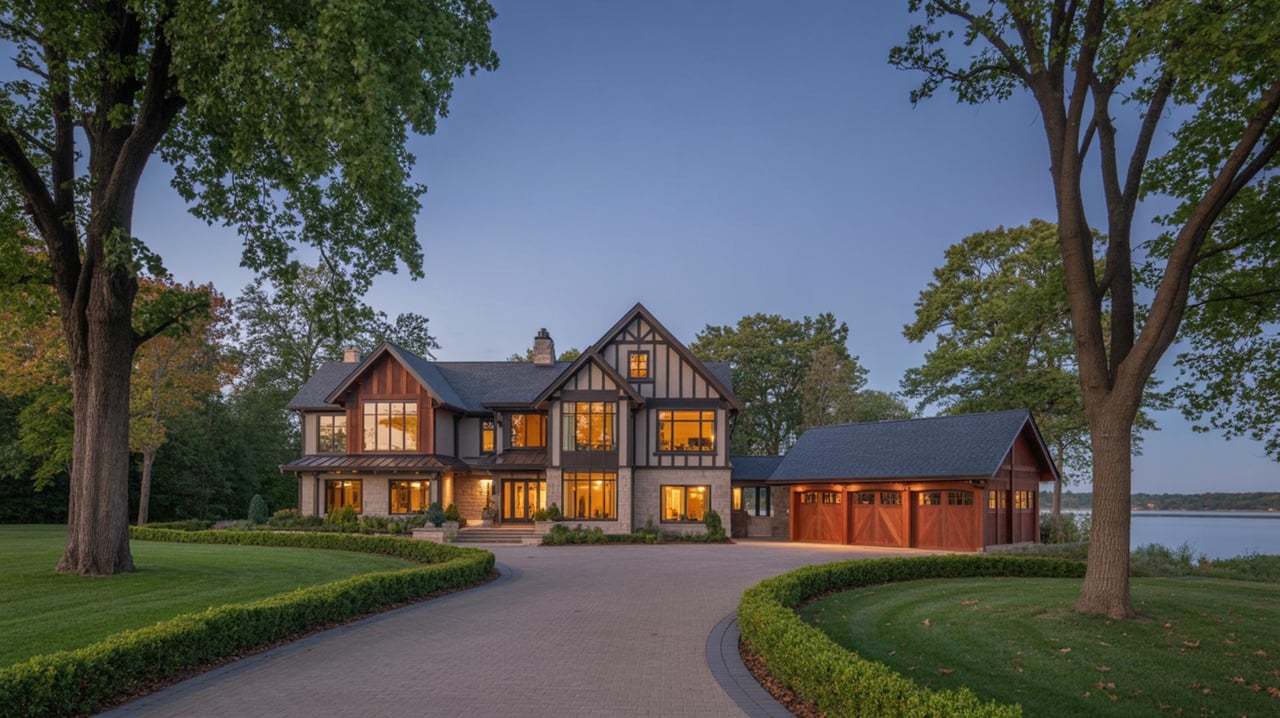
What makes one Wayzata lakefront home sell for seven figures more than another that looks similar on paper? If you have heard conflicting opinions on frontage, dock depth, or sunset views, you are not alone. Pricing lakefront property is different from pricing a typical suburban home. In this guide, you will get a clear framework for value on Wayzata’s stretch of Lake Minnetonka and practical steps to price or evaluate a property with confidence. Let’s dive in.
Wayzata lakefront pricing basics
Lakefront value is driven by the land first, then the improvements. You will want to gather high-quality local data before you set a number. Start with parcel details like legal shoreline length, usable frontage, lot area, and any easements. Pair that with recent sales on the same bay and with similar dock setups.
As you gather facts, use trusted local sources. The City of Wayzata site helps you understand zoning, shoreline, and permit rules that shape rebuild potential. The Lake Minnetonka Conservation District publishes lakewide rules for docks and mooring, while the Minnesota DNR’s LakeFinder shows multi-year clarity and water-quality trends by lake and bay. FEMA’s Flood Map Service Center helps you check flood zones that can affect insurance costs.
- Review zoning and shoreline basics on the City of Wayzata site.
- Confirm dock rules and permitting through the Lake Minnetonka Conservation District.
- Check water clarity and phosphorus trends using the MN DNR LakeFinder.
- Verify flood designations at the FEMA Flood Map Service Center.
The value drivers on Lake Minnetonka
Frontage
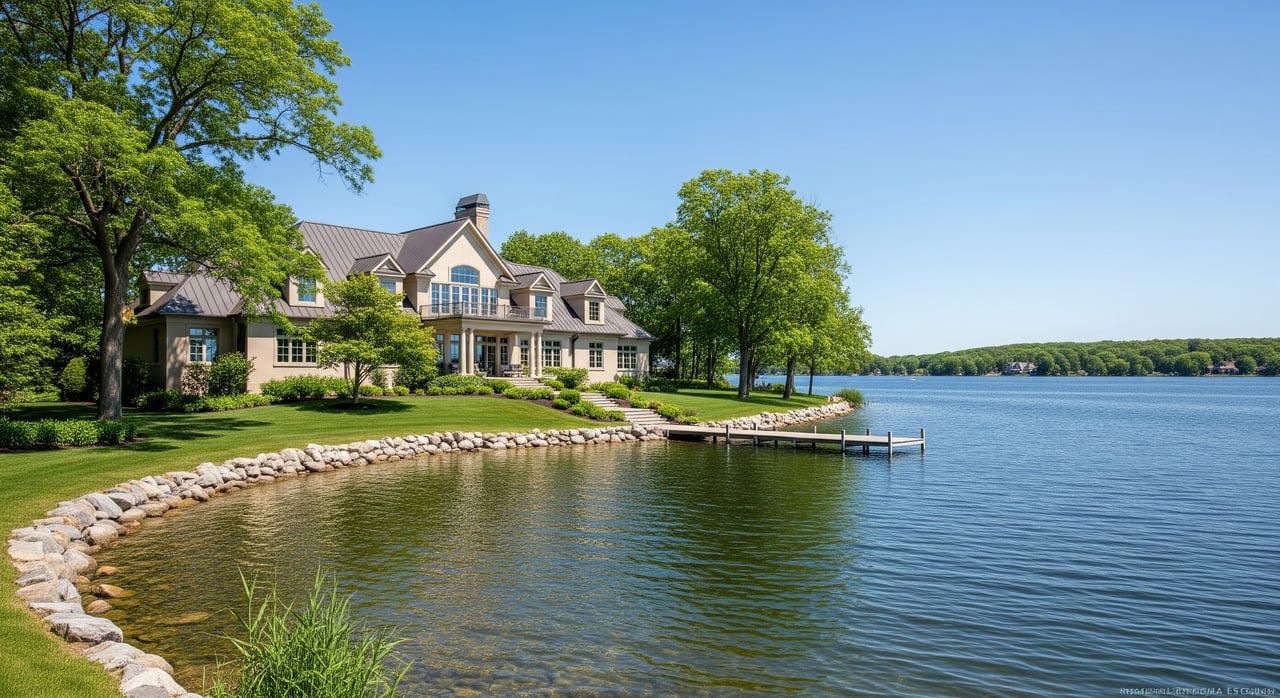
Frontage is one of the strongest price drivers because it controls private access, view width, and dock location options. Buyers often think in price-per-front-foot, but the effect is not perfectly linear. The marginal value of each additional foot can drop on very large lots and varies by bay.
- Measure legal shoreline length and estimate usable frontage. Steep bluffs, rock, or dense vegetation can reduce utility.
- Adjust for corners or peninsulas. Consolidated, continuous frontage often commands a premium per foot.
Water quality
Water clarity and nuisance vegetation influence both enjoyment and long-term appeal. Clearer water and fewer algal blooms tend to support stronger pricing. Look at trends over several seasons instead of a single summer snapshot.
- Use Secchi depth and phosphorus levels to compare bays on Lake Minnetonka via the MN DNR LakeFinder.
- Consider invasive species presence and density when assessing recreation value and future maintenance.
Bay desirability
Not all shoreline in Wayzata is equal. Some locations are sheltered and calm, while others see larger wakes and more traffic. Proximity to downtown Wayzata adds lifestyle value for dining, shopping, and marina access.
- Account for exposure and fetch, boat-traffic intensity, and scenic character.
- Apply premiums for calm, sheltered water and quick access to favored boating corridors.
- Apply discounts for adjacency to busy channels or commercial traffic where appropriate.
Orientation
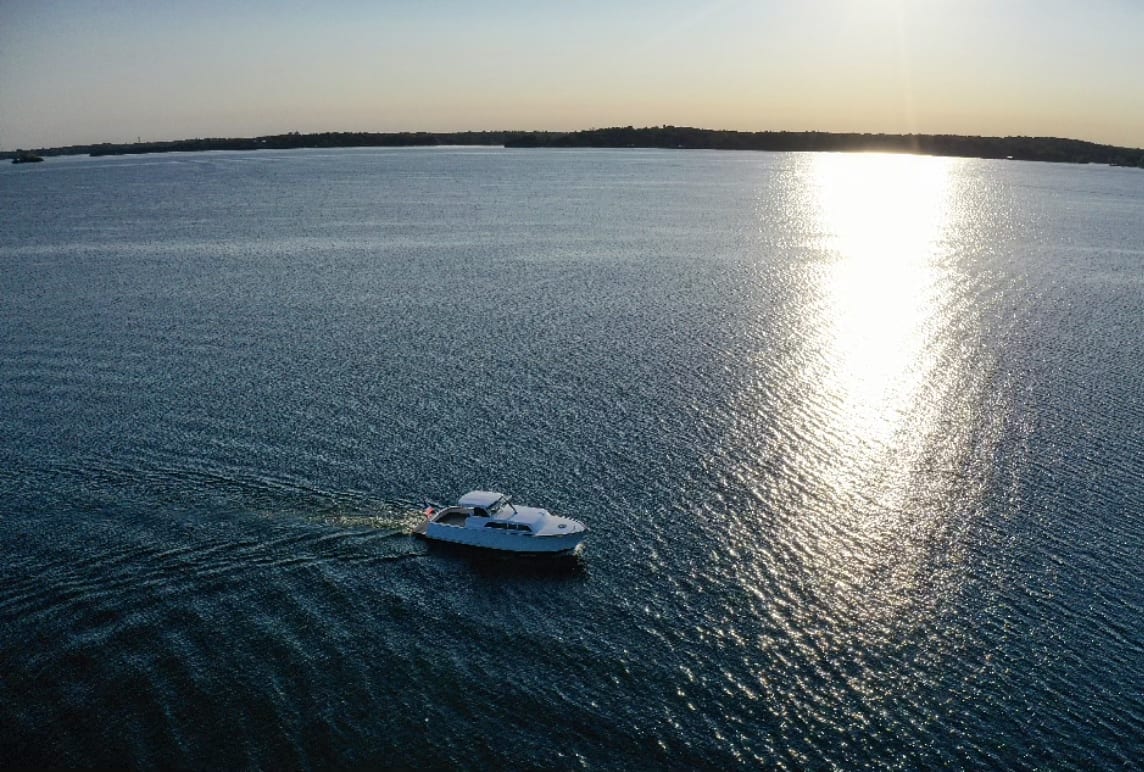
Orientation shapes views, light, wind, and wave exposure. West-facing lots are popular for sunset views and late-day light. South-facing lots receive more sun across seasons, which can be an advantage for outdoor living.
- Note the primary view bearing, typical sun paths, and prevailing winds.
- Consider wave exposure and the likely maintenance burden for docks on open-water sites.
Dockage
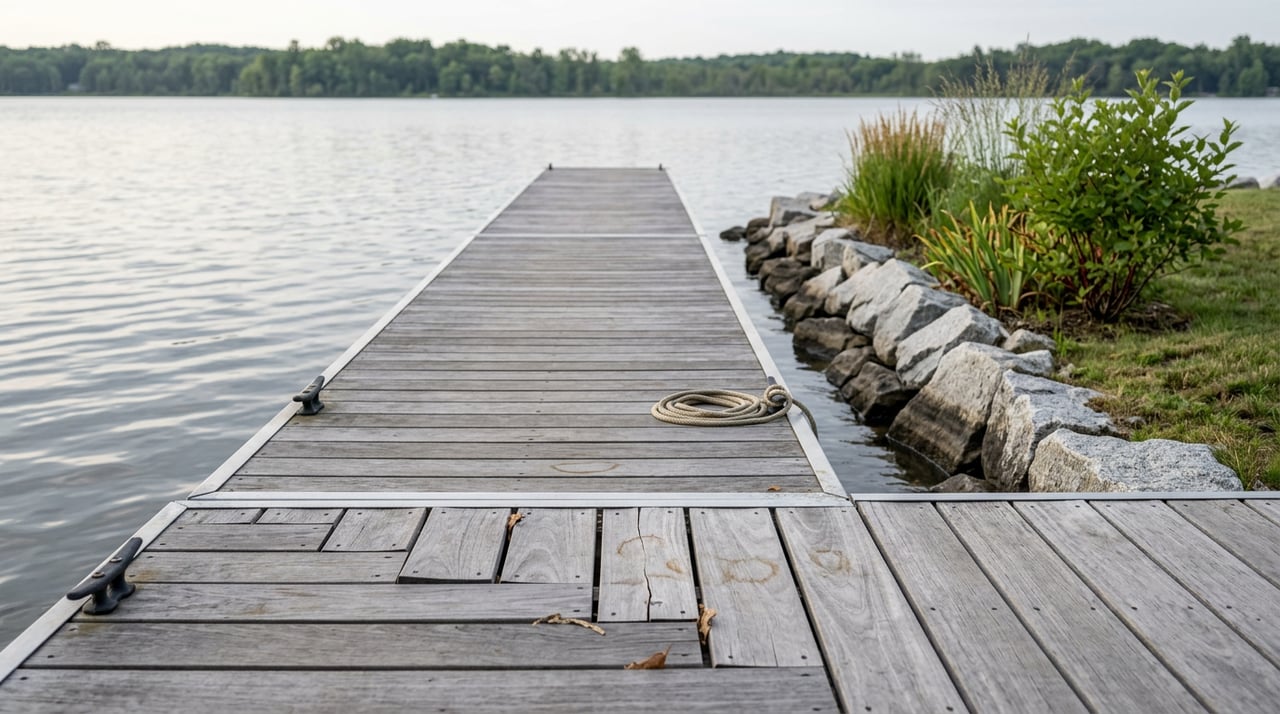
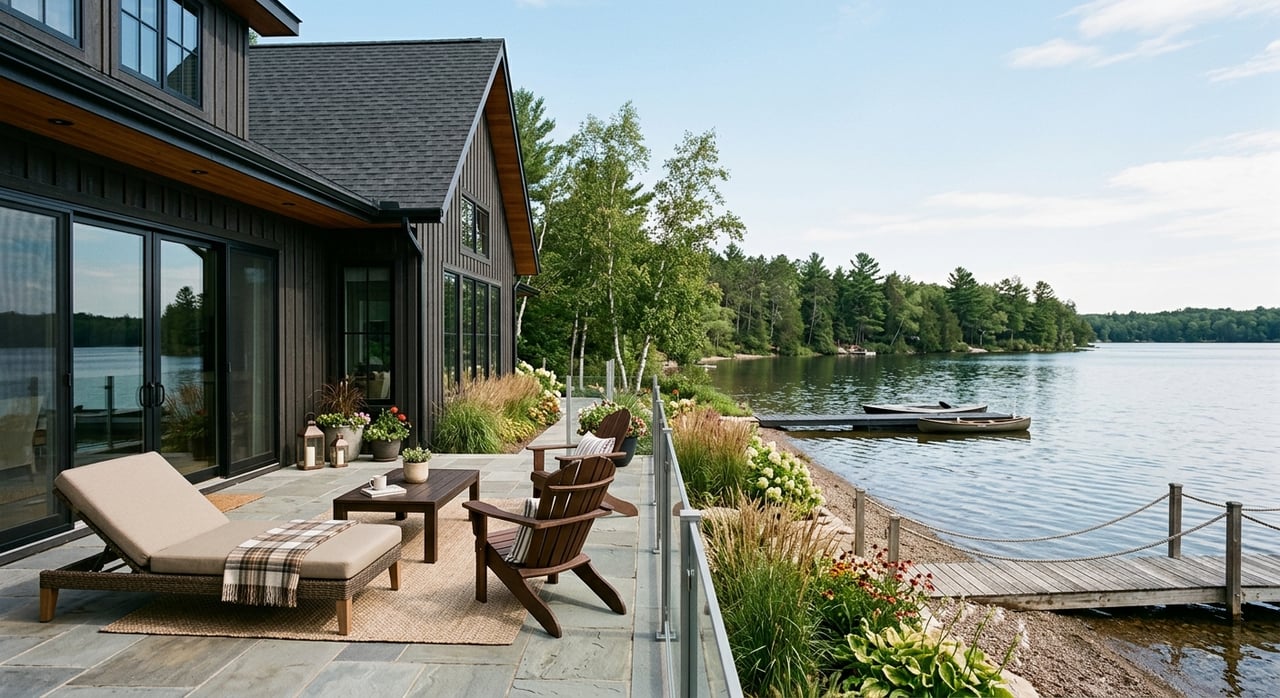
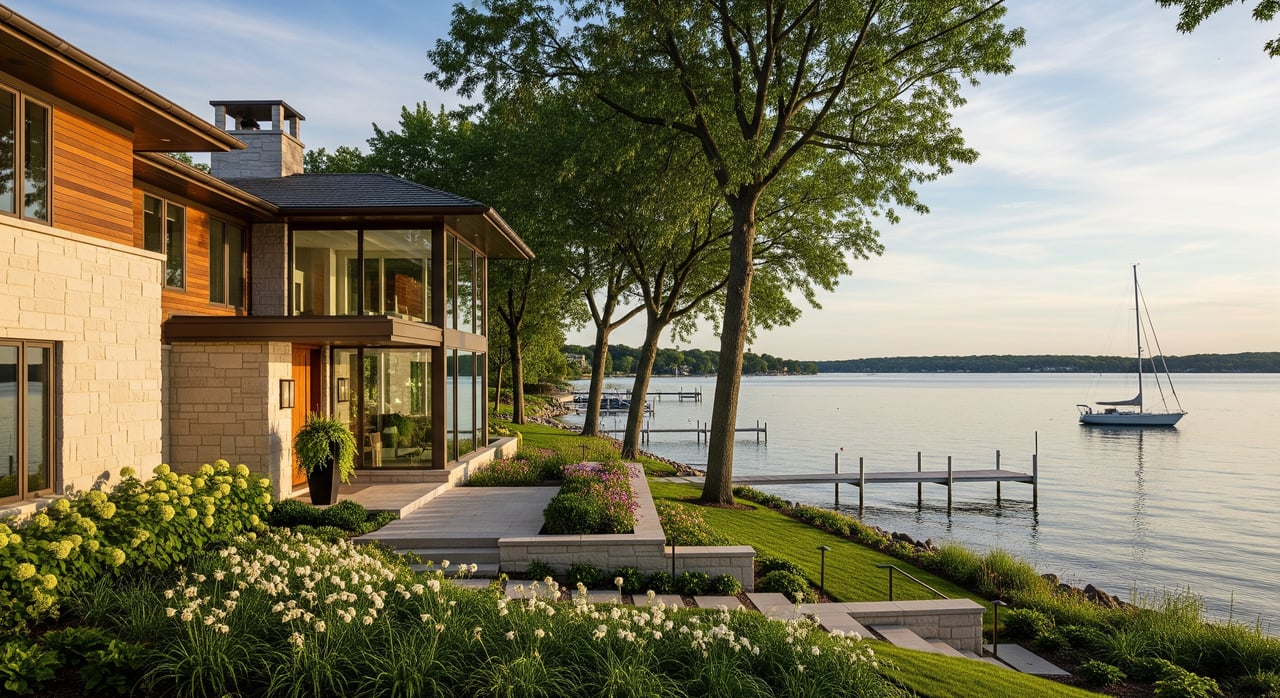
Dock utility, legality, and water depth have a major impact on lake enjoyment and price. A permitted, deep-water private dock with proper lifts is a significant positive. If a structure is nonconforming or at risk of limited replacement, that can affect value.
- Verify permitted size and type through the LMCD and City.
- Measure water depth at mean low water and proximity to navigable channels.
- Include replacement cost of existing docks or boathouses when making adjustments.
Design and condition
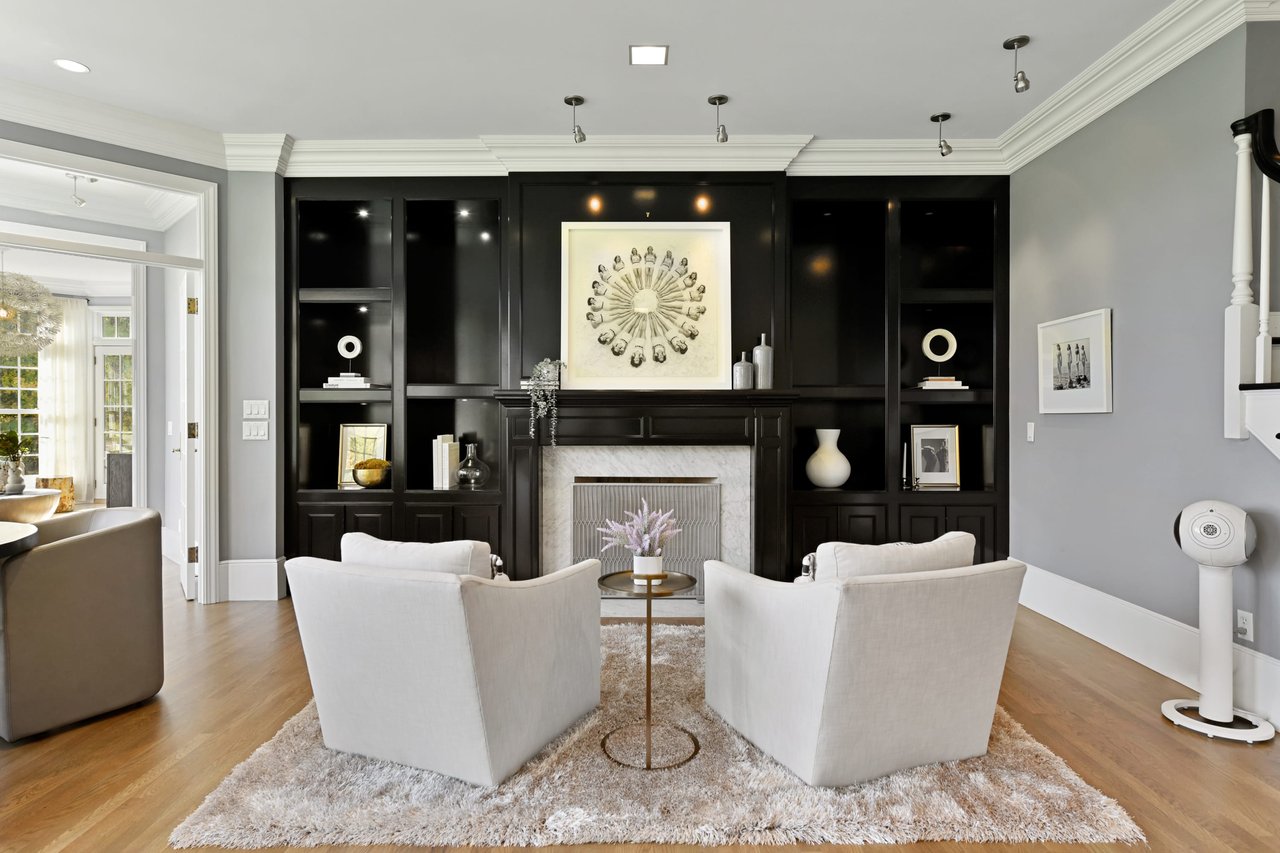
Architecture, layout, and condition affect buyer demand and time on market. Lake homes that frame the view, connect indoor and outdoor living, and show recent capital improvements typically achieve stronger results.
- Track effective age, renovation history, and major systems like roofs and mechanicals.
- Inspect shoreline improvements such as stairs, retaining walls, and riprap.
- Make line-item adjustments for deferred maintenance or specialty repairs on bluff or high-exposure sites.
Methods to price your Wayzata lakefront home
Comparable-sales approach
Start with recent waterfront sales on the same or similar bays. Filter by frontage range, orientation, and dock type. In an active market, use 12 to 24 months of data and time-adjust as needed. Be ready to make measured adjustments for differences in frontage utility, water clarity, and dock depth.
Price per front foot
Calculate a per-foot figure from recent, truly comparable sales, then adjust up or down for usability, orientation, and dock quality. This method is simple and useful for quick calibration, but it does not capture interior quality, lot depth, or unique shoreline features.
Statistical modeling
If you have a larger dataset across Lake Minnetonka, regression can estimate the marginal value of frontage, a dock, orientation, and more. This helps you justify adjustments in a data-smart way. It works best when variables such as dock presence, boathouse, and water depth are consistently coded.
Cost and income approaches
When comps are scarce or a home is new, combine an estimate of land value with the replacement cost of improvements minus depreciation. The income approach is not common for primary residences, but it can be relevant if a property is structured for rental income.
Documenting your adjustments
Keep your rationale clear and measurable. Use survey-confirmed frontage, dock depth in feet, multi-year Secchi readings, exposure or fetch indicators, and contractor quotes for shoreline or dock work. In premium micro-markets with small sample sizes, transparency builds trust.
Regulatory and due-diligence items that affect value
Permits and dock rules
Docks and moorings on Lake Minnetonka are regulated by the LMCD, and the City of Wayzata may require local permits for shoreline work and construction. Older structures may be grandfathered but limited in rebuild scope. Confirm status before you price or write an offer.
Environmental and shoreline stabilization
State and local shoreland rules limit vegetation removal and bluff alteration. Restoration work to meet current requirements can be a meaningful cost. Factor invasive species management into long-term ownership planning.
Inspections and surveys
Order a structural inspection, a marine contractor’s dock assessment, and a shoreline or erosion review for bluff lots. Confirm legal frontage, riparian boundaries, and setbacks with a current survey. These steps protect value and reveal hidden costs.
Insurance, taxes, and assessments
Waterfront properties can carry different insurance needs. Check FEMA flood maps for any insurance requirements and review property taxes and potential special assessments that affect carrying costs.
Seller pricing checklist
- Compile precise measurements: legal and usable frontage, lot area, setbacks, and a current survey.
- Gather permits, as-built dock or boathouse drawings, and shoreline work records.
- Get contractor estimates for dock or shoreline replacement and for major systems.
- Pull comps by bay and dock type; prepare both adjusted comps and per-front-foot ranges.
- Refresh shoreline presentation with safe, clear paths and tidy plantings to highlight usable frontage.
Buyer evaluation checklist
- Verify dock and boathouse status with the LMCD and the City of Wayzata.
- Order a marine and dock inspection plus a shoreline or erosion assessment.
- Review multi-year clarity trends for the relevant bay using MN DNR LakeFinder.
- Confirm parcel boundaries and frontage via survey and identify any easements.
- Budget for insurance, seasonal maintenance, and potential shoreline work.
How TSRE Group helps you price with confidence
You deserve a pricing process that is both artful and measurable. As a boutique, design-forward team based in Wayzata, we pair deep Lake Minnetonka expertise with construction literacy and premium marketing. For sellers, we position the land, the architecture, and the lifestyle with design-forward presentation and Compass-powered exposure. For buyers, we stress-test value using frontage and dock analysis, multi-year water-quality trends, and real replacement costs.
When the right improvements can unlock a higher sale, our in-house Turnquist Design and Compass Concierge can help you plan, execute, and present upgrades that matter. When a home already shines, we showcase it with local authority and national reach. If you want a data-smart, design-led strategy for your Wayzata lakefront move, we are ready to help.
Ready to make a smart move on Lake Minnetonka? Start a conversation with the Turnquist Spilseth Real Estate Group.
FAQs
How do I start pricing a Wayzata lakefront home?
- Begin with a survey-confirmed frontage measurement, dock depth in feet, and 12 to 24 months of sales on the same bay, then adjust for orientation, water quality, and dock utility.
What is each foot of frontage worth in Wayzata?
- There is no single number; the value per foot varies by bay, usable frontage, water depth, and demand, so use localized comps and adjust for dockability and view.
Do sunset views add value on Lake Minnetonka?
- West-facing orientation often commands a premium for sunsets and late-day light, but you should balance that against wave exposure and maintenance needs.
How important is water clarity to pricing?
- Very important; use multi-year Secchi and phosphorus trends from the MN DNR to understand long-term desirability rather than relying on one season.
How do dock rules affect market value?
- A permitted, deep-water private dock is a strong positive, while nonconforming or unpermitted structures create uncertainty and potential replacement costs that can reduce value.