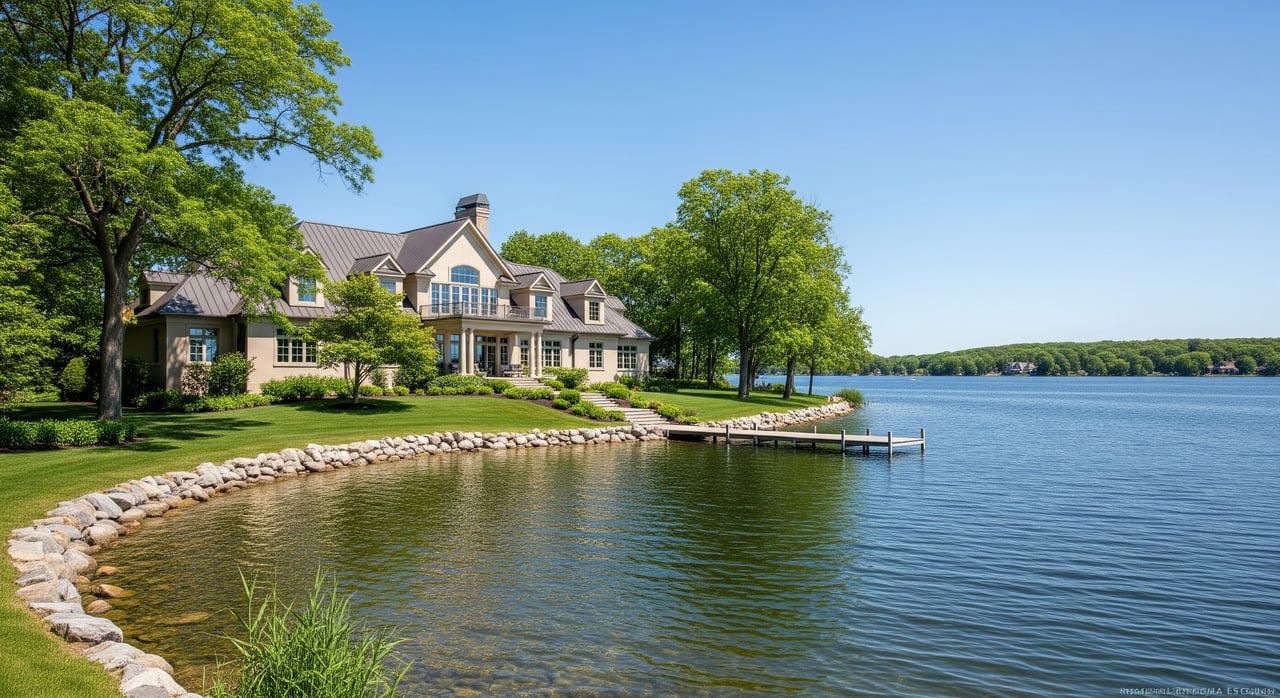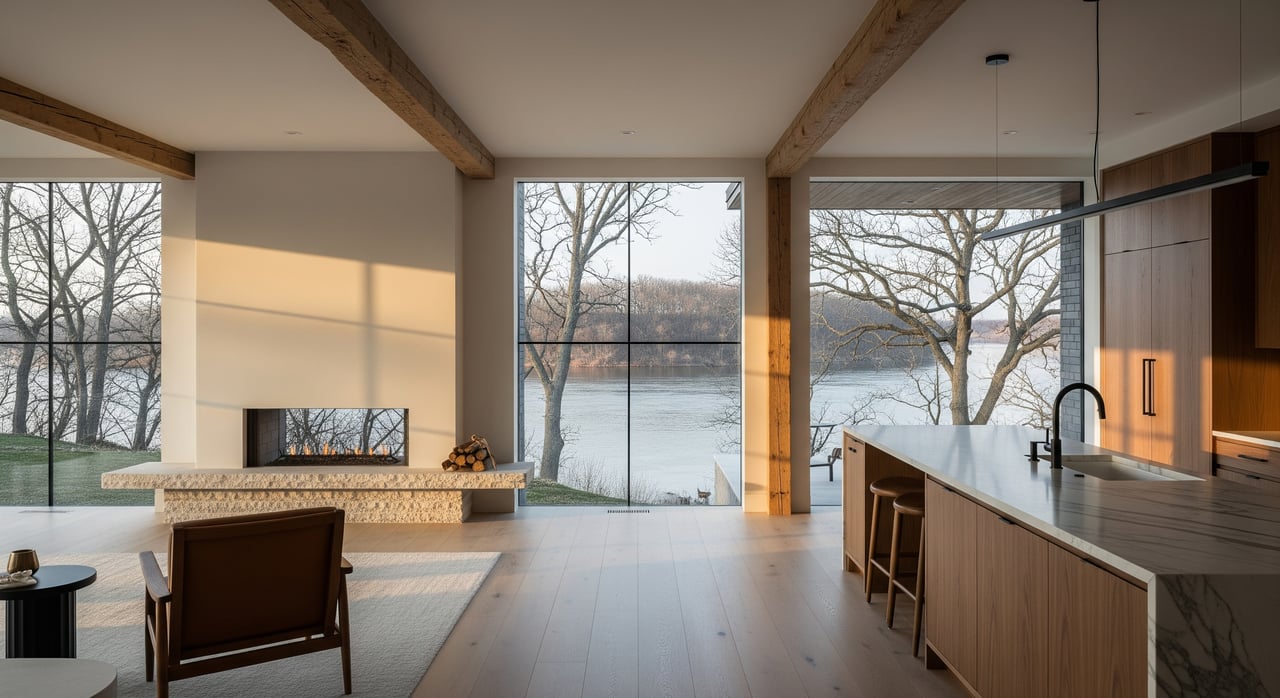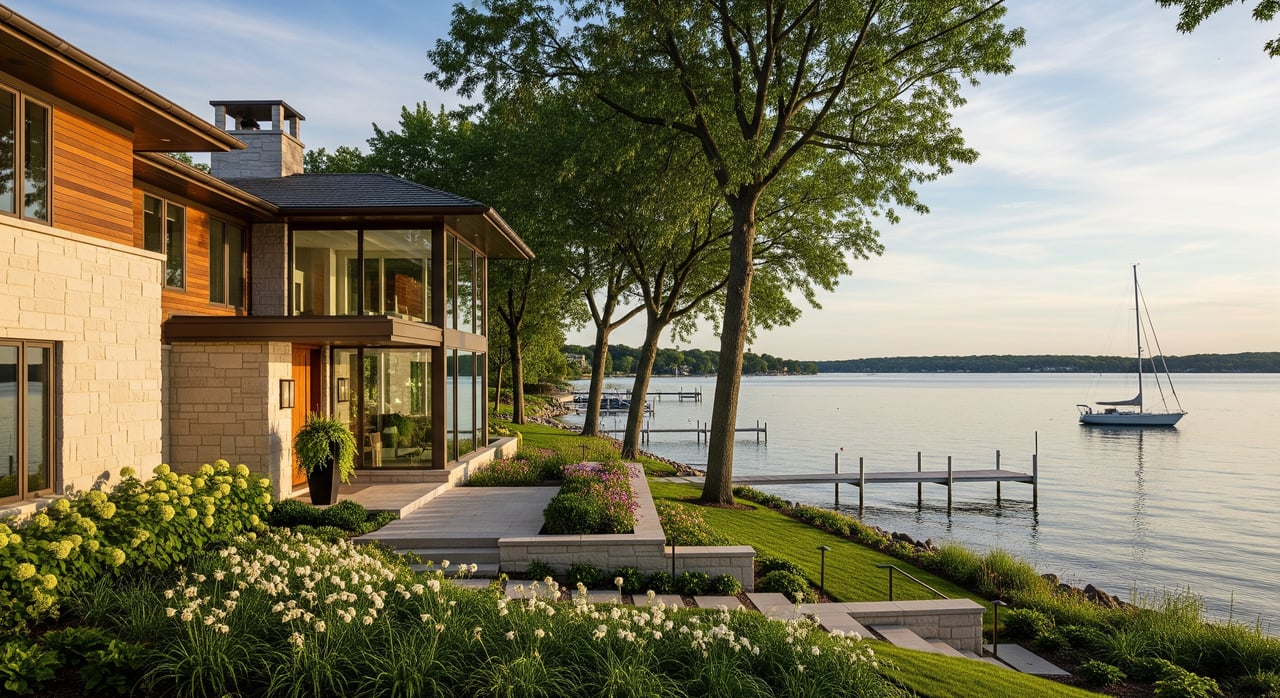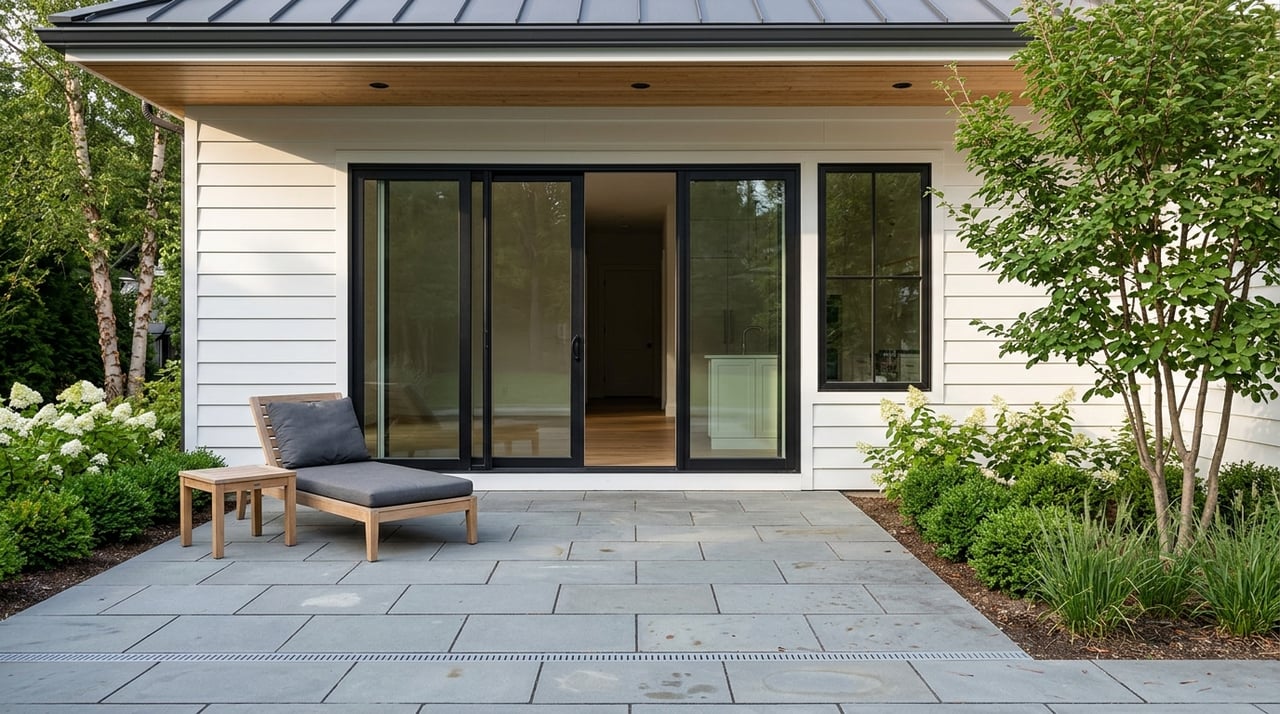
Selling a luxury home on or near Lake Minnetonka is not the same as selling a typical property in Hennepin County. Shoreline, dock use, privacy, water access, and presentation all influence value in ways broad county data cannot capture. If you want to protect your price and avoid delays, you need a plan that starts well before your home goes live. Let’s dive in.
Understand the Lake Minnetonka luxury market
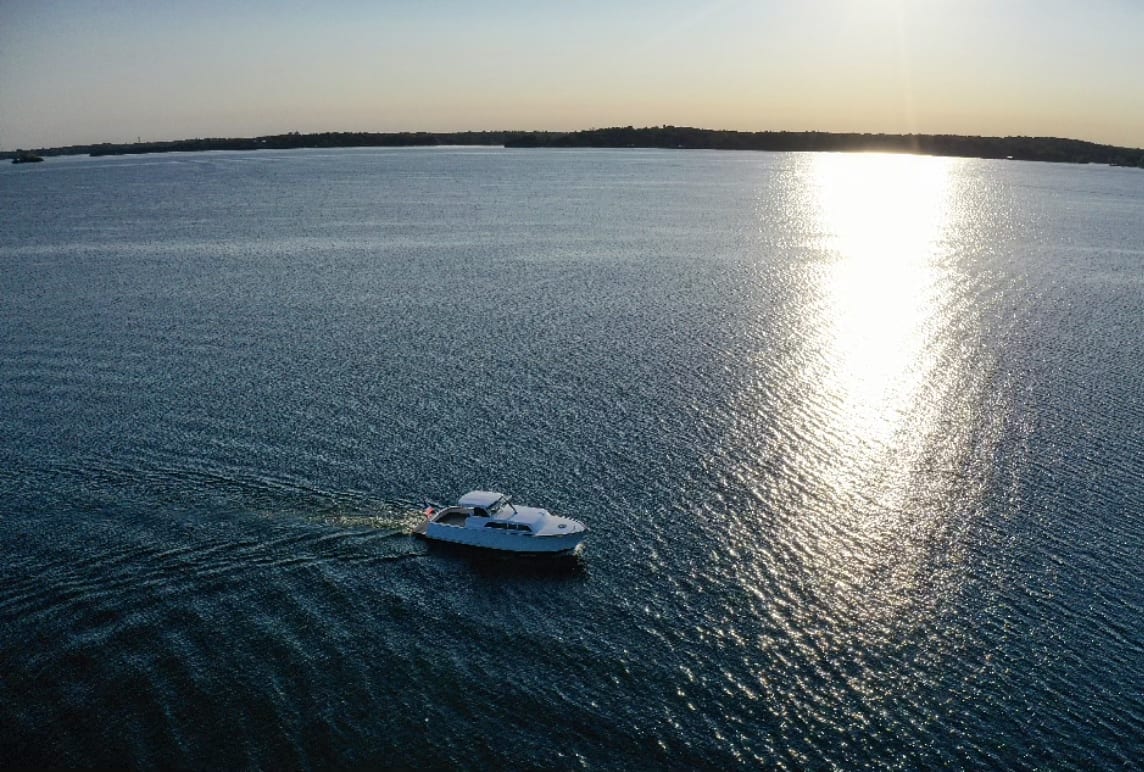
If your property is in the Glen Lake area and tied to the Lake Minnetonka lifestyle, it helps to think in terms of the lake’s submarkets instead of a general county snapshot. According to Realtor.com’s Lake Minnetonka market overview, the lake spans 14,528 acres, 37 bays, 31 channels, and more than 120 miles of shoreline. That scale creates meaningful differences in pricing and buyer demand from one section of the lake to another.
Pricing also looks very different from the broader market. The same report noted a median list price around Lake Minnetonka of $1.2 million, compared with $446,000 in the broader Minneapolis metro. In Realtor.com’s October 2025 luxury report, Minneapolis high-end pricing began around $1.55 million, with ultra-luxury around $3.48 million, which gives you a practical benchmark for what many local buyers consider luxury.
Local shoreline communities also vary widely. The Minneapolis Area REALTORS® 2024 annual housing report showed median sale prices of $2.29 million in Minnetonka Beach, $1.90 million in Tonka Bay, $1.14 million in Orono, $1.09 million in Wayzata, $1.0 million in Deephaven, and $840,000 in Excelsior. That is why your pricing strategy should start with your immediate shoreline and access profile, not Hennepin County’s overall median.
Step 1: Price from shoreline comps
The biggest pricing mistake luxury sellers make is using broad county averages to value a lake property. Hennepin County’s February 2026 local market update showed a rolling median sales price of $400,000 and 2.0 months of inventory, but that baseline is not a substitute for true lakefront comparables. A luxury home tied to Lake Minnetonka should be evaluated by factors like direct frontage, deeded access, bay location, orientation, privacy, and dock utility.
That matters because Lake Minnetonka includes everything from condos and deeded-access homes to large shoreline estates. As Realtor.com’s lake report makes clear, access and frontage are major value drivers. If your home has unique shoreline features or a particularly functional dock setup, those details need to be reflected in both pricing and marketing.
A strong pricing conversation should answer a few simple questions:
- How does your shoreline compare with similar recent sales?
- Is your access direct frontage or deeded access?
- How usable is the dock area for typical lake activity?
- How much privacy, orientation, and view protection does the site offer?
- How does your town or submarket compare with nearby lake communities?
Step 2: Prepare the property inside and out
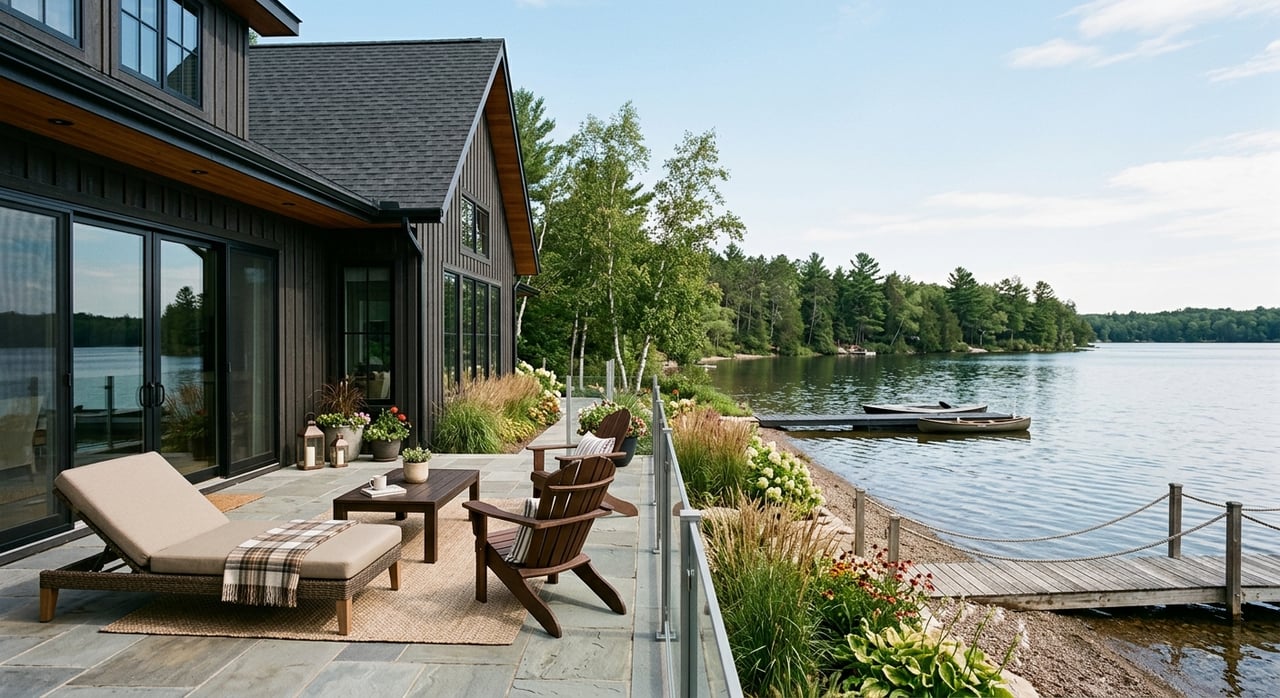
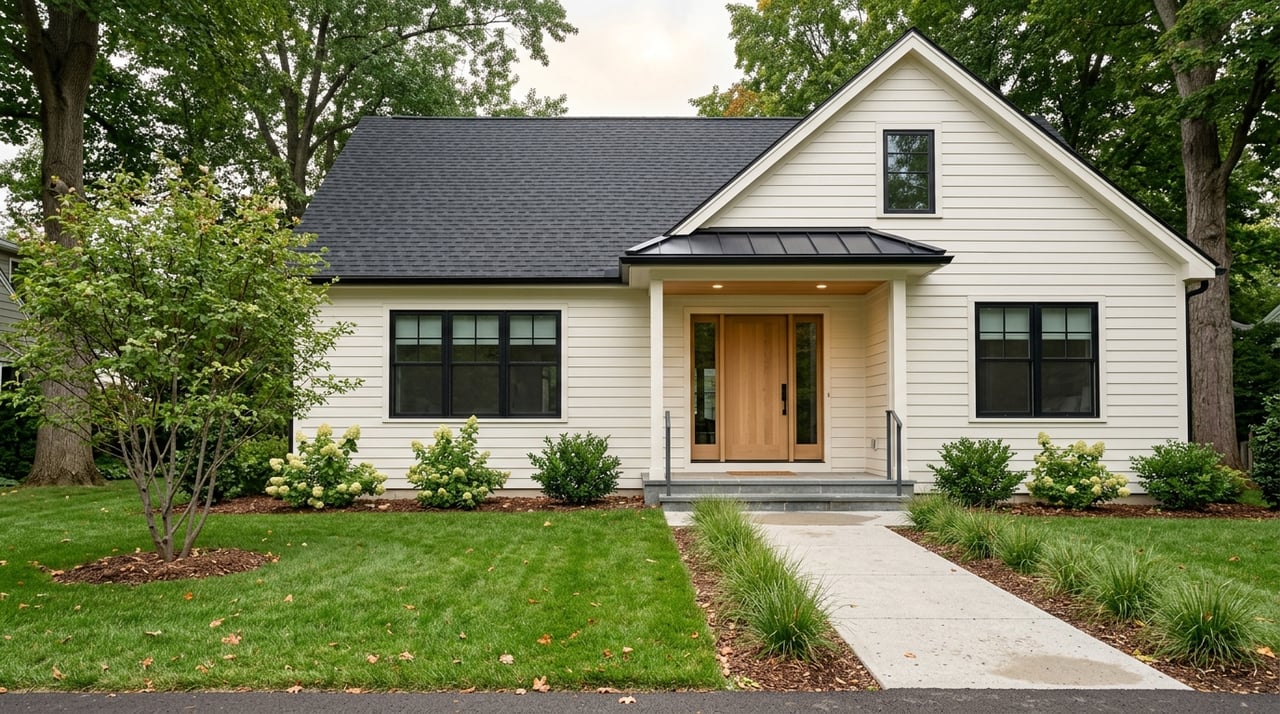
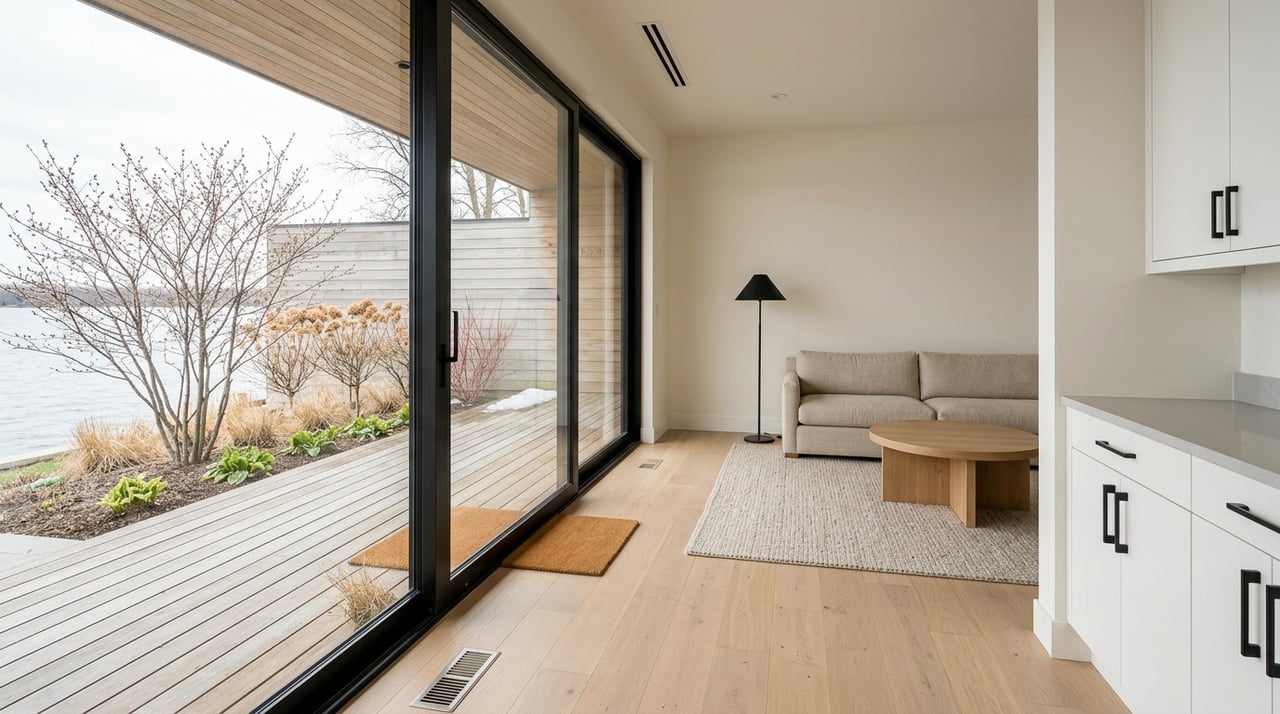
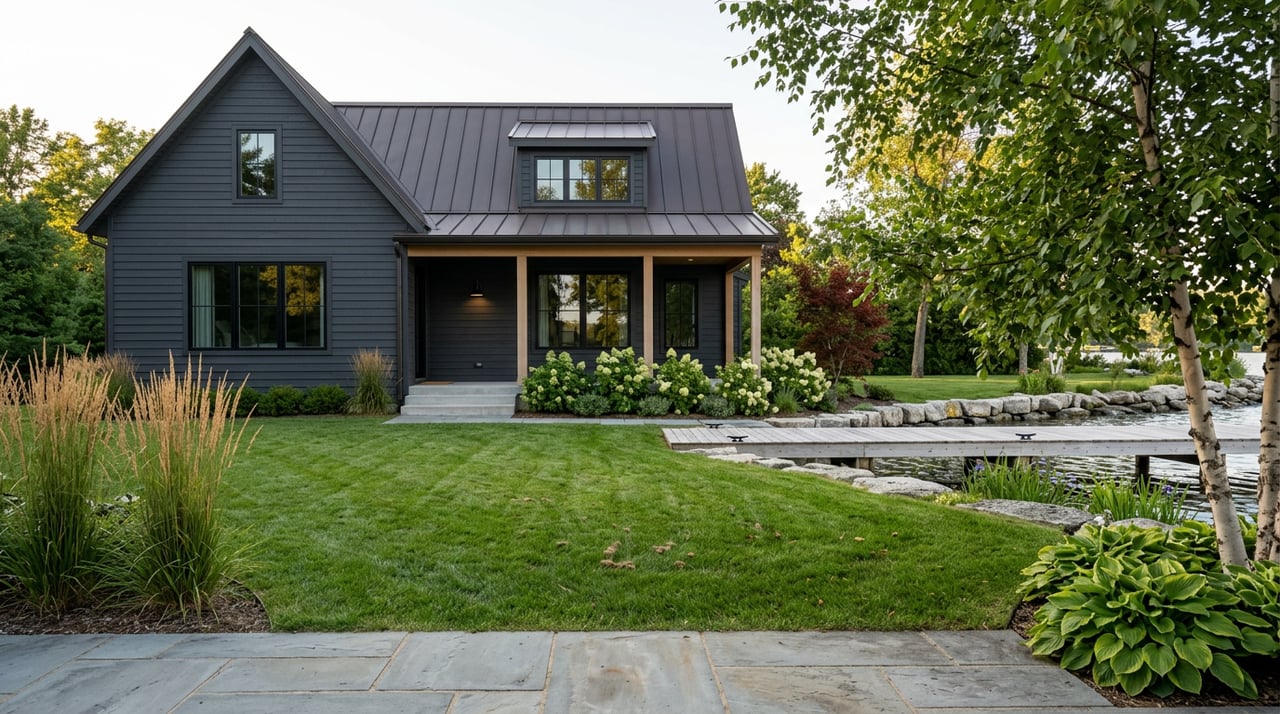
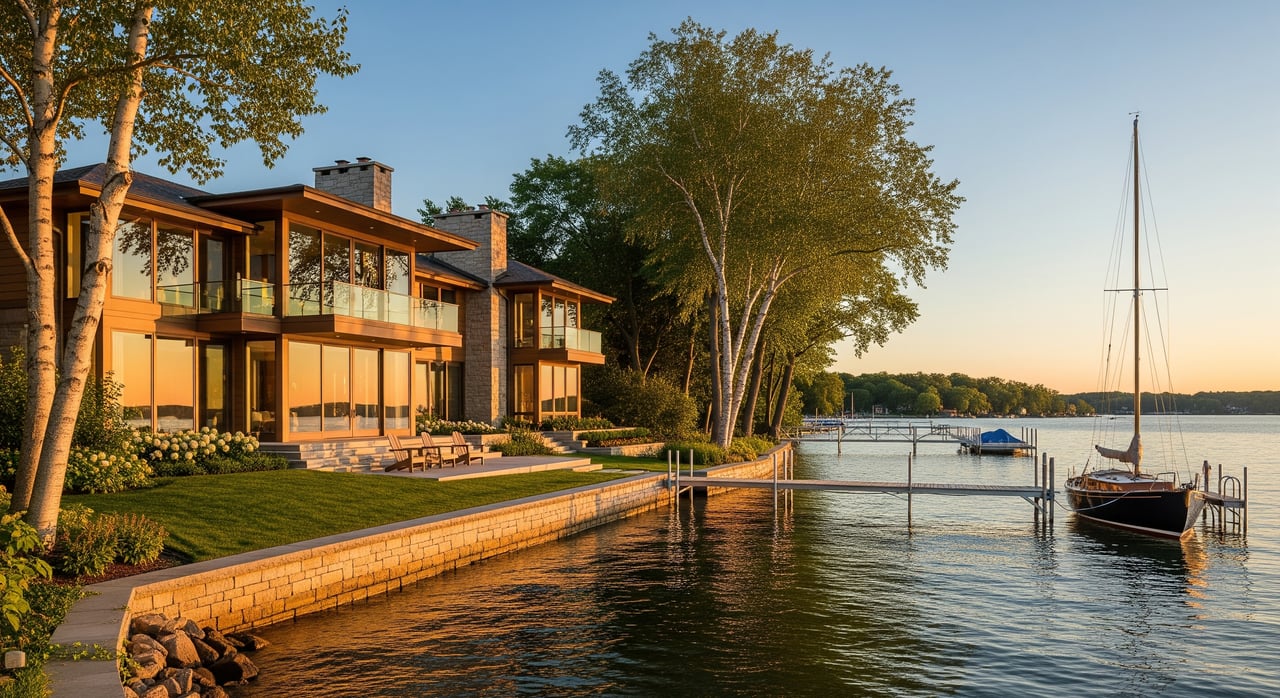
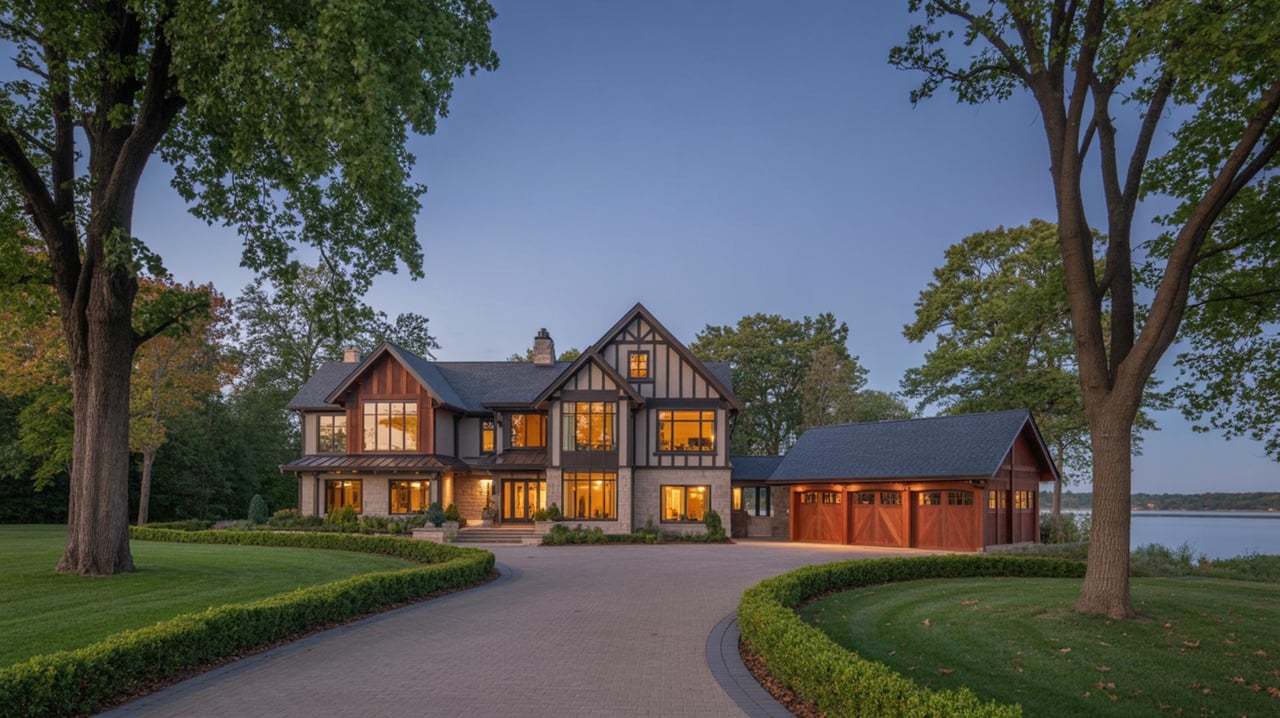
Luxury buyers notice more than countertops and paint colors. On Lake Minnetonka, the outside of the property often carries just as much weight as the interior. Shoreline condition, dock presentation, access to the water, landscaping, and the first impression from both street side and lakeside all shape buyer perception.
The Minnesota DNR says the most important shoreline action is to maintain or restore natural vegetation, and it notes that local governments may set more protective standards. You can review that guidance in the DNR’s shoreland property owner resource. The Lake Minnetonka Conservation District also encourages shoreline buffers and phosphorus-free fertilizer to help protect water quality.
That means pre-listing improvements should be thoughtful and low-impact. Instead of overworking the shoreline, focus on clean, intentional maintenance that supports the property’s lake setting. A polished approach usually includes:
- Tidying dock and lift areas
- Refreshing landscaping without creating runoff issues
- Preserving or restoring natural shoreline vegetation where appropriate
- Cleaning paths, patios, and lakeside gathering spaces
- Making water access feel easy, safe, and visually appealing
If your home would benefit from cosmetic updates, the best improvements are the ones that support presentation without creating last-minute permit questions. On lake properties, design decisions should respect both the home’s architecture and the shoreline environment.
Step 3: Verify docks and shoreline details early
One of the most important parts of selling a luxury lake home happens before buyers ever schedule a showing. You should verify the status of docks, lifts, mooring areas, and any shoreline work early in the process.
According to the Lake Minnetonka Conservation District, docks, structures, watercraft, and similar items must stay within an authorized Dock Use Area. Annual permits or licenses are generally not required for single-family residential properties, but permits may be required for permanent docks, dock extensions during declared low-water conditions, and some nonconforming dock or mooring uses.
The Minnesota DNR dock guidance is similar. Many docks on owned shoreline do not need a permit if they meet size, safety, and local zoning limits, but on-land boathouses and other shoreline structures should be checked with the city or county planning and zoning office.
Because the LMCD works across 14 cities, two counties, and multiple state and local agencies, lake rules can feel more layered than sellers expect. In practical terms, that means dock and shoreline compliance should be treated as pre-listing due diligence, not a task to save for closing.
Step 4: Stage for luxury buyers
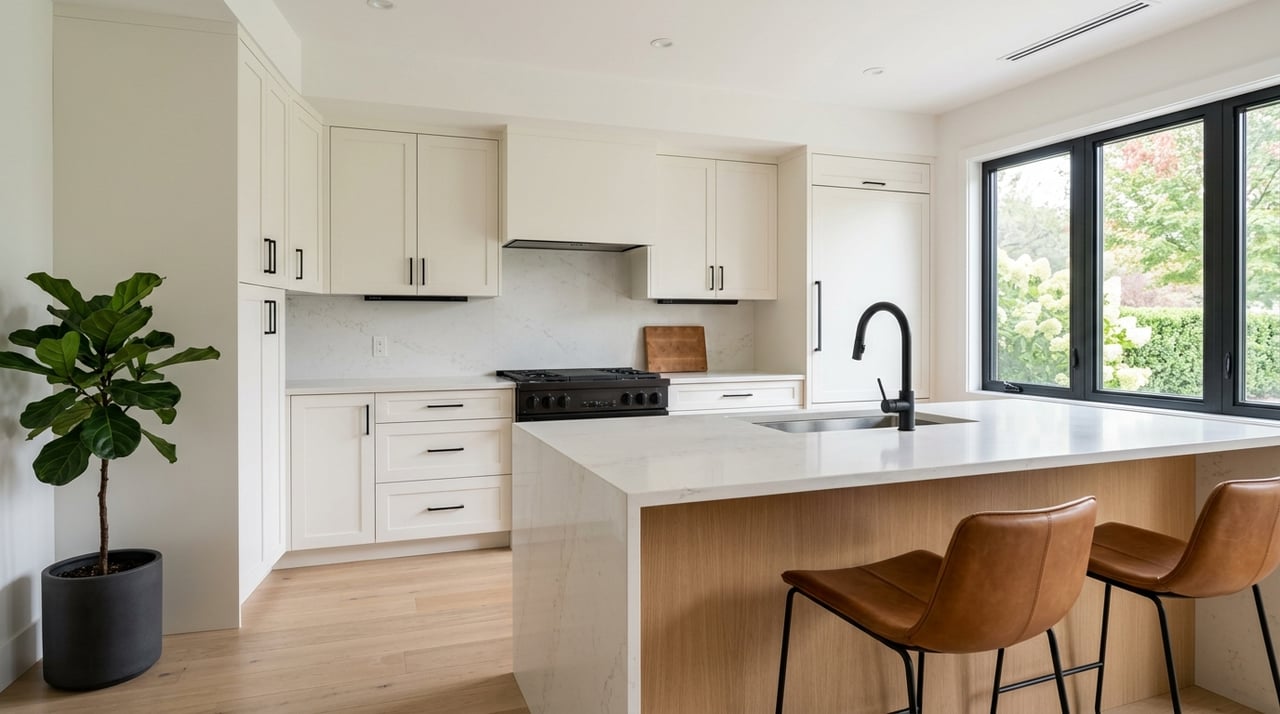
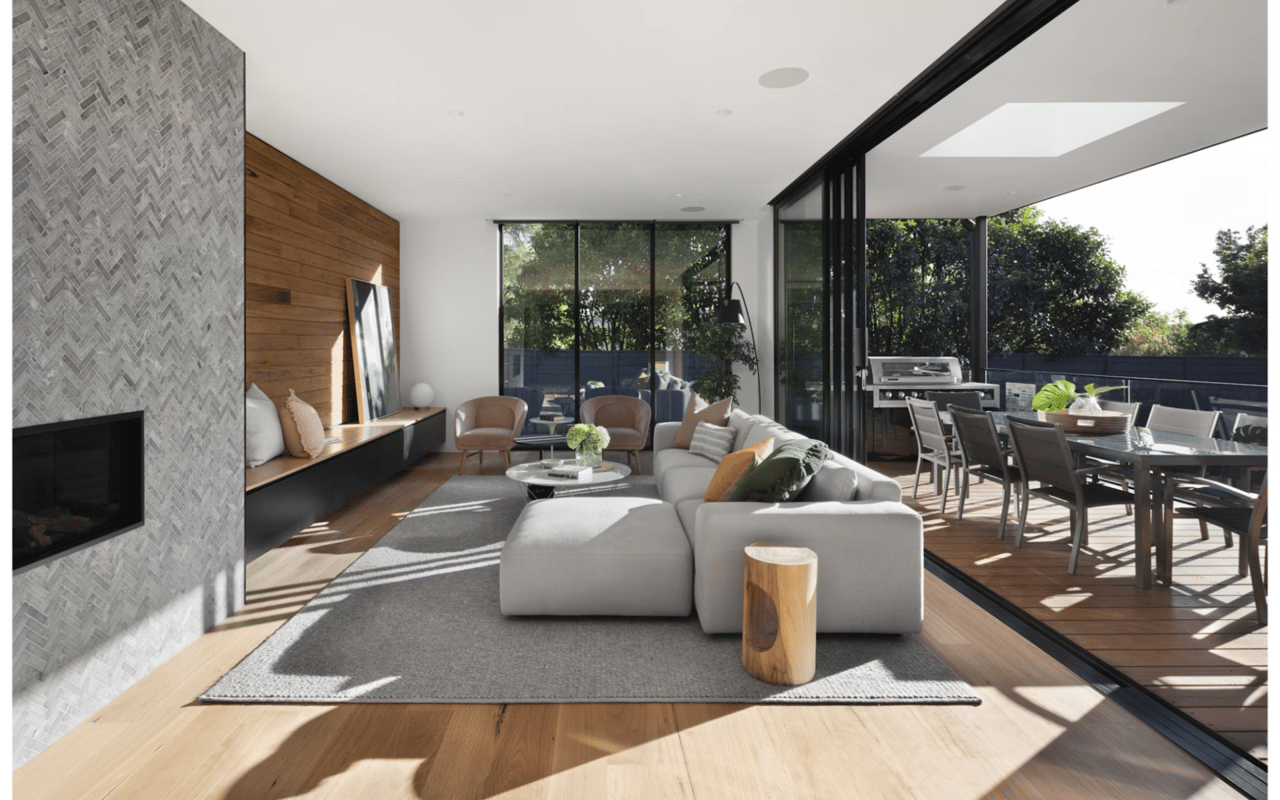
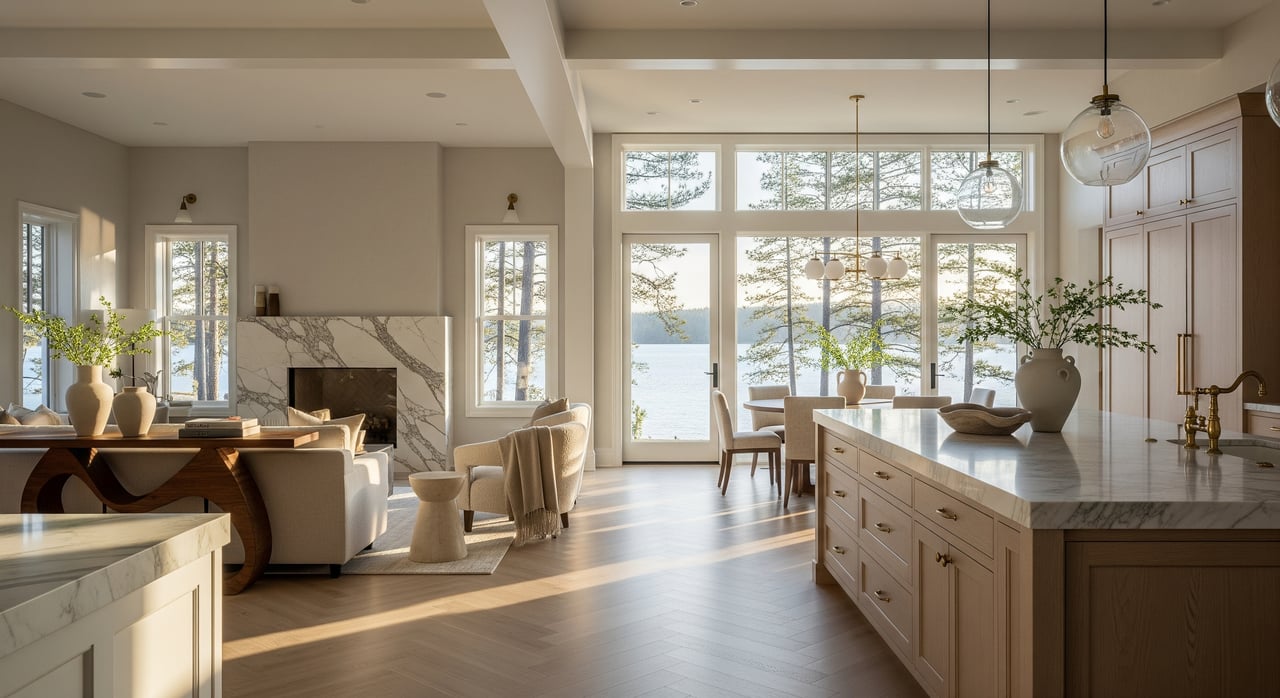
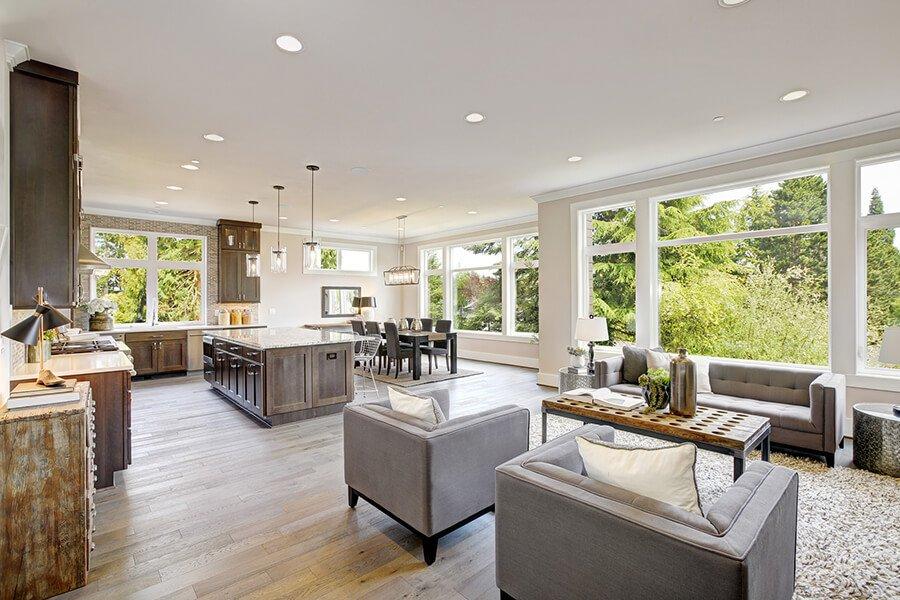
Luxury staging is about more than making rooms look attractive. It helps buyers understand how the home lives, how entertaining flows, and how the property connects to the lake. In a design-forward market, thoughtful staging can support both perceived value and buyer confidence.
The National Association of Realtors’ 2025 staging report found that 29% of agents saw staging increase offered value by 1% to 10%, and 49% said it reduced time on market. The same report noted a median staging-service cost of $1,500 when using a staging company and $500 when the listing agent handled staging.
For a luxury lake home, staging should highlight the spaces buyers care about most:
- Great rooms and entertaining areas
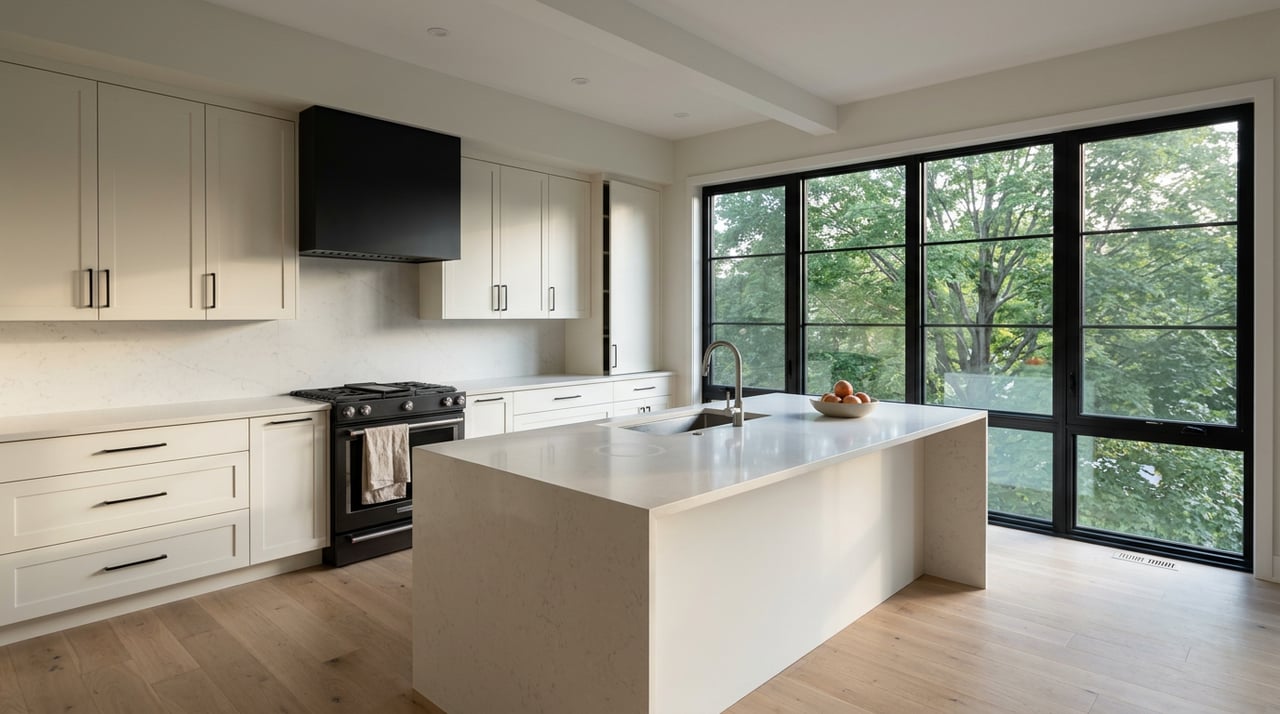
- Kitchen and dining flow
- Primary suite comfort and privacy
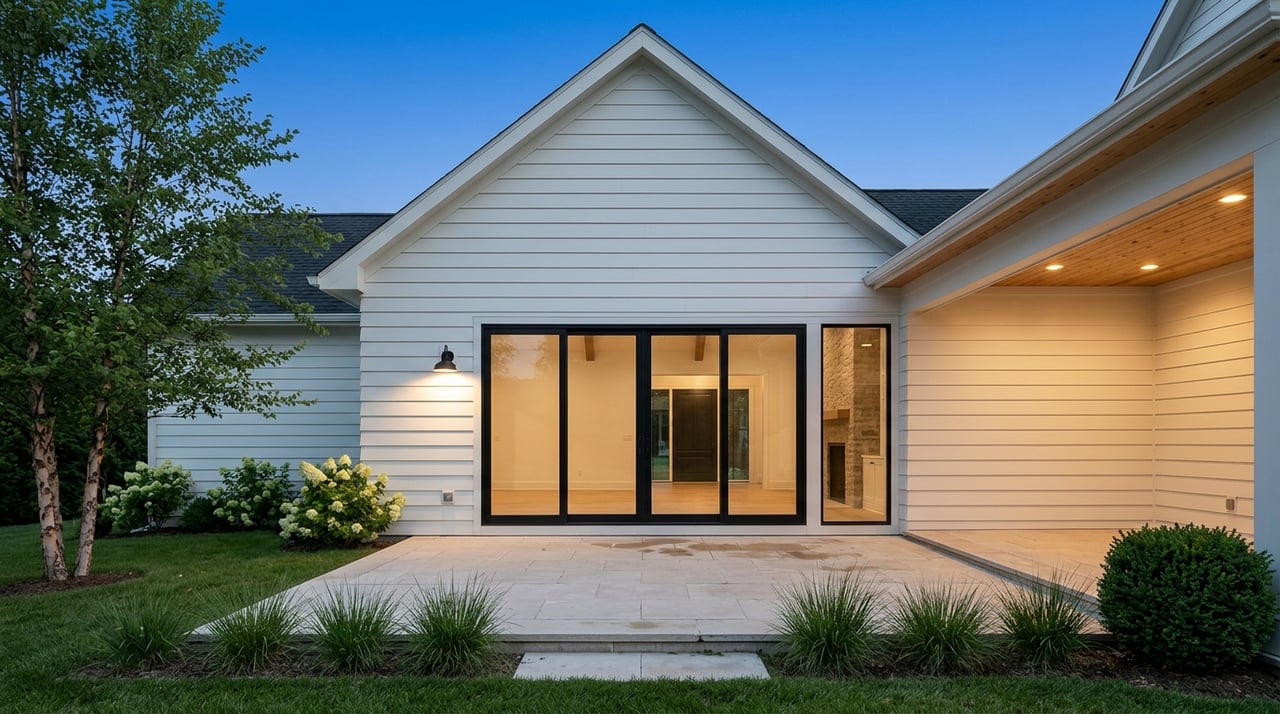
- Outdoor living spaces
- Transitions to deck, patio, dock, or shoreline access
- View corridors and natural light
Step 5: Build a premium marketing plan
In the luxury segment, marketing is not just about exposure. It is about attracting the right buyers with the right story. A Lake Minnetonka property should be presented as a complete lifestyle offering, with clear information about setting, design, access, and how the home functions season to season.
Buyer expectations are high, and so is competition for attention. In the NAR 2025 home buyers and sellers generational trends report, common marketing channels included MLS websites, yard signs, open houses, Realtor.com, agent websites, social media, virtual tours, and video. For a luxury lake listing, polished photography, video, and a controlled showing strategy should be considered core parts of the launch.
The same staging research from NAR also showed that buyers’ agents ranked photos, physical staging, videos, and virtual tours as highly important. That aligns especially well with lake properties, where views, shoreline, and outdoor spaces need to be captured clearly.
Step 6: Gather disclosure documents before listing
A smooth sale often depends on paperwork that buyers never see in the marketing photos. Minnesota requires a written seller disclosure of all material facts known to the seller that could adversely and significantly affect the ordinary or intended use of the property. Under Minnesota Statutes Chapter 513, that disclosure must be made in good faith before signing the agreement, and updated before closing if the seller later learns it was inaccurate.
Lake homes often come with extra layers of documentation. Minnesota also requires disclosure of known wells before signing, a well disclosure certificate at closing, septic disclosure describing how sewage is managed, prior septic inspection reports if the seller has them, and radon disclosure with the required Minnesota Department of Health publication. You can review those requirements in Minnesota Statutes section 103I.235.
Hennepin County’s 2040 Comprehensive Plan notes there is no county transfer-inspection requirement for septic systems, although lenders may still require a compliance inspection. For older lake homes, it is smart to gather these items early:
- Well records
- Septic records and any prior inspections
- Radon disclosure materials
- Dock or shoreline permit records
- Information on any shoreline projects or improvements
Step 7: Stay ahead from contract to close
Once your home is under contract, the process shifts from presentation to due diligence. This stage often includes escrow, appraisal, title work, inspections, and negotiation around any issues that come up. Even strong listings can face delays here if documents are missing or property features were not verified early.
According to the NAR consumer guide on steps between signing and closing, lenders usually require an appraisal and title search, and buyers may negotiate repairs or cancel if an inspection contingency is not satisfied. The same guide notes the process can take several weeks or more, and lenders must provide the Closing Disclosure three business days before the scheduled closing.
It also helps to remember that a home inspection and appraisal are not the same thing. The Consumer Financial Protection Bureau’s inspection guidance explains that inspections can surface issues such as radon, lead paint, and asbestos. That can be especially relevant for older luxury properties that have been updated over time.
For a Lake Minnetonka sale, the most common closing slowdowns tend to involve:
- Inspection findings
- Appraisal questions
- Title issues
- Missing well or septic documentation
- Unclear dock or shoreline permit status
Why a step-by-step approach matters
A luxury lake home sale has more moving pieces than a standard suburban listing. Price, presentation, shoreline compliance, and documentation all work together. If one part is overlooked, it can affect showings, negotiations, or closing.
That is why the best results usually come from a coordinated strategy that blends market knowledge, design sense, and early due diligence. If you are preparing to sell a Lake Minnetonka property and want a more tailored plan, Turnquist Spilseth Real Estate Group can help you position your home with a thoughtful, design-led approach from preparation through closing.
FAQs
What is the biggest pricing mistake when selling a Lake Minnetonka luxury home?
- The most common mistake is using county-wide averages instead of shoreline-specific comps that reflect frontage, access, privacy, and dock utility.
Do you need to stage a luxury lake home before listing?
- Often yes, because staging can improve perceived value and may help reduce time on market, especially when it highlights views, entertaining spaces, and indoor-outdoor flow.
What documents matter most for a Lake Minnetonka home sale?
- The most important records to gather early usually include well disclosures, septic information, radon disclosure materials, and dock or shoreline permit documentation.
Can dock or shoreline issues delay a Lake Minnetonka closing?
- Yes, unclear permit status or missing records related to docks, shoreline work, or related structures can create questions during buyer due diligence and slow the transaction.
What typically happens after a luxury home goes under contract in Minnesota?
- After contract acceptance, the sale usually moves through escrow, appraisal, title review, inspections, and final lender disclosures before closing.