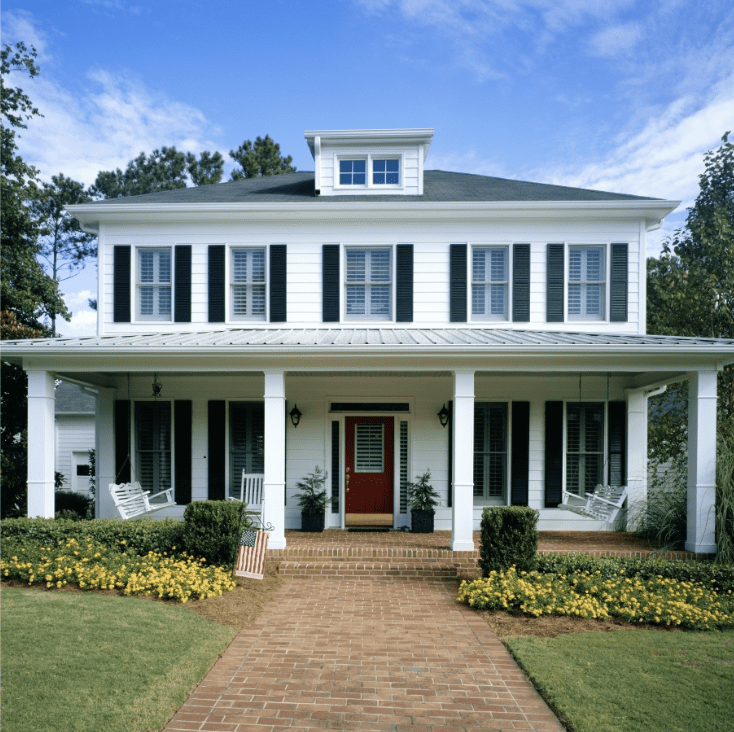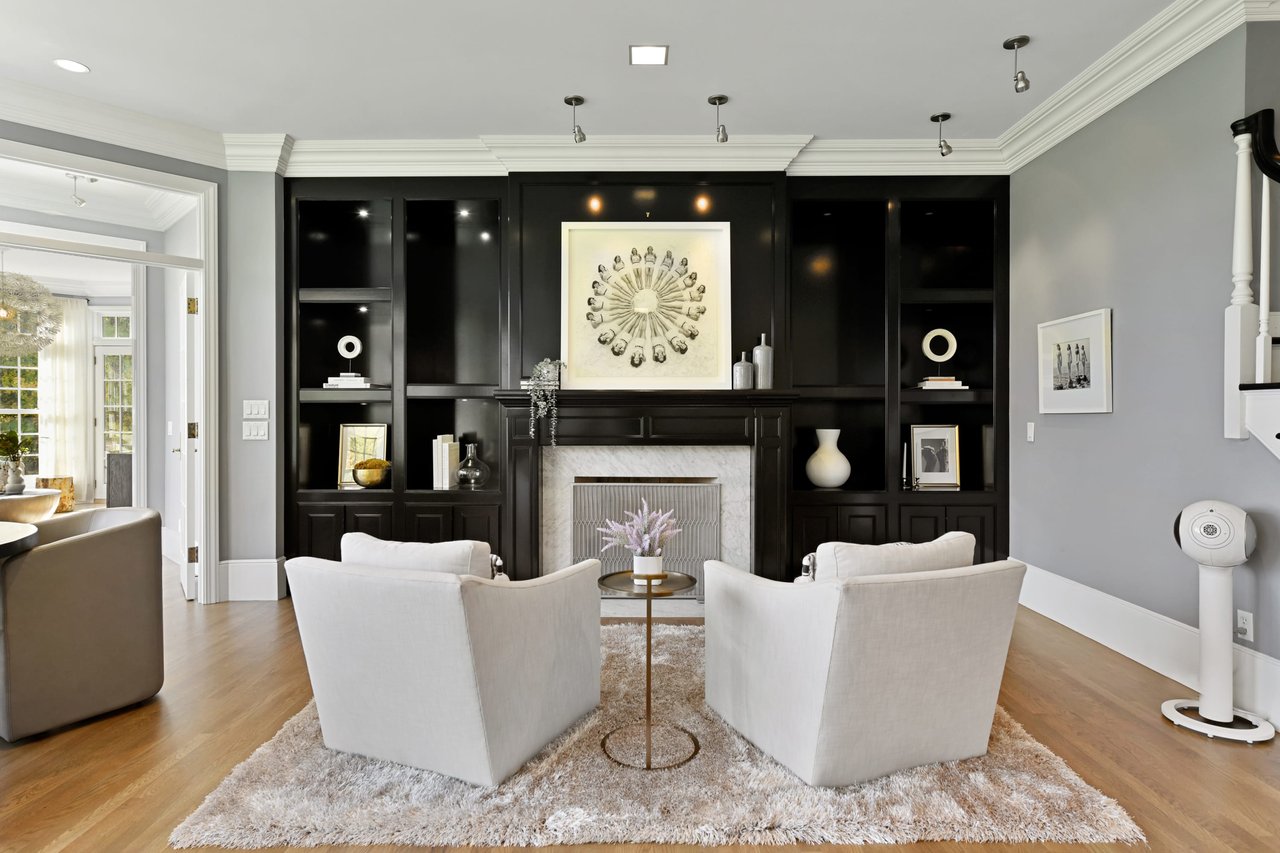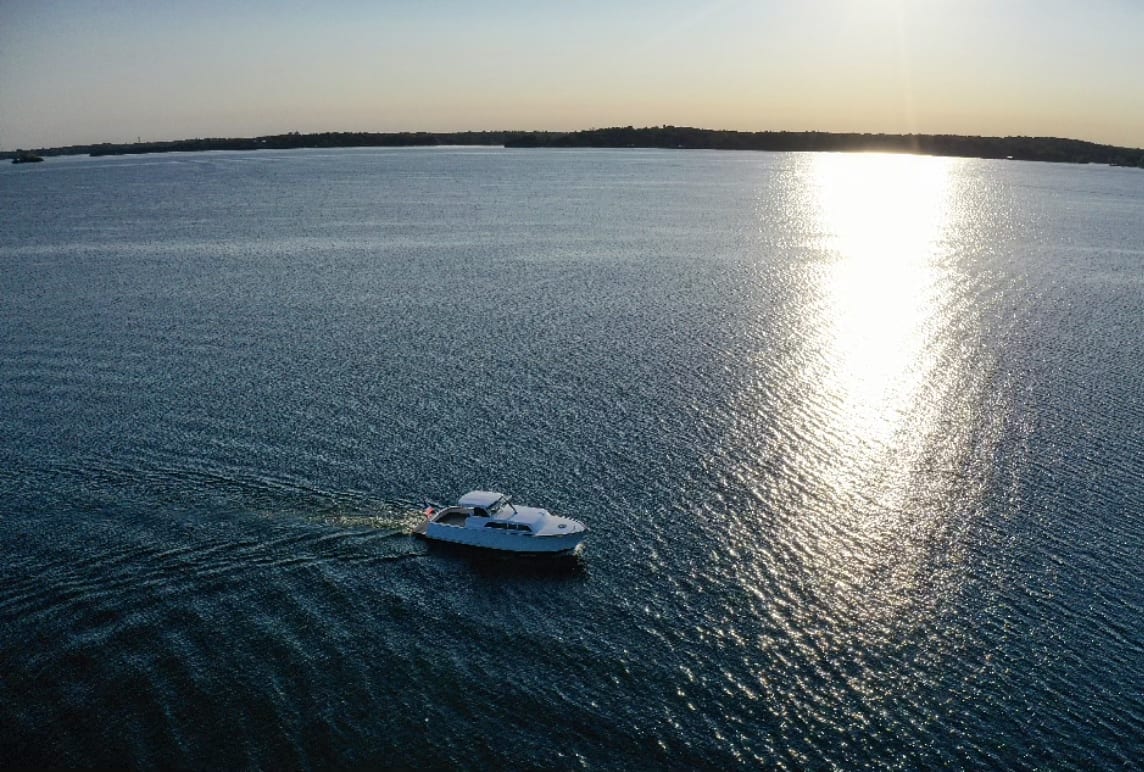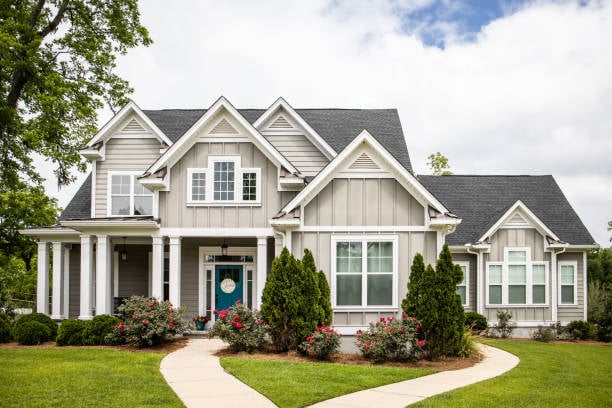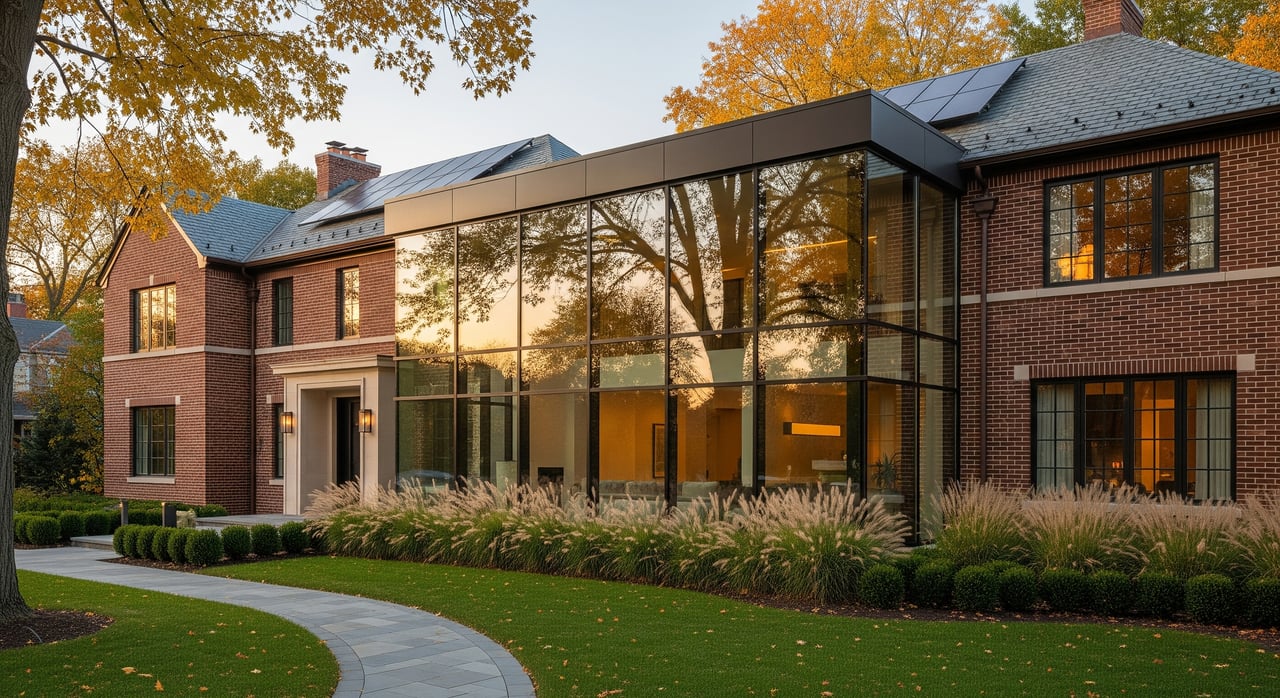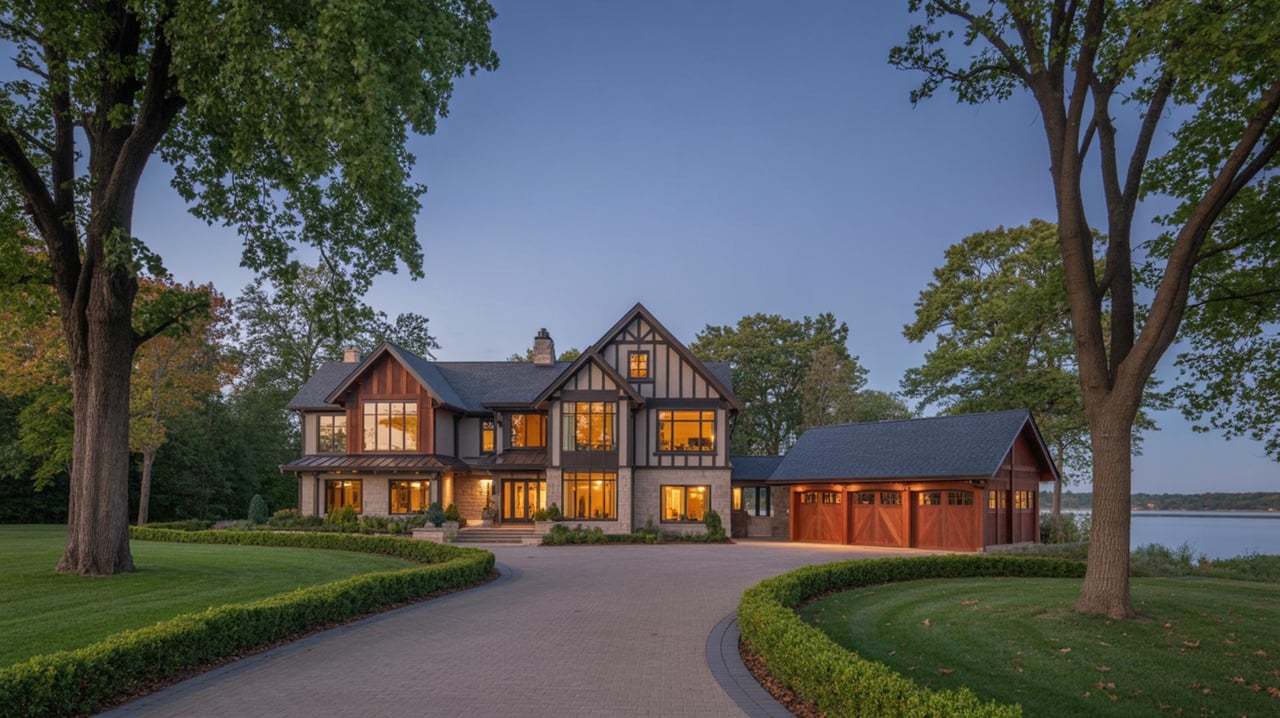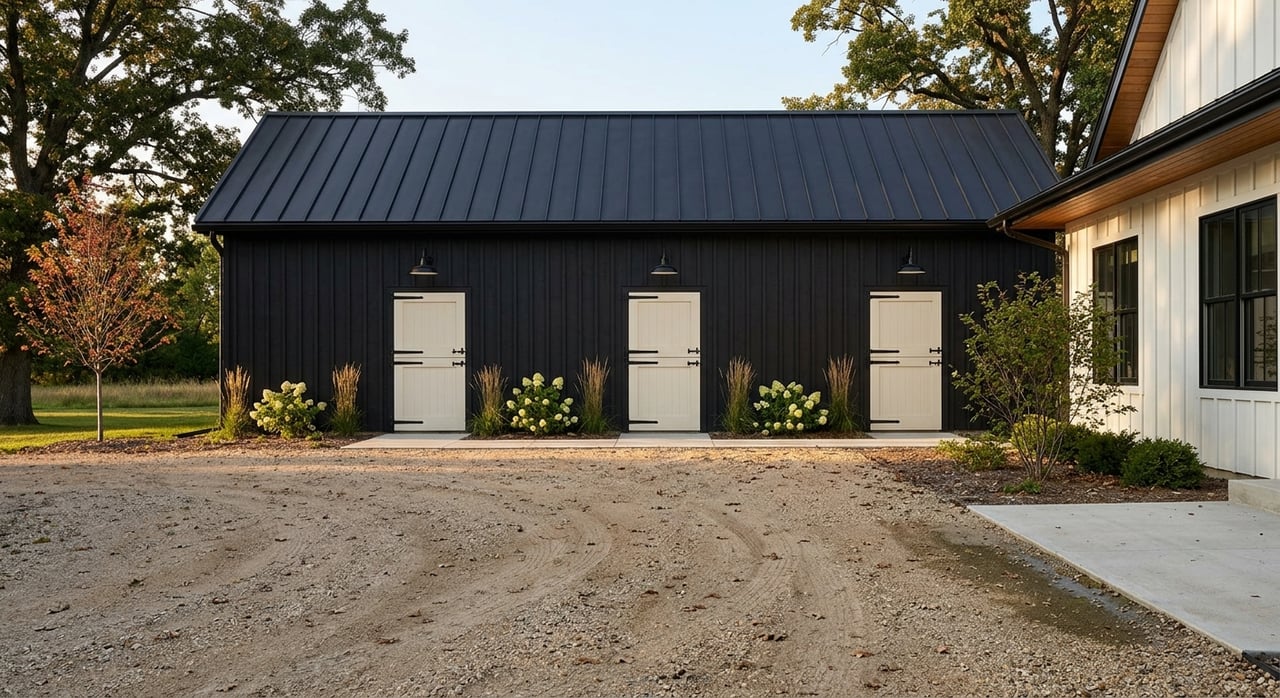
If you want room to breathe without giving up access to the western Twin Cities, owning acreage in Medina can feel like a rare middle ground. You get a more open, private setting than a typical suburban neighborhood, but that space comes with real planning, upkeep, and property-specific rules. If you are considering an estate lot, hobby farm, or horse property in Medina, it helps to understand how the lifestyle works before you buy. Let’s dive in.
Medina Offers Space With Structure
Medina sits about 20 miles west of Minneapolis, and the U.S. Census Bureau estimates the city’s 2024 population at 7,209. Even though it is part of the metro, the city has planned much of its land to preserve a more open, rural character.
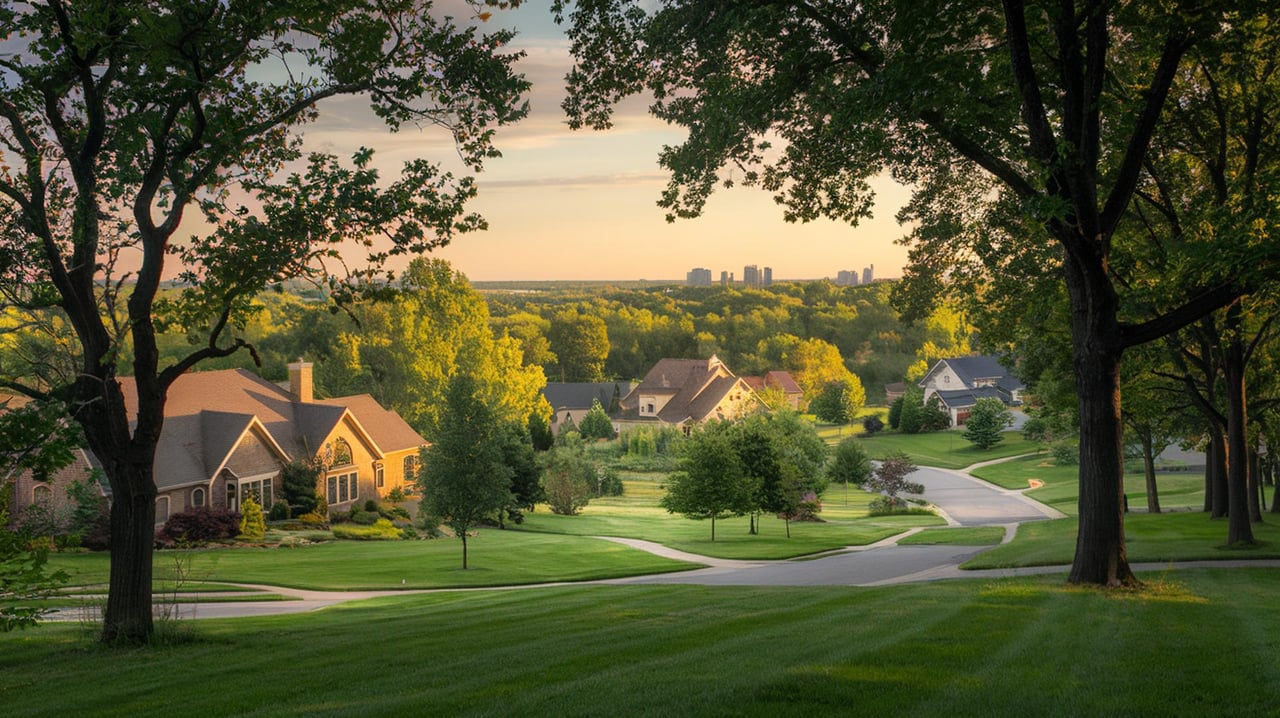
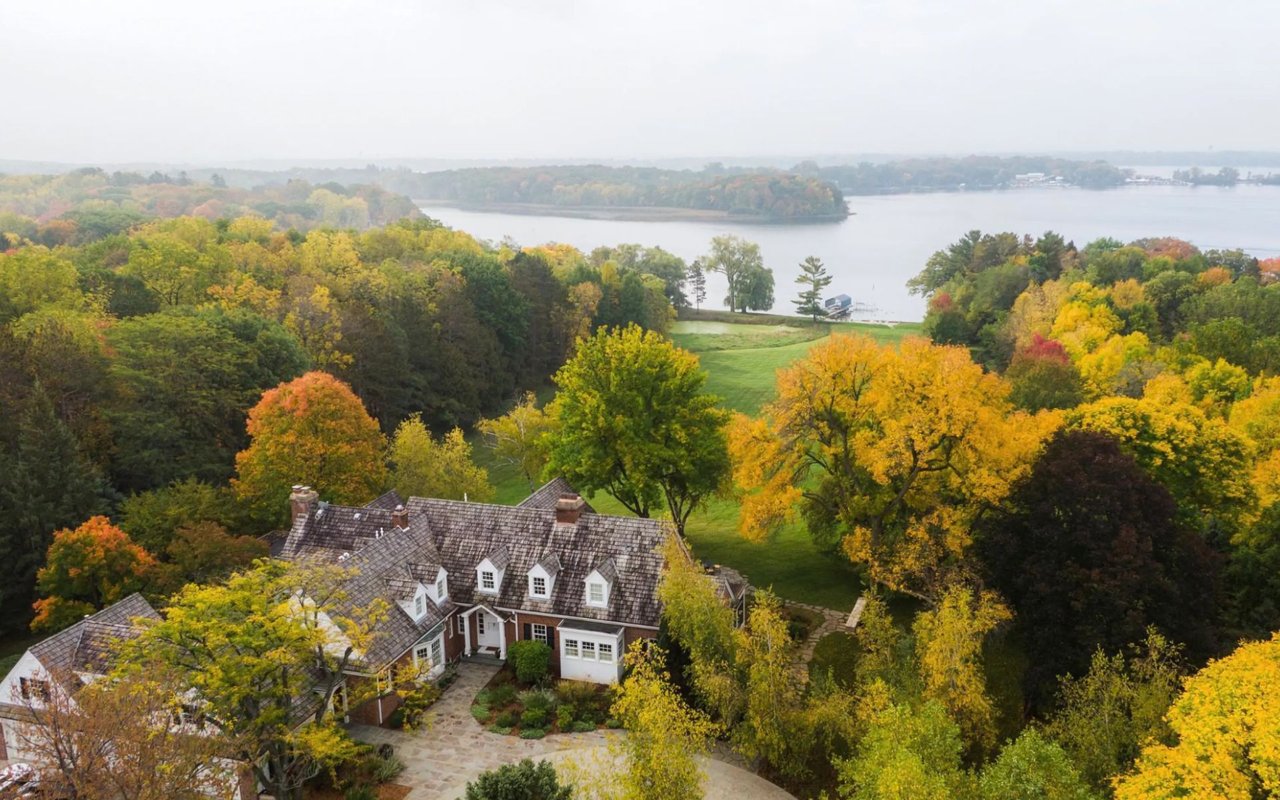
In Medina’s comprehensive plan, the vast majority of the city is designated Diversified Rural. That category includes very large-lot residential uses, clustered housing, hobby farms, and agricultural uses. The city’s planning documents also emphasize preserving rural vistas, open space, wetlands, and trails.
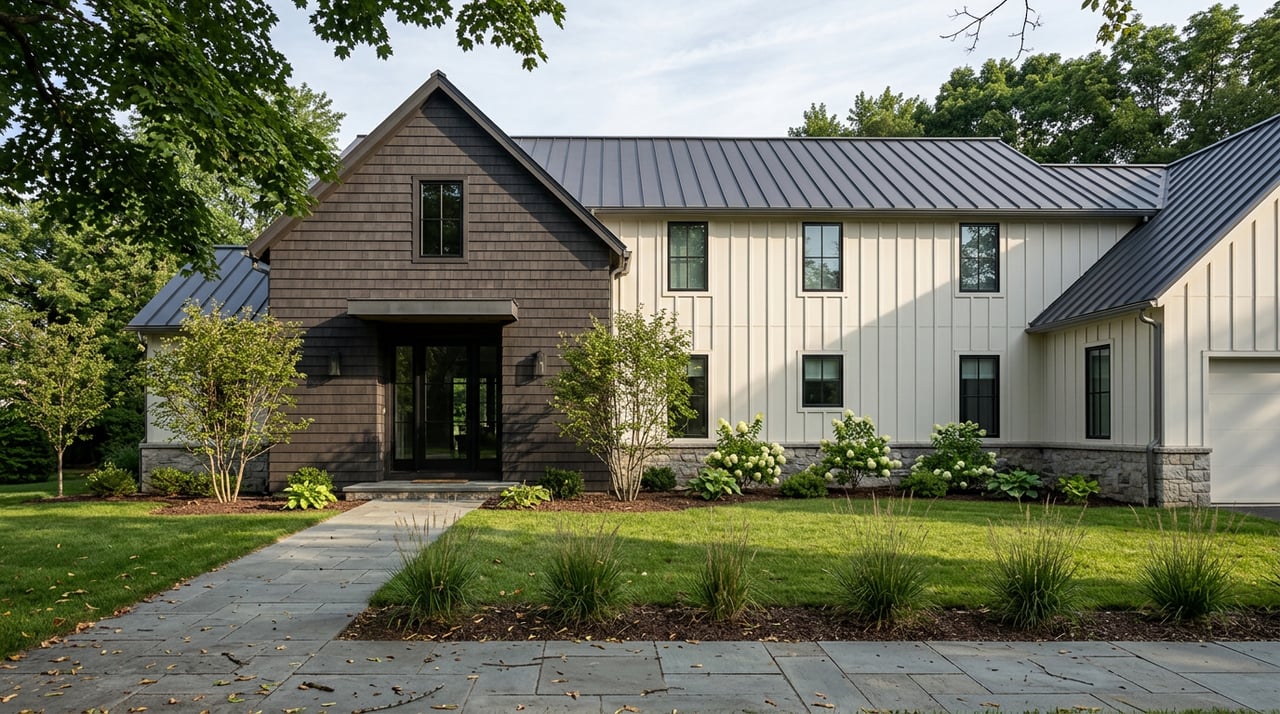
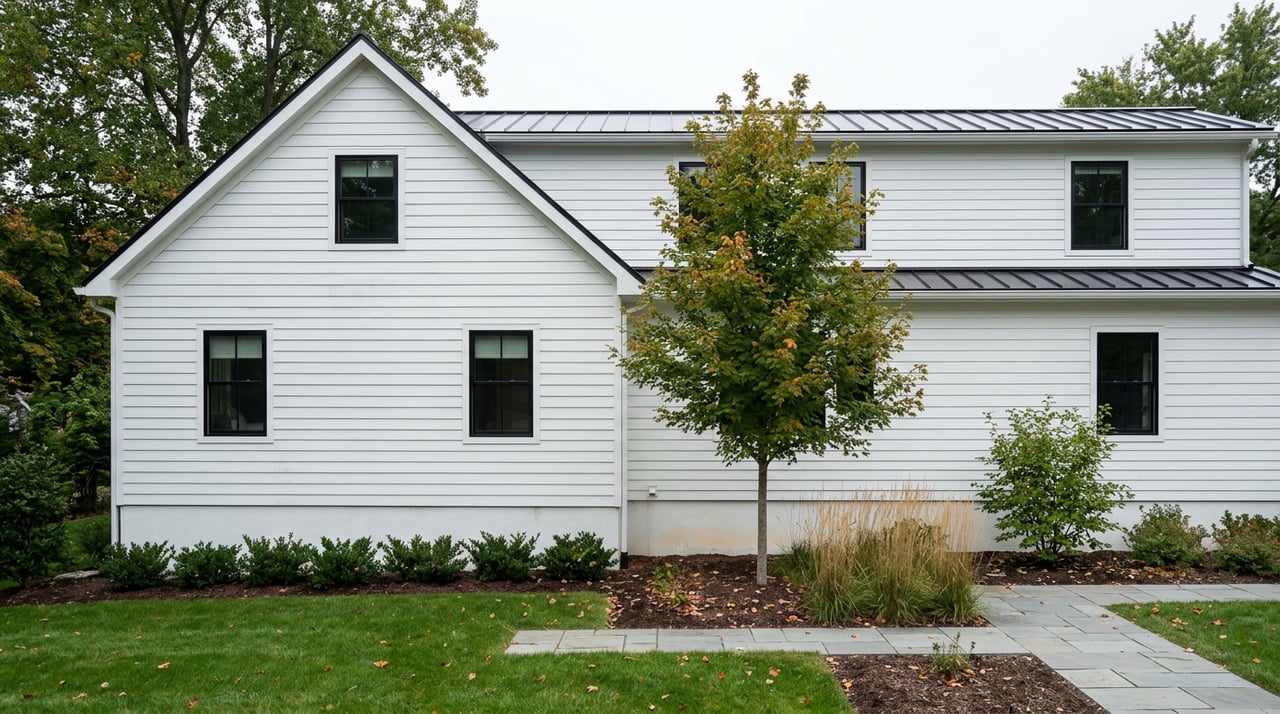
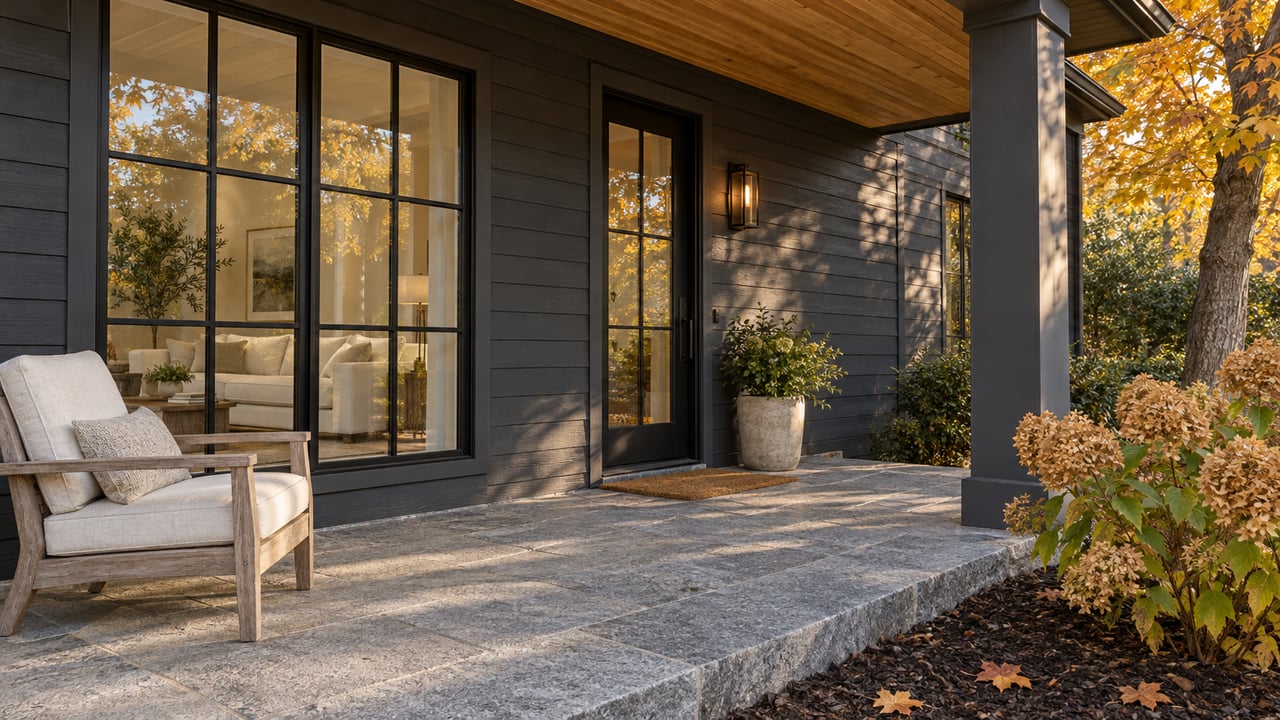
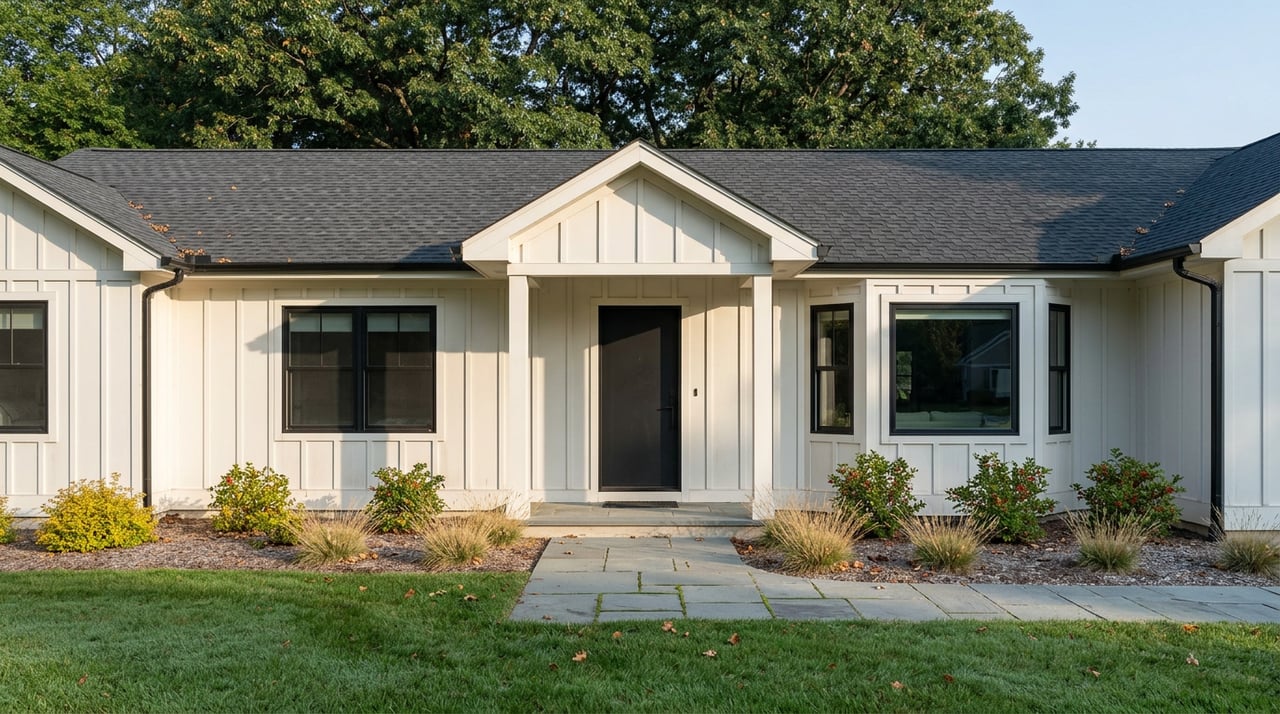
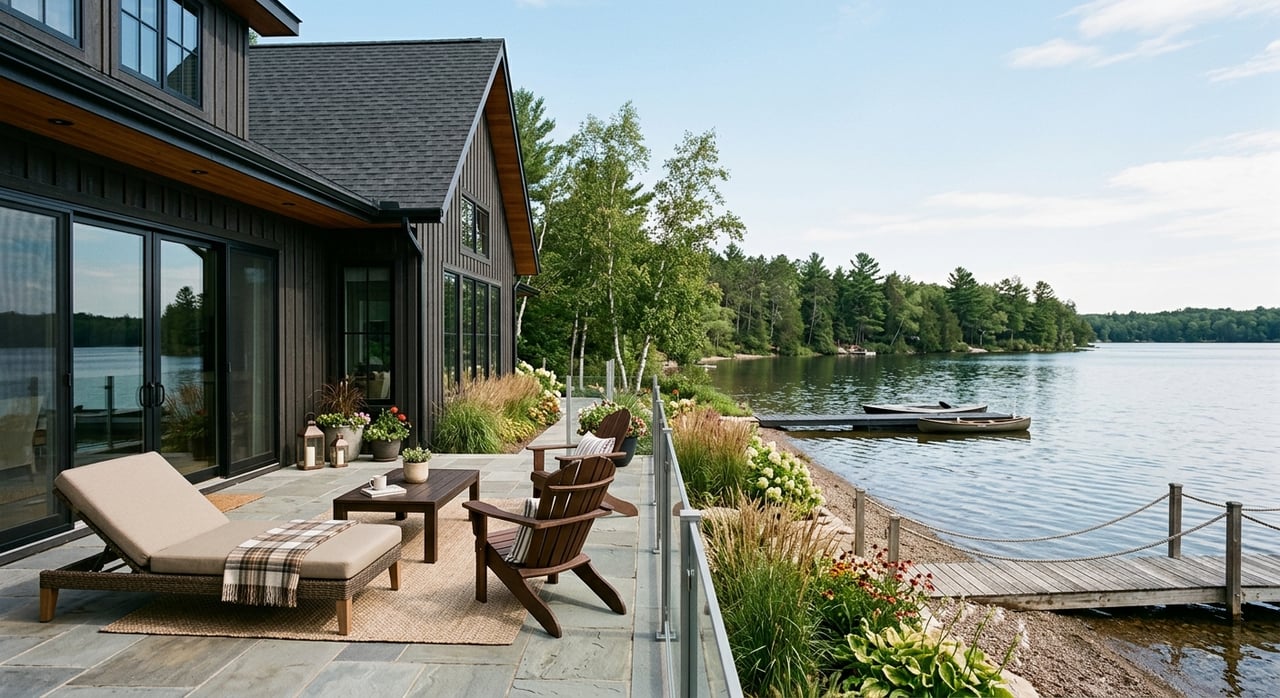
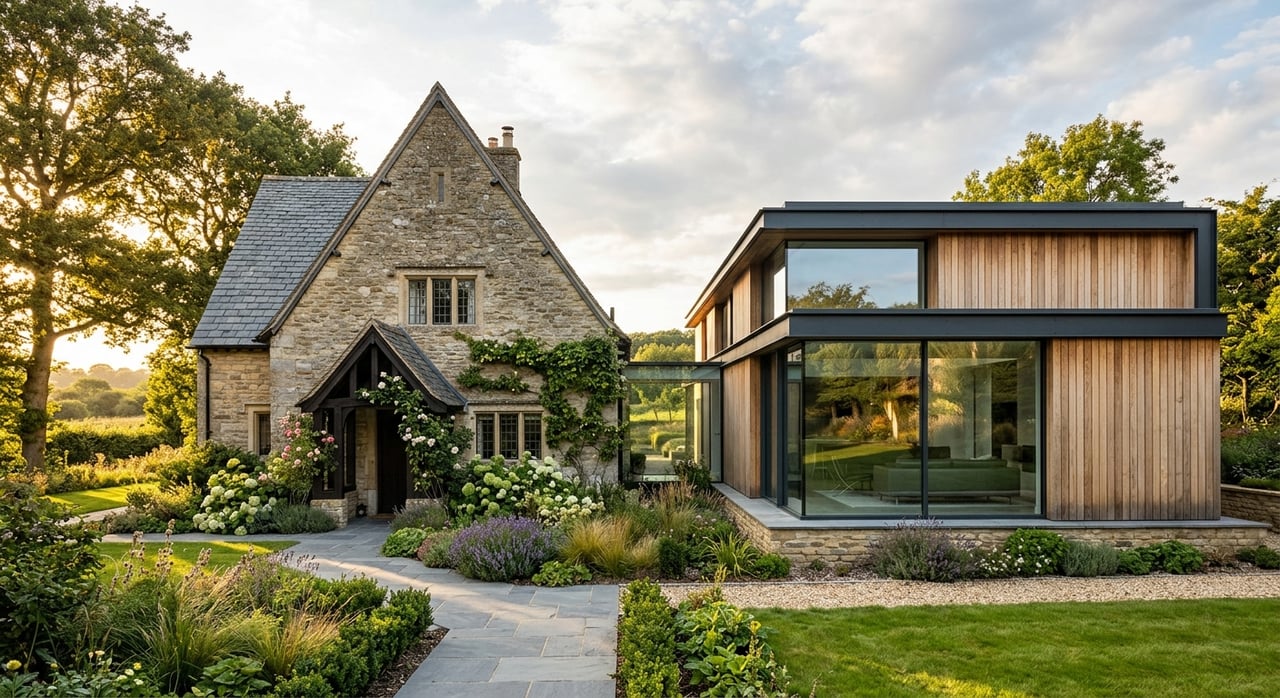
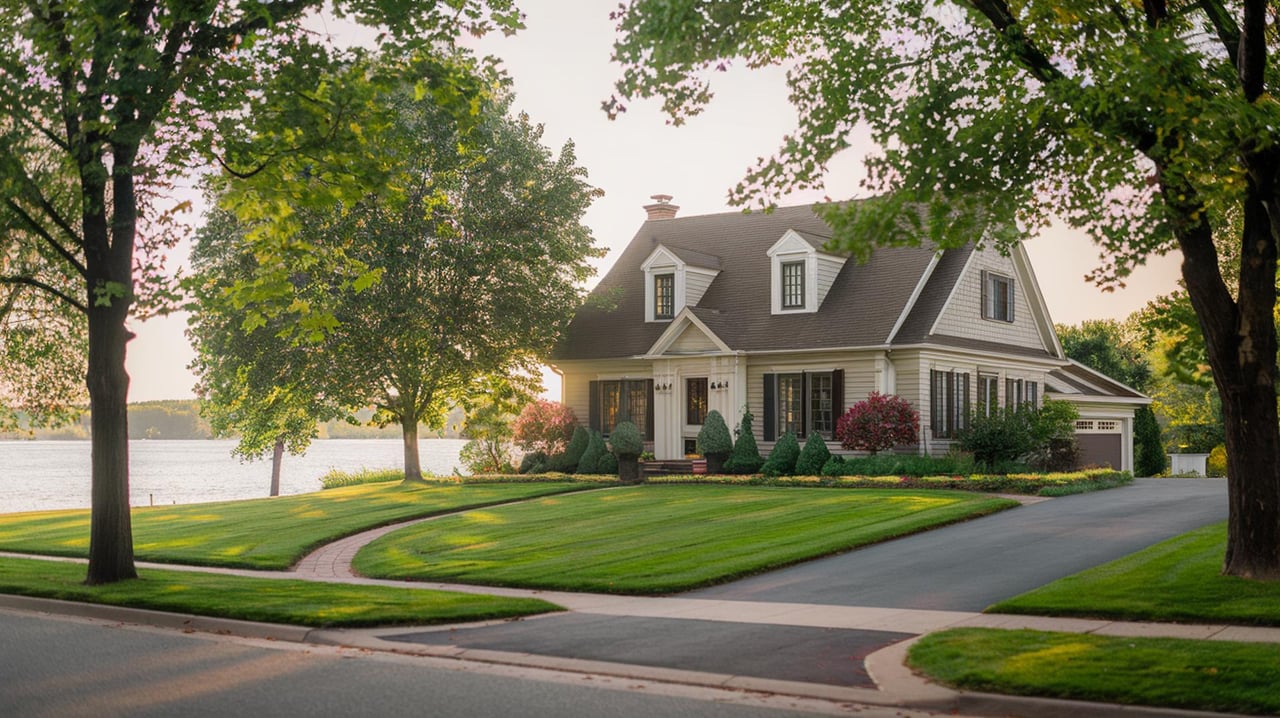
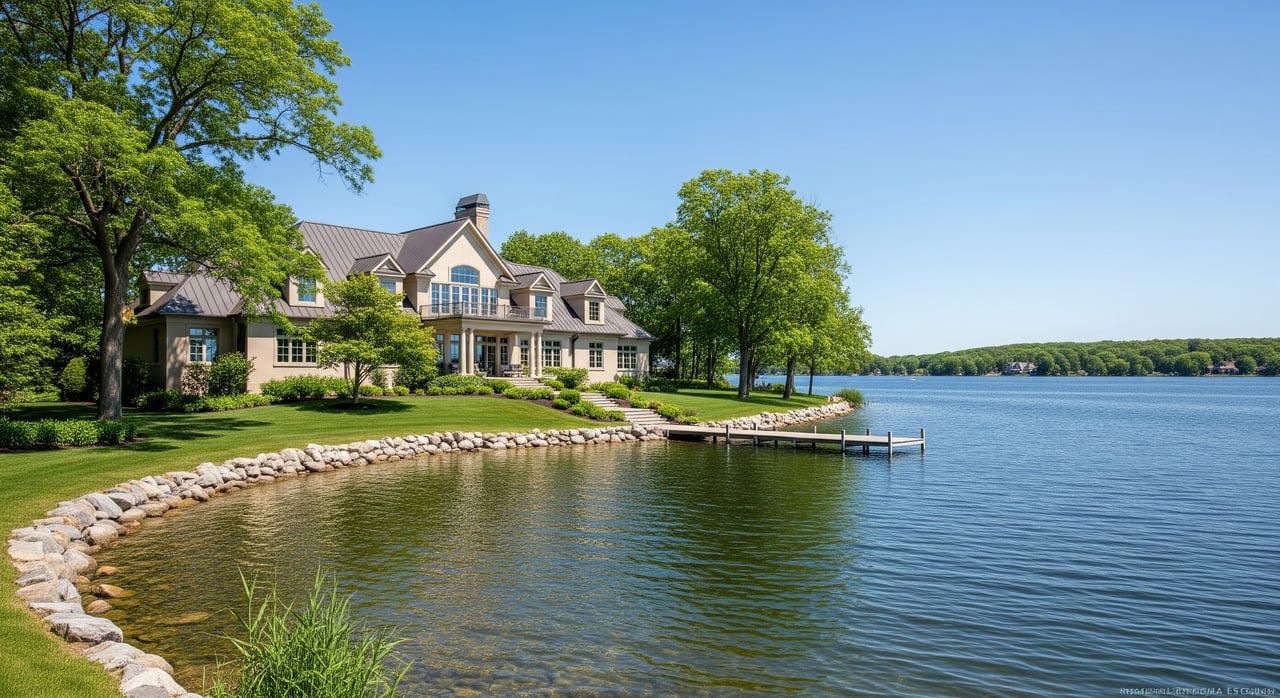
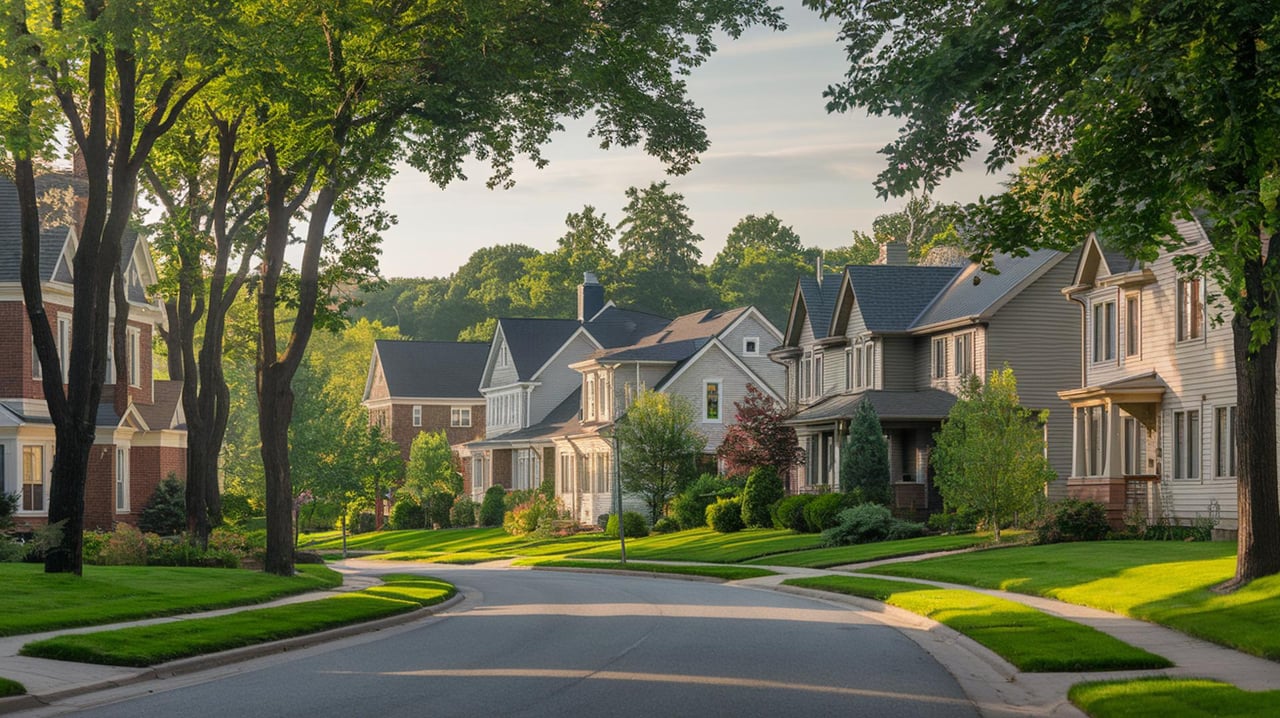
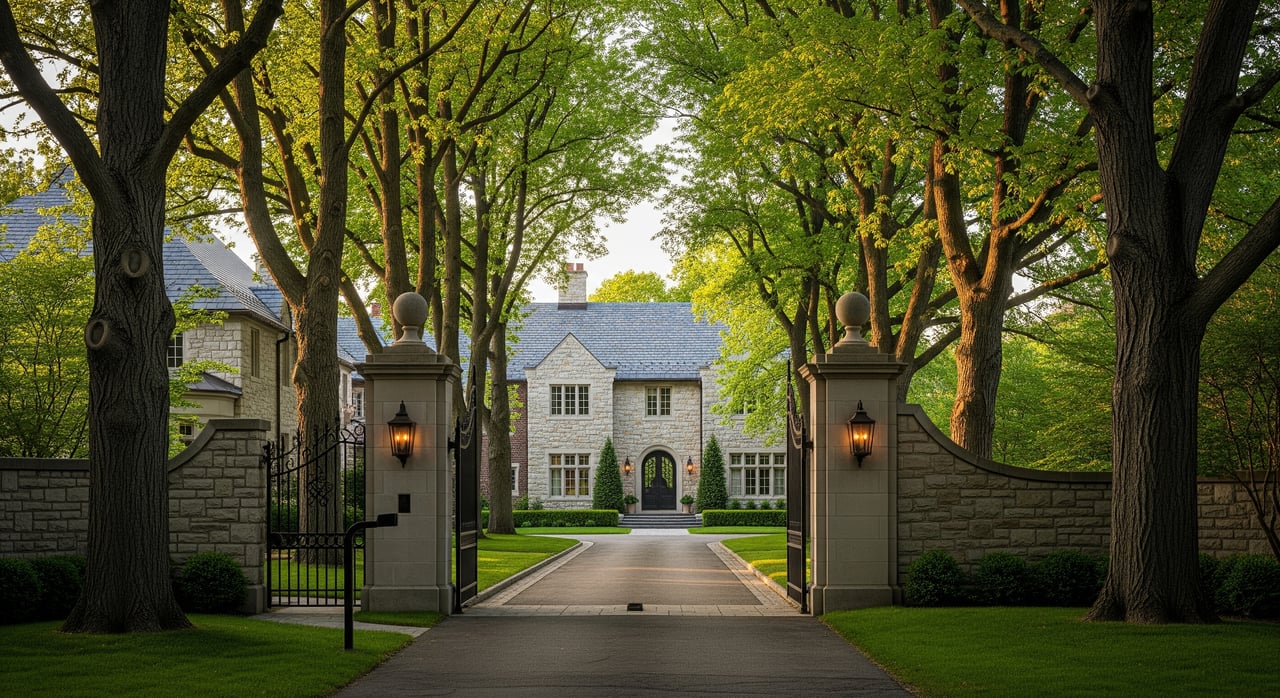
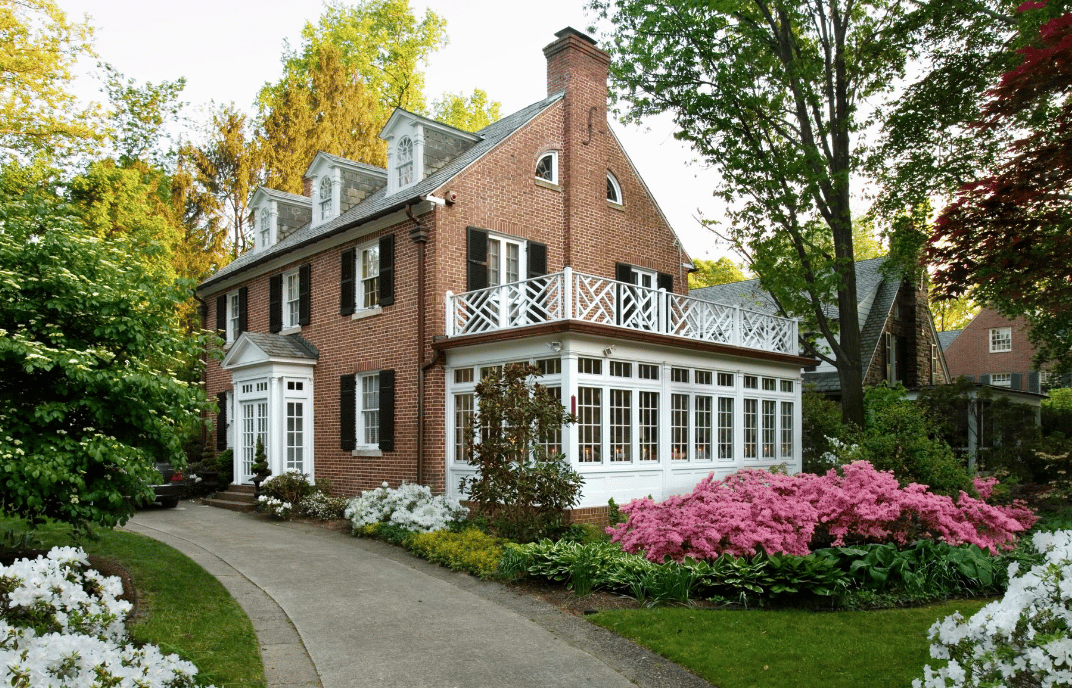
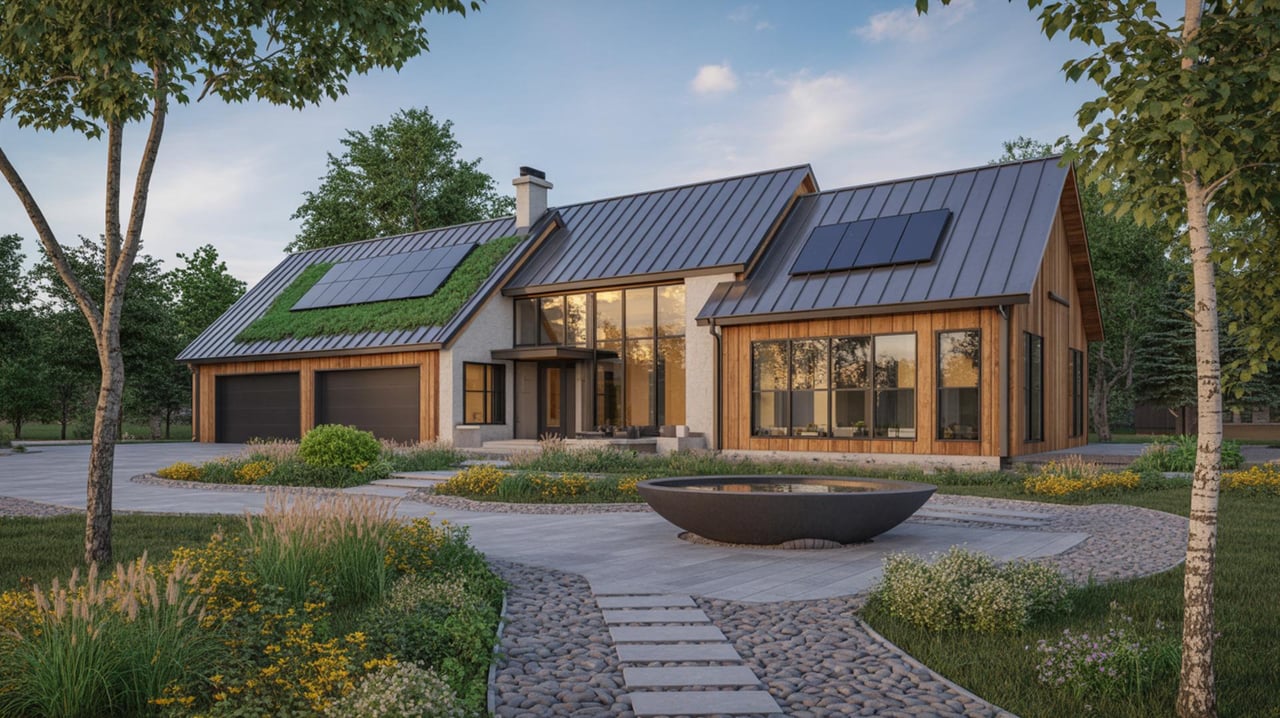
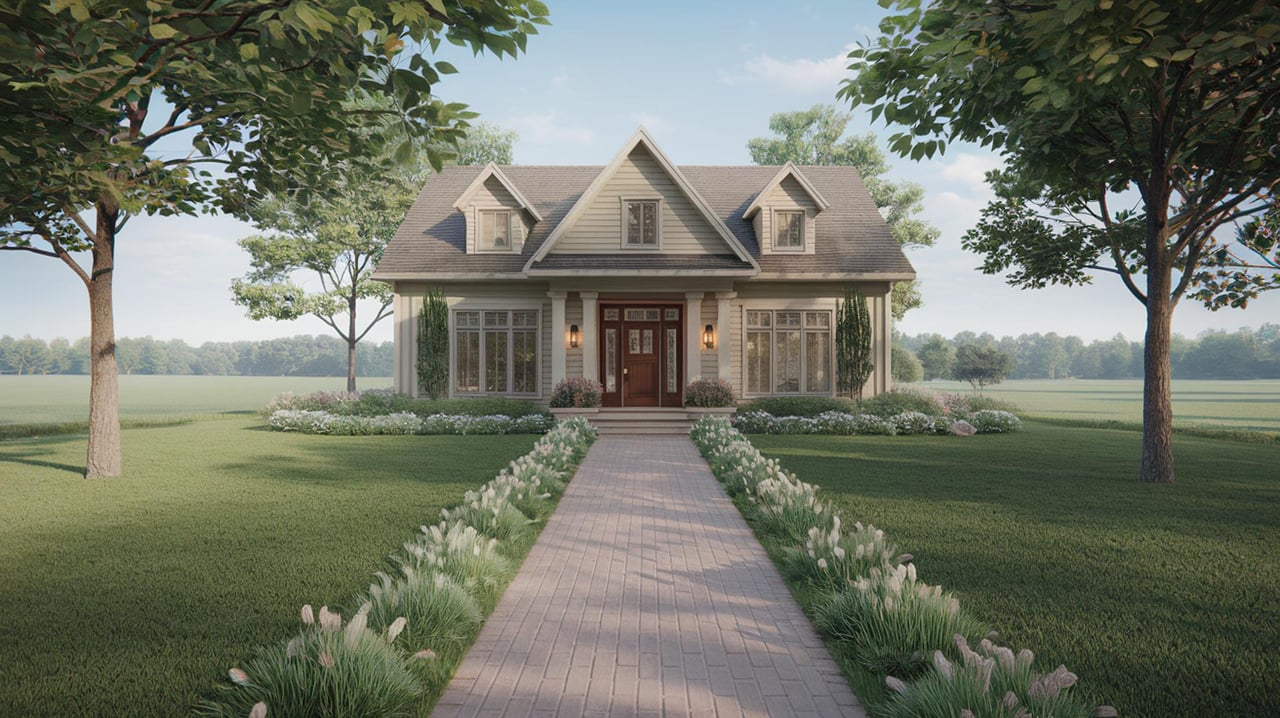
For you as a buyer, that means Medina acreage often feels more like an estate setting than a conventional suburban lot. You may find larger parcels, more distance between homes, and a landscape shaped by long-term land-use planning rather than dense subdivision patterns.
Parcel Location Matters in Medina
Not every part of Medina functions the same way. The city’s planning documents note that the northeast portion is considered Emerging Suburban Edge, while most of the city remains Diversified Rural.
That difference matters when you are thinking about privacy, open views, and what the surrounding area may feel like over time. Two homes may both have Medina addresses, but their immediate setting and neighboring development pattern can be very different.
This is one reason acreage buyers benefit from a detailed, property-by-property review. In a market like Medina, the feel of the land is only part of the story. The planning framework around that parcel matters too.
Daily Life on Acreage Is More Hands-On
Acreage living often looks beautiful on paper, but the day-to-day experience is more involved than owning a smaller suburban lot. You are not just buying a house. You are taking on land, systems, and outdoor maintenance that require more attention.
That can include mowing, seasonal cleanup, tree and brush management, driveway upkeep, and planning how outdoor areas function together. If you love space, privacy, and outdoor living, that work may feel worthwhile. Still, it is important to go in with clear expectations.
Hennepin County says yard and tree waste cannot go in household garbage. Medina also operates a brush and compost site at City Hall for Medina and Loretto residents who have an access card, which can be a helpful local resource for ongoing property maintenance.
Utility Planning Is a Big Part of the Decision
One of the most important differences with acreage properties is utility verification. Medina uses an Urban Services Phasing Plan, and the city says property is not served by city water or sanitary sewer before the planned service date.
In practical terms, that means you should not assume a parcel has municipal utilities just because it is in Medina. Utility setup can vary from property to property, and that can affect both your ownership experience and your future plans for the site.
Hennepin County lists Medina as a city with its own septic-system program. The county also says a home sale does not require a septic inspection, though disclosure is required and lenders may request compliance documentation.
For buyers, this makes due diligence especially important. Before closing on acreage, it is smart to verify water and sewer service, understand whether septic applies, and confirm any documentation that may be needed during financing.
Site Design Rules Can Shape How You Use the Land
In Medina, acreage does not mean unlimited flexibility. The city’s zoning rules can directly affect how you lay out and enjoy the property.
In the Rural Residential district, side and rear setbacks are 50 feet on lots that are five acres or larger. Hard-surface coverage may not exceed 20 percent of the lot area, excluding road right-of-way.
That 20 percent limit includes more than many buyers expect. Medina counts structures, decks, patios, paved areas, septic and drainfield areas, driveways, parking areas, feed lots, paddocks, and outdoor riding rings toward that cap.
This is a major consideration if you are picturing a long driveway, detached outbuildings, expanded outdoor living areas, or equestrian improvements. A property may feel large, but usable site design still has to fit within the local code.
Horses and Hobby Farms Are Possible, But Regulated
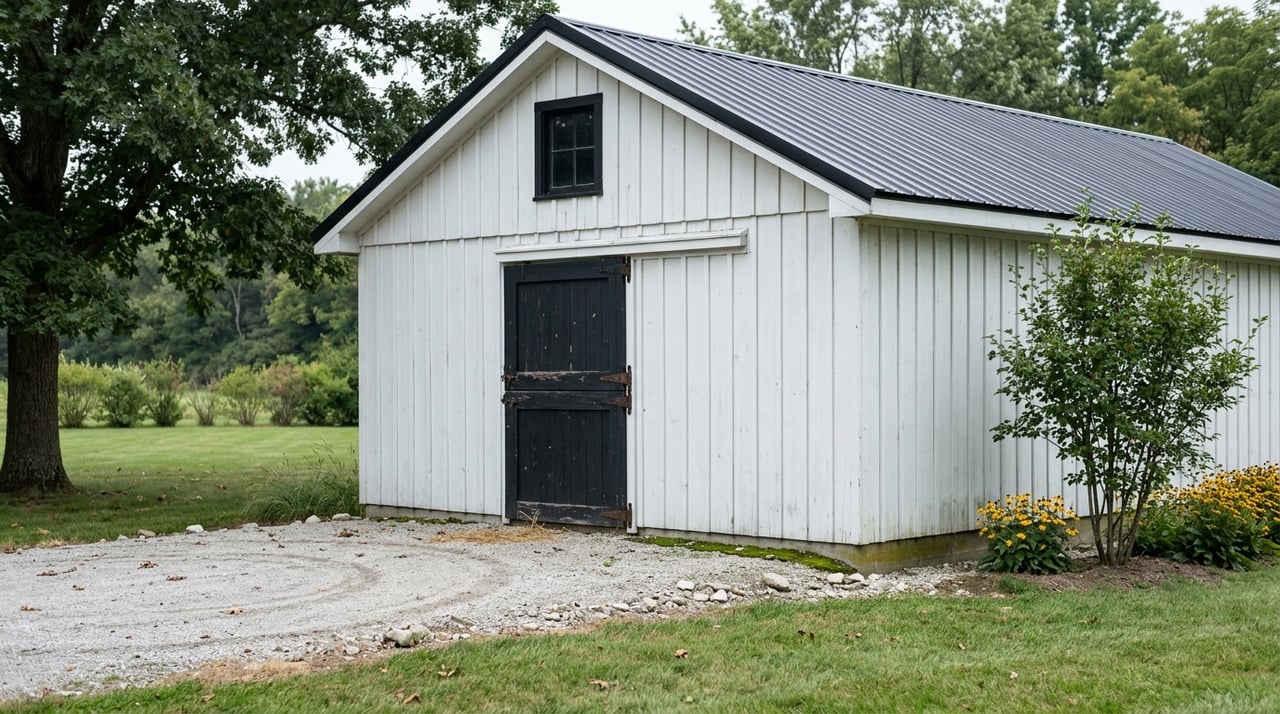
For many buyers, the appeal of Medina acreage includes the possibility of horses, hobby farming, or a more outdoor-focused lifestyle. Medina’s Rural Residential district does allow agricultural land uses, including hobby farms.
That said, the city’s approach is structured, not casual. Animal density rules state that livestock or traditional farm animals are allowed on properties of two acres or more at one animal unit for the first two grazable acres, plus one additional unit for each additional grazable acre.
A mature horse, mule, or donkey counts as one animal unit. The city also requires owners to manage animal waste and maintain an approved pasture-management program.
If horses or hobby farm use are part of your plan, zoning review should happen early. You will want to confirm the parcel’s district, the amount of grazable land, and whether your intended use fits the property’s animal-unit capacity and overall site layout.
Outdoor Access Is a Major Lifestyle Benefit
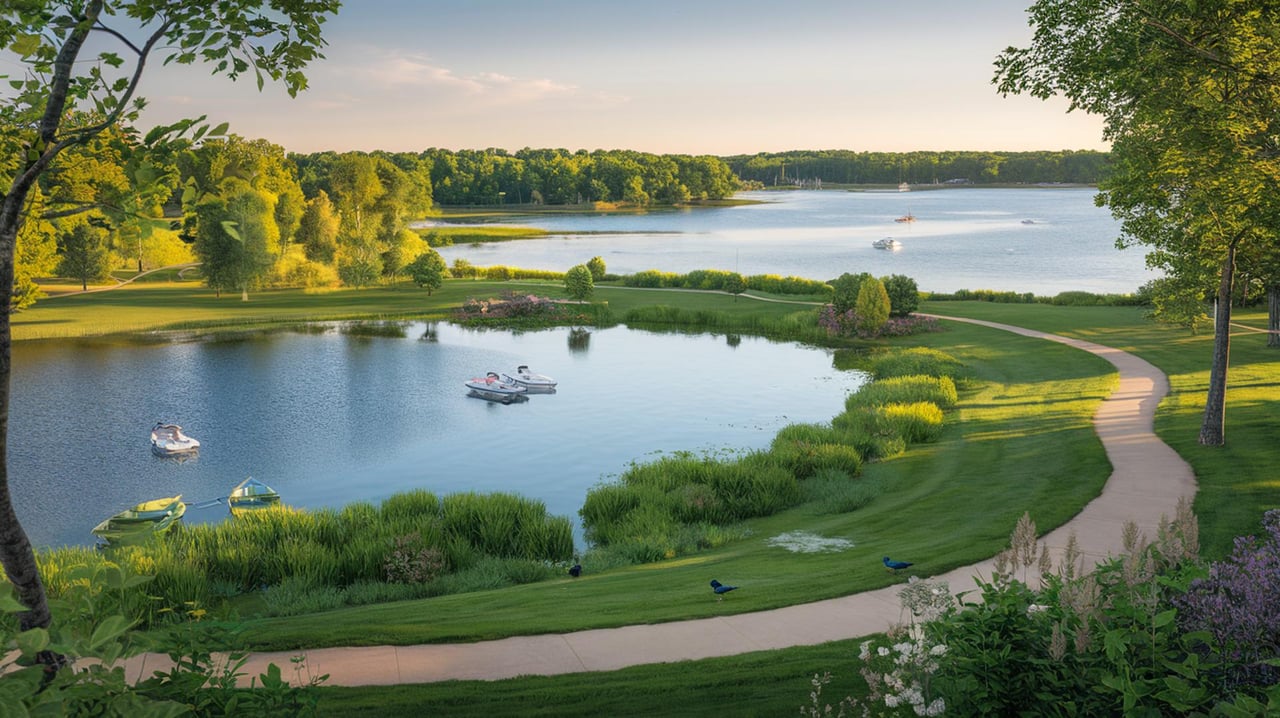
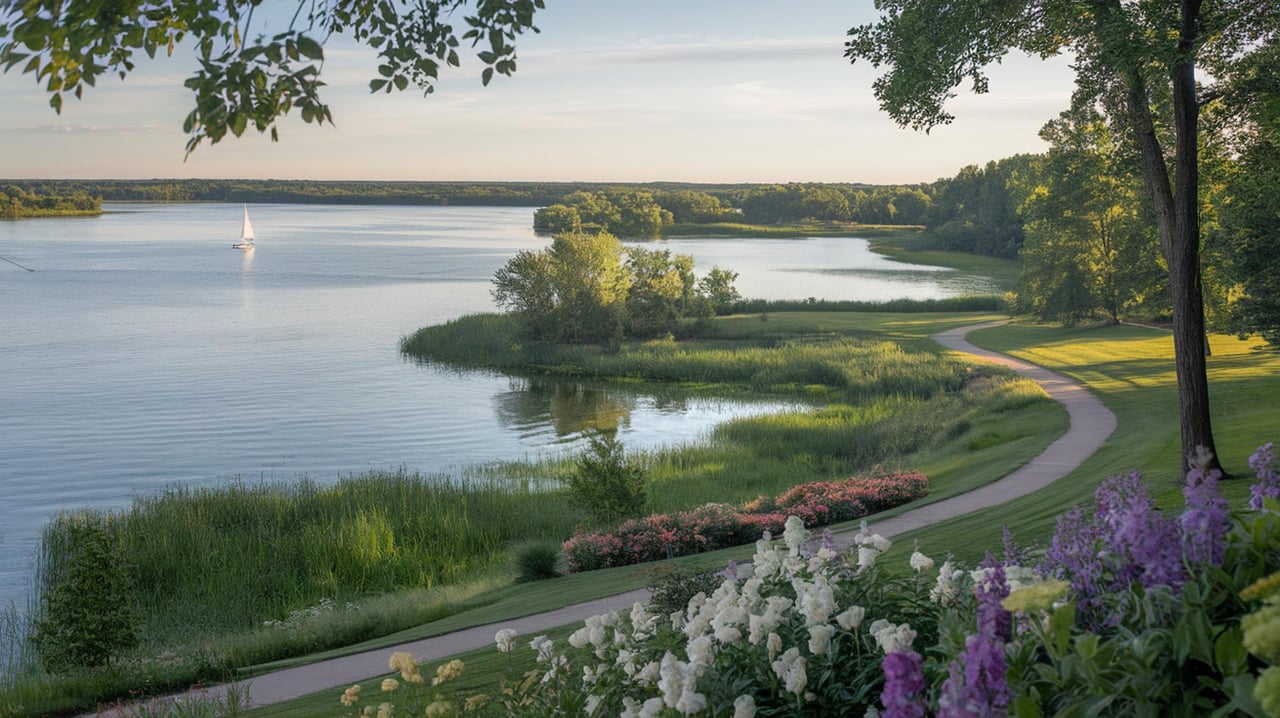
One of Medina’s strongest advantages is that its lower-density setting does not mean isolation from recreation. In fact, the city’s park plan highlights an abundant park system, with major regional assets nearby.
Baker Park Reserve is a standout amenity in the area. The park includes 2,700 acres on Lake Independence, along with 12.5 miles of trails, 19.8 miles of hiking trails, and 9 miles of horseback-riding trails. The horse trails are seasonal and close in winter, which is worth noting if equestrian access is part of your routine.
The Lake Independence Regional Trail adds another layer of convenience. This 15.9-mile paved trail connects Crow-Hassan Park Reserve, Baker Park Reserve, and the Luce Line State Trail, supporting walking, jogging, hiking, dog-walking, inline skating, and bicycling. Within Baker Park Reserve south of County Road 115, a parallel turf trail supports horseback riding and hiking.
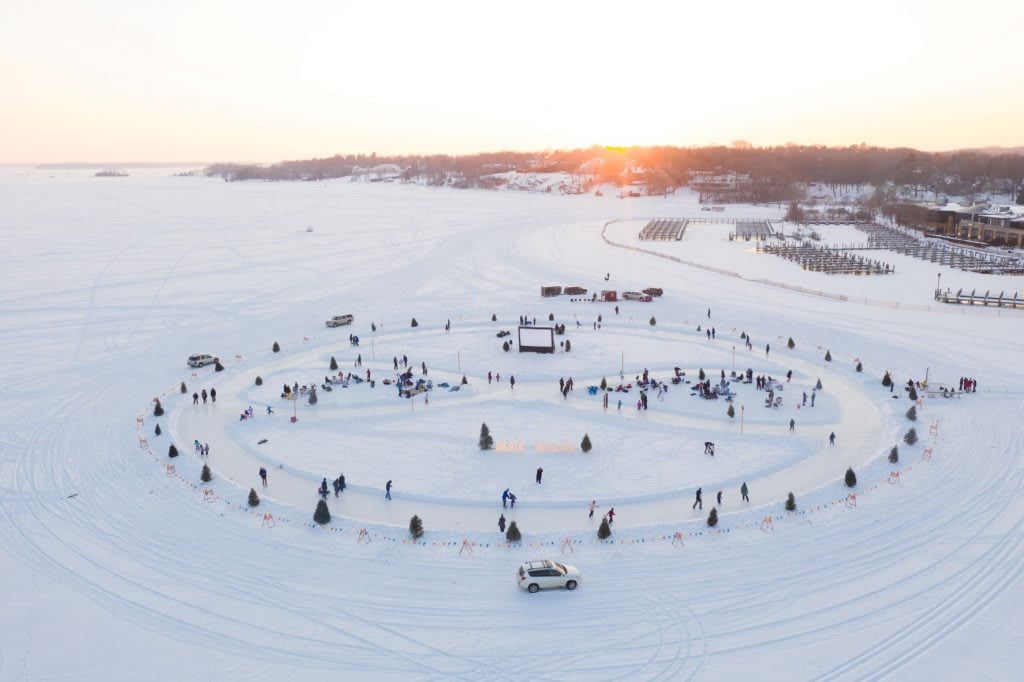
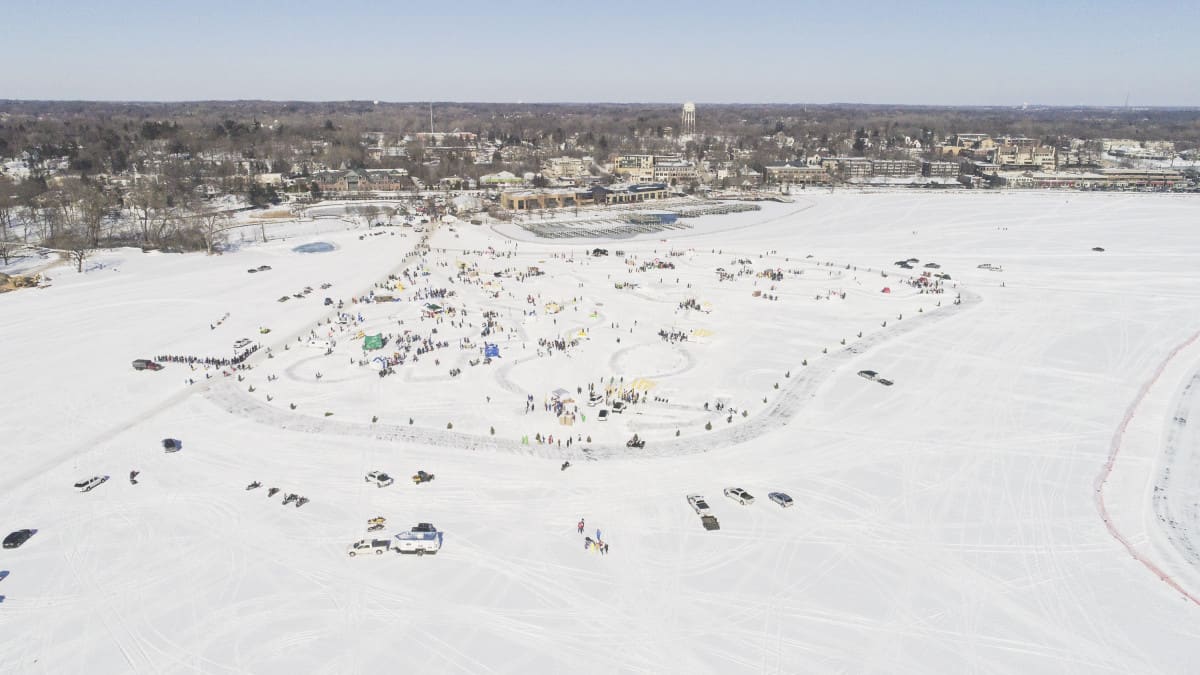
Wolsfeld Woods offers a quieter experience, with old-growth forest identified by the Minnesota Department of Natural Resources and designated horseback-riding trails. Medina also has winter recreation access through the Baker Winter Trailhead, which offers groomed cross-country ski trails and sledding.
What Medina Acreage Feels Like
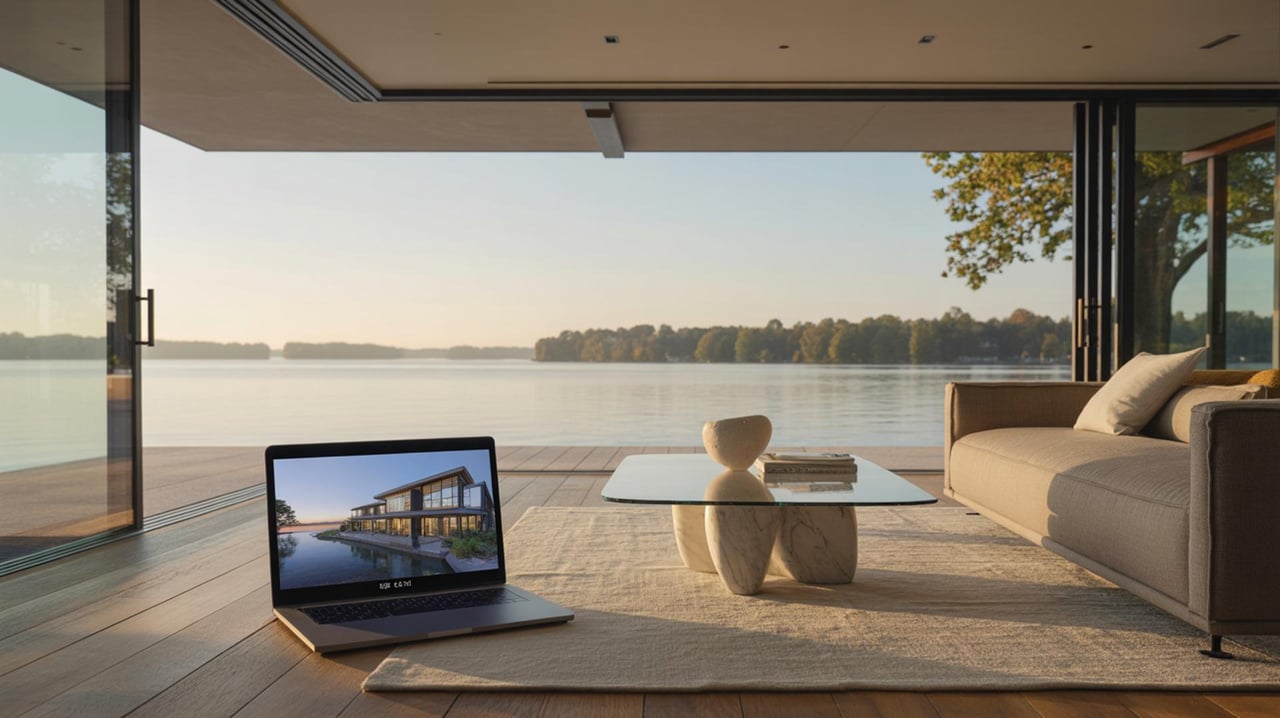
For the right buyer, acreage in Medina offers a distinct kind of living. It can feel private and peaceful, with open views, more breathing room, and space for outdoor routines that are harder to find on a standard lot.
At the same time, it is not a low-maintenance version of suburbia. The experience works best when you value land enough to plan for the maintenance, utility questions, and zoning details that come with it.
That balance is what makes Medina so compelling. You can enjoy a more rural day-to-day setting while staying connected to the western metro, regional parks, and trail systems that support an active lifestyle.
Who Medina Acreage May Suit Best
Medina acreage can be a strong fit if you are looking for:
- More privacy and separation between homes
- Open space and a more estate-style setting
- Room for outdoor recreation or hobby-farm uses
- Potential horse property, subject to parcel rules
- Access to regional trails and parks without moving far outside the metro
It may be less ideal if you want a simpler, lower-maintenance ownership experience. Acreage can be rewarding, but it usually asks more of you in return.
If you are weighing properties in Medina, the key is to look beyond the listing photos. The best decision often comes from understanding how the land is zoned, serviced, and meant to function over time.
When you are evaluating estate and acreage opportunities in the western Twin Cities, working with a team that understands land use, site potential, and lifestyle fit can make the process much clearer. Connect with Turnquist Spilseth Real Estate Group to explore Medina properties with a more informed, design-aware approach.
FAQs
What is acreage living like in Medina, Minnesota?
- Acreage living in Medina often means more privacy, larger lots, open views, and a more rural feel than a typical suburban setting, but it also comes with added maintenance, utility verification, and zoning considerations.
Can you have horses on acreage in Medina?
- Yes, some Medina properties can support horses, but the city regulates animal density, requires at least two acres for livestock or traditional farm animals, and requires animal-waste management and an approved pasture-management program.
Do Medina acreage homes always have city water and sewer?
- No, Medina stages utility service through its Urban Services Phasing Plan, so buyers should verify water and sanitary sewer service on a property-by-property basis.
Are septic inspections required when buying a home in Medina?
- Hennepin County says a home sale in Medina does not require a septic inspection, though septic disclosure is required and lenders may ask for compliance documentation.
What site rules matter for Medina acreage properties?
- In the Rural Residential district, lots five acres or larger have 50-foot side and rear setbacks, and hard-surface coverage is capped at 20 percent of lot area, with items like driveways, patios, paddocks, riding rings, septic areas, and structures counting toward that limit.
What outdoor recreation is near Medina acreage homes?
- Medina offers access to Baker Park Reserve, the Lake Independence Regional Trail, Wolsfeld Woods, and winter recreation at Baker Winter Trailhead, with options for hiking, biking, horseback riding, cross-country skiing, and more.