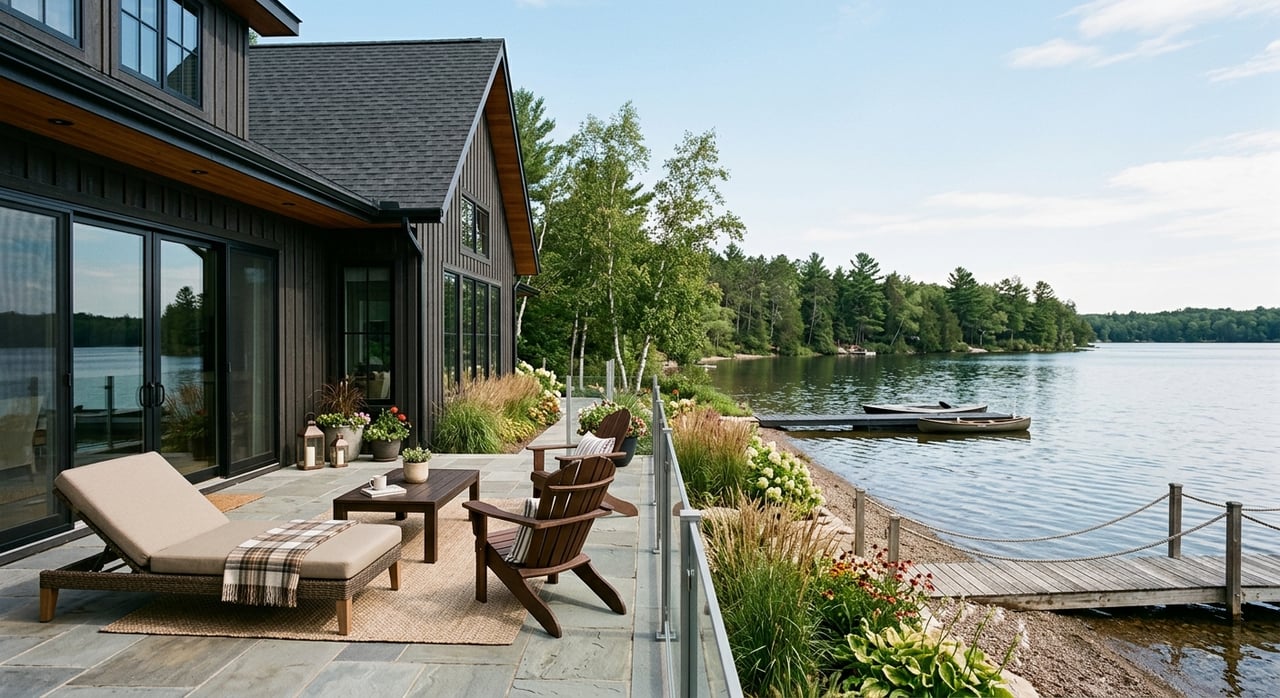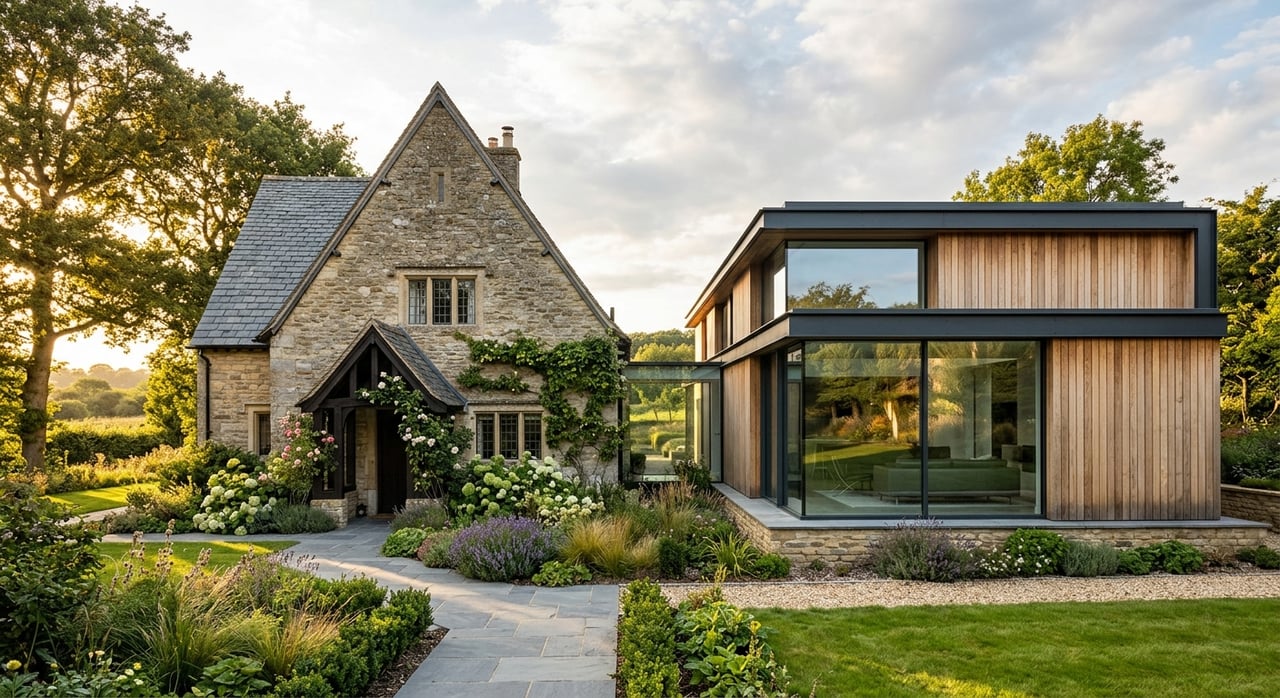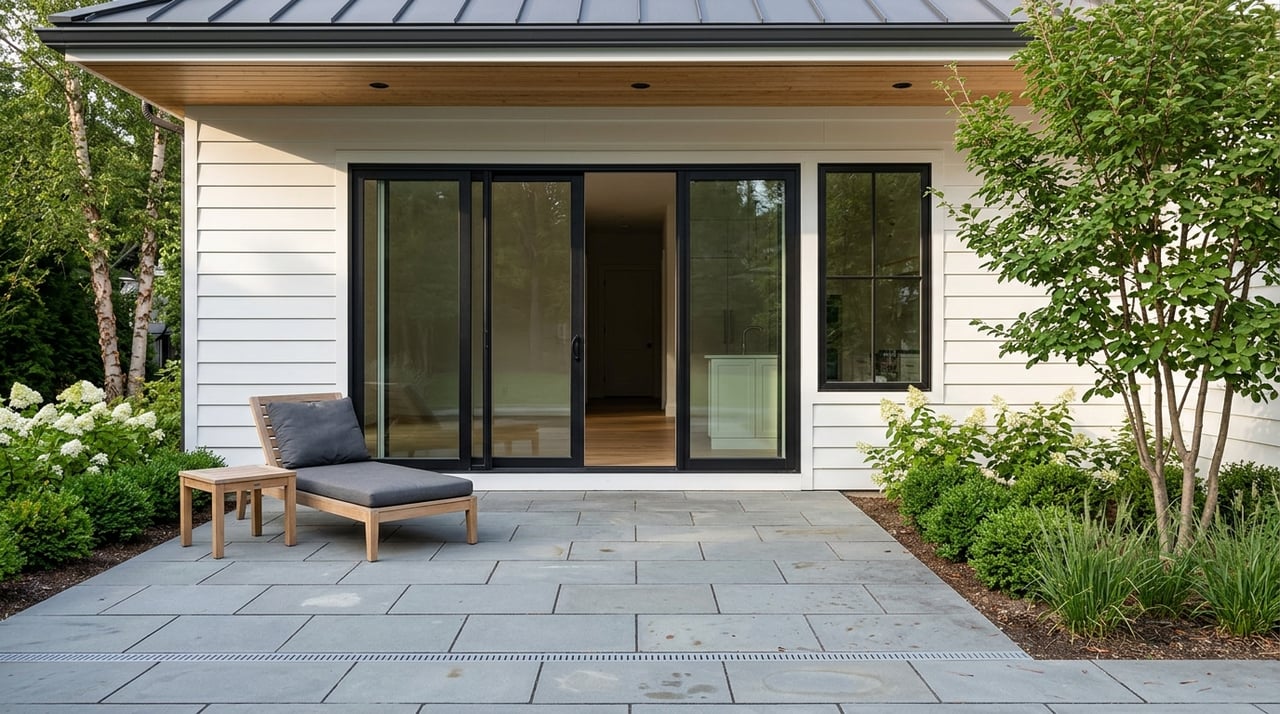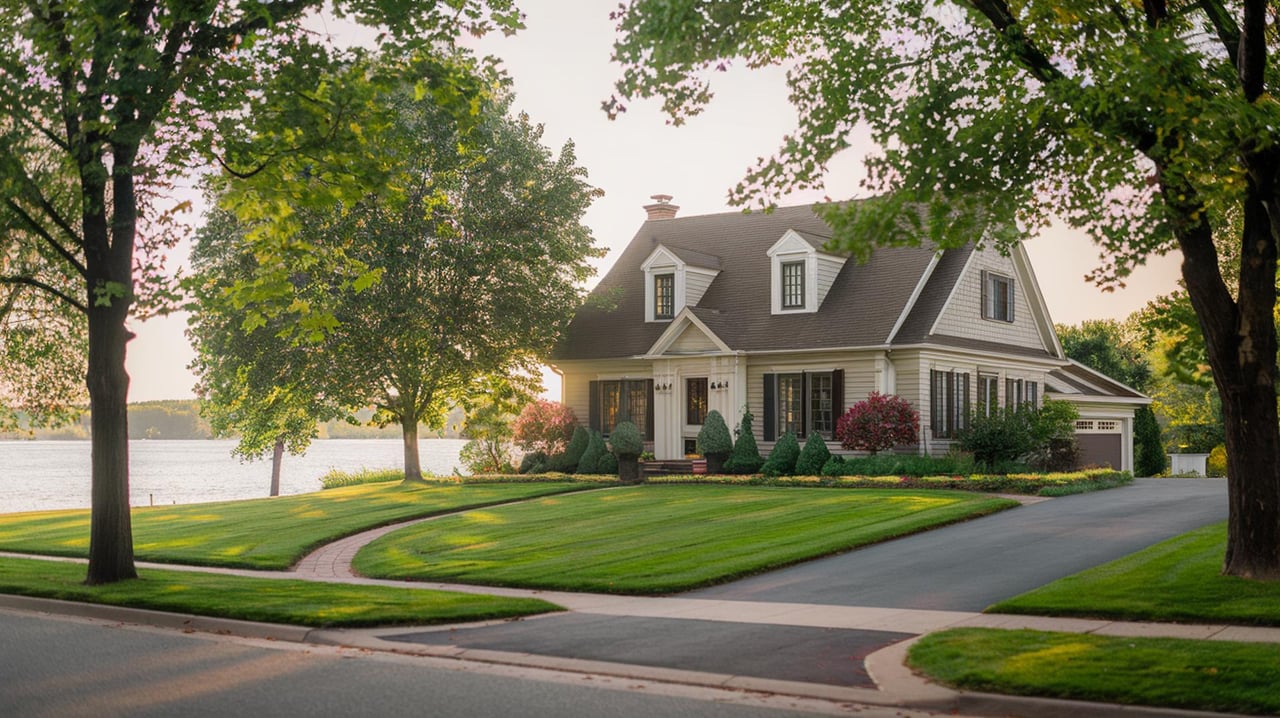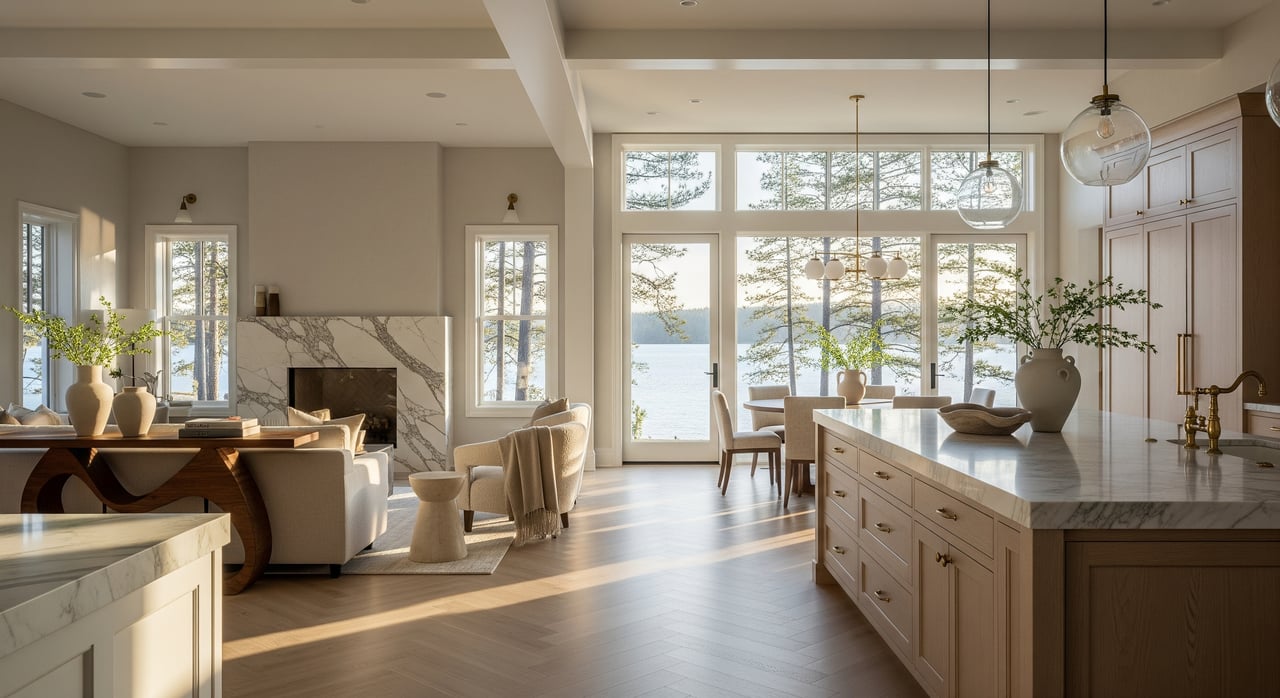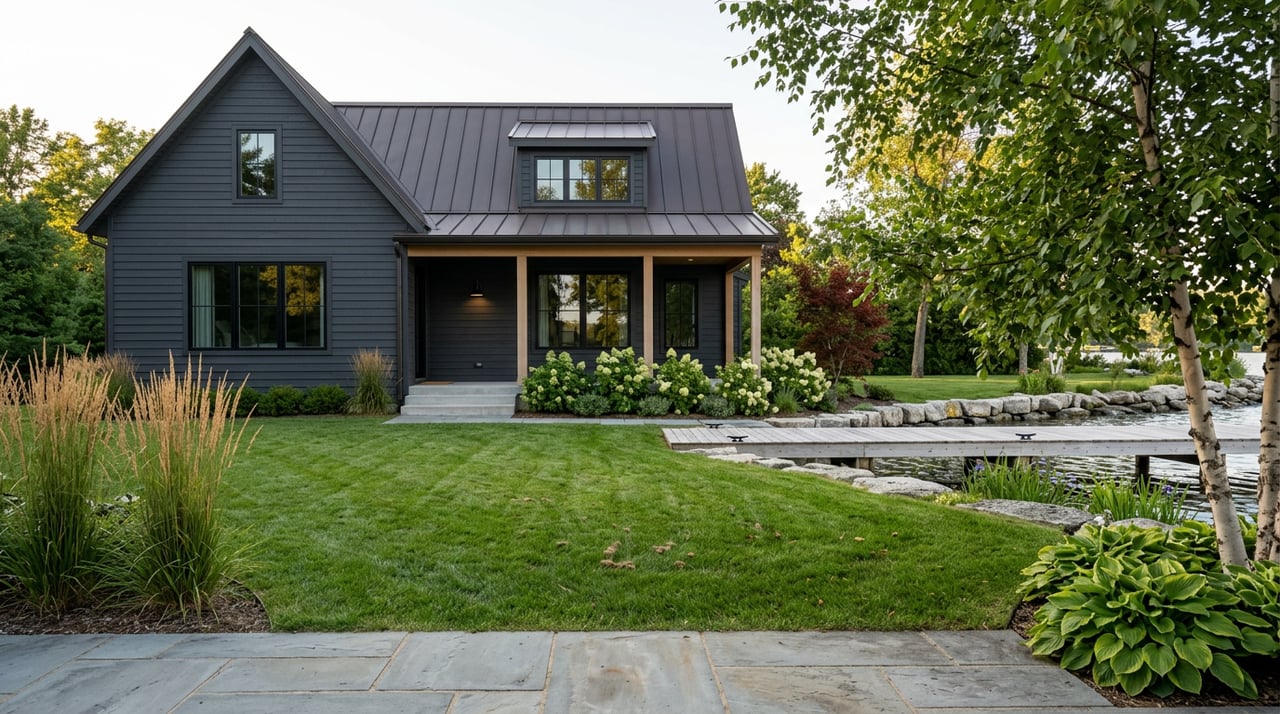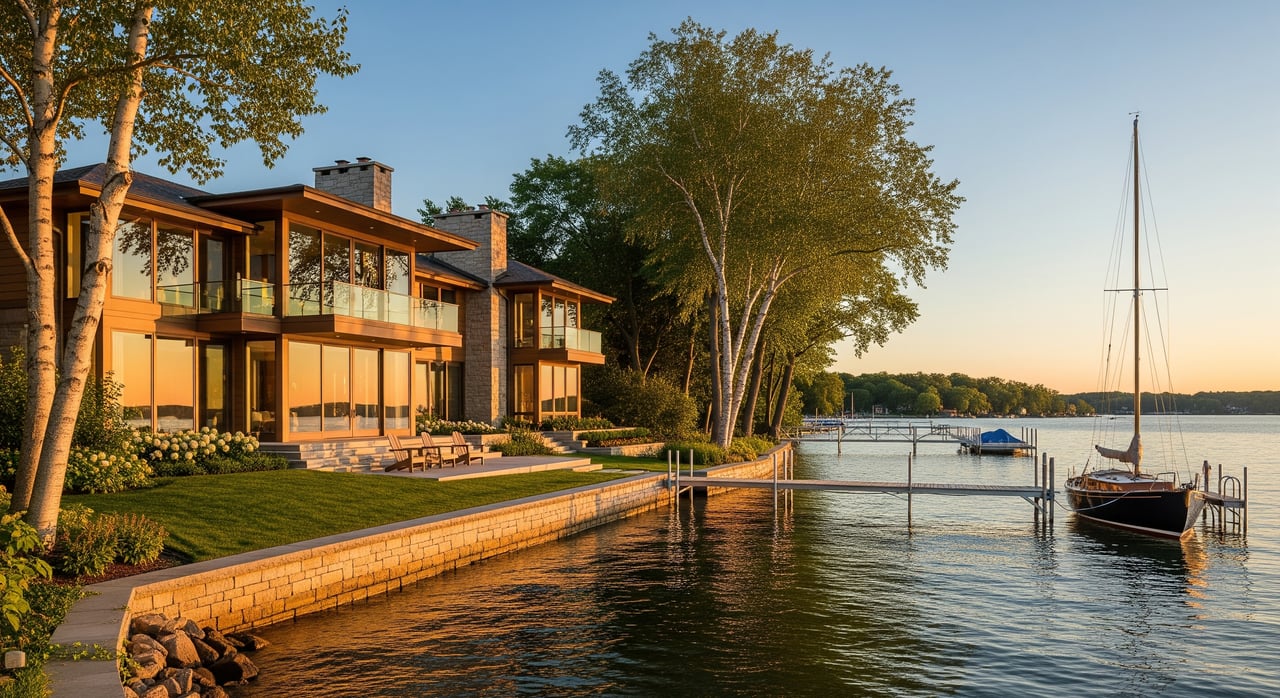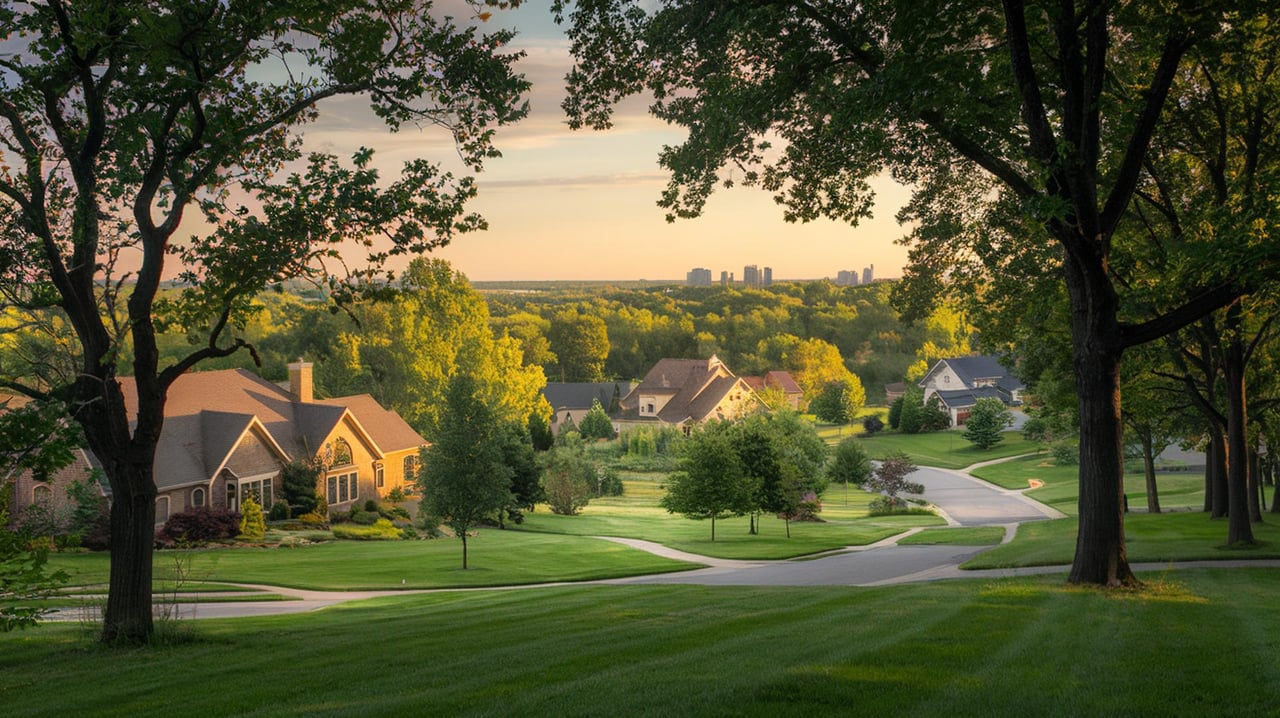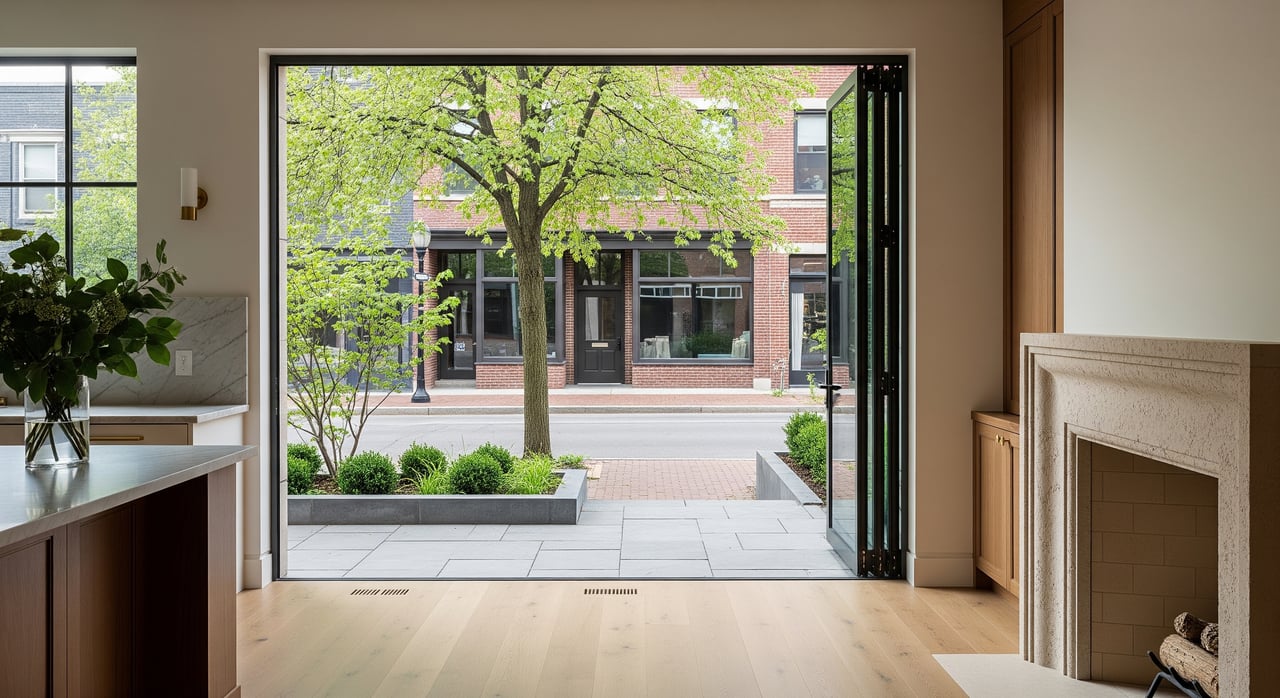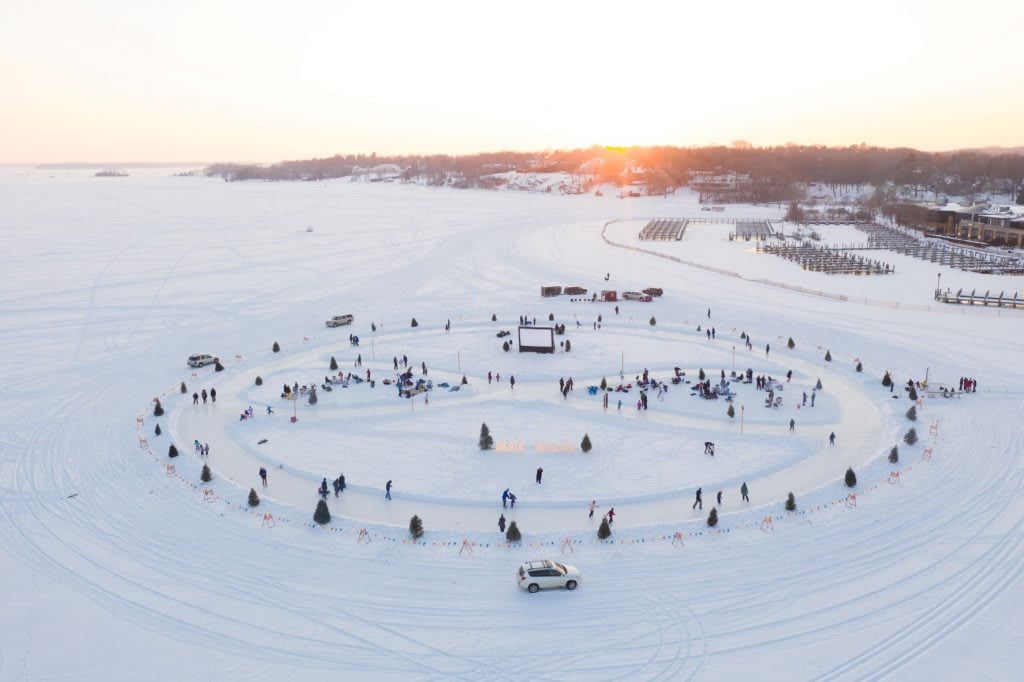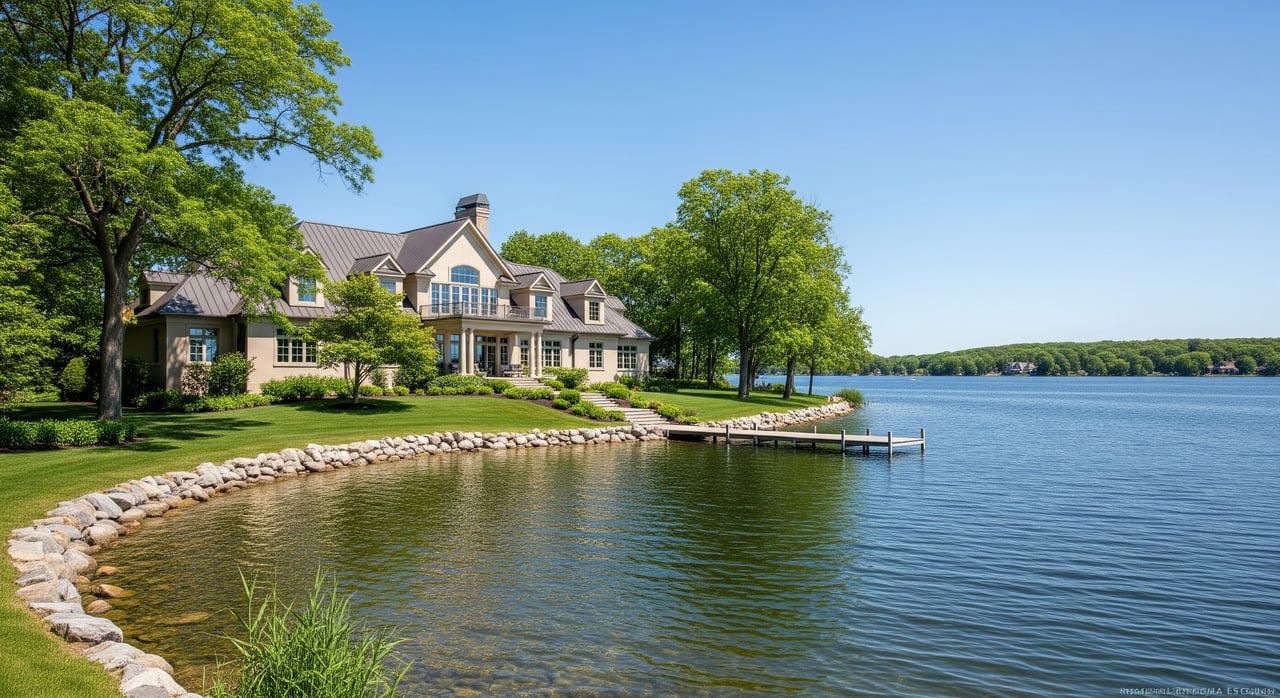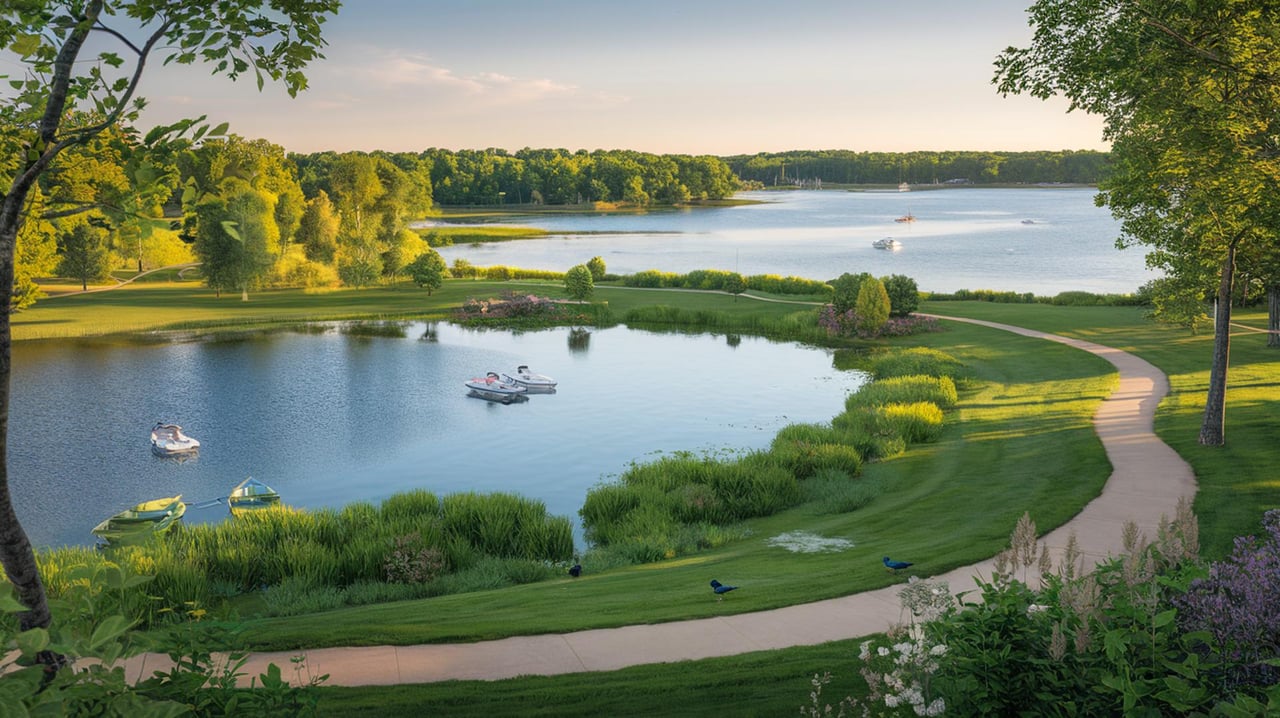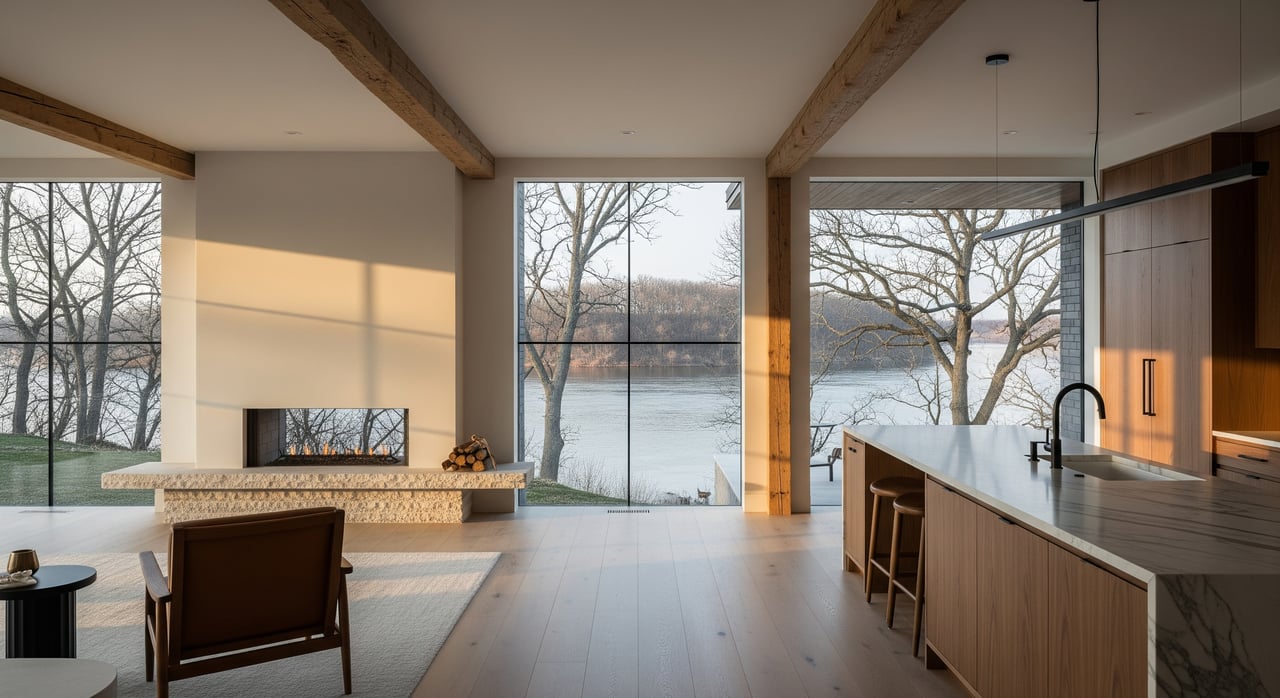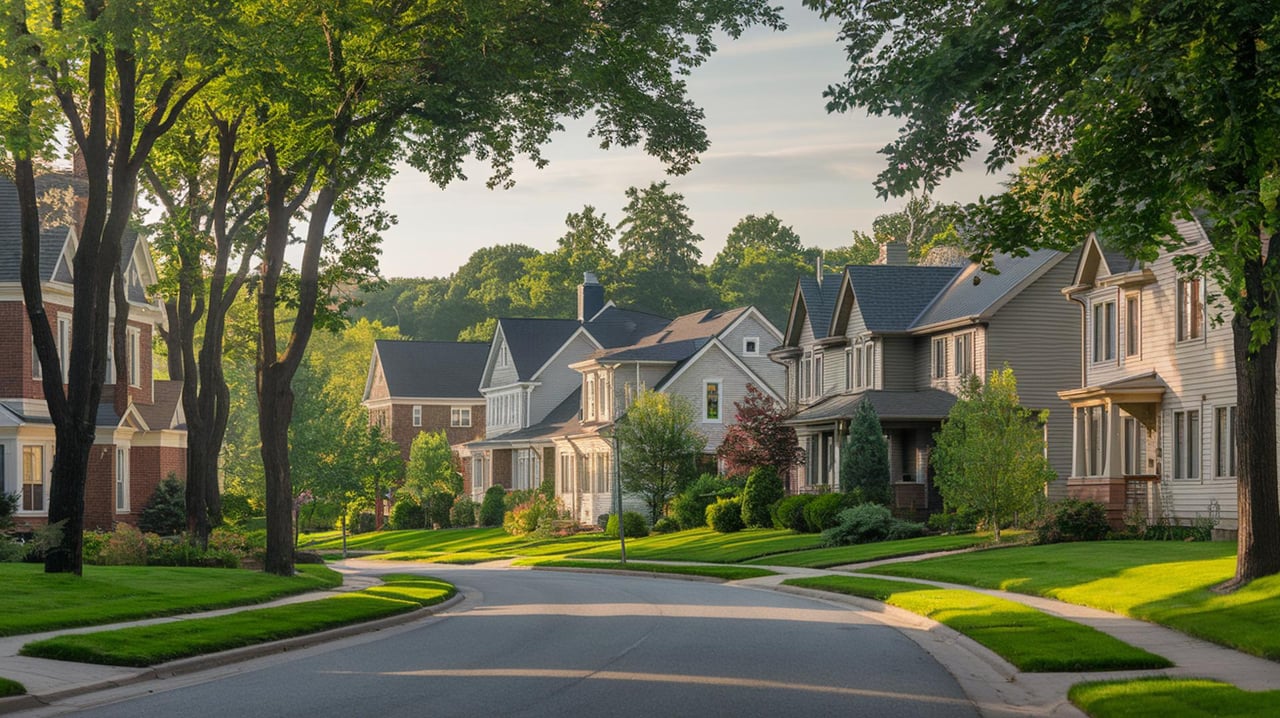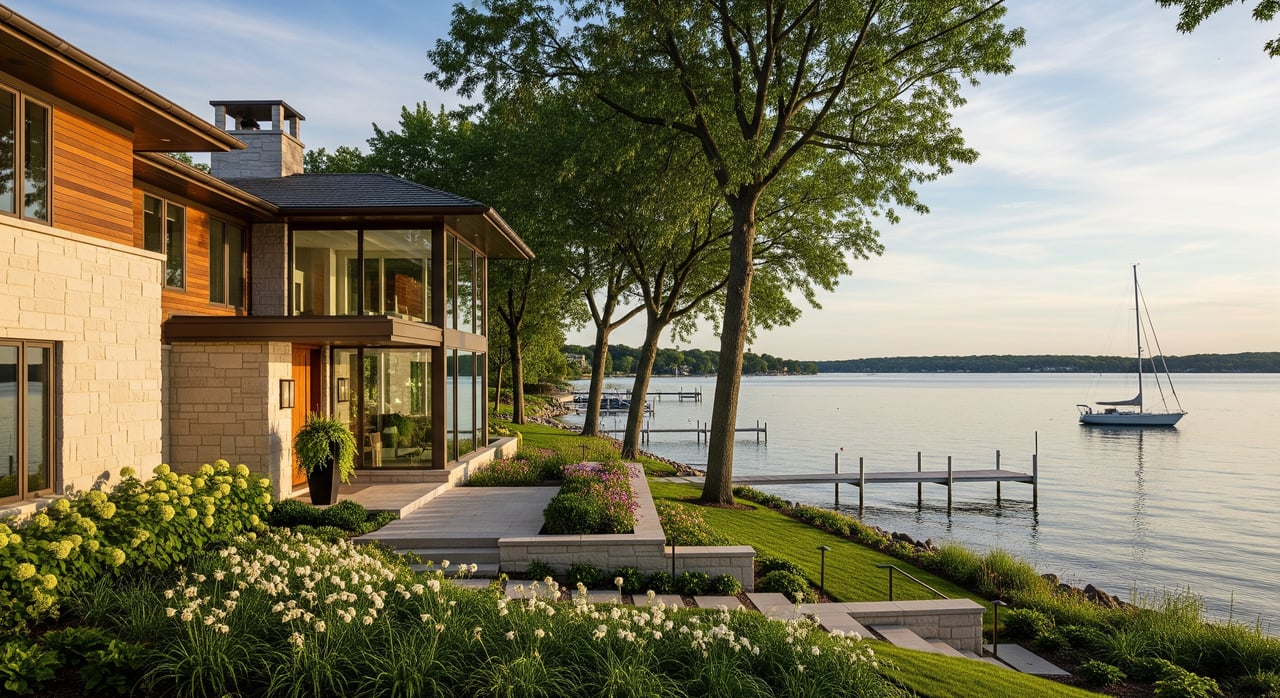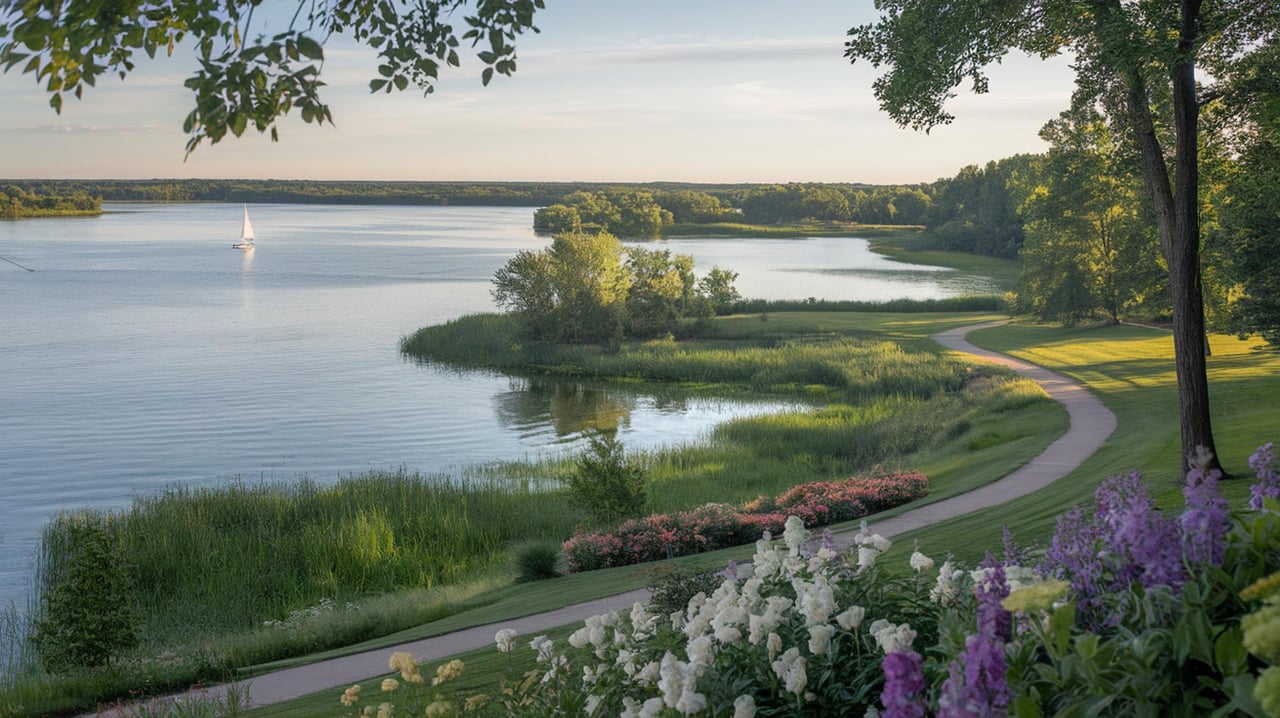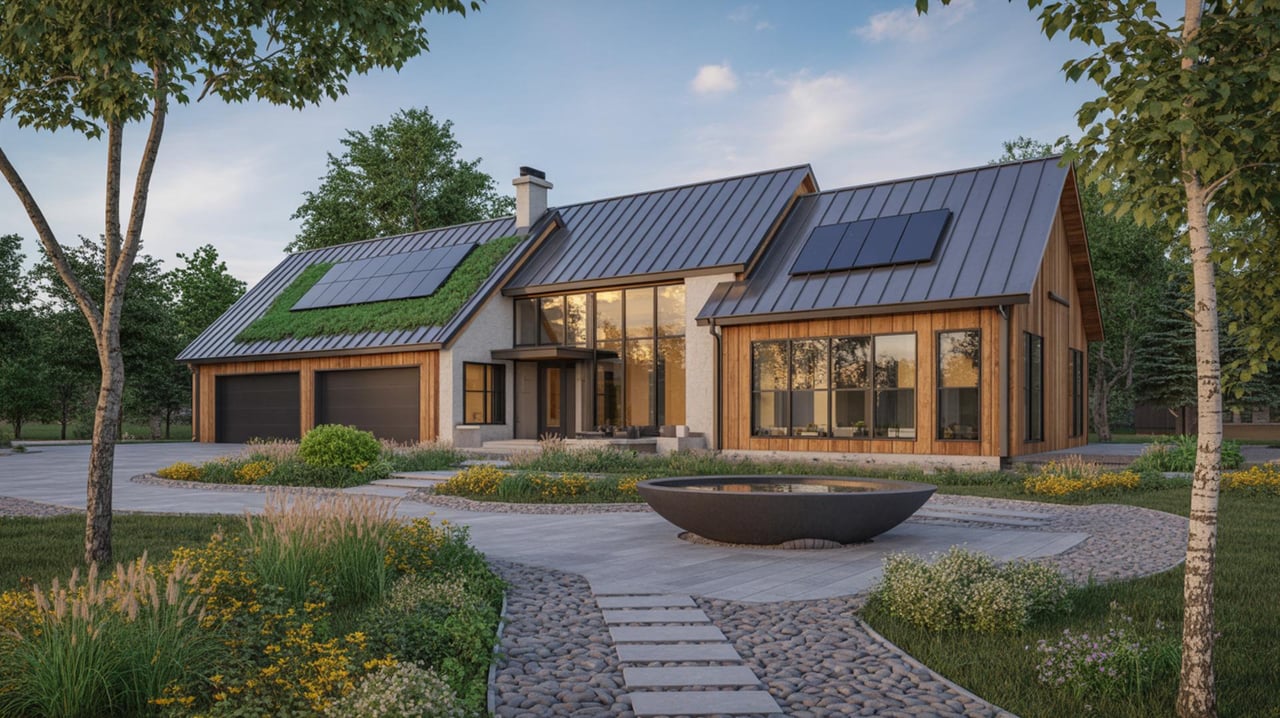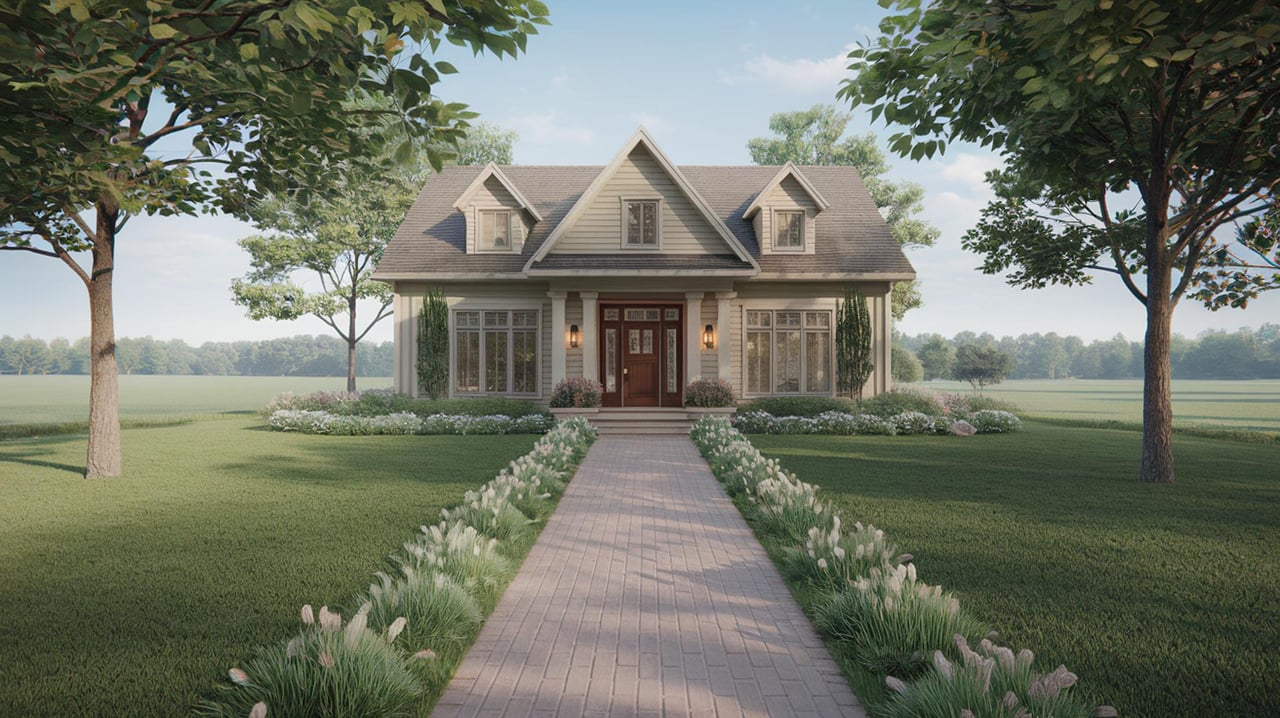
Looking beyond downtown Wayzata is often where the most distinctive kind of luxury begins. If you love Lake Minnetonka but want more privacy, calmer streets, and a more residential feel, you are not alone. The good news is that Wayzata offers several neighborhood pockets that balance prestige with peace, and each one does it a little differently. Let’s dive in.
Why quiet luxury stands out in Wayzata
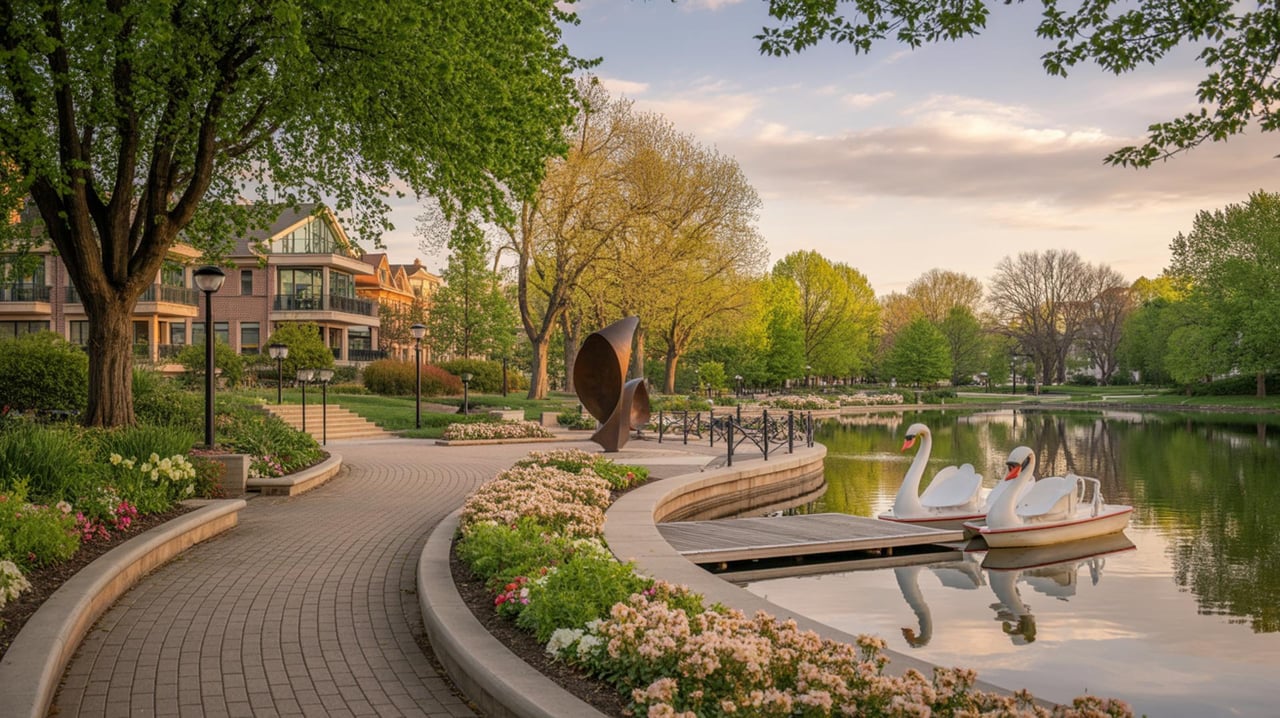
Downtown Wayzata sets the standard for energy, walkability, and lake connection. The city describes its downtown and Lake Street business district as the main commercial anchors, and the Panoway project has strengthened the connection between downtown and Lake Minnetonka, with Phase 2 completed in June 2024.
That vibrant lakefront core is part of what makes Wayzata so appealing in the first place. At the same time, the city’s housing plan points to its unique single-family neighborhoods and individual estates as one of Wayzata’s key strengths, with preservation during infill seen as an important community value.
For you as a buyer, that means the choice is not simply between being in Wayzata or not. It is often a choice between village-center access and quiet residential character.
Downtown as the benchmark
Before comparing quieter neighborhoods, it helps to understand what downtown offers. This is the part of Wayzata most connected to shops, restaurants, community docks, Plaza Park, the lakewalk, and the public shoreline experience.
If your priority is stepping out for dinner, walking near the water, and being in the middle of activity, downtown is the benchmark. But if your idea of luxury leans more toward tree cover, lot depth, and a tucked-away setting, the neighborhoods beyond downtown are where your search often gets more interesting.
Ferndale area for estate privacy
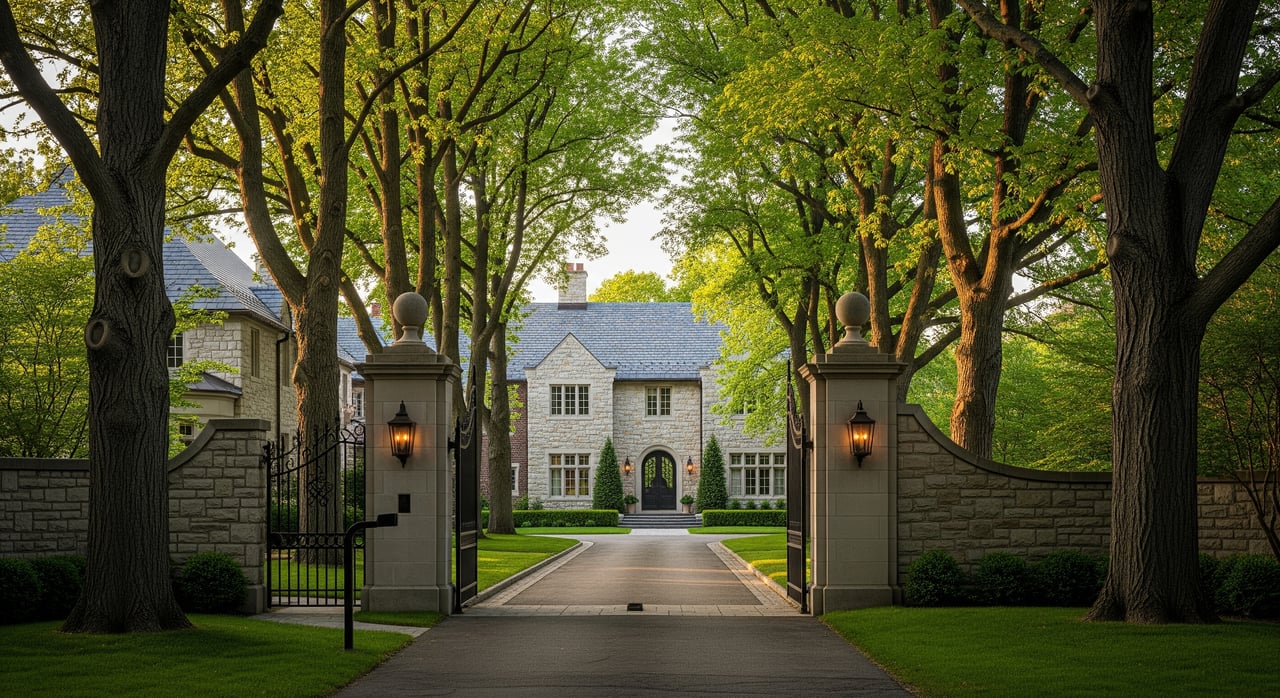
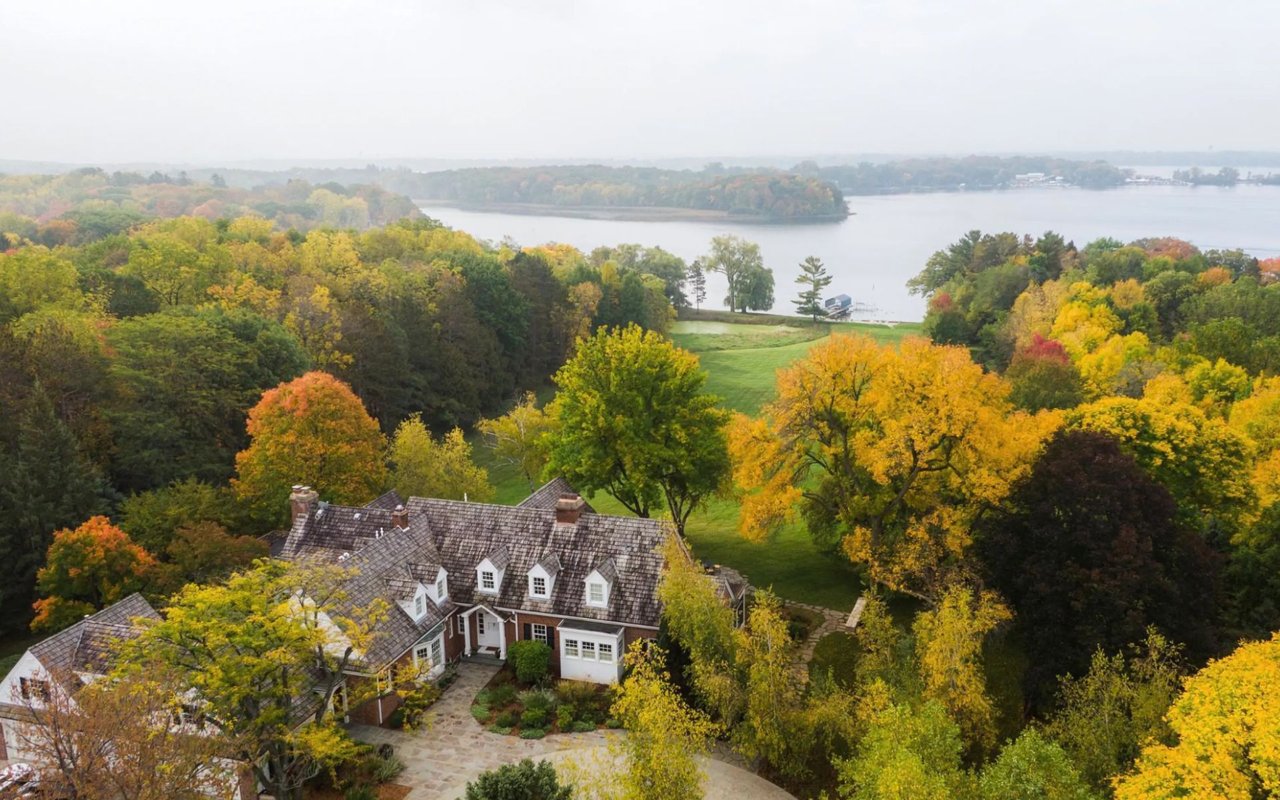
The Ferndale-area pocket, which includes roads and areas such as Ferndale, Harrington, Highcroft, Peavey, Bovey, and Hillside, offers one of the clearest examples of quiet luxury in Wayzata. City materials describe this broader area as a 100-plus-year-old estate neighborhood shaped by mature trees, bluffs, wetlands, irregular lot shapes, and topography that influenced the street pattern over time.
That physical setting matters. It creates a neighborhood feel that is more secluded and less tied to the public-facing lakefront energy of downtown.
Lot size is a major part of the appeal here. City filings describe established neighborhood lots ranging from 17,620 square feet to 275,147 square feet, with some parcels in an R-1A zoning context that requires a minimum lot area of 80,000 square feet.
In practical terms, this is the pocket to consider when you want:
- Larger lots
- More separation between homes
- Mature landscape and topographic character
- A residential setting that feels private rather than busy
It is important to note that this area is not defined by direct downtown walkability. It remains close to the lakefront core, but it reads more like a secluded residential enclave than a village-center address.
Old Holdridge for in-town charm
If your version of quiet luxury includes character and classic neighborhood design, Old Holdridge deserves a close look. The city’s zoning study describes the district as having an asymmetrical plat, curving streets, and a traffic circle shaped by the railway-suburb model.
That gives the neighborhood a distinct pattern and rhythm compared with more conventional subdivisions. The same study also notes that early homes in the area included both larger fashionable houses and more modest but stylish dwellings built from pattern-book and contractor plans.
This is not the same big-lot estate story you find in Ferndale. Old Holdridge is made up of single-family detached homes, with a minimum lot area of 9,000 square feet, 60-foot minimum width, and 100-foot minimum depth.
What you gain instead is a quieter, older, and more granular in-town neighborhood. For many buyers, that makes it one of the best options when they want:
- Historic charm
- Quiet residential streets
- In-town proximity without constant downtown activity
- A classic Wayzata streetscape
If you want a neighborhood that feels rooted in Wayzata’s older residential fabric, Old Holdridge stands out.
Gleahaven for balanced single-family living
Gleahaven and the surrounding Gleason Lake Road area offer a different kind of luxury. This pocket feels more suburban in form and less driven by the lakefront identity that shapes downtown.
City project materials for the area describe a neighborhood where existing lots range from 13,000 to 38,000 square feet. A recent preliminary plat narrative also described proposed single-family lots ranging from 15,580 to 15,996 square feet, with an average near 15,000 square feet.
The home mix is also clearly defined in city materials. The neighborhood includes both ramblers and two-story homes, and proposed homes in that filing were expected to range from 3,800 to 4,700 square feet.
For you, Gleahaven may be the right fit if you want:
- A quieter single-family neighborhood
- Respectable lot sizes without estate-scale land
- A mix of older homes and newer custom construction
- A setting that feels residential and low-key
This area works well as a middle ground. It does not aim for Ferndale-scale privacy, and it does not offer the same historic personality as Old Holdridge, but it can be a strong match if you want comfortable space and a quieter daily rhythm.
Areas with more redevelopment activity
Not every neighborhood beyond downtown offers the same sense of stability or long-established character. City redevelopment findings show that the area north of Wayzata Boulevard, east of Barry Avenue, south of Highway 12, and west of Gleason Creek saw 17 new homes built between 2019 and 2024.
According to the city, that represented 31 percent of all single-family tear-downs and rebuilds in Wayzata during that period. Staff also noted a pattern in some redeveloped homes of maximizing building footprint, minimizing front-yard setbacks, and keeping driveways short.
That does not make this area undesirable. It simply means it may feel more like a transition zone shaped by active change than one of the city’s most settled quiet-luxury pockets.
If your priority is architectural consistency, lower turnover, or a more established neighborhood identity, you may be more drawn to Ferndale or Old Holdridge. If you are open to newer housing patterns and an evolving streetscape, this kind of area may still deserve consideration.
How to choose the right fit
In Wayzata, quiet luxury is not one single look. It can mean estate-scale privacy, historic residential charm, or a polished single-family pocket with a calm setting.
A simple way to think about your options is this:
- Downtown/Panoway for walkability, restaurants, and direct lakefront energy
- Ferndale/Highcroft/Peavey area for mature trees, irregular lots, and estate-style privacy
- Old Holdridge for historic character and quieter in-town streets
- Gleahaven for a quieter single-family setting with mid-size lots and a mix of home styles
The right neighborhood depends on how you want your day-to-day life to feel. Some buyers want to walk to the shoreline and dining. Others want a home that feels tucked away, design-forward, and grounded in a more private residential setting.
What matters most in a quiet-luxury search
When you tour beyond downtown, look past surface-level labels and focus on the physical traits that shape your experience of a neighborhood. In Wayzata, details like lot size, street pattern, topography, tree cover, and redevelopment pressure can dramatically change how an area feels.
This is especially important in a market where luxury can show up in different forms. One home may deliver value through acreage and privacy, while another may stand out for architectural character and proximity to the heart of town.
A design-aware search can help you narrow the field faster. When you understand how each neighborhood is built and how it is evolving, you can choose a location that fits not just your budget, but your lifestyle and long-term goals.
If you are exploring quiet luxury in Wayzata, the team at Turnquist Spilseth Real Estate Group can help you compare neighborhood character, design potential, and property fit with a thoughtful local perspective.
FAQs
What makes downtown Wayzata different from other Wayzata neighborhoods?
- Downtown Wayzata is the city’s most walkable, lake-connected area, with access to Lake Street, the lakewalk, community docks, shops, restaurants, and the Panoway lakefront connection.
Which Wayzata neighborhood is best for estate-size lots and privacy?
- The Ferndale-area pocket, including areas like Highcroft, Peavey, Bovey, Harrington, and Hillside, is the strongest match for buyers who prioritize mature trees, irregular lots, and estate-scale privacy.
What defines Old Holdridge in Wayzata?
- Old Holdridge is known for its curving streets, traffic circle, older residential pattern, and classic in-town character, making it a strong option for buyers who want charm and quiet proximity to downtown.
How does Gleahaven compare with other Wayzata neighborhoods?
- Gleahaven offers a quieter single-family setting with lot sizes that are generally smaller than estate areas but still substantial, along with a mix of older homes and newer custom homes.
Are all neighborhoods beyond downtown Wayzata equally stable in character?
- No. City redevelopment findings show that some areas, especially parts north of Wayzata Boulevard, have seen a higher share of tear-downs and rebuilds, which can create a more change-active neighborhood feel.