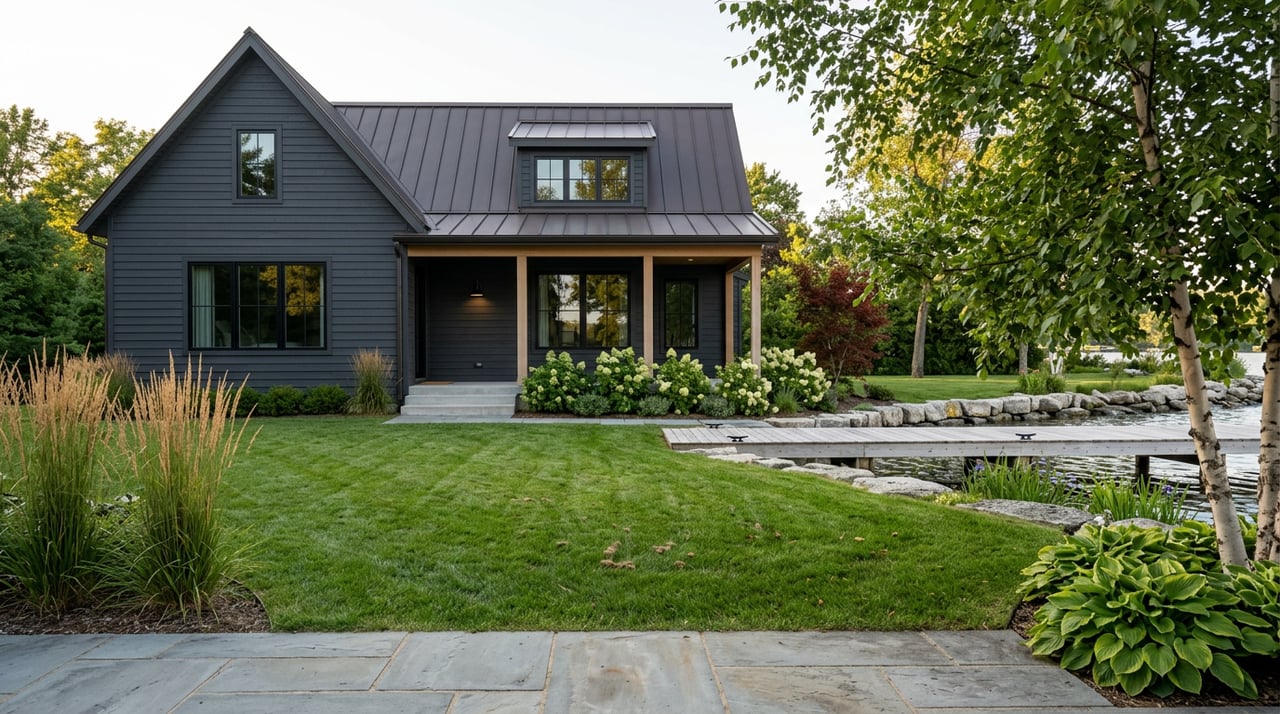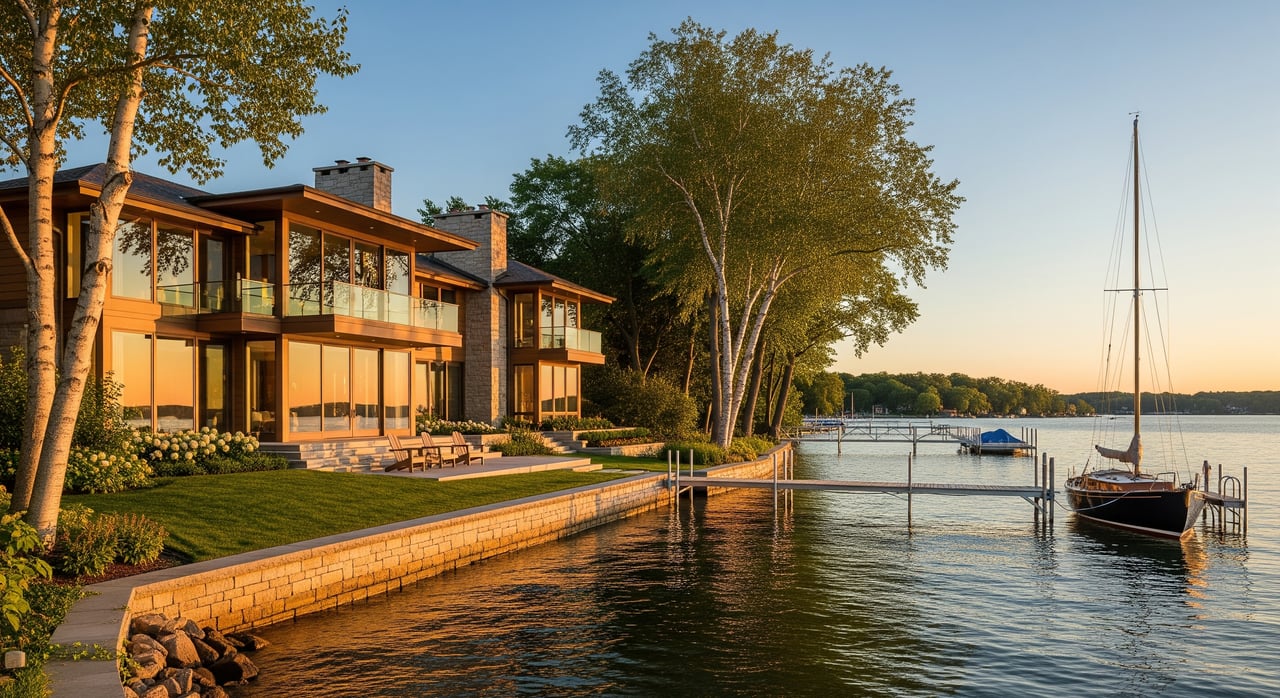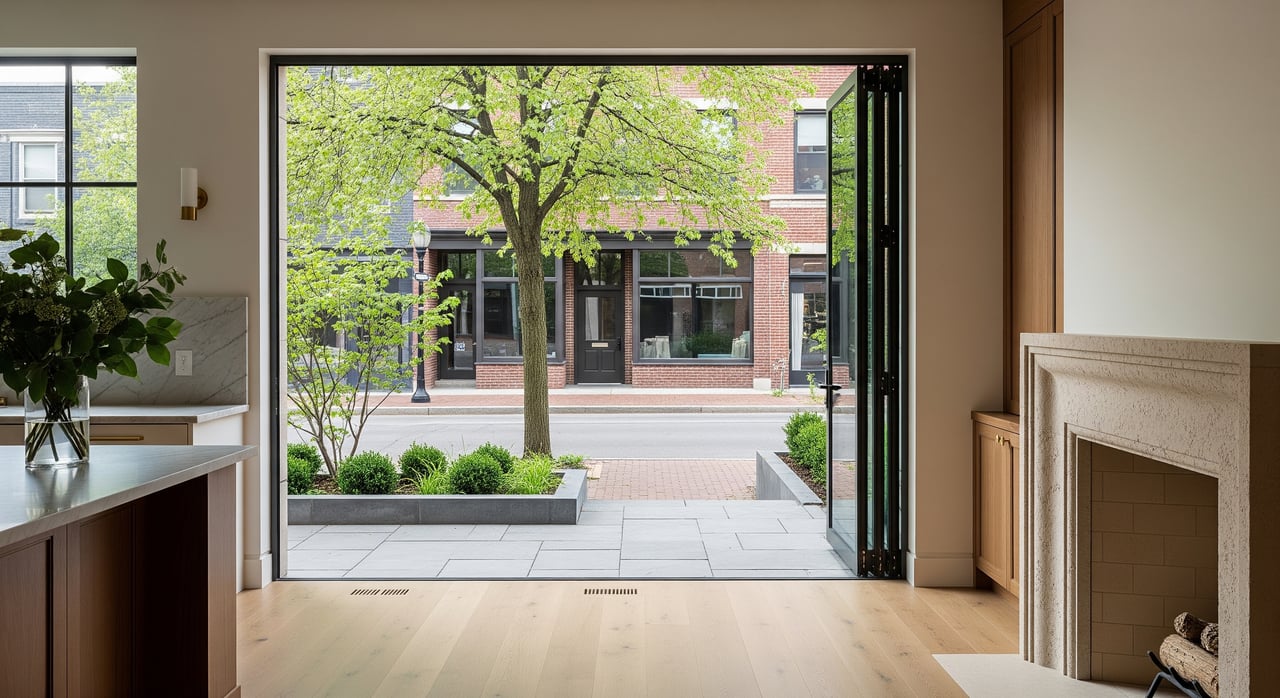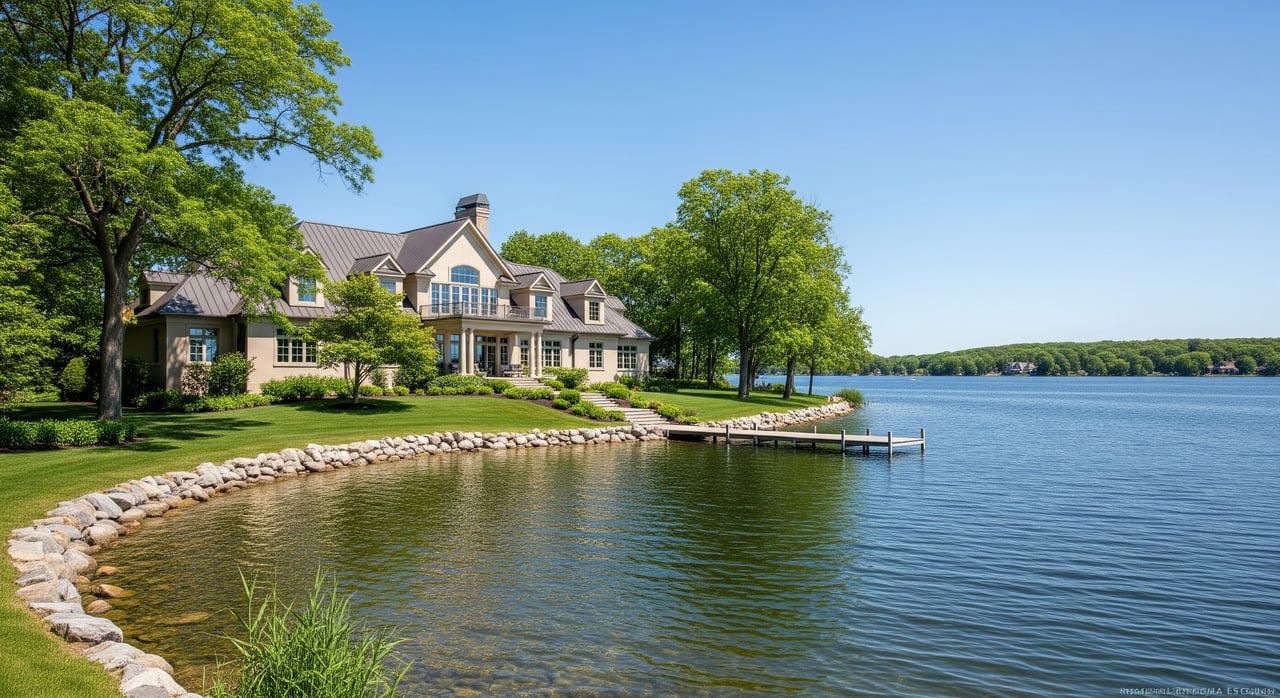
If you want a downtown lifestyle without giving up the lake, Downtown Wayzata stands out right away. It offers a rare mix of walkable daily routines, direct access to Lake Minnetonka, and a compact village feel that is hard to find in the western Twin Cities. If you are wondering what it is really like to live here day to day, this guide will help you picture the setting, the rhythm, and the practical tradeoffs. Let’s dive in.
Downtown Wayzata at a Glance
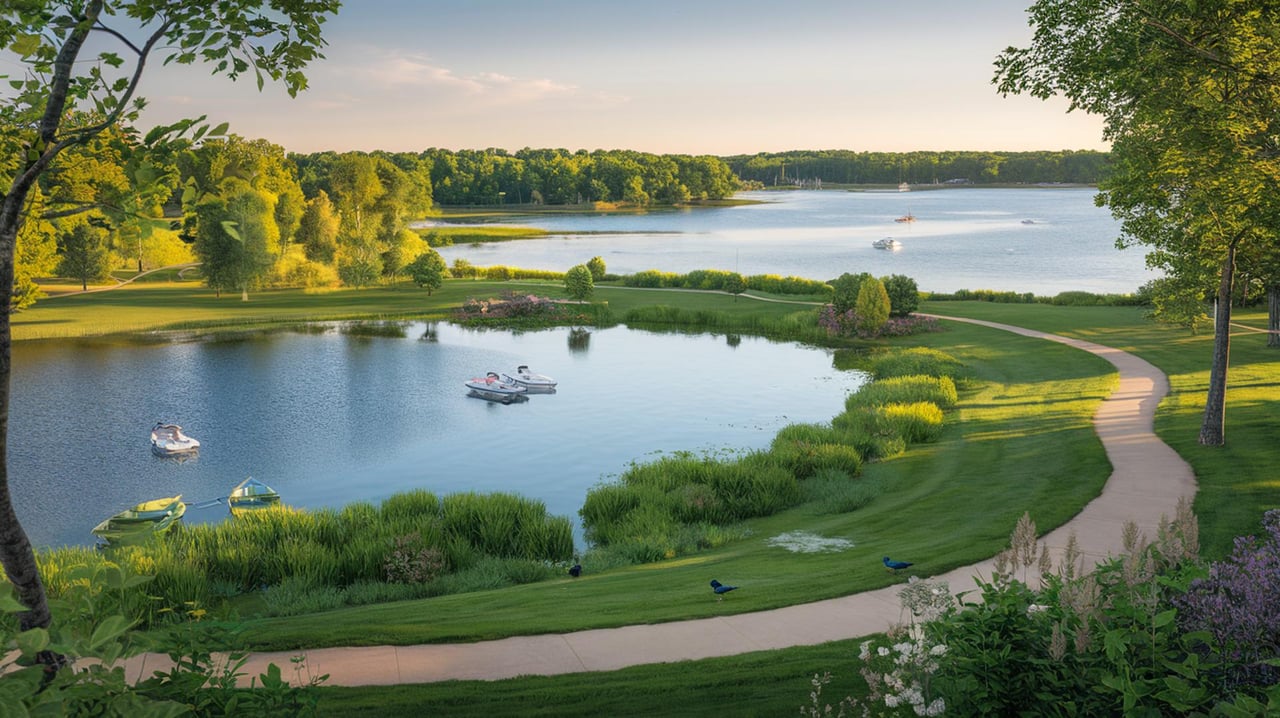
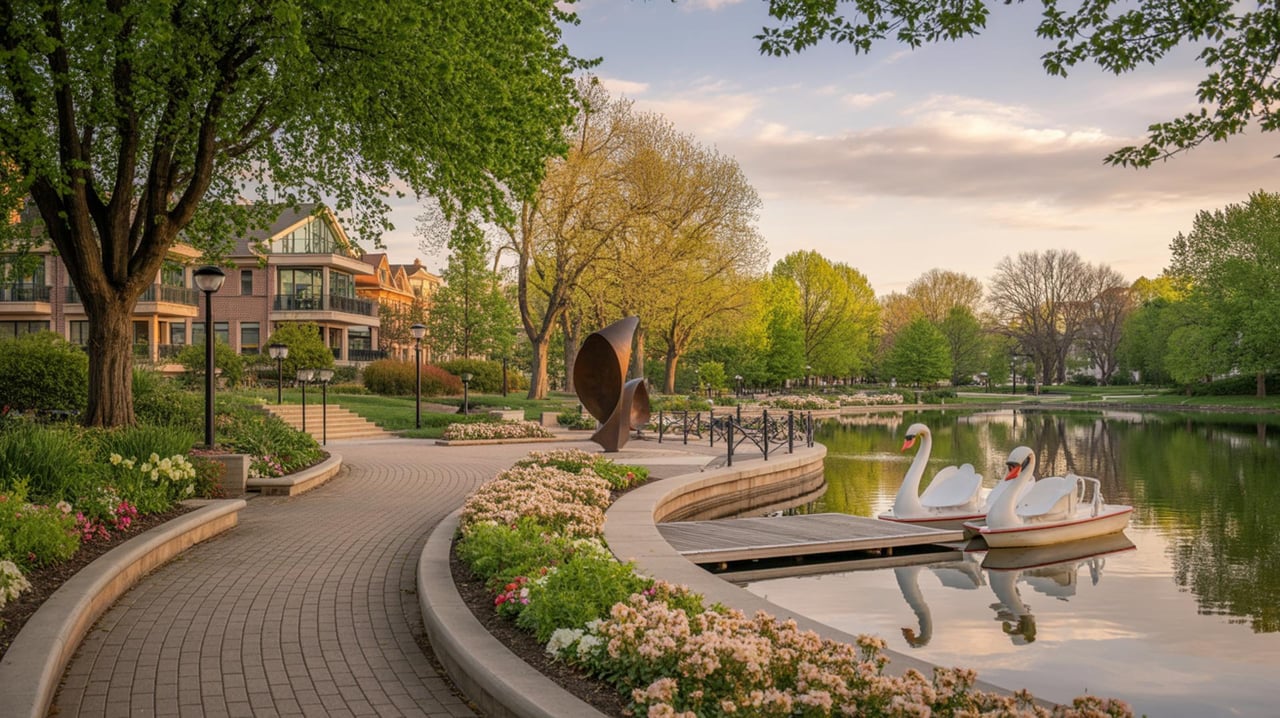
Downtown Wayzata sits on the north shore of Lake Minnetonka at Wayzata Bay, about 11 miles west of Minneapolis. The city describes itself as a lakeside village, and that identity shows up in both the physical setting and the way downtown is planned. The waterfront is not just a backdrop here. It plays a central role in how people move through the area, spend free time, and experience the city.
City planning materials also point to a strong focus on walkability, open space, and stewardship of Lake Minnetonka. That matters if you are looking for a place where daily life feels connected to the outdoors. In Downtown Wayzata, the lake is part of the routine, not an occasional destination.
What Daily Life Feels Like
The heart of downtown is centered on Lake Street and Wayzata Boulevard. Lake Street is described by the city as the town’s main street, with shops, boutiques, restaurants, and local businesses gathered close together. Many of the restaurants are within a short walk of the water, and some offer lake views that shape the whole experience of being downtown.
That setup gives the area a more compact, social feel than a typical suburban commercial district. You are not just driving from one parking lot to another. You are more likely to park once, walk a few blocks, and spend time moving between the lakefront, local businesses, and public spaces.
Lake Access Is Part of the Lifestyle
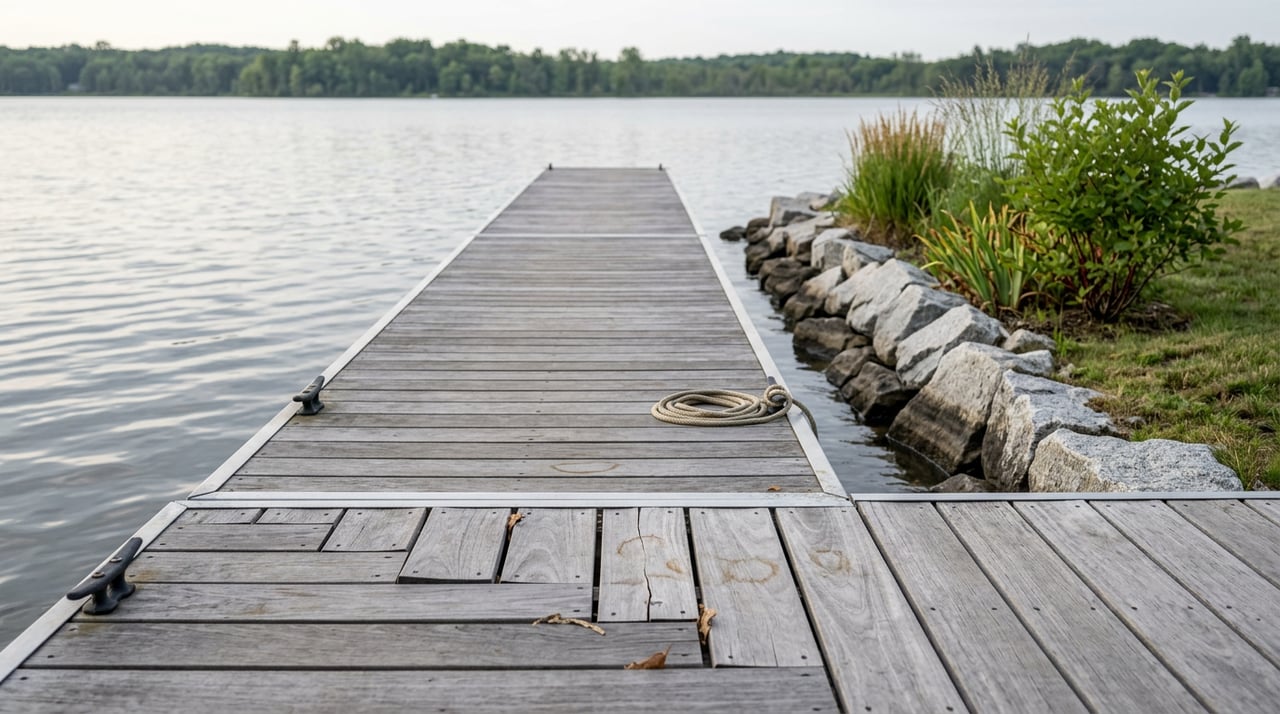
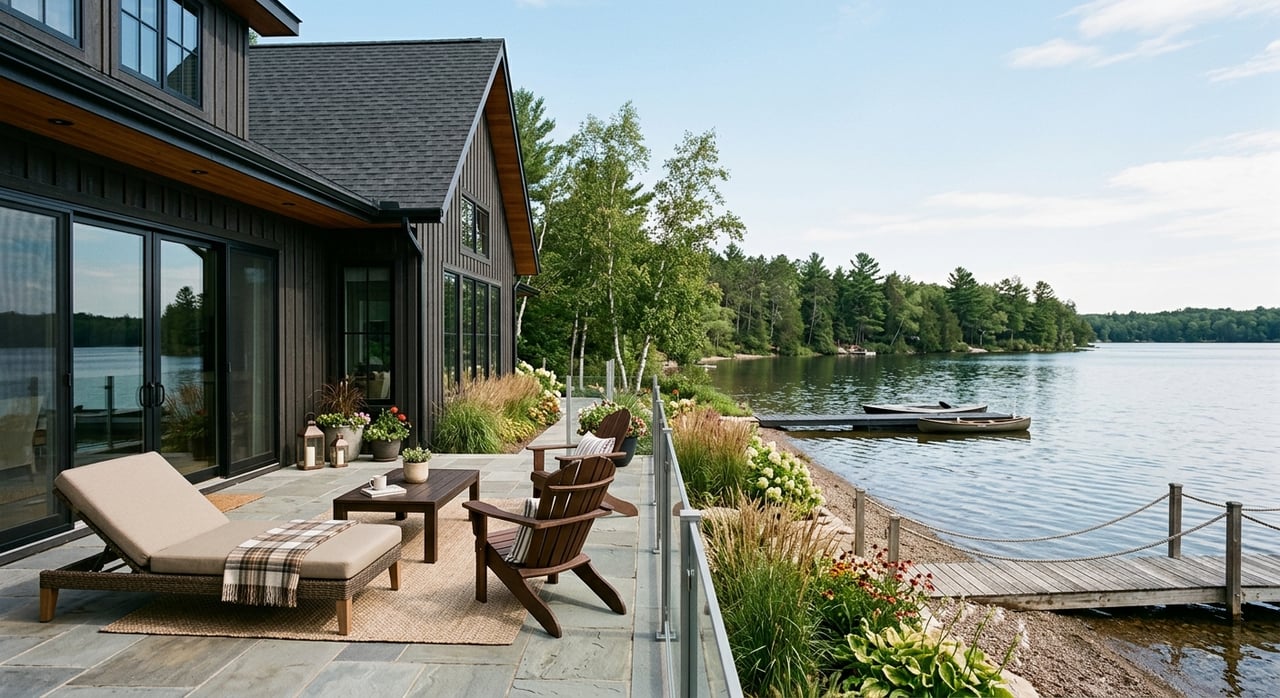
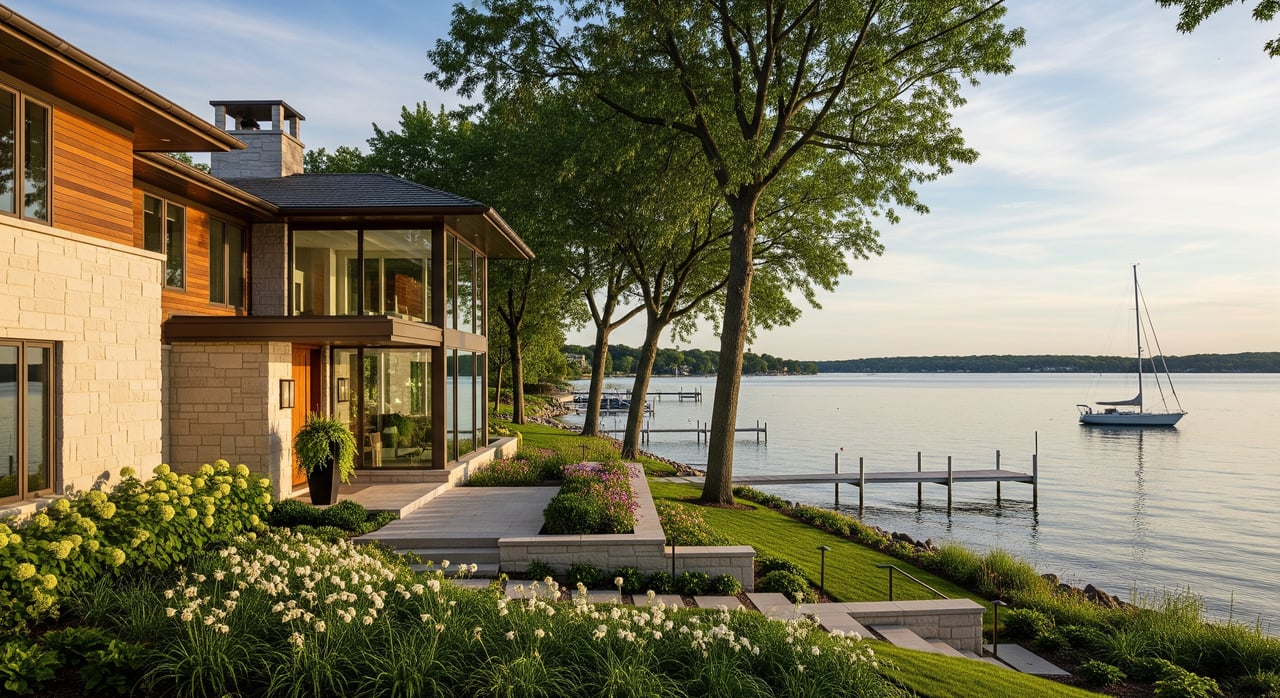
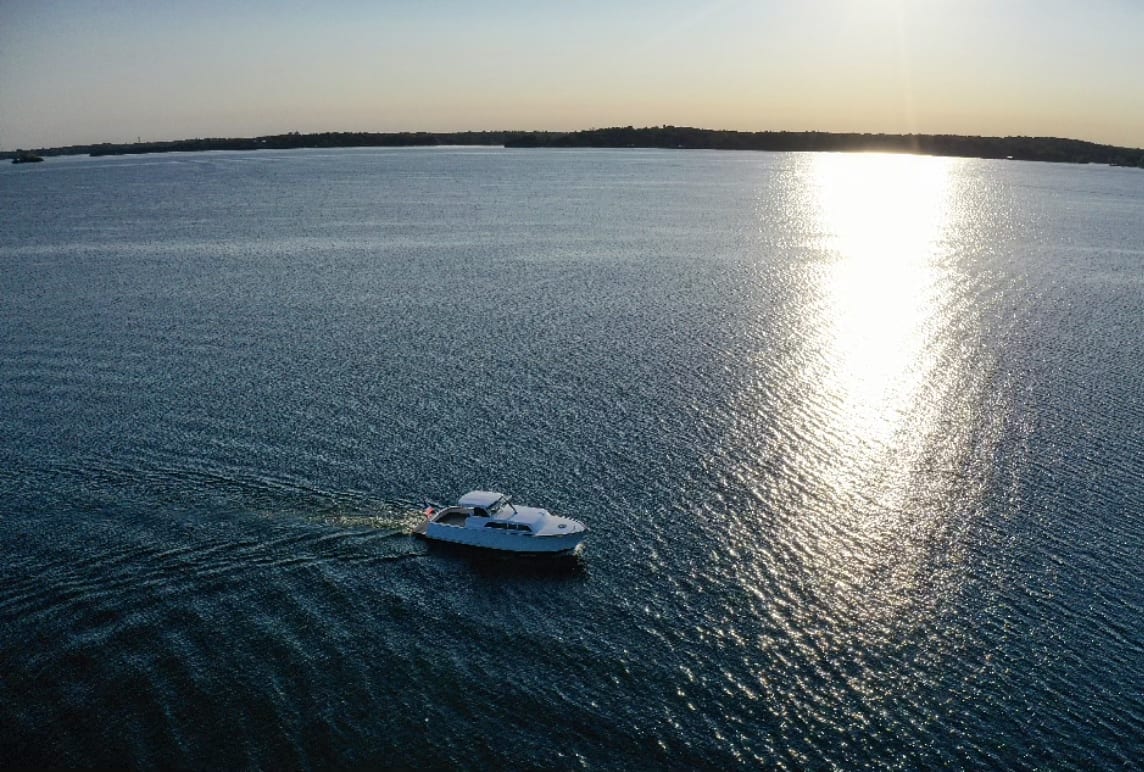
One of the biggest differences between Downtown Wayzata and many other town centers is that lake access is practical as well as scenic. The city maintains a 100-slip municipal marina at Barry Avenue and Grove Lane. It also operates short-term public docks near the historic Depot and at Broadway and Lake Street.
Those public access points make it easier to arrive by boat, spend time in city parks, and visit downtown businesses. In the summer, weekend dock staff assist boaters, which supports a smoother experience on busy lake days. If your ideal lifestyle includes boating or simply being close to that activity, downtown delivers a level of access that is built into the city itself.
Panoway Changed the Waterfront Experience
A major reason downtown feels more connected to the lake today is Panoway on Wayzata Bay. According to city design information, this public-realm project added community docks, shoreline restoration, a boardwalk, and a more pedestrian-friendly Lake Street. It also expanded sidewalks, added protected bike access, and preserved on-street parking while supplementing free public parking downtown.
For residents, that means the public spaces near the water feel more intentional and more usable. The design supports strolling, gathering, biking, and pausing by the shoreline. It also helps create stronger visual and physical connections to Wayzata Bay, which is a core part of downtown’s appeal.
Walking and Biking Are Easier Here
If you value the ability to move around without always relying on a car, Downtown Wayzata has some clear strengths. The city’s planning and design standards consistently emphasize walkability, and that shows in the layout of the downtown core. Streets, sidewalks, and public areas are designed to support a more active street life.
The Dakota Rail Regional Trail is another major asset. Three Rivers Park District describes it as a 13.5-mile paved trail with scenic views of Lake Minnetonka, and the city identifies Wayzata as one of its starting points at Grove Lane. An added practical bonus is that the trail is plowed in Wayzata during winter, which helps extend its usefulness beyond the warm-weather months.
Housing Is More Varied Than You Might Expect
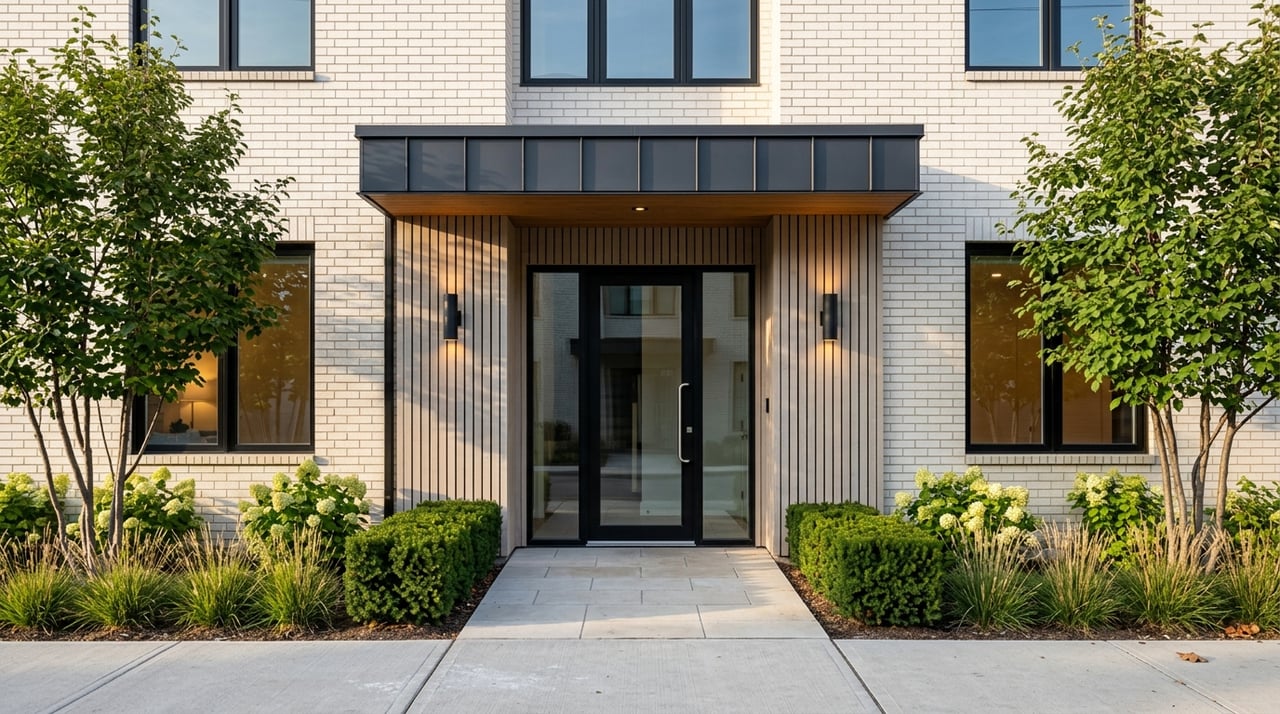
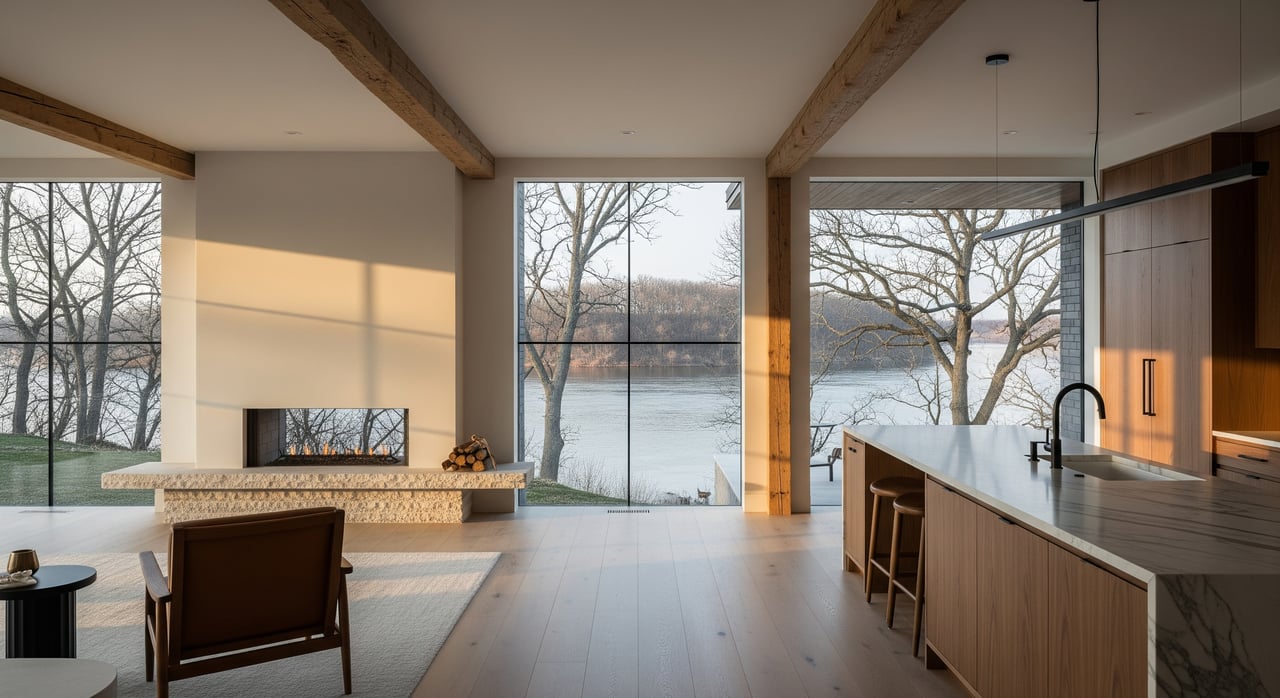
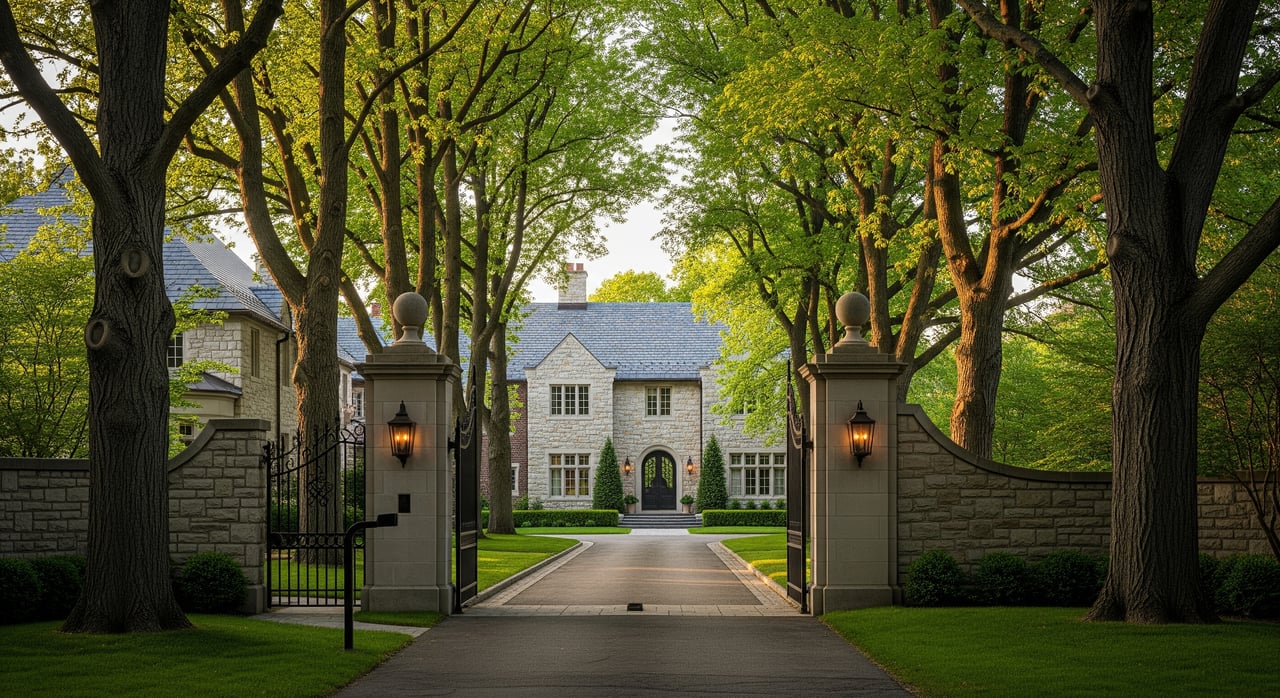
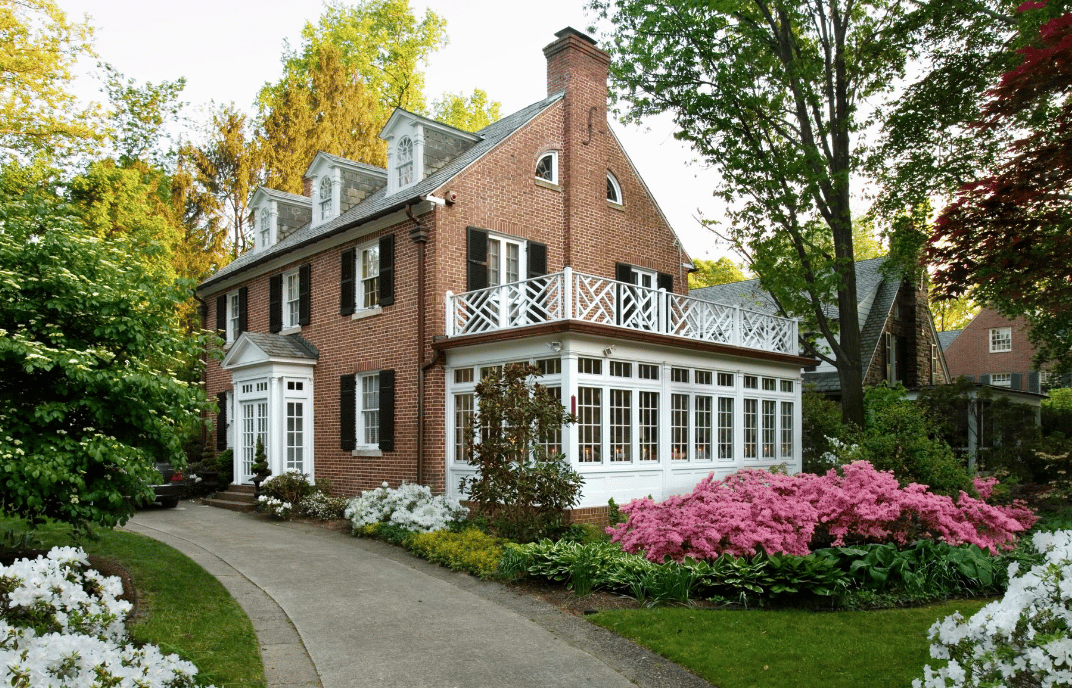
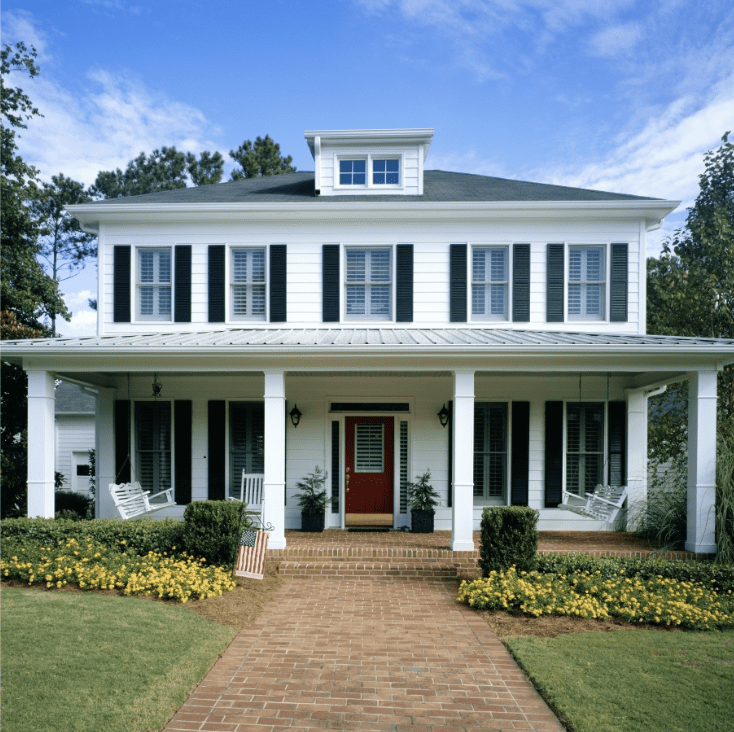
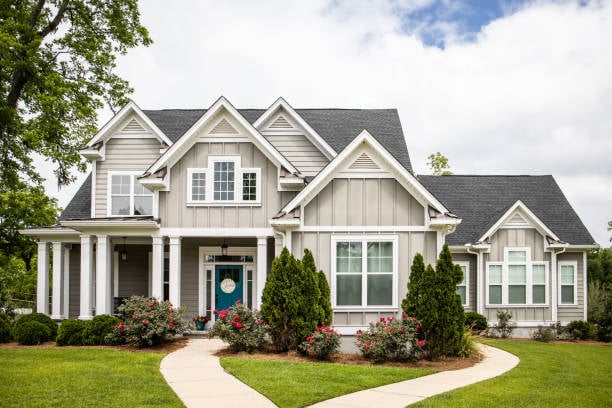
Many people picture Wayzata mainly as a place of single-family lakefront homes, but downtown offers a broader housing mix. City design standards and planning documents describe a setting that includes single-family homes, attached housing, multifamily housing, and mixed-use buildings. The Bluff District also includes a mix of small-scale retail, office uses, and some houses converted into offices.
That variety matters if you are drawn to the area for lifestyle reasons but do not necessarily want a traditional lakefront estate. In recent city materials, condos and townhomes are noted as being more prevalent downtown. Current and recent projects, including mixed-use buildings with residential condominium units, reinforce the idea that downtown living here can look more like a village center than a low-density suburban pattern.
A Compact Village Feel
The overall urban form of Downtown Wayzata is intentionally different from an auto-oriented retail strip. City standards call for active street frontage, better public spaces, and maintained visual access to the lake. New development is expected to support walkability and improve the public realm rather than turn inward.
For you as a resident, that can translate into a stronger sense of place. Buildings, sidewalks, public spaces, and the waterfront are meant to work together. The result is a downtown that often feels more connected, polished, and destination-driven than many nearby commercial nodes.
The Seasons Shape the Experience
Living by the lake in Wayzata comes with a strong seasonal rhythm. In summer, the city points to boating, beach use, and active public spaces as defining parts of life around the water. Wayzata Beach is open to the public from mid-June to mid-August, and water quality for swimming is monitored by Hennepin County.
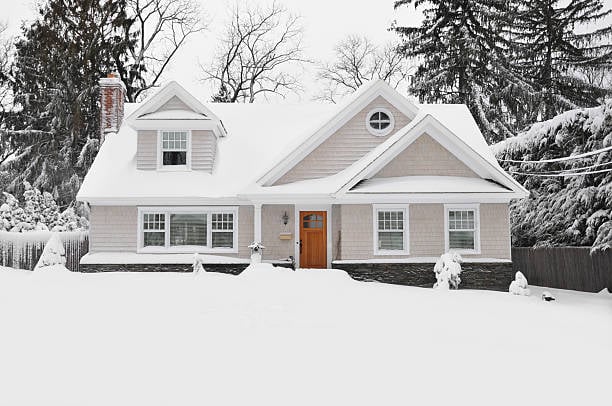
Winter brings a different version of lake life. The city notes that Lake Minnetonka can become a setting for ice racers, skaters, and ice-fishing houses. That means the lake remains part of the visual and recreational experience even when the weather shifts.
Practical Tradeoffs to Know
A popular waterfront downtown comes with a few realities that are worth understanding upfront. Parking is one of them. The city conducts periodic parking counts across the larger downtown area as redevelopment occurs, and city materials make clear that free public parking remains part of the downtown equation.
Beach parking is managed a bit differently, with resident permits for the closest spaces and free street parking nearby. In simple terms, Downtown Wayzata is designed to welcome residents and visitors, but high-demand times can require a little more planning. That is part of life in a lively lakefront destination.
Who Downtown Wayzata Fits Best
Downtown Wayzata tends to appeal to buyers who want more than just a home address. It is a fit for people who value walkability, access to the water, and a daily setting with a strong sense of place. It can also appeal to those looking for lower-maintenance options like condos or townhomes while staying close to Lake Minnetonka.
At the same time, it is especially compelling if you enjoy seasonal variety. Summer energy, shoulder-season lake views, and winter activity all play a role in the experience here. If that sounds appealing, Downtown Wayzata offers a lifestyle that is both polished and grounded in the lake.
Why the Location Stands Out
What makes Downtown Wayzata special is not any single amenity on its own. It is the way the waterfront, public spaces, trail access, local businesses, and housing patterns all work together. The city’s planning documents make it clear that this connected, lake-centered experience is intentional.
That matters if you are deciding where to focus your home search around Lake Minnetonka. Some places offer lake views. Others offer walkability. Downtown Wayzata is notable because it combines both in a compact setting that feels designed for everyday living.
If you are considering a move to Wayzata, it helps to look beyond square footage and think about how you want your day-to-day life to feel. Downtown living by the lake can offer convenience, beauty, and a strong connection to place in a way that is hard to replicate. If you want expert guidance on finding the right fit in Wayzata or around Lake Minnetonka, connect with Turnquist Spilseth Real Estate Group.
FAQs
What is Downtown Wayzata like for everyday living?
- Downtown Wayzata offers a walkable, lake-centered lifestyle with shops, restaurants, public spaces, and water access gathered around Lake Street and Wayzata Bay.
What kind of housing is available in Downtown Wayzata?
- Downtown Wayzata includes a mix of housing types, including single-family homes, attached housing, multifamily housing, and mixed-use buildings with condominium units.
Does Downtown Wayzata have public lake access?
- Yes. The city maintains a municipal marina and short-term public docks that help residents and visitors access downtown from Lake Minnetonka.
Can you walk or bike easily in Downtown Wayzata?
- Yes. City planning emphasizes walkability, and the area also connects to the Dakota Rail Regional Trail, a paved regional trail with a Wayzata trailhead at Grove Lane.
What is Downtown Wayzata like in winter?
- Winter still brings an active lake presence, with the city noting seasonal activities such as ice racers, skating, and ice-fishing houses on Lake Minnetonka.
Is parking difficult in Downtown Wayzata?
- Parking can require some planning during busy times, but city materials note that free public parking remains part of the downtown system, and parking is monitored as redevelopment continues.