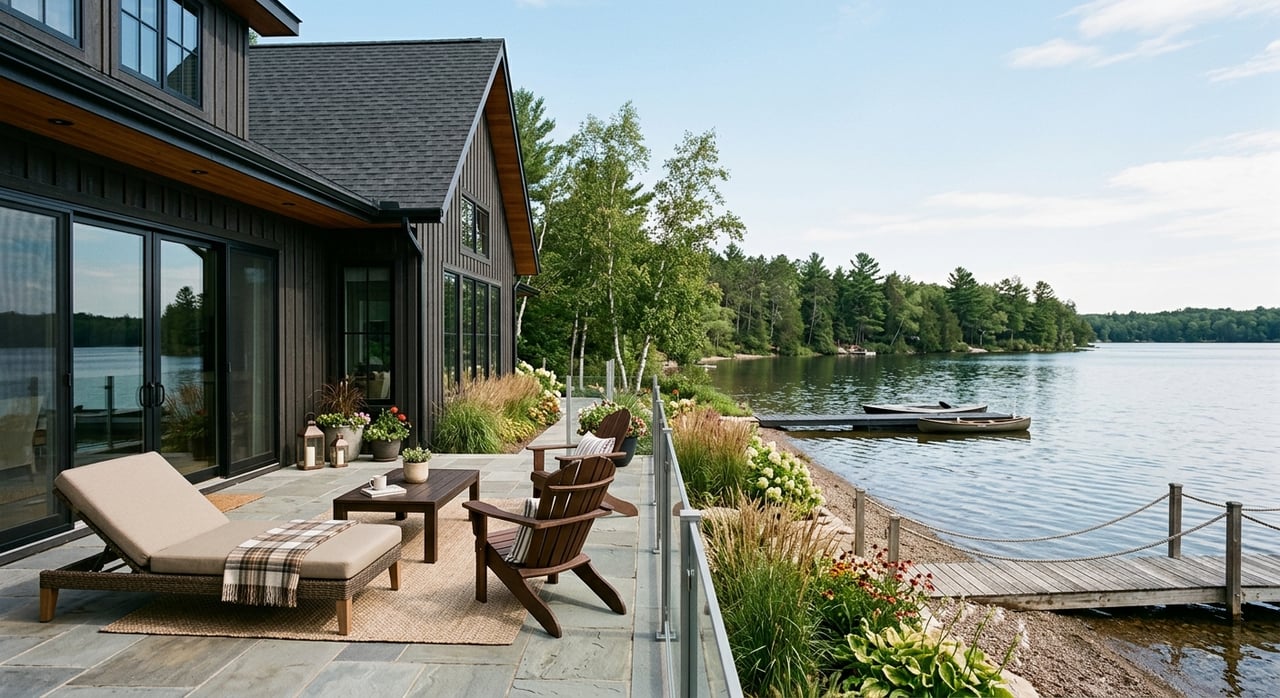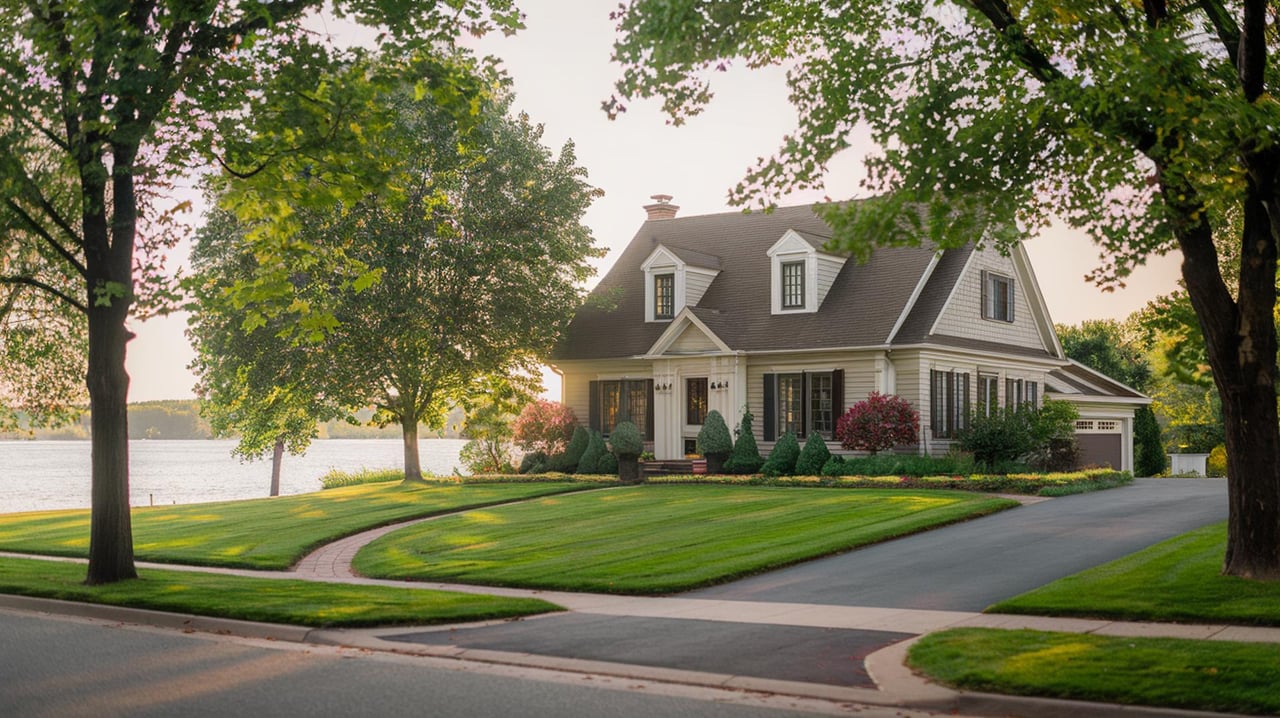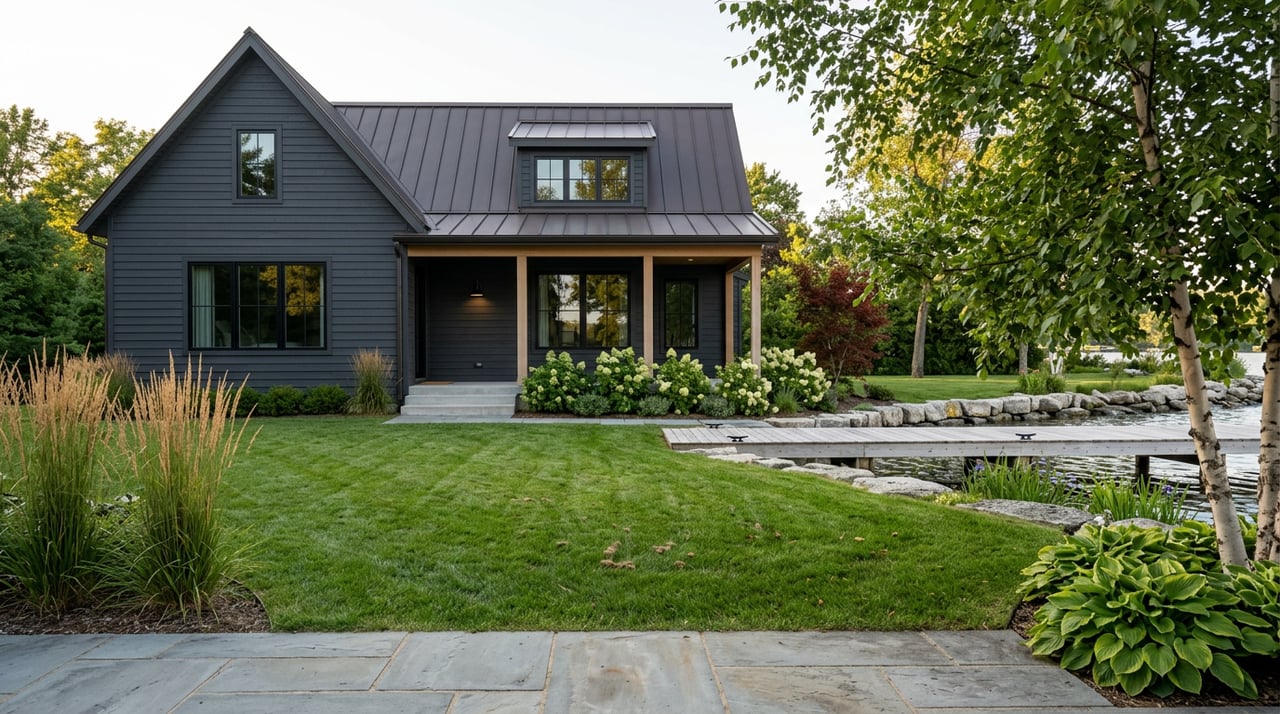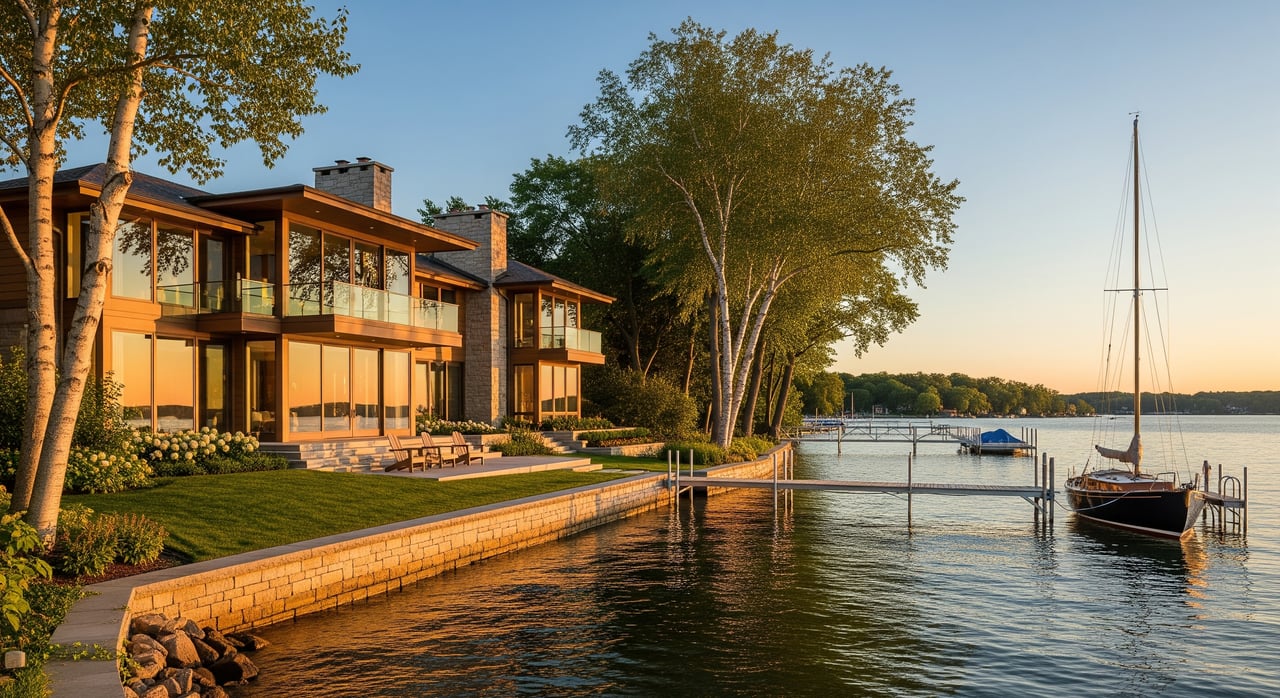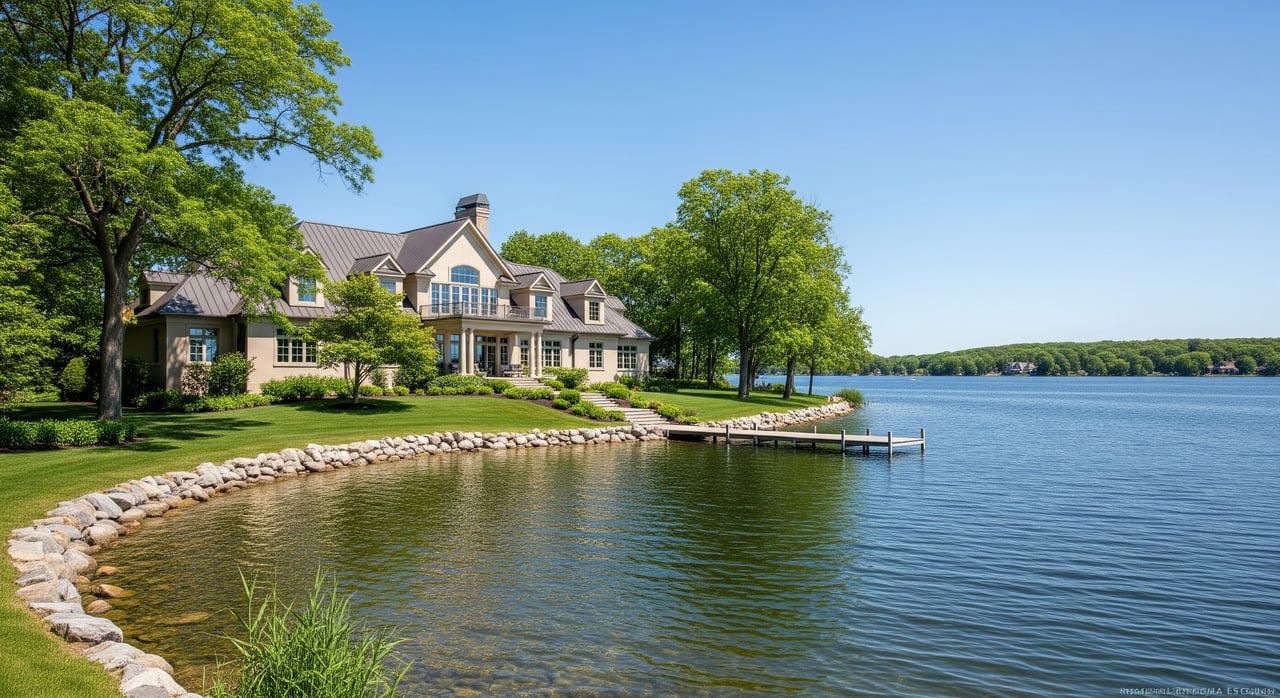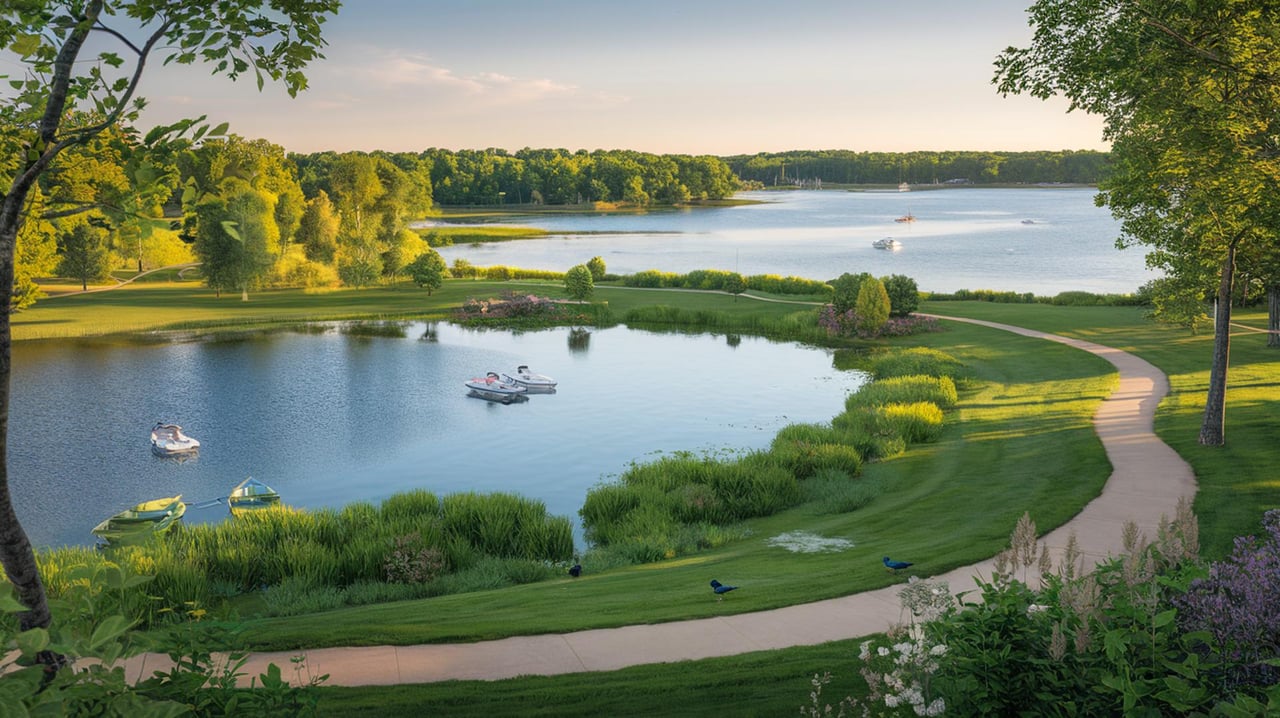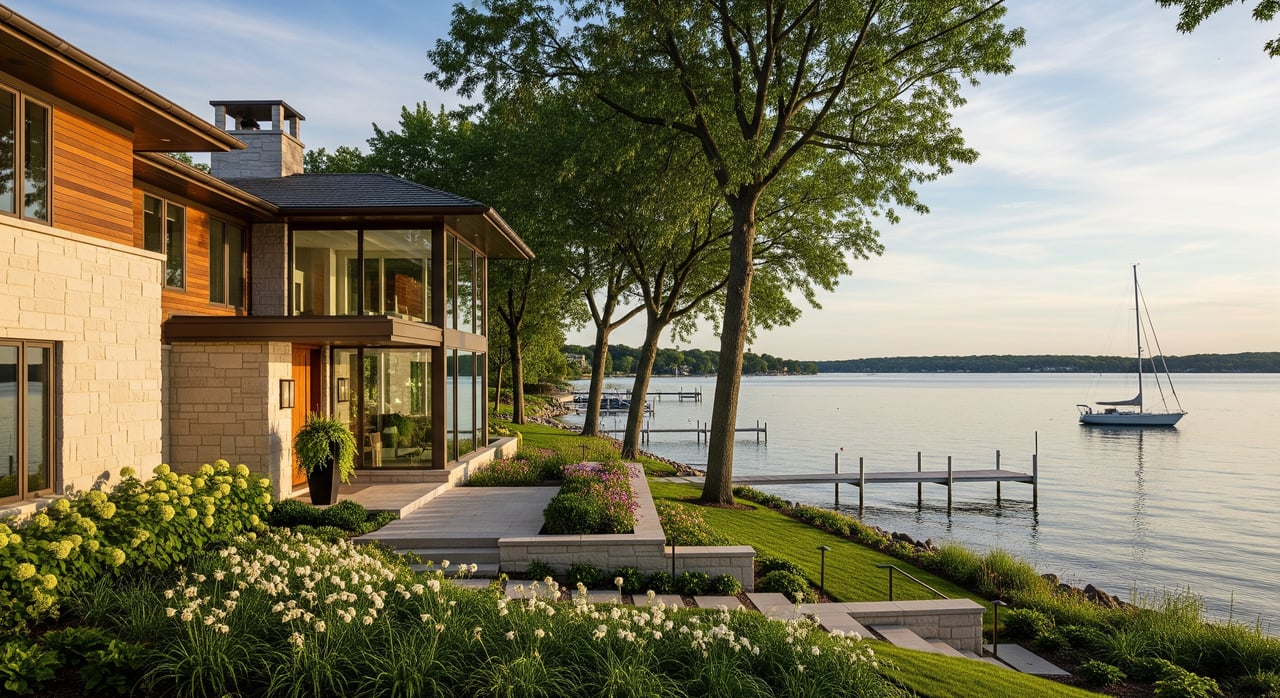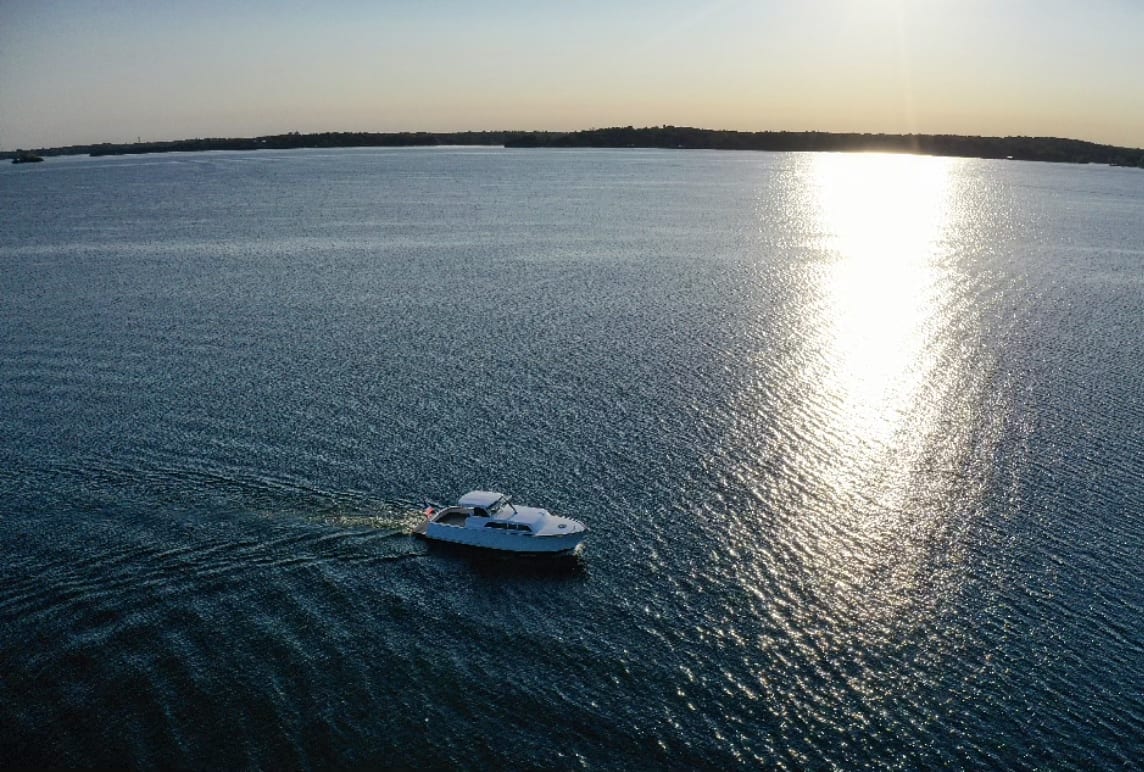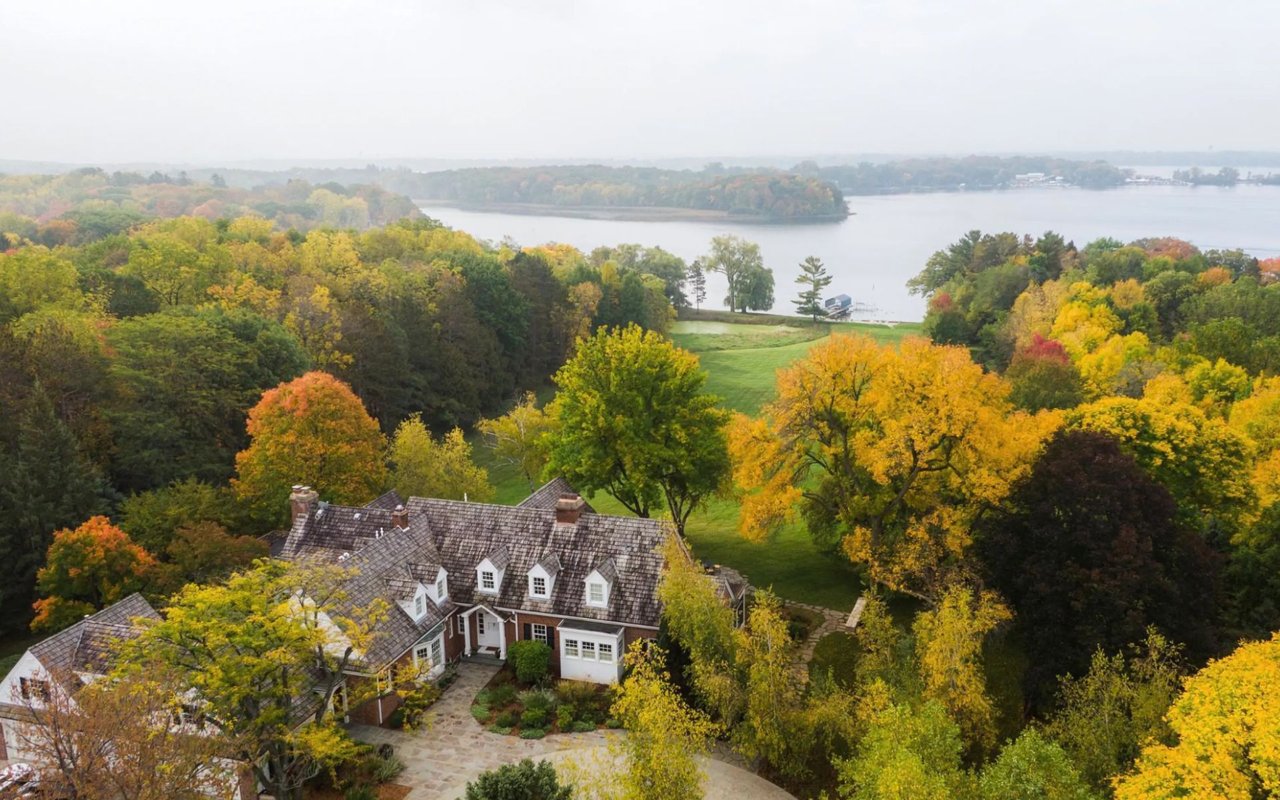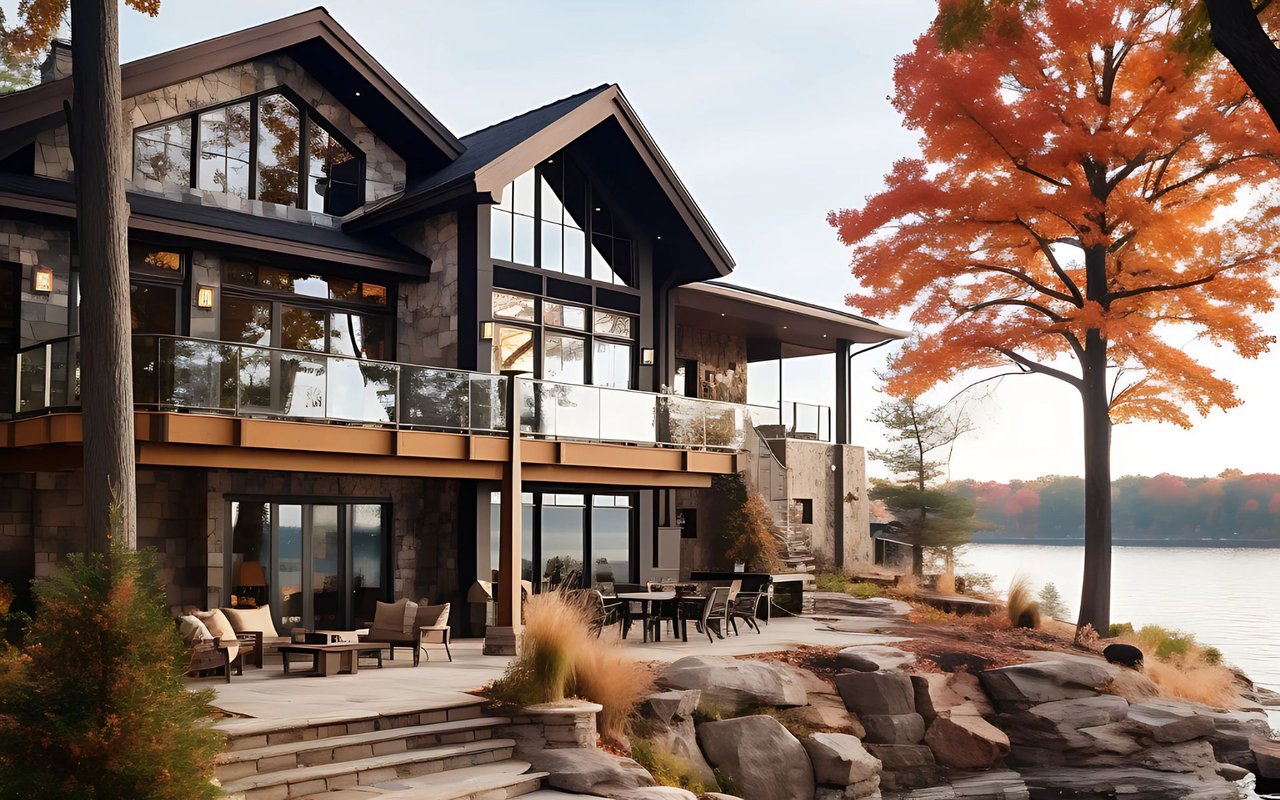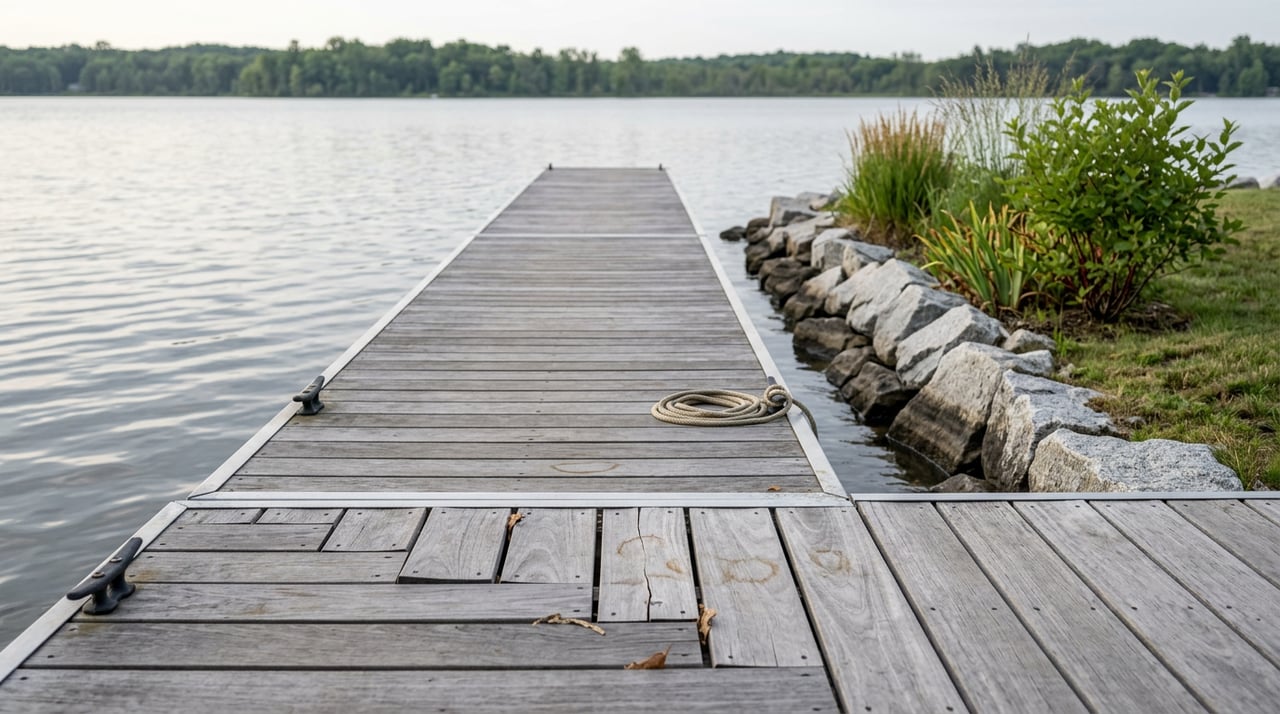
A buyer closes on a lot with a hundred feet of Lake Minnetonka frontage and assumes the water in front of it is now simply theirs to use. The first season on the lake is when the surprise usually lands: the length of the dock, the number of boats it can hold, and how far it can reach into the bay are not decided by the deed. They're decided by an agency the purchase agreement never mentioned by name.
That agency is the Lake Minnetonka Conservation District, and understanding what it does, and what it doesn't do, is the difference between a smooth first summer on the water and a variance application filed in March for a dock you assumed was already yours.
The Deed Ends at the Waterline. The Rules Begin There.
Riparian rights are real and they attach to the land automatically when you buy shoreline. Under Minnesota water law, a riparian owner has the right to wharf out to navigable depth, to use the lake's entire surface for boating, fishing, and swimming, and to exercise those rights without interference from neighbors, provided the use is reasonable and doesn't crowd out anyone else's same rights. That last part matters more than it sounds: your right to be on the water extends across the whole lake, not just the wedge directly off your lot. But your right to build a structure into the water is a different, narrower thing, and it's governed separately.
The Lake Minnetonka Conservation District exists specifically to manage that narrower right. It's governed by a board with one appointed representative from each of the 14 municipalities that touch the lake, which means no single city council, including the one that issued your building permit, controls dock policy on its own board structure. The district describes the lake itself as a genuinely unusual body of water: "each of the forty-two bays that form this lake vary in surface area, depth, and water quality," which is the district's own way of explaining why a rule that works in Wayzata Bay might not apply the same way in Halsted Bay or Carsons Bay water level and quality overview.
The practical result is that your dock rights are set by dimension limits, dock use area boundaries, and setback rules that sit entirely outside your city's zoning code and your title work. A property can be zoned perfectly for lakefront use and still be sitting on an LMCD dock use area that was narrowed by a decades-old variance nobody mentioned during showings.
Three Kinds of "Waterfront," and Why the Price Follows Certainty
Not every listing that says "lake access" or "waterfront" means the same thing, and the gap between them is where buyers get surprised on price and on what they're actually allowed to build.
| Access type | What you own | What that gets you | How pricing typically behaves |
|---|---|---|---|
| True riparian frontage | Your property line meets the water | You hold riparian rights and can apply for a dock under LMCD rules, subject to your parcel's dock use area | Commands the highest price per foot, especially on bays close to downtown amenities |
| Deeded or shared dock access | An association, subdivision, or outlot holds the frontage; you hold a right to use it | Dock or slip rights without owning the shoreline outright | Priced below true frontage, but often close to it if the shared dock is well established |
| Lakeshore-adjacent | A channel, back lot, or bay-view parcel near, but not touching, the water | Views and proximity, but no automatic dock rights | Priced well below either frontage category |
The Conservation District's own guidance confirms that homeowner associations and cities can hold riparian rights independently of any individual lot, which is exactly how the second tier works: the City of Mound, for instance, holds common land dedicated to its municipal dock program, giving hundreds of residents boat access without any of them owning a foot of shoreline lakeshore owners guidance. That program runs through a citizen Docks & Commons Commission and is genuinely one of the more useful workarounds on the lake if frontage pricing is the obstacle, but it comes with seasonal application deadlines and waitlists, not a dock you can build the week you close.
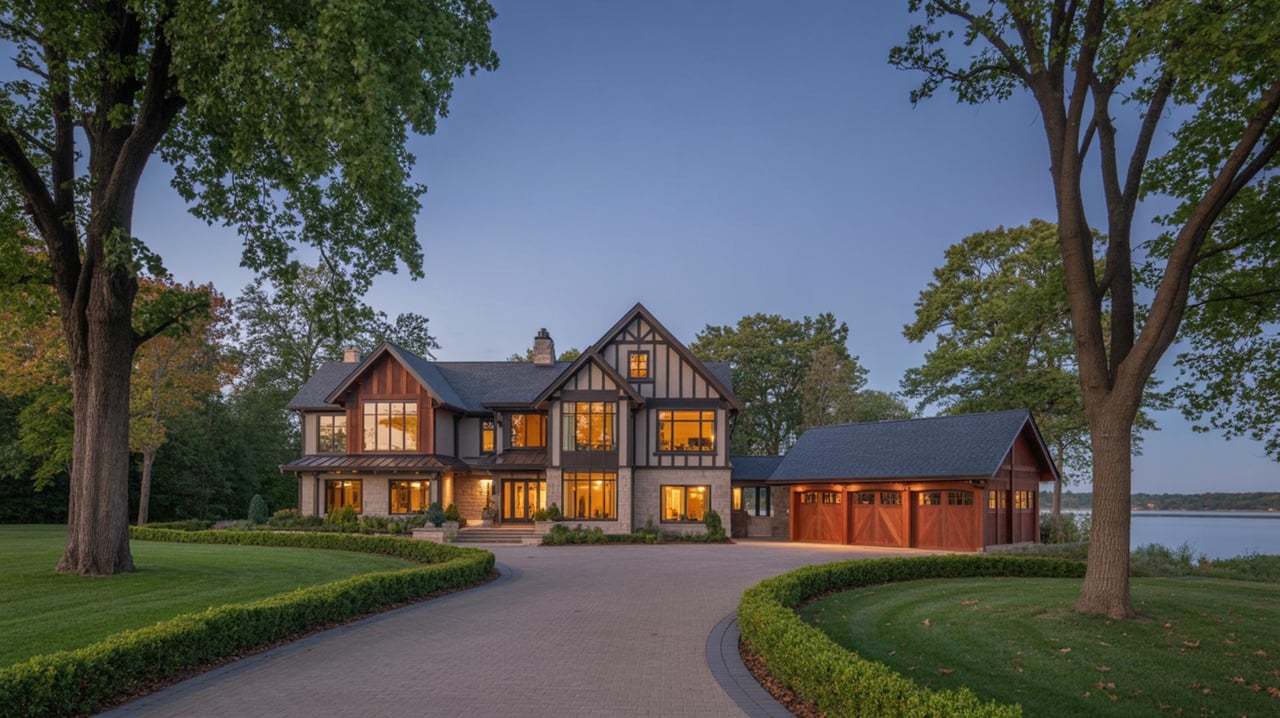
On bays like Wayzata Bay and Browns Bay, walking distance to downtown restaurants and marinas keeps per-foot pricing among the highest on the lake. That premium is paying for certainty as much as it's paying for footage. A hundred feet of frontage with a clean, unencumbered dock use area is worth more than a hundred feet complicated by a shared easement or a legacy variance, even if the two lots look identical from the road.
The Dam That Decides What Your Dock Can Do This Year
Here's the part that rarely makes it into a listing sheet: Lake Minnetonka's water level is not simply weather. It's managed.
The Minnehaha Creek Watershed District operates Gray's Bay Dam under a seven-zone operating plan tied directly to the lake's elevation. Below 928.6 feet, no discharge is allowed at all during the open water season, an elevation the Minnesota DNR's own research identified as the lake's pre-settlement runout point, the level below which water simply won't flow out even with the dam open dam operations. Between 928.6 and 929.1 feet, discharge is deliberately limited to conserve water for summer evaporation. Above 930.0 feet, the lake overflows the dam's control entirely and nothing MCWD does can hold it back.
The Ordinary High Water Level, the benchmark used throughout LMCD's own code, sits at 929.4 feet. When ice went out on April 3, 2026, the lake was sitting 4.56 inches below that mark, at 929.02 feet, a gap small enough that most owners wouldn't have noticed it from the shore April 2026 water level update. That's the point: the system runs close to its targets most of the time, which is exactly why buyers don't think about it until a dry year pushes the lake toward the district's Low Water Declaration threshold of 928.0 feet.
When the board declares low water, it opens a narrow relief valve. Residential docks can extend without a new permit, up to 30 feet beyond the standard dock use area at 928.0 feet, or 60 feet at 927.0 feet, provided the dock is seasonal and temporary, doesn't create a navigation hazard, and is properly marked. But that relief comes with a condition that catches people off guard: the property must have no past variances on file low water dock provisions. A lot with a legacy variance, the very kind of accommodation a seller might describe as a benefit during a showing, can actually be the reason a buyer loses access to low-water flexibility that a neighbor two docks down still has.
Minnesota courts have already settled how far a city or the district itself can push in the other direction. A 2004 Court of Appeals decision affirmed that local authorities can regulate dock placement and dimensions, but they cannot prohibit a riparian owner from having a dock at all. Aesthetic objections from neighbors, on their own, don't carry legal weight against that right.
That precedent matters for buyers who've heard secondhand about a dock dispute on a bay they're considering. The dispute almost always ends up being about dimensions, setbacks, or a use area boundary, not about whether a dock can exist in the first place.
The Questions Worth Asking Before You Write an Offer
A handful of questions, asked before an offer instead of after closing, cover most of the friction described above:
- Does the LMCD have any variance on file for this specific parcel, and if so, what does it change about the dock use area or setbacks?
- Is the dock rights documentation riparian, or does it run through a recorded easement, an HOA, or a municipal program? Ask to see the actual language, not a summary.
- What is the current dock use area drawing for this lot, and how does it compare to the neighboring parcels on either side?
- If the home already has a dock, has it been consistently permitted, or could it be a legacy nonconforming structure?
- If you're planning to bring a dock or lift from another lake, have you built the mandatory 21-day drying period into your moving timeline to comply with aquatic invasive species rules?
- Has the seller experienced a Low Water Declaration season, and if so, did this property qualify for the temporary extension provisions or was it excluded by a prior variance?
On older lakefront homes, the physical shoreline deserves the same scrutiny as the paperwork. Retaining walls, riprap, and dock or lift hardware carry real deferred maintenance costs on properties that have been through multiple freeze-thaw cycles, and those items are worth a dedicated look during inspection rather than a glance from the yard.
What This Means When Two Listings Both Say "Waterfront"
The thesis worth carrying into any Lake Minnetonka search is this: frontage footage is the number on the listing sheet, but dock certainty is the number that actually determines value. Two properties with identical footage on the same bay can carry very different real-world rights once you account for existing variances, easement language, and how each has fared through a Low Water Declaration. Pricing that looks generous on a per-foot basis sometimes reflects a property working around a complication the seller already knows about.
This is also where design and construction literacy earns its keep in a transaction. Reading a dock use area drawing, cross-referencing it against LMCD's variance history, and pairing that with an honest look at a seawall's remaining life is a different exercise than comparing two listing photos of a dock at sunset.
A Few Questions Buyers Ask Most Often
Does every lakeshore property on Lake Minnetonka come with an automatic right to build a dock? Riparian ownership gives you the right to apply for a dock under LMCD's code, not an automatic guarantee of a specific size or location. The dock use area assigned to your lot, and any variance history attached to it, determines what you can actually build.
Can a neighbor stop me from installing a dock because they don't like how it looks? Under Minnesota case law, local authorities including the district can regulate a dock's dimensions and placement, but they cannot prohibit a riparian owner from having one. Aesthetic objections alone don't override that right.
If I inherit a dock with the purchase, do I need to get it permitted again? It depends on whether the existing dock has a documented permit history and whether it conforms to current LMCD dimension and setback rules. A nonconforming structure that predates current code may need to be brought into compliance or addressed through the variance process before you build on it.
If you're comparing lakeshore listings and want someone who reads dock use area maps and variance histories as closely as floor plans, that's the kind of due diligence Turnquist Spilseth Real Estate Group builds into every Lake Minnetonka transaction. Reach out before you write the offer, not after the first Low Water Declaration of the season.