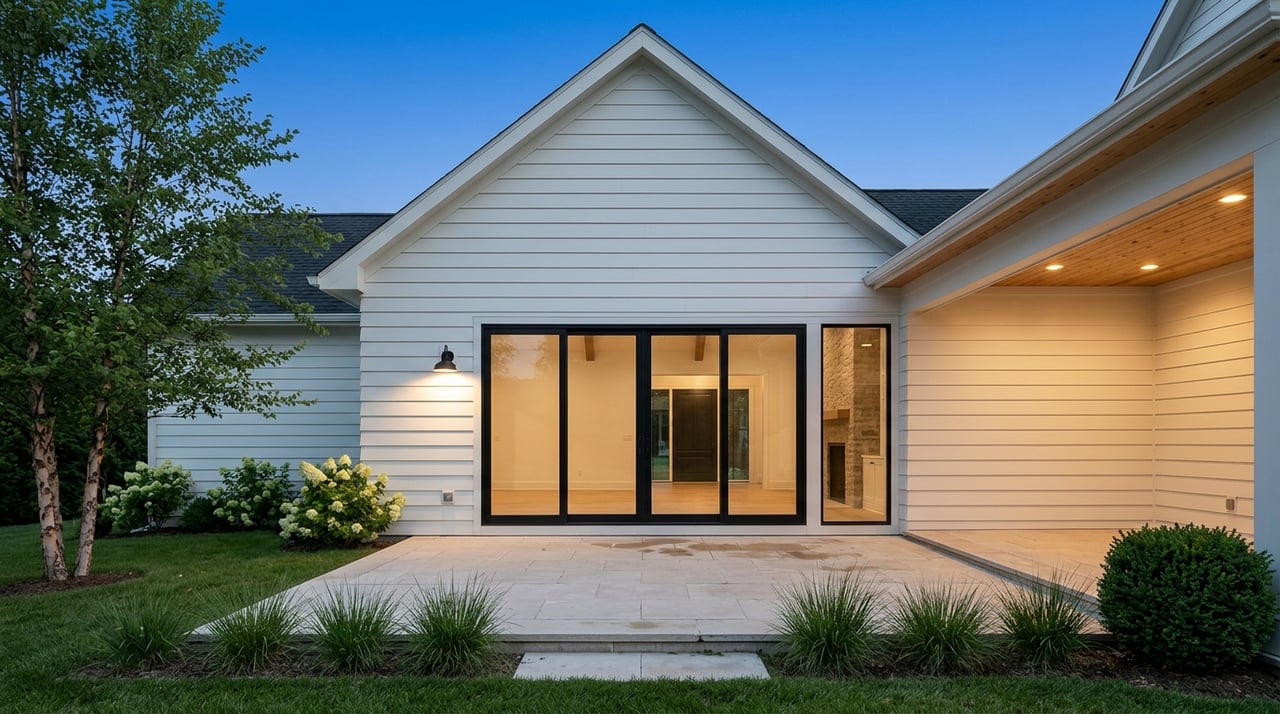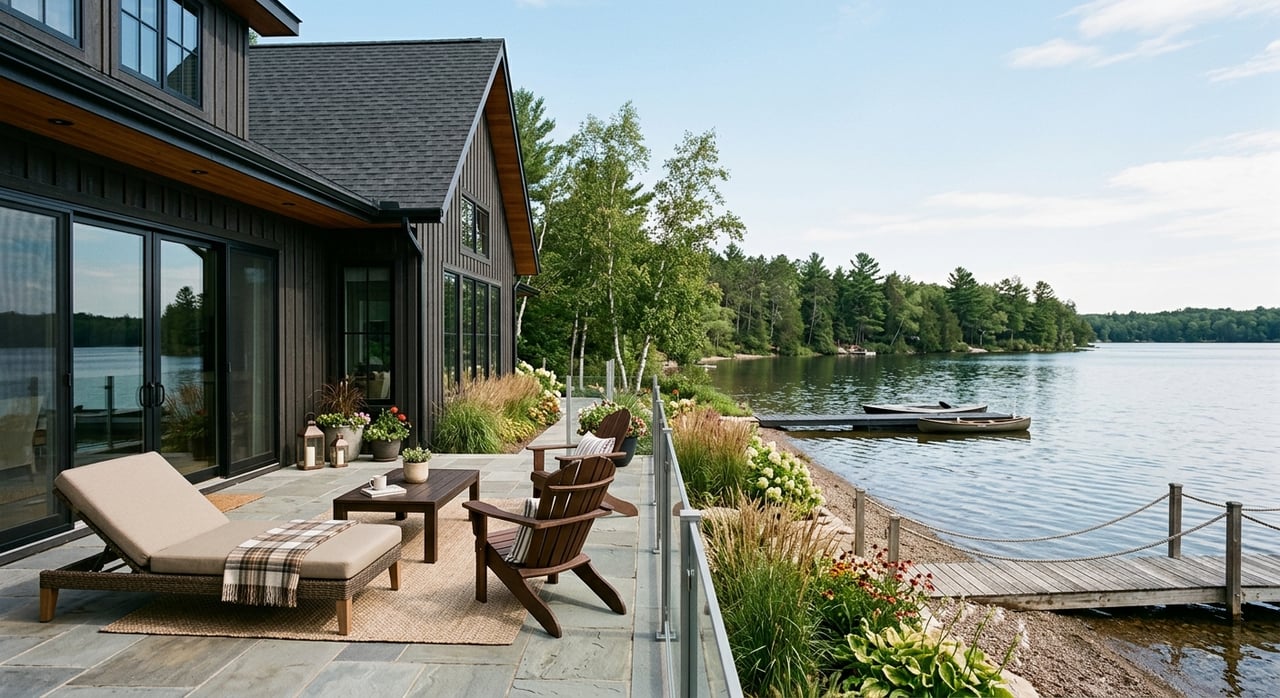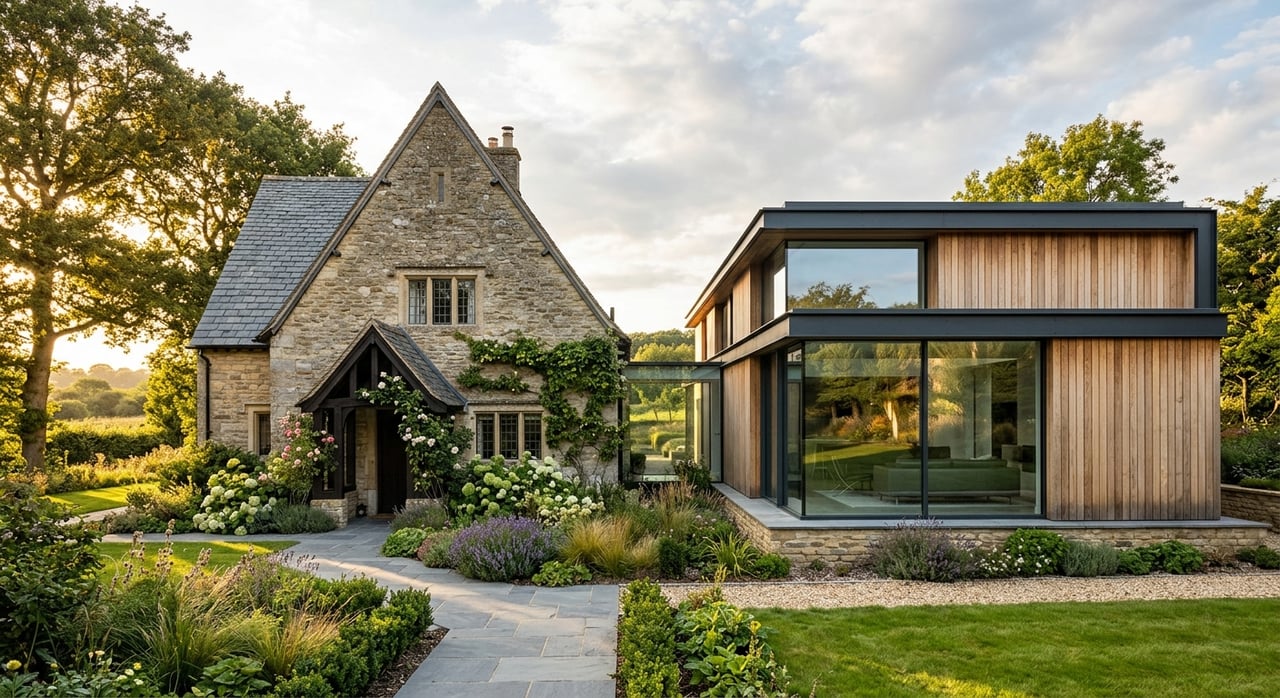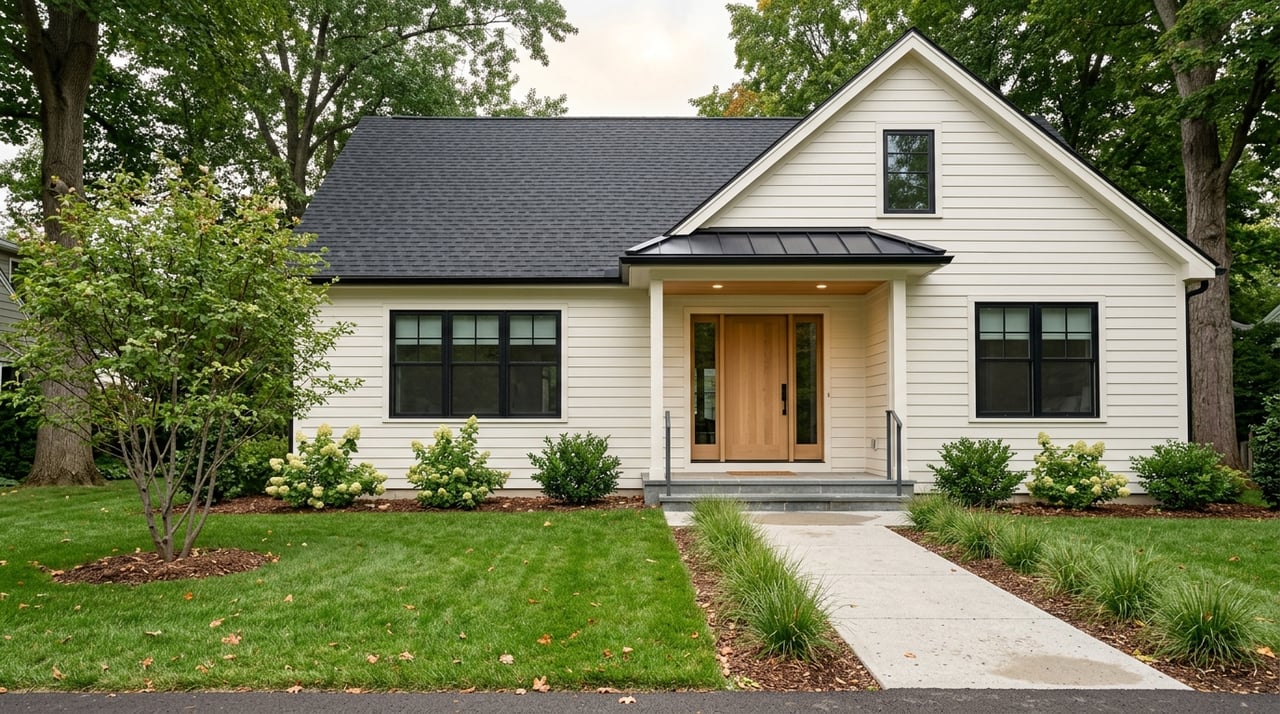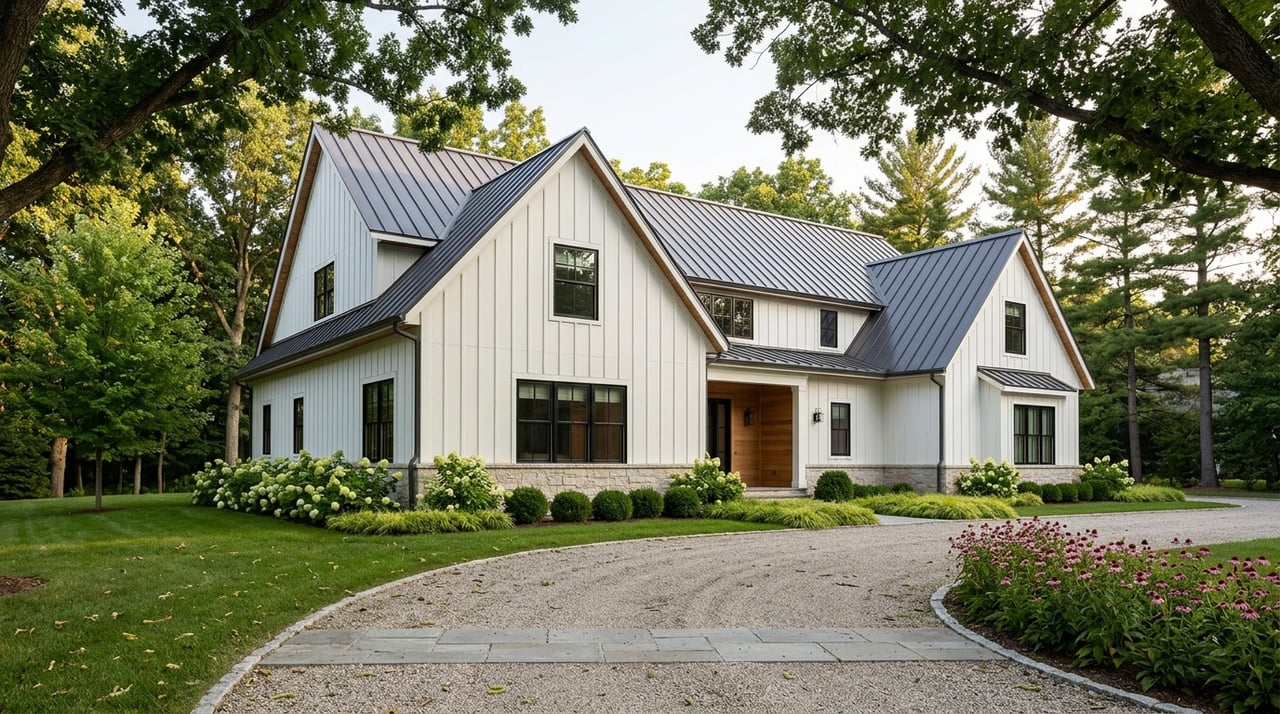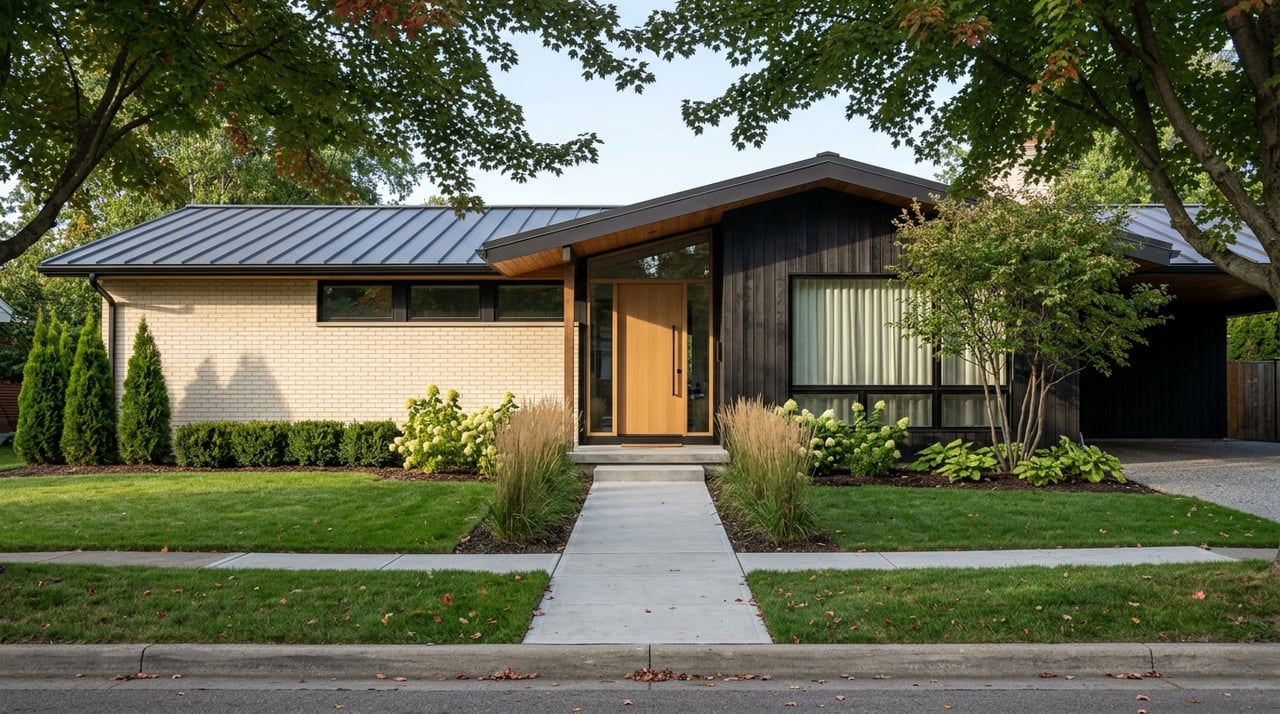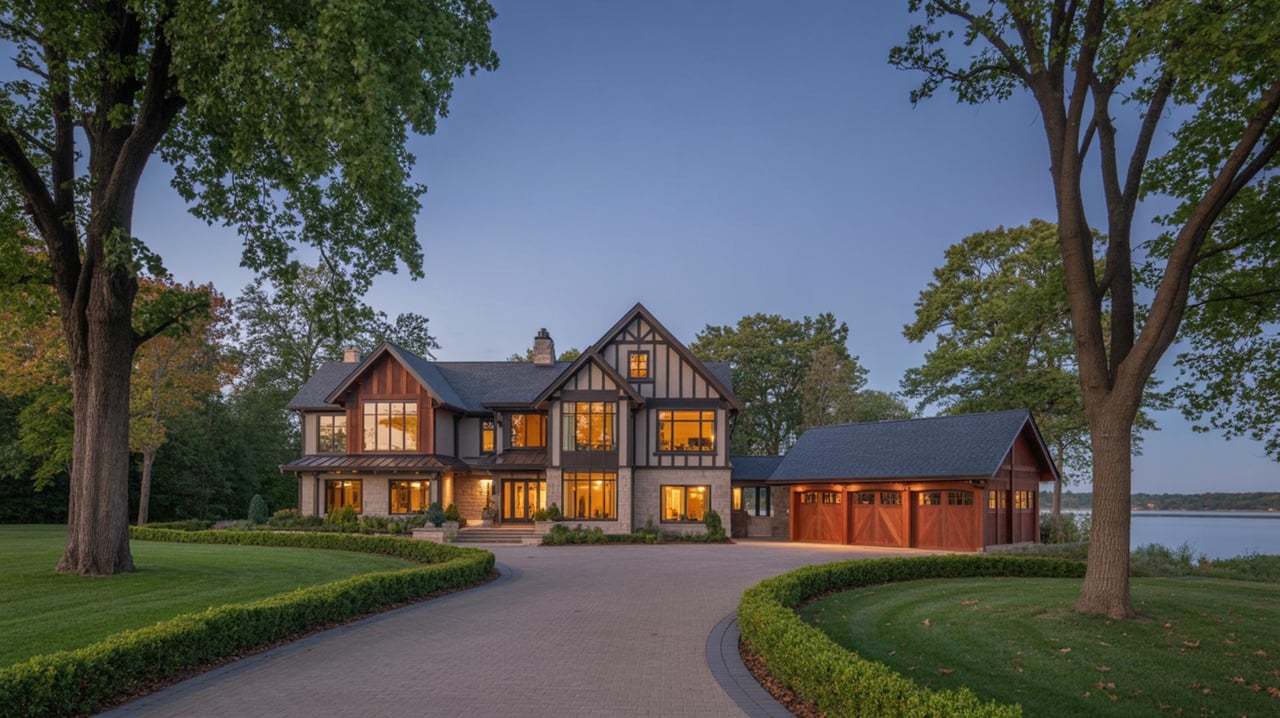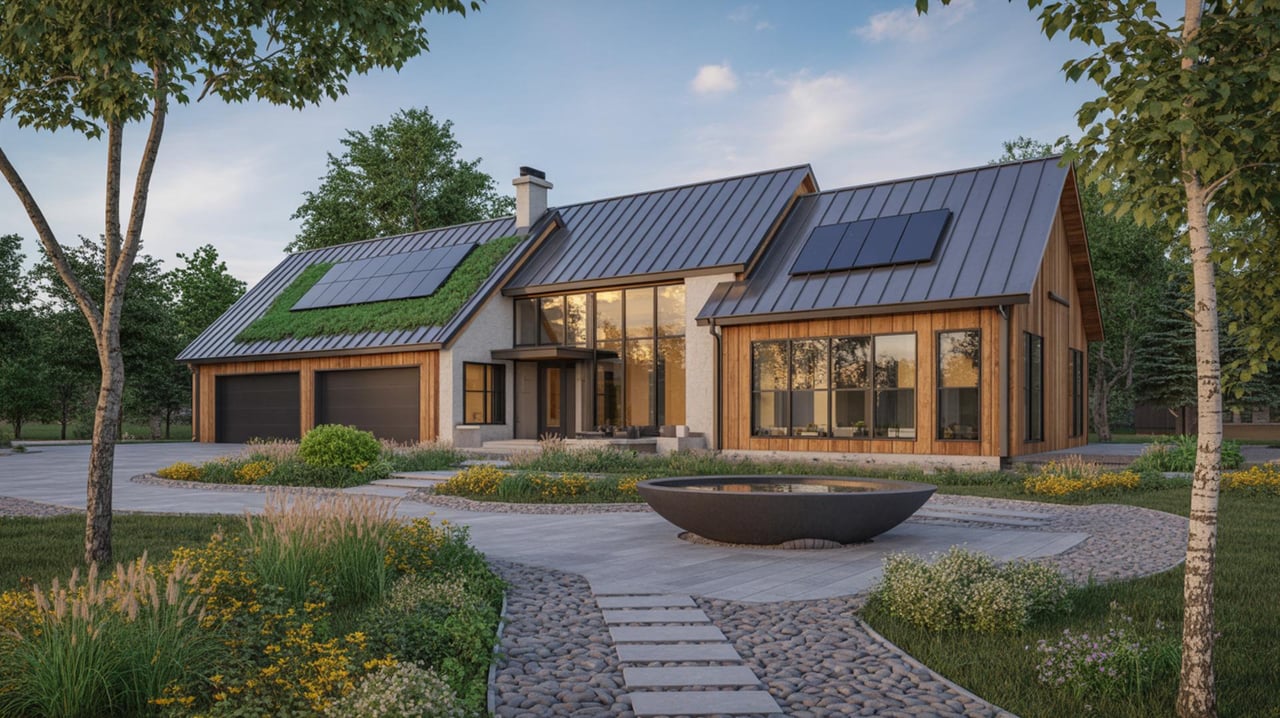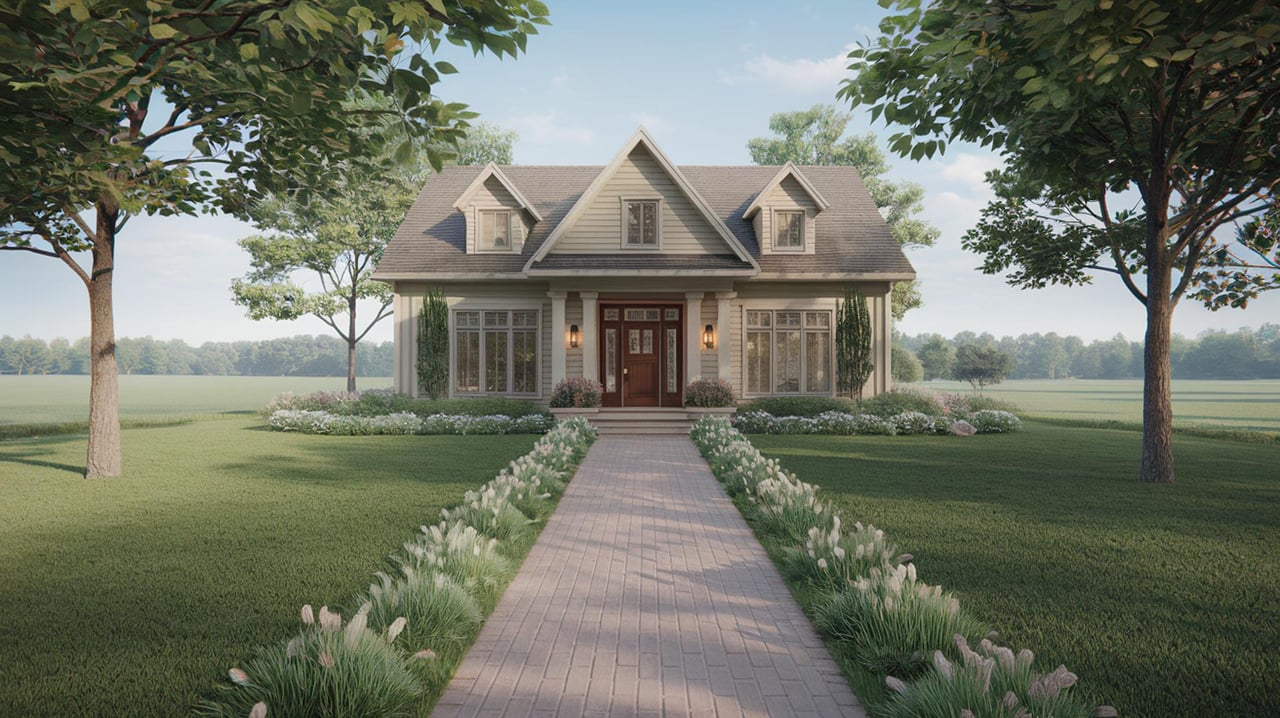
Ask that question to five people shopping acreage in Medina and you'll get five different answers, most of them wrong for the same reason. They're all thinking in acres. Medina's own code thinks in something else entirely: contiguous suitable soil, wetland boundaries, and the twenty-five percent rule that kicks in the moment you get close to water. Two parcels can carry the identical number on the plat map and end up worth very different things once you subtract what the city actually lets you build on.
This matters right now because Medina land is trading at prices that make that distinction expensive to get wrong.
The Number the Listing Doesn't Show You
Medina's zoning code does not treat an acre as an acre. In its rural residential districts, a lot has to contain a primary and secondary site for an individual sewage disposal system, and both sites need to sit on soil the city has already classified as suitable. That classification comes from what the code calls the Medina Soils List, cross-referenced against the current Hennepin County Soil Survey. Only the soil types on that list count toward your total. Wetlands and floodplain don't count at all, no matter how many acres they occupy on your survey.
The subdivision code makes the same point from a different angle. Medina defines a platted subdivision as any parcel with a lot area under five acres, a lot width under three hundred feet, or any configuration that requires a new street. Fall under any one of those thresholds and you're into a full review: preliminary plat, final plat, a survey stamped by a Minnesota-registered surveyor, topographic data, and proof that water supply and wastewater disposal will actually work on that specific footprint. A parcel marketed as flexible for a future split may look that way on paper and still run into real review requirements once soils and wetlands are factored in.
Then there's coverage. Depending on the specific rural district, Medina's code caps hard surface, meaning structures, driveways, patios, and septic drainfields combined, somewhere between twenty and forty percent of the lot. If the parcel sits within a thousand feet of certain public waters, or three hundred feet of a tributary stream, the shoreland overlay takes over and drops that impervious cap to twenty-five percent, a rule that reaches past the house itself into driveways, sport courts, and outbuildings.
None of this is theoretical. Medina's own planning documents count 702 known individual sewage treatment systems within city limits, and roughly thirty-eight percent of the city's land area is lakes, wetlands, or floodplain according to its sanitary sewer plan. Private septic isn't an edge case here. It's the default math for most of the acreage buyers are looking at.
Three Developments, Three Different Math Problems
The clearest way to see how this plays out is to look at what's actually been built, and what's being built right now.
| Development | What the land started as | What it became | The mechanism |
|---|---|---|---|
| Deer Hill Preserve | 194 acres purchased in 1994 by a family who restored tamarack bog and maple-basswood forest | 90 acres held as protected conservation land, 20 multi-acre homesites, lots starting at $445,000 | Conservation acreage subtracted before homesites were platted |
| Foxberry Farms | Land once part of the Big Woods hardwood forest, wrapping Lake Medina | Roughly 150 homes on half-acre to one-acre lots | Density achieved through a different service configuration than the rural acreage estates |
| French Ridge of Medina | A parcel west of Arrowhead Drive, north and south of Hamel Road | 8 lots in the northern piece, 13 in the southern piece, separated by a 51.5-acre permanent conservation easement | City-required easement carved out before lot count was finalized |
Medina's City Council approved the preliminary unit development plan and preliminary plat for French Ridge on July 7, 2026, alongside a separate vote to begin preliminary design on a Tamarack Drive intersection project tied to a Wayzata Schools site slated to open in 2029. The council split on the French Ridge vote, with two members opposed, which is its own small signal that even elected officials weigh the conservation-easement tradeoff differently parcel by parcel.
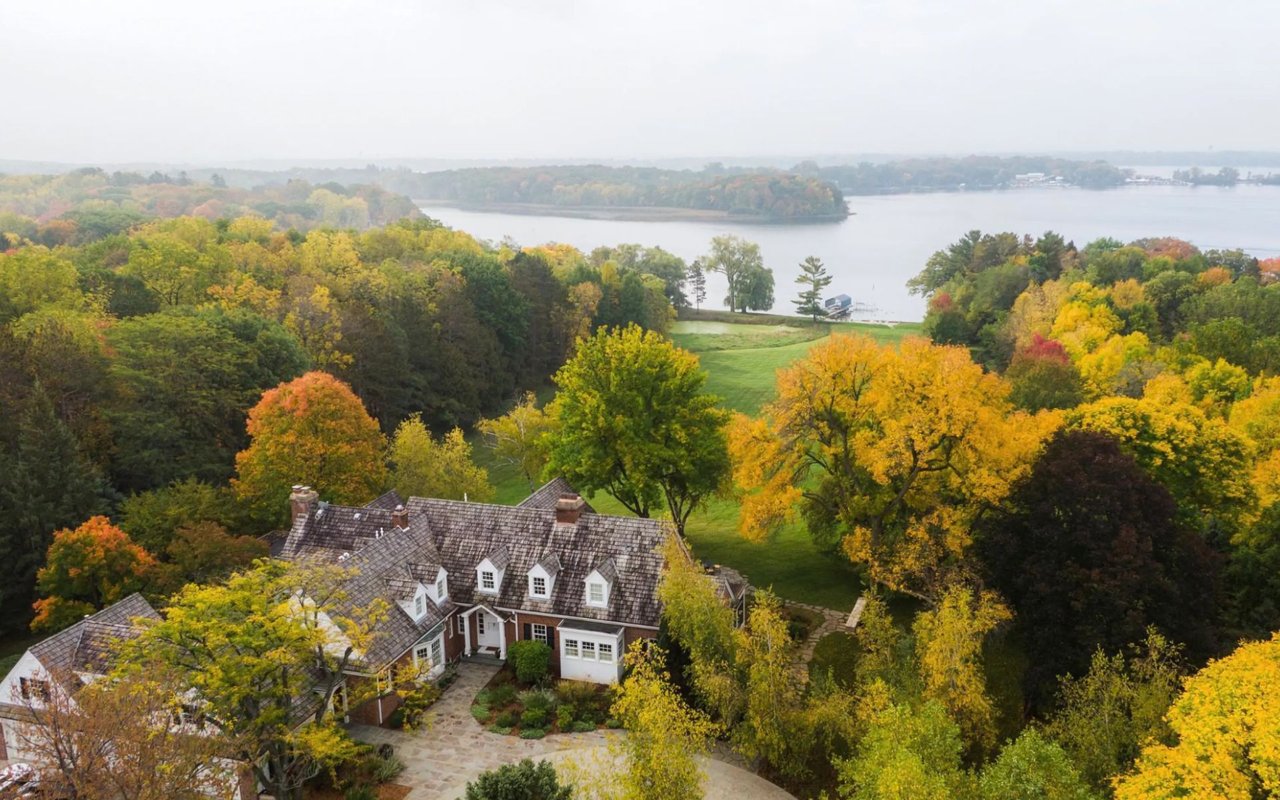
Deer Hill Preserve tells the same story at a different scale. It sits adjacent to the 2,700-acre Baker Park Reserve, straddles the Medina-Orono line, and set aside 90 of its original 194 acres before a single homesite went to market. Twenty lots came out of that math, not a number derived from dividing total acreage by some standard lot size.
Foxberry Farms is the useful contrast. It reached its roughly 150-home count on lots as small as half an acre, a density nowhere close to what the rural districts allow on paper. The point isn't that one development is better than another. It's that the same city produces wildly different acre-to-homesite ratios depending on which service area, soil condition, and conservation requirement applies to that specific ground.
"A lot under five acres, a lot width under three hundred feet, or any lot that requires a new street" triggers Medina's full subdivision review, according to the city's own code, regardless of how large the surrounding parcel is.
What the Current Numbers Actually Reflect
As of late July 2026, Medina's active market carried just 36 homes listed for sale, a median list price of $1,287,000, and an average of 97 days on the market. That combination is worth sitting with. A median built from three dozen active listings moves for very different reasons than a median built from three hundred, and in a market this thin, a handful of estate-scale parcels where the soil, wetland, and septic math already worked out can carry the whole number.
That's the practical read for anyone pricing land here. A single eye-catching median from a small, slow-moving pool of Medina listings tells you less about what your specific parcel is worth than a soils map does. The number on the plat map and the number on the listing sheet are both downstream of the same constraint: how much of that acreage the city will actually let you build on.
What to Confirm Before You Write an Offer
Before a purchase agreement goes anywhere on a Medina acreage parcel, get these in hand:
- A soils map keyed to the current Hennepin County Soil Survey, showing contiguous suitable acreage on that specific parcel, not the total acreage on the plat
- A wetland delineation report identifying every wetland, pond, lake, waterway, floodplain, and shoreline on the parcel
- Written confirmation of shoreland overlay status if the parcel sits within a thousand feet of public waters or three hundred feet of a tributary stream, since that drops the impervious cap to twenty-five percent
- Confirmation of which service area the parcel falls into, since sewer service in Medina is organized into four identified districts and private septic remains the rule outside them
- If a future split is part of the plan, direct confirmation from Medina's Planning and Zoning Department on subdivision status, since a lot under five acres or under three hundred feet in width triggers full platting review no matter how large the parent parcel appears
A Few Questions Worth Asking First
Does land inside a conservation easement still count toward my acreage? It remains part of the recorded parcel for tax and title purposes, but Medina's code excludes wetland, floodplain, and similar restricted areas from the contiguous-soils calculation that actually sizes a septic system, which is the number that determines what you can build.
If my parcel is served by one of Medina's water systems, does the septic question go away? No. Water and sewer are separate systems here. Outside the city's four identified sewer districts, a parcel still needs its own approved individual sewage treatment system regardless of which water system reaches it.
Does more acreage always mean a bigger house is possible? Not automatically. Height standards, hard surface coverage caps, and setback rules apply on top of soil suitability, so the buildable envelope comes from the specific conditions on that parcel, not from the total number on the survey.
Medina rewards the kind of due diligence most buyers don't think to ask for until an inspection turns up a problem. If you're evaluating acreage here, whether for a personal estate build or a spec project, the soils map and the wetland report deserve the same attention as the listing photos.
Start Your Lake Home Journey with Turnquist Spilseth Real Estate Group, where design literacy and local land knowledge work together from the first site visit to the final closing.