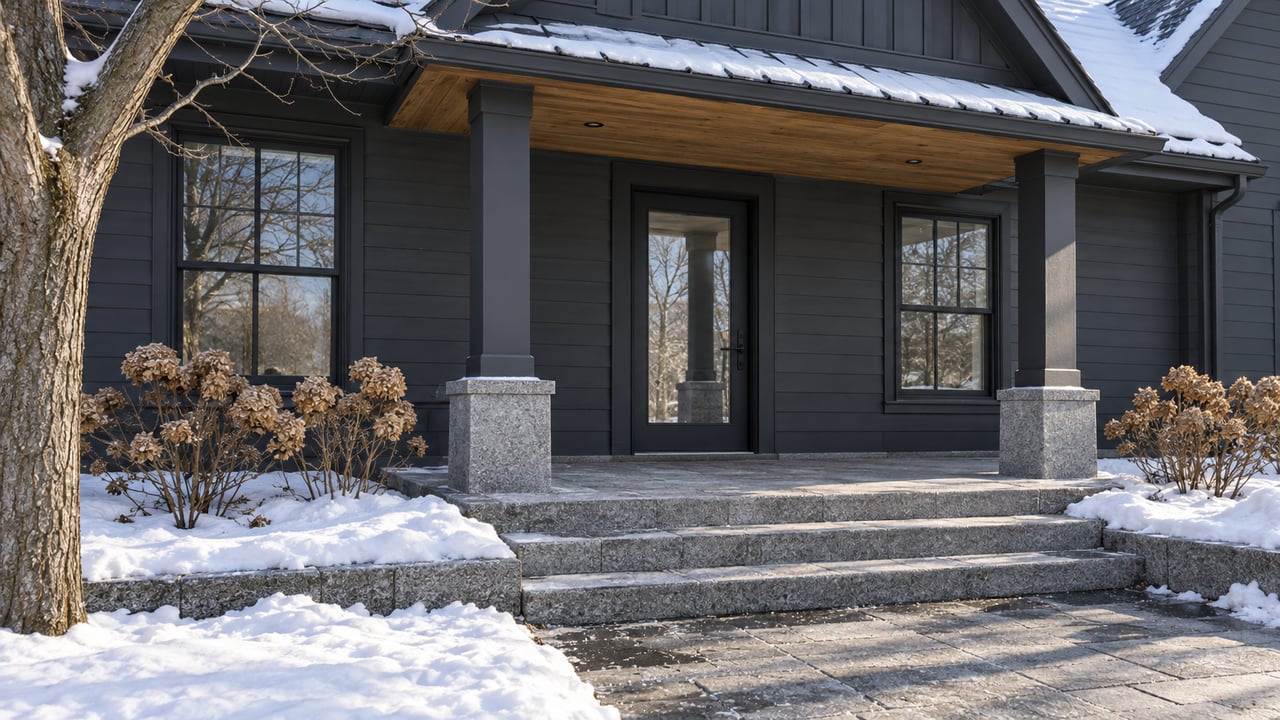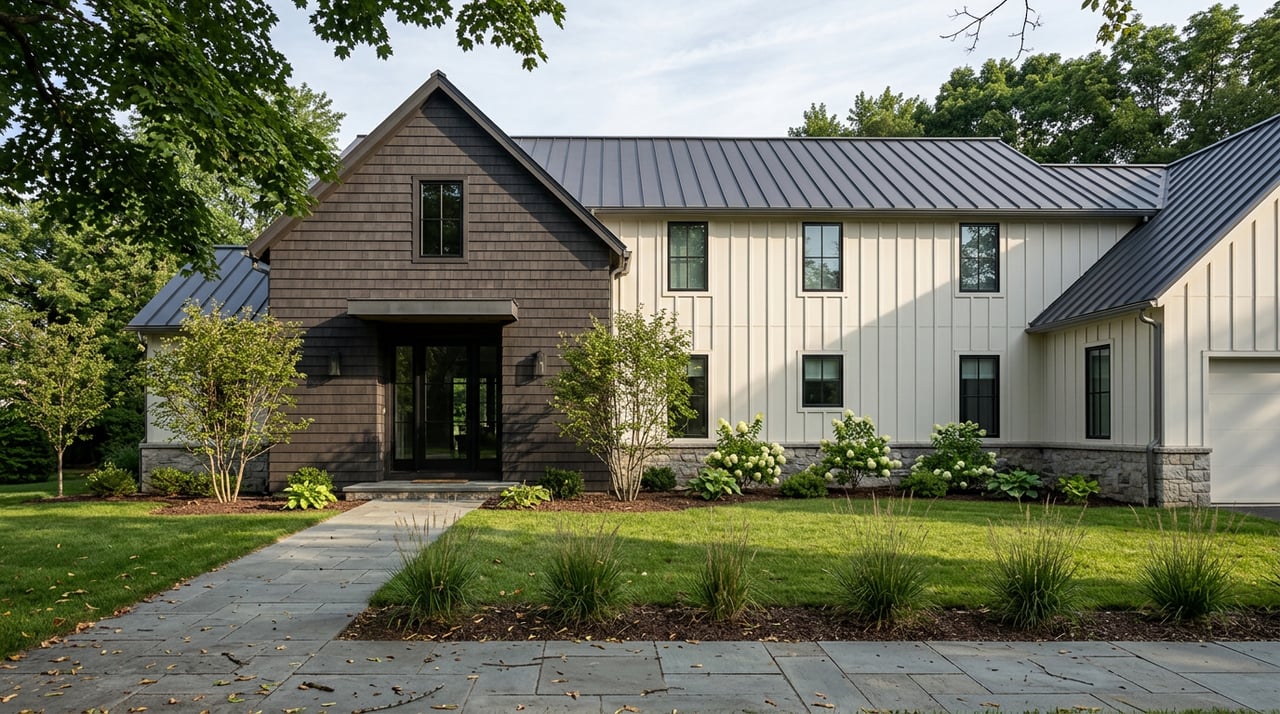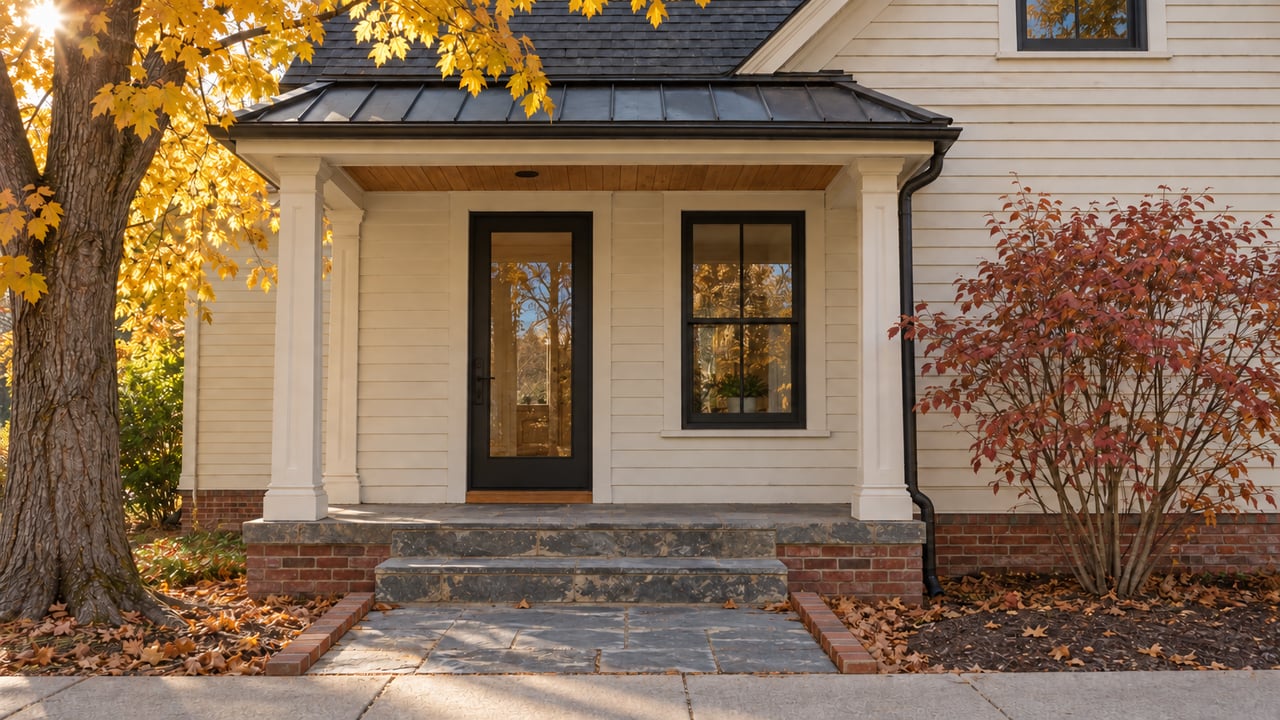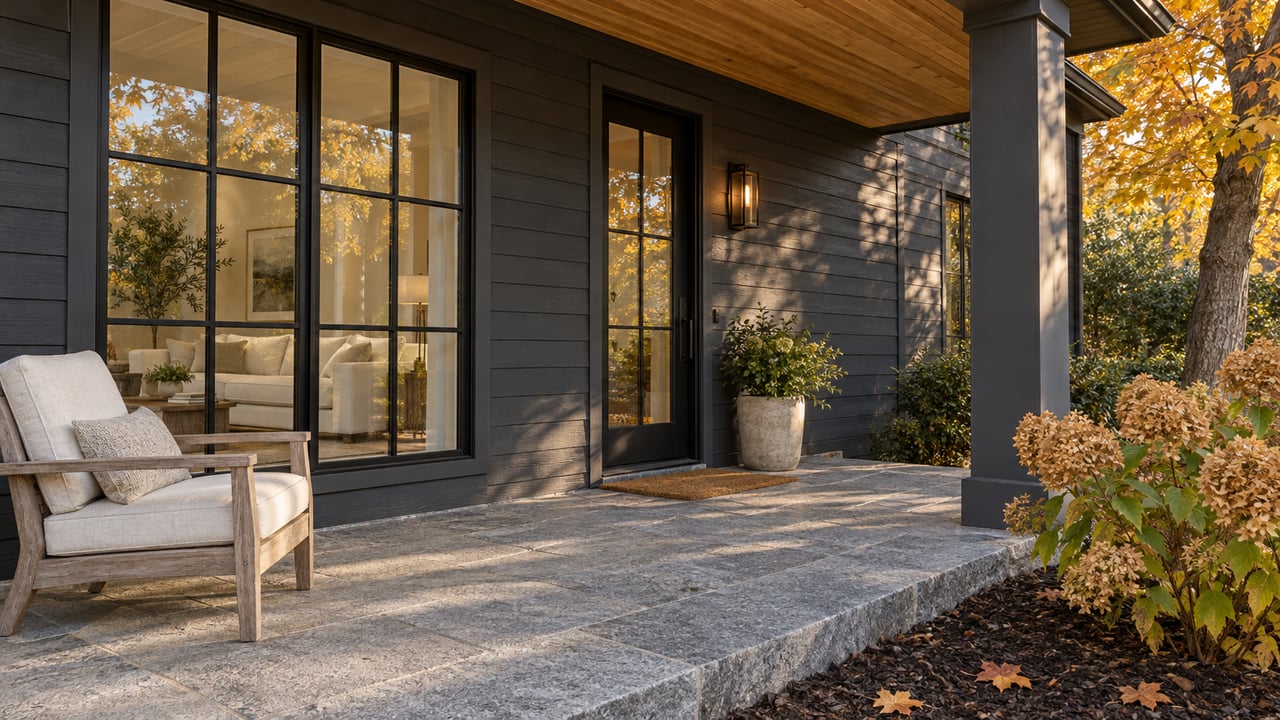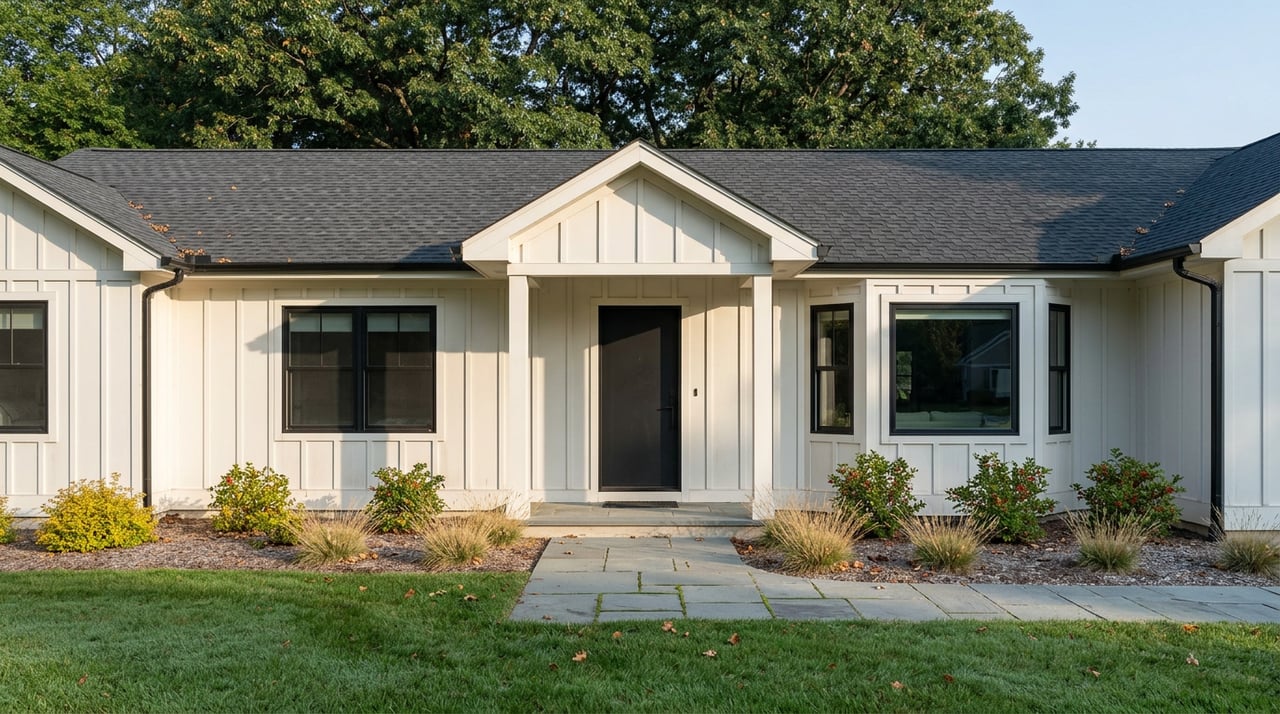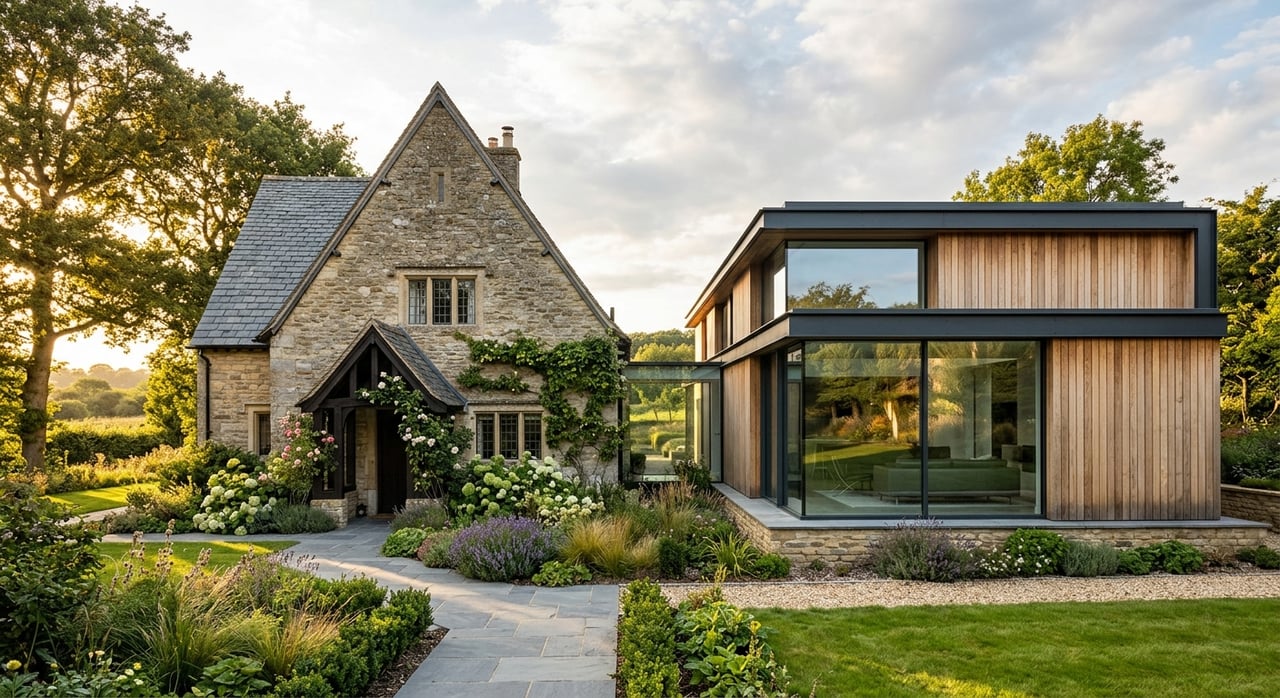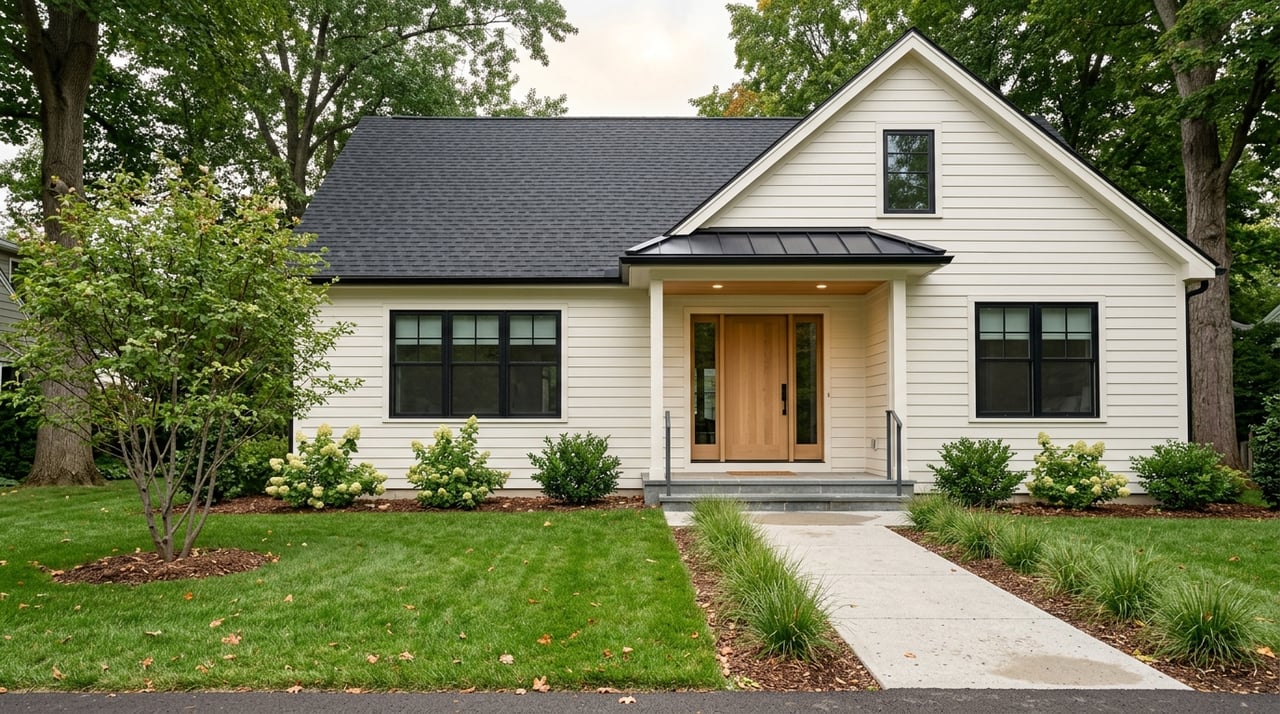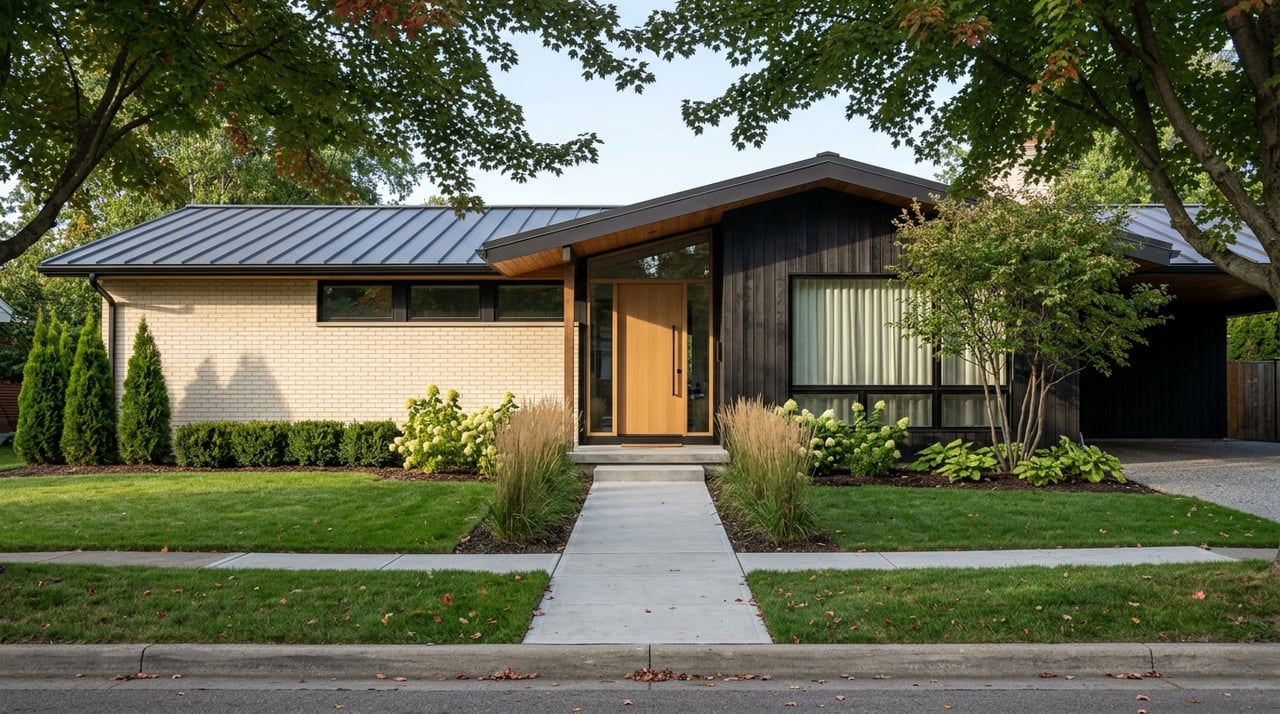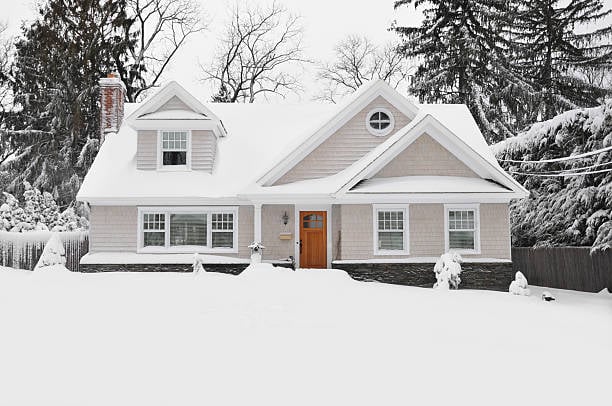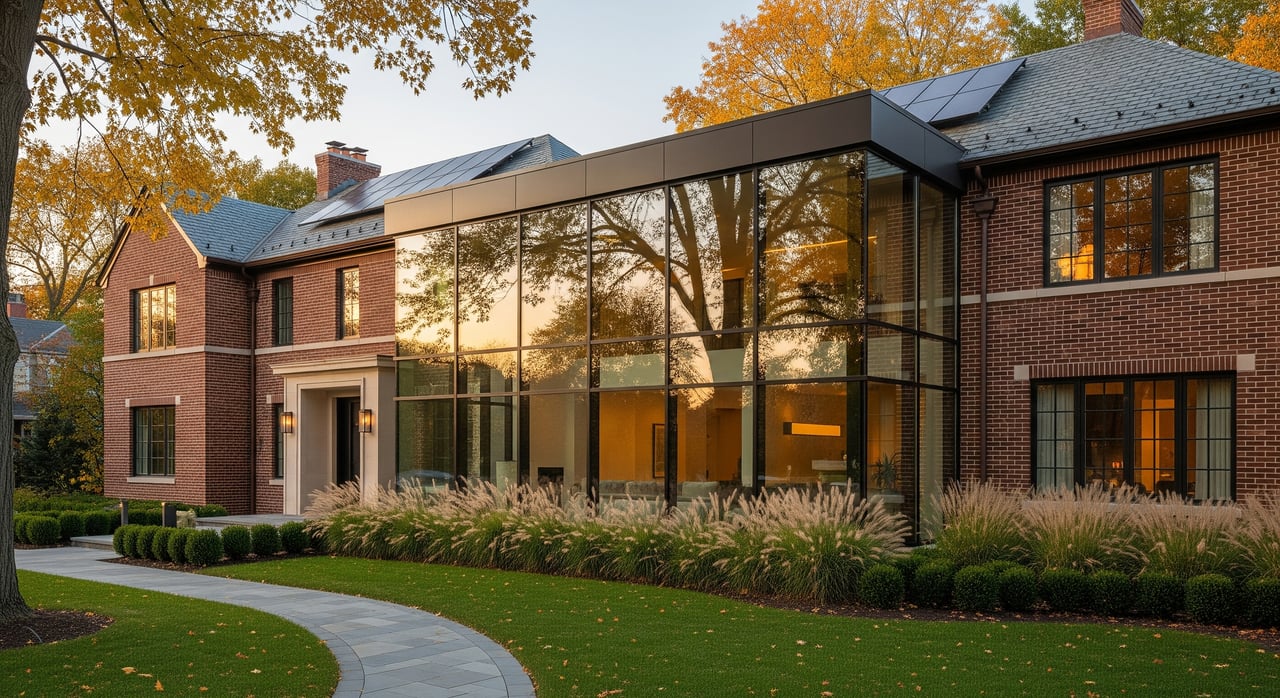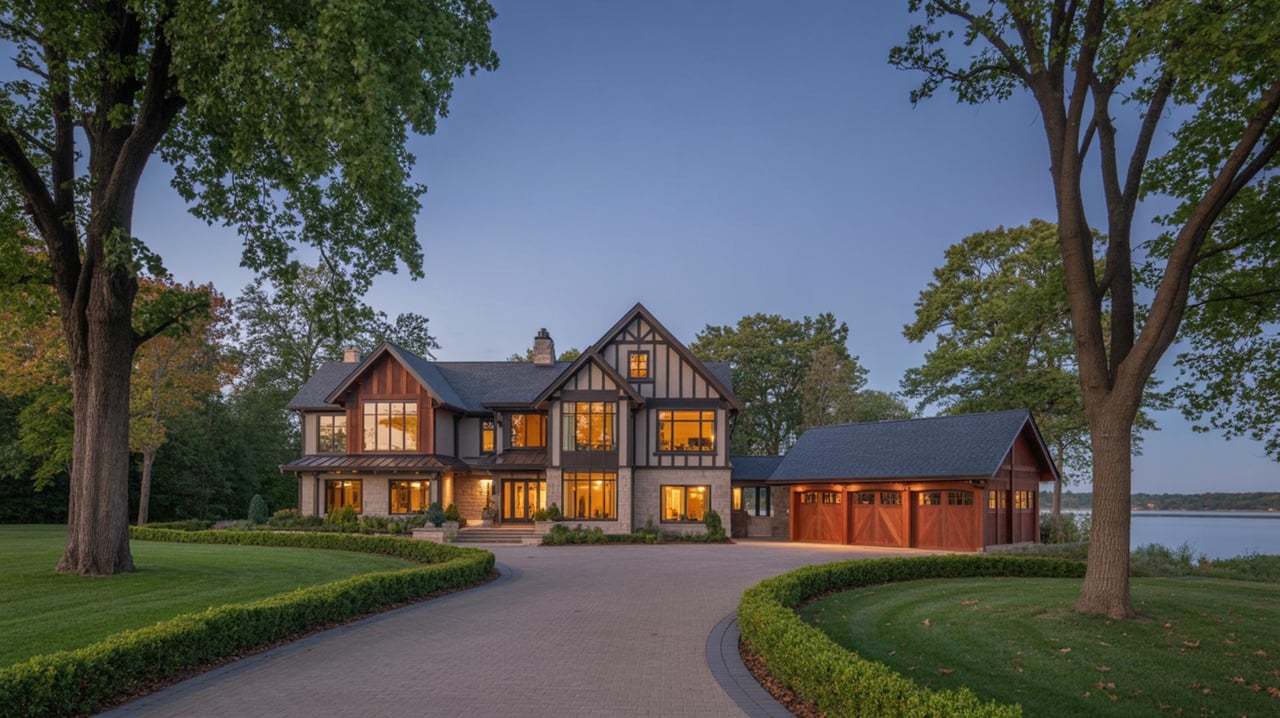
Two lots go up for sale in Edina within the same month. One sits on roughly 9,500 square feet. Both carry a 1950s rambler that any buyer intends to remove. On paper, through a portal search, they look interchangeable. They are not. According to the City of Edina, one of them can legally support a house with about 2,375 square feet of building footprint. The other, on the smaller-lot side of a single threshold in the city's coverage formula, might be limited to 30 percent of the lot, subject to a 2,250-square-foot maximum. That difference is not a rounding error. It is the gap between a house with a three-car garage and one without.
This is the part of Edina's teardown market that a listing sheet never shows. The sale price of a teardown lot in this city has never really been a function of the old house's condition or even the raw acreage. It is a function of how much new house the zoning code will let you build there, and right now that formula is in the middle of the first full rewrite it has seen since 1970.
The Formula Under the Listing Price
Edina's R-1 residential district caps impervious surface coverage, meaning driveways, patios, and the house itself, at 50 percent of the lot. Building coverage, the footprint of the structure alone, is capped separately and the cap changes based on lot size. Lots larger than 9,000 square feet are held to 25 percent building coverage. Lots smaller than 9,000 square feet are held to 30 percent or 2,250 square feet, whichever number is smaller, which in practice means the smaller lots often hit a hard ceiling well before they hit the percentage.
Setbacks add another layer. Most new construction needs to sit at least 50 feet back from the ordinary high water elevation of a lake. Four lakes get an extra buffer: Indianhead Lake, Arrowhead Lake, Mirror Lake, and Lake Cornelia all carry a 75-foot setback instead. Side yard setbacks slide on a scale for lots between 50 and 75 feet wide, which means two neighbors on the same block can face different buildable widths depending on how their individual lot happens to measure.
None of this touches the Tree Protection Ordinance, which applies to any new detached or attached accessory dwelling unit, though an ADU built entirely inside the existing structure with no exterior work generally does not trigger it.
Here is how that math plays out for a straightforward comparison:
| Lot size | Building coverage cap | Effective footprint ceiling |
|---|---|---|
| 12,000 sq ft | 25% | 3,000 sq ft |
| 9,500 sq ft | 25% | 2,375 sq ft |
| 8,800 sq ft | 30% (capped at 2,250 sq ft) | 2,250 sq ft |
| 7,200 sq ft | 30% (capped at 2,250 sq ft) | 2,160 sq ft |
A lot that is 700 square feet smaller than another can end up with the same footprint ceiling, or a smaller one, depending purely on which side of the 9,000-square-foot line it falls. That is the number a buyer needs before comparing two "similar" teardown candidates, not the acreage on the plat.
Same Code, Different Outcomes Across Neighborhoods
The formula above applies citywide, but it does not produce the same result everywhere, because Edina's teardown activity is not evenly distributed and some neighborhoods carry an extra layer of review on top of the base zoning math.
The Country Club District is the clearest example. It is one of the most consistently active rebuild markets in the city, and it is also one of the hardest to build in cleanly, because the neighborhood has preservation guidelines that get applied strictly on top of the standard zoning code. Governing magazine documented a case there in which a local builder spent five years working through the process to tear down a home whose foundation had failed, even though the replacement he eventually built was designed to look nearly identical to the original from the street. The lots are small enough that neighbors can hear each other through open windows, yet houses there still command over a million dollars, because the buyer isn't paying for square footage. They're paying for a location where teardown activity is proven and where the finished product, once approved, holds value.
Morningside runs on a different logic entirely. It is walkable and tightly built, and infill activity there tends to move faster because the lots are more uniform and the neighborhood review is lighter than in a historic district. Pamela Park has long been treated by local builders as a center of redevelopment activity, with lots spacious enough to make the 25 percent coverage tier the relevant one rather than the 2,250-square-foot cap. Indian Hills, by contrast, tends to draw buyers looking for mature tree cover and privacy, which puts the Tree Protection Ordinance squarely into the budget conversation before a shovel goes into the ground.
Parkwood Knolls, Arden Park, and Rolling Green complicate the picture further. Rolling Green in particular is a place where a well-sited existing home, with mature landscaping already established on a large lot, can sometimes hold more long-term value through a careful renovation than through a full teardown, because the estate-style lot placement is worth more intact than replaced. The same zoning code governs all of these neighborhoods. The outcomes it produces do not look the same from one to the next.
The Code Itself Is Being Rewritten
Here is the part that changes the calculation for anyone buying a teardown candidate today rather than five years ago. Edina's zoning ordinance has stood, with amendments layered on over the decades, since 1970. In 2024 the city completed a formal audit of its zoning and subdivision ordinances and found enough misalignment with its own comprehensive plan that it opened a full rewrite process, which residents and builders can follow through the city's Better Together Edina portal.
That means the coverage percentages, setback distances, and tree ordinance triggers described above are the rules as they stand today, not a fixed formula guaranteed to hold through your closing, your permit application, and your first shovel of dirt. A buyer under contract on a teardown lot right now should confirm with the city's planning division which version of the code will govern their specific permit timeline, because a rewrite of this scope can move lot coverage percentages, adjust setback requirements, or change how accessory structures get counted against the buildable envelope. For a project where the entire value proposition rests on how much house fits on the lot, that is not a detail to leave for the permit meeting.
What the City-Wide Median Doesn't Tell You
In February 2026, the median sale price for an Edina home stood at $788,000, up 25 percent from the same month a year earlier, with 32 homes sold that month and an average of 75 days on market. That single number gets treated on portals and in market recaps as a snapshot of what Edina costs. It isn't, at least not for anyone evaluating a teardown lot.
That median blends fully renovated colonials in Morningside, untouched 1950s ramblers priced for their land in Pamela Park, and new construction on freshly built lots in Indian Hills into one figure. A bare lot priced for its buildable coverage and a finished 4,000-square-foot new build sit in the same statistic even though they represent entirely different products at entirely different points in the same transaction. The median tells you what Edina sold for. It does not tell you what a specific lot will let you build, which is the number that actually determines whether a teardown candidate pencils out.
Before You Write an Offer on a Teardown Candidate
- Confirm the lot's exact square footage and check it against the 9,000-square-foot threshold, since that single number determines which coverage tier applies.
- Ask whether the property sits within 75 feet of Indianhead Lake, Arrowhead Lake, Mirror Lake, or Lake Cornelia, which carry the extended setback, rather than the standard 50-foot line that applies elsewhere.
- Check whether the neighborhood carries preservation or historic district guidelines layered on top of the base zoning code, as the Country Club District does.
- Ask your planning contact whether the city's ongoing zoning and subdivision ordinance rewrite is likely to affect your specific permit timeline before you finalize a design.
- If mature trees are part of the lot's appeal, confirm early whether the Tree Protection Ordinance will apply to your redevelopment plan and what mitigation it requires.
A Few Questions Worth Asking First
Does the zoning rewrite affect a permit I've already been issued? The rewrite process is still underway through the city's public engagement portal, and Edina has not announced that it will apply new standards retroactively to permits already issued. Anyone with a permit application still pending, however, should confirm directly with the planning division which code version will govern their approval.
Is every older home in Edina a teardown candidate? No. Whether a rebuild makes more sense than a renovation depends on the specific lot's coverage tier, its setbacks, and how much of its value is tied up in mature landscaping or an established site layout, which is exactly why Rolling Green and the Country Club District behave differently from Morningside or Pamela Park under the same citywide code.
If you are weighing a teardown lot against a renovation candidate anywhere in Edina, that comparison depends on numbers that don't show up on a listing sheet. Turnquist Spilseth Real Estate Group pairs brokerage representation with in-house design and construction literacy through Turnquist Design, so the buildable math gets checked before the offer goes in, not after. Start Your Lake Home Journey.
This article is general information, not legal, tax or financial advice. Consult a qualified professional about your situation.