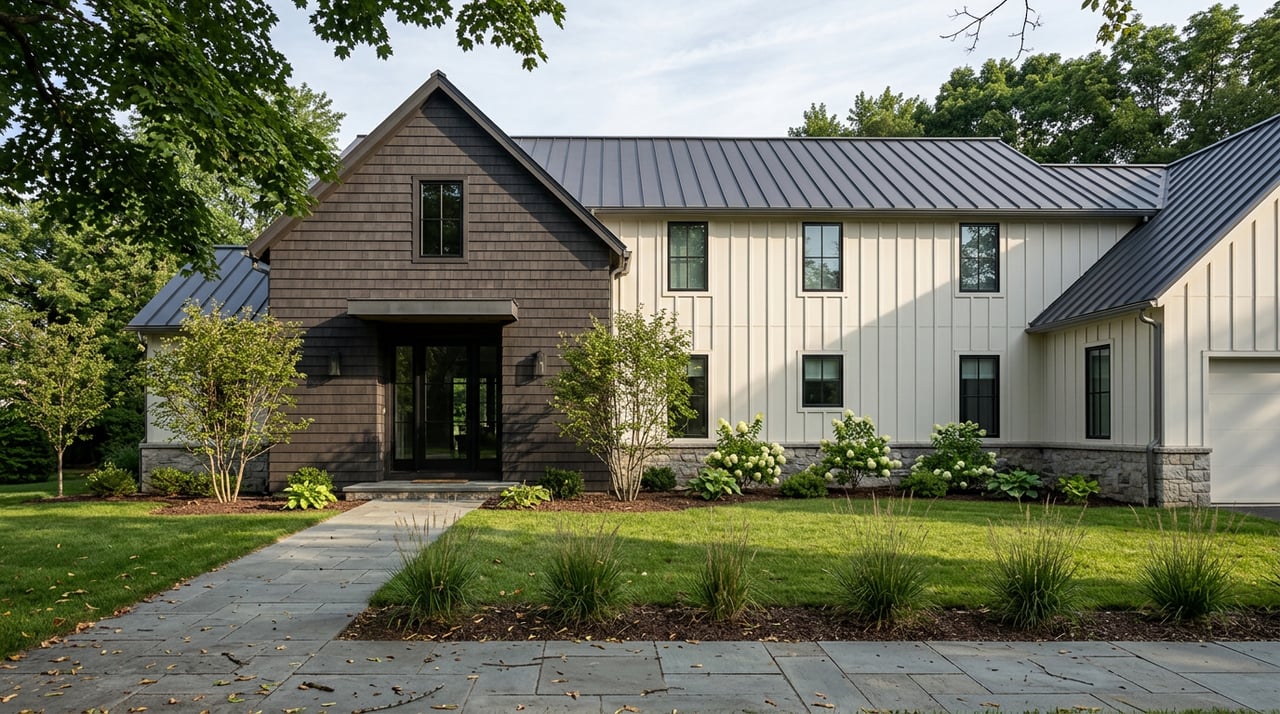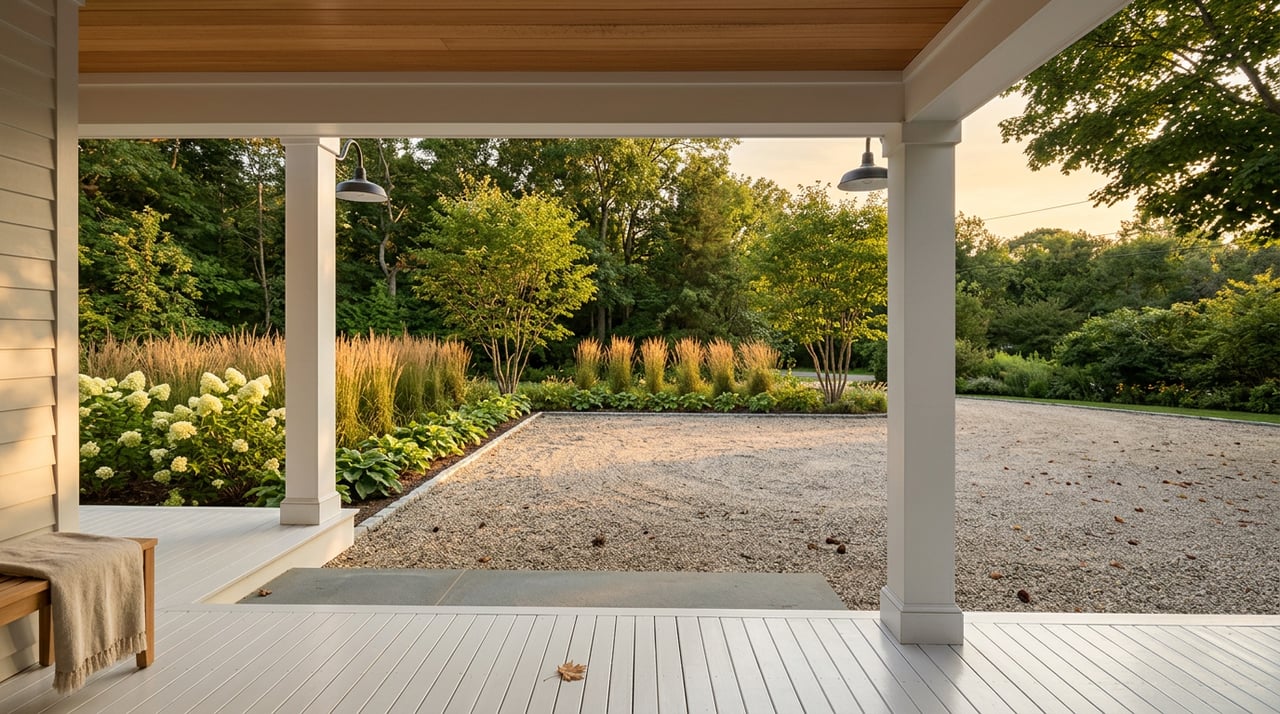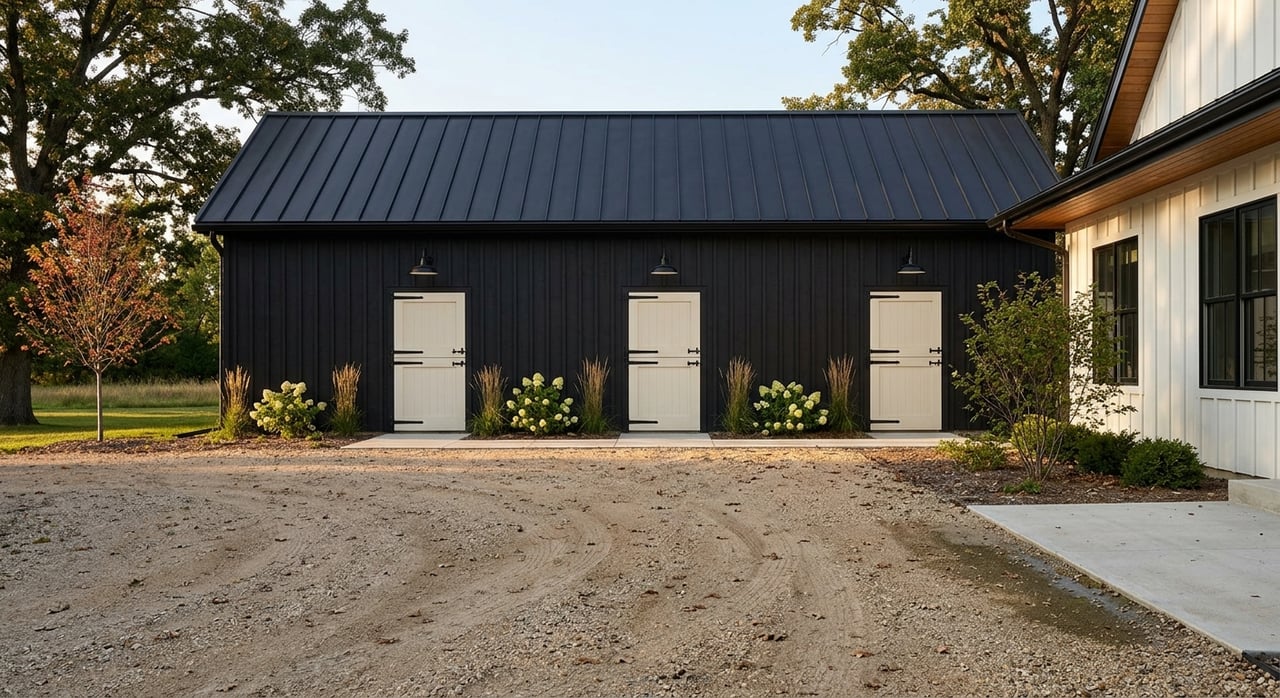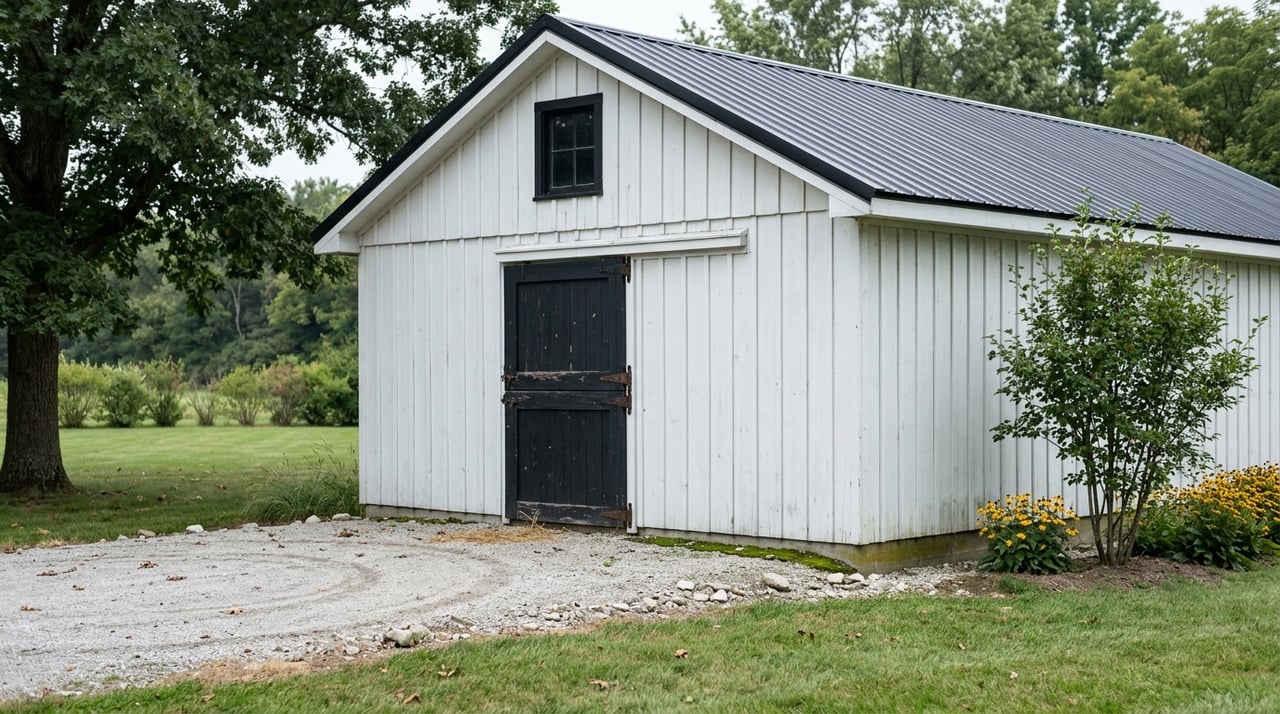
The pasture sells the property. A buyer walks a rolling ten-acre parcel west of Hamel, pictures a barn tucked against the tree line and a paddock running down to the pond, and writes an offer on the strength of the acreage line in the listing. It is not until the due diligence period, often during a call to Medina's planning department to ask about barn placement, that the real constraint shows up. It has nothing to do with how many acres are on the plat. It has to do with how big the barn is, how many horses it holds, and how far it sits from the property line.
Medina's own zoning code settles this, and it settles it in a way that surprises most buyers who assume more land automatically means more room for horses.
The Question Buyers Ask Backward
Most buyers shopping acreage in Medina ask some version of "how many acres do I need for two horses." It is the wrong question, because the city's code does not set an acreage minimum for casual horse-keeping. What it sets is a size-and-count trigger tied to setback distance. A horse structure under 1,000 square feet that houses two or fewer horses faces a lighter standard than anything larger. Cross either threshold, either by adding a third horse or building a barn bigger than that footprint, and the property falls under the same rule that governs Medina's Agricultural Preservation district: no animal structure within 150 feet of any lot line.
That means a modest run-in shed for two horses can sit closer to a neighbor's fence line on three acres, while a neighbor with twenty acres who wants a proper four-stall barn has to clear the same 150-foot buffer that applies in the city's most restrictive farmland zone. The acreage total on the listing sheet tells you almost nothing about which situation you are walking into.
Three Zoning Districts, Three Different Ceilings
Medina layers three residential and agricultural zoning categories over its horse-country parcels, and each one treats barns differently.
| Zoning District | What It's Built For | Where It Gets Strict |
|---|---|---|
| Rural Residential (RR) | Standard large-lot homes with room for personal horse-keeping | Setback lightens for small structures housing two or fewer horses, tightens to 150 feet beyond that |
| Rural Residential-2 (RR-2) | Same base standard as RR, but the district exists specifically to allow commercial riding stables | Commercial stables require conditional approval and an animal density calculation |
| Agricultural Preservation (AG) | Working farmland and large-acreage estates | Every animal structure, regardless of size, needs the full 150-foot setback from any lot line |
A parcel's zoning designation, not its acreage, decides which column applies. Two properties with identical lot sizes can face entirely different rules depending on which district the county assigned them.
The 150-Foot Line Nobody Budgets For
The setback number matters more on paper than most buyers realize, and it matters even more once you put it on a survey. A 150-foot buffer from every property line eats into buildable area fastest on long, narrow parcels, the kind that read as spacious on a listing photo but leave a surprisingly thin usable strip once you subtract the required distance from both side lines and the rear line. A square ten-acre lot absorbs that setback comfortably. A ten-acre lot shaped like a bowling lane might not have anywhere left to put a barn that satisfies the rule and still sits a reasonable walk from the house.
A barn sited to satisfy a 150-foot setback on paper can still land in the worst possible spot on the ground, blocking the sightline or the driveway approach a buyer paid a premium for in the first place.
This is where lot geometry, not lot size, becomes the thing worth asking about before an offer goes in.
When Two Horses Becomes a Business
Medina's code draws a clear line between someone keeping horses for personal use and someone running a stable as an enterprise. The RR-2 district exists to permit commercial riding operations, but only through a conditional use process built around Animal Unit Density Standards, a calculation the city ties to University of Minnesota Extension guidance on stocking rates and manure management. The stated purpose is protecting groundwater and soil from the erosion and runoff that come with overgrazing, and it applies once a property crosses from casual, personal horse-keeping into boarding, lessons, or any higher-density commercial use.
A buyer who plans to keep a couple of horses for the family is unlikely to trigger this process. A buyer who wants to board horses for neighbors or run lessons out of the same barn is looking at a public review, not a building permit.
Before Writing an Offer on a Medina "Equestrian" Listing
Confirm these before the inspection period closes, not after:
- The parcel's recorded zoning district, whether RR, RR-2, or AG, since each carries a different setback standard
- The square footage and horse capacity of any existing barn or run-in shed, measured against the 1,000-square-foot, two-horse threshold
- The actual measured setback distance from any planned or existing structure to each property line, not just the total acreage
- Whether boarding, lessons, or training activity is part of the plan, since that shifts the property into RR-2's conditional-use territory
- Well and septic capacity, since a barn with a wash stall draws water the way an added bathroom would
Listings across Medina routinely market ten-acre and larger parcels as equestrian retreats or hobby farm opportunities, almost always with the same footnote: rural residential zoning, well and septic required. That footnote is doing more work than it looks like it's doing.
Where Design Meets the Barn
This is the part of the transaction where construction literacy earns its keep. Reading the zoning code is one skill. Reading how a compliant barn actually sits relative to the house, the driveway, and the neighbor's sightline is another, and it is the difference between a barn that satisfies the ordinance and a barn that also protects resale value. At Turnquist Spilseth Real Estate Group, that overlap between design sense and construction fluency, backed by Turnquist Design, is exactly the lens we bring to acreage and new-construction clients across Medina. Buyers planning a build should walk the setback lines before they walk the pasture.
A Few Questions Worth Asking First
Does keeping two horses in Medina always require a permit? Not necessarily. Personal horse-keeping within the small-structure threshold generally proceeds without the conditional use review that commercial stables face. Confirm current requirements directly with Medina's planning department, since code details can shift and this is not a substitute for that conversation.
Does the animal density calculation apply to a single family with a couple of horses? The standard is built around stocking rates and manure management for higher-density and commercial operations, not a single paddock behind a house. Again, verify specifics with the city before assuming either way.
Acreage still matters in Medina. It just is not the number that decides whether a property functions as advertised. If you are comparing horse-country listings and want someone who reads both the ordinance and the site plan before you write an offer, Turnquist Spilseth Real Estate Group is ready to start your lake home journey, wherever that journey happens to include a barn.