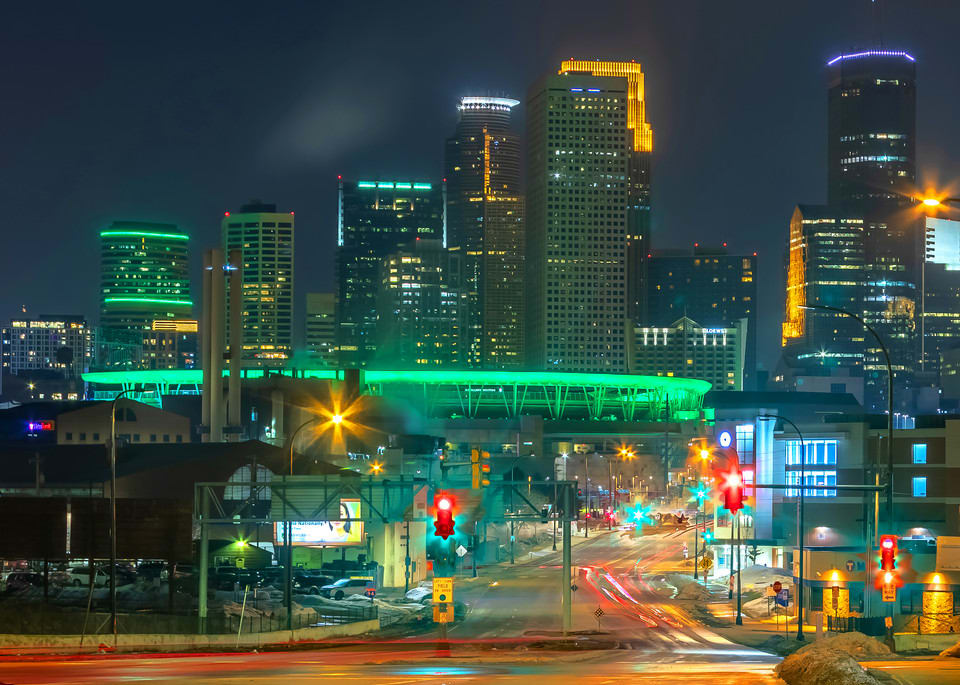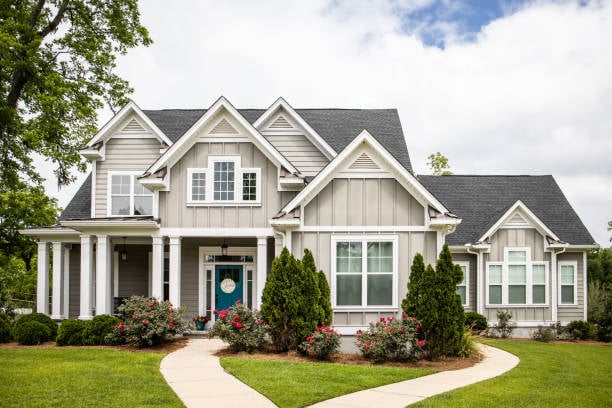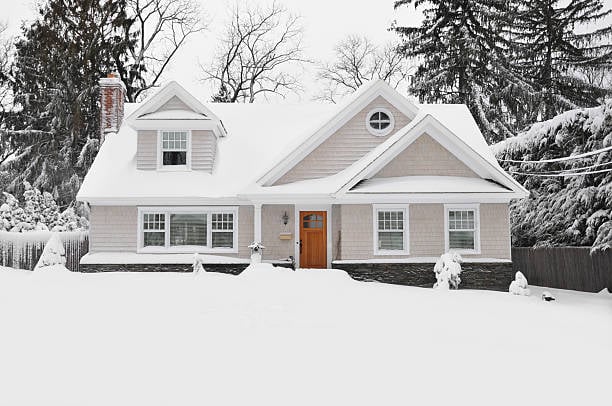
A home in Wayzata sold for less last year, on average, than the year before. At the same time, the price per square foot rose by more than fifty percent. Both numbers came from the same data set, covering the same city, in roughly the same window. Neither one is wrong. Both are true, and together they say almost nothing useful about what's actually happening to home values in Wayzata right now.
That contradiction is not a fluke of bad reporting. It is what happens when a market this small gets measured with tools built for markets ten times its size.
Three Sources, Three Different Pictures
Pull up three different market snapshots for Wayzata and you'll get three different stories. One tracks estimated home values across the entire city and shows an average value up 5.5 percent year over year as of late July 2026. Another tracks asking prices on active listings and shows the median price per square foot down 2 percent from a year earlier, also as of July 2026. A third, tracking closed sales, showed a single recent month where the median sale price dropped 2.6 percent year over year while price per square foot in that same month jumped 53 percent.
None of these are measuring the same thing. One is an estimated valuation model. One is a snapshot of what sellers are asking. One is what buyers actually paid, in a specific stretch of weeks, for whatever happened to close. In a large suburb with hundreds of monthly transactions, these three lenses tend to converge over time. In Wayzata, where the winter month behind that 53 percent swing produced exactly six closed sales, they don't have to agree, because there simply isn't enough transaction volume to smooth out the noise.
Why Six Sales Can Move a Statistic More Than Sixty
Here is the mechanism worth understanding before you compare any two Wayzata listings against a citywide average.
When sixty homes close in a month, one unusual sale, a distressed estate, a rushed relocation, a trophy lakefront closing at a record number, gets absorbed into the average. It moves the needle a little. When six homes close in a month, that same unusual sale doesn't get absorbed. It becomes a meaningful share of the entire data set. A single large lakefront property on an acre-plus lot, where most of the value sits in land rather than square footage, will drag price per square foot down even as the sale price stays enormous. A single compact luxury condo closing at a premium price will do the opposite, pushing price per square foot up while barely denting the total dollar volume.
Wayzata's monthly sales counts run in the single digits to low double digits most months. That means the city's headline statistics are, most of the time, closer to a snapshot of whichever few properties happened to close than a real read on where values are trending. This isn't a flaw unique to one data provider. It's a structural feature of a market this size, and it is exactly why a buyer comparing "the Wayzata median" against a specific listing is comparing against a number that may not represent anything durable.
The Downtown Pipeline That's About to Make This Louder, Not Quieter
If thin sales volume already scrambles the citywide average, the next few years are going to scramble it further, because downtown Wayzata is in the middle of adding a wave of new condominium supply unlike anything the market has absorbed recently.
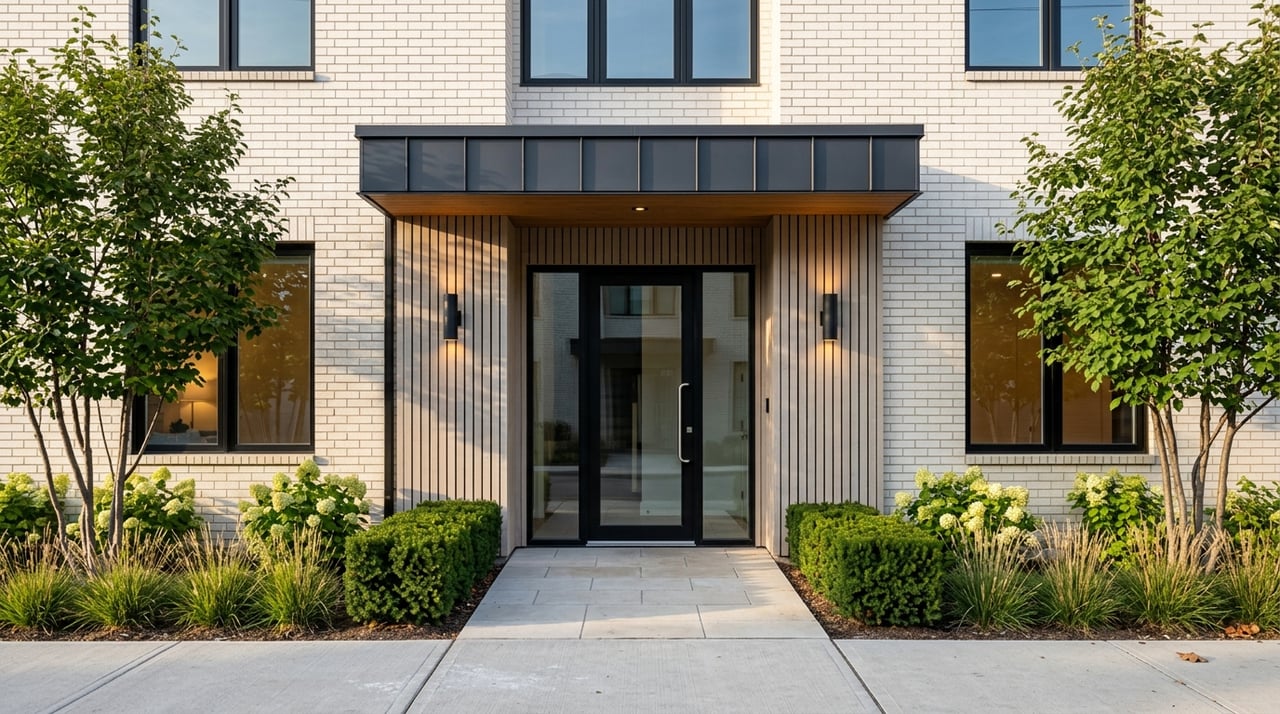
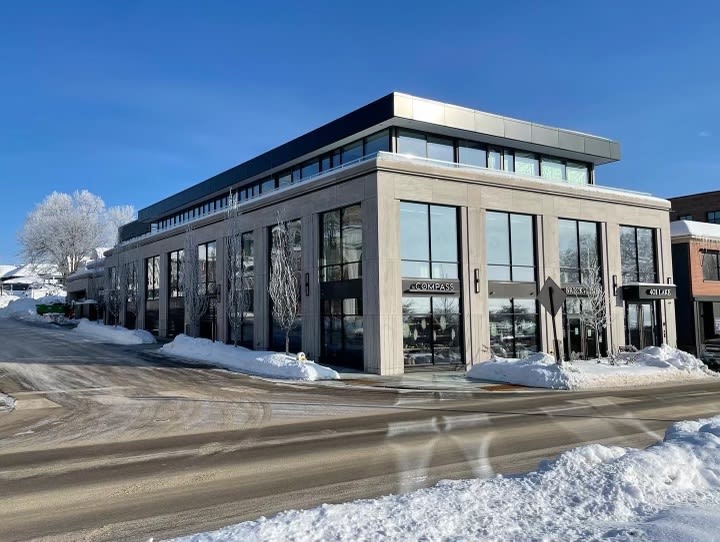
Westway Condominiums, planned for 201 Lake Street East on the site of the former Coldwell Banker Burnet building, cleared its city approvals with a PUD Concept Plan, Shoreland Impact Plan and height variance, and the project's own marketing site shows presale reservations already underway for a boutique collection of 38 residential units plus commercial space. A few blocks over, developer Denali Custom Homes has applied to the City of Wayzata for demolition and building permits at 150 Broadway Ave S, known locally as The Wazi, a proposed three-story building with office space on the ground floor and condominiums above. A third site, 200 Lake St E, has been proposed with roughly 50 residential units over ground-floor commercial space.
None of these buildings have finished selling out and closing yet. That matters, because as their units do close, in a market where the entire monthly sales count sometimes lands in single digits, each new luxury condo closing will carry outsized weight on the citywide price-per-square-foot figure, the same way that single winter month's data did. A handful of Westway closings landing in the same reporting month as a couple of quiet Locust Hills sales could produce another headline-grabbing swing that has nothing to do with the broader market softening or strengthening. It will simply reflect which building happened to close units that month.
Same City, Five Different Markets
The deeper reason a single Wayzata number can't tell you much is that "Wayzata" isn't one market. It's several, sitting side by side, priced on entirely different logic.
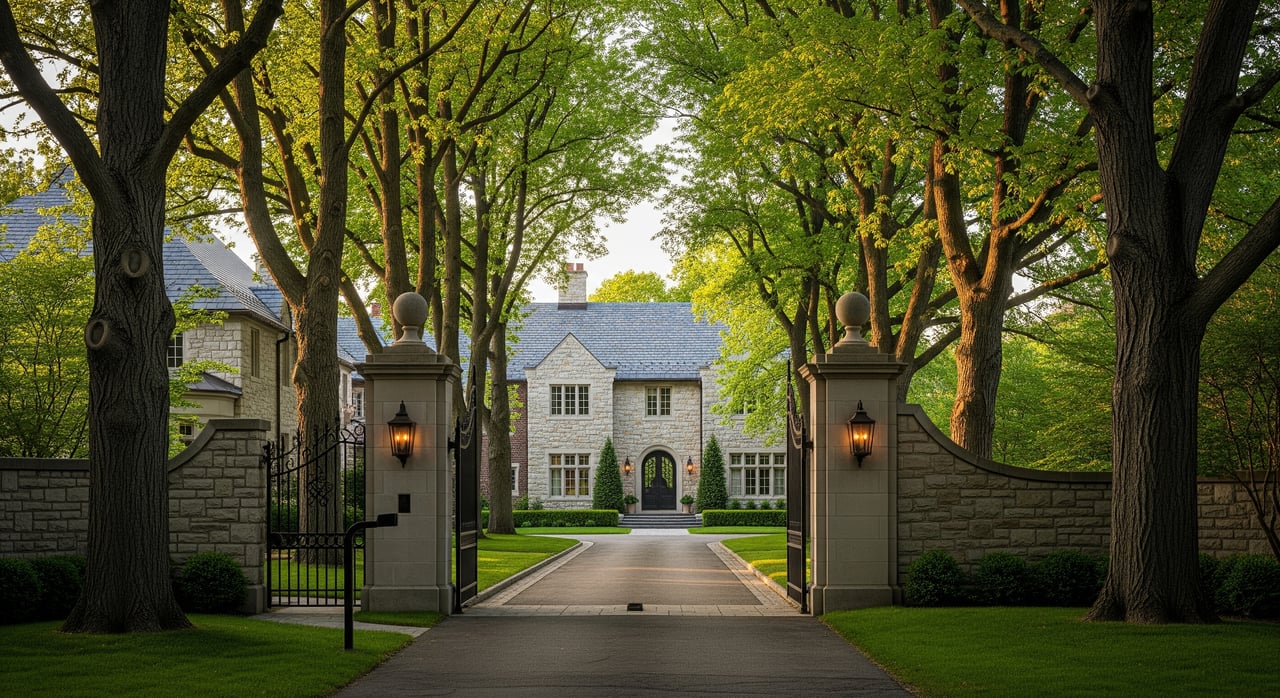
Ferndale and Holdridge, adjacent historic estate neighborhoods built on mature legacy lots from the 1920s through the 1950s, generally run from $1.5 million past $5 million, and custom new construction on Ferndale's legacy parcels frequently exceeds $4 million, priced as much for the irreplaceable lot as for the structure on it.
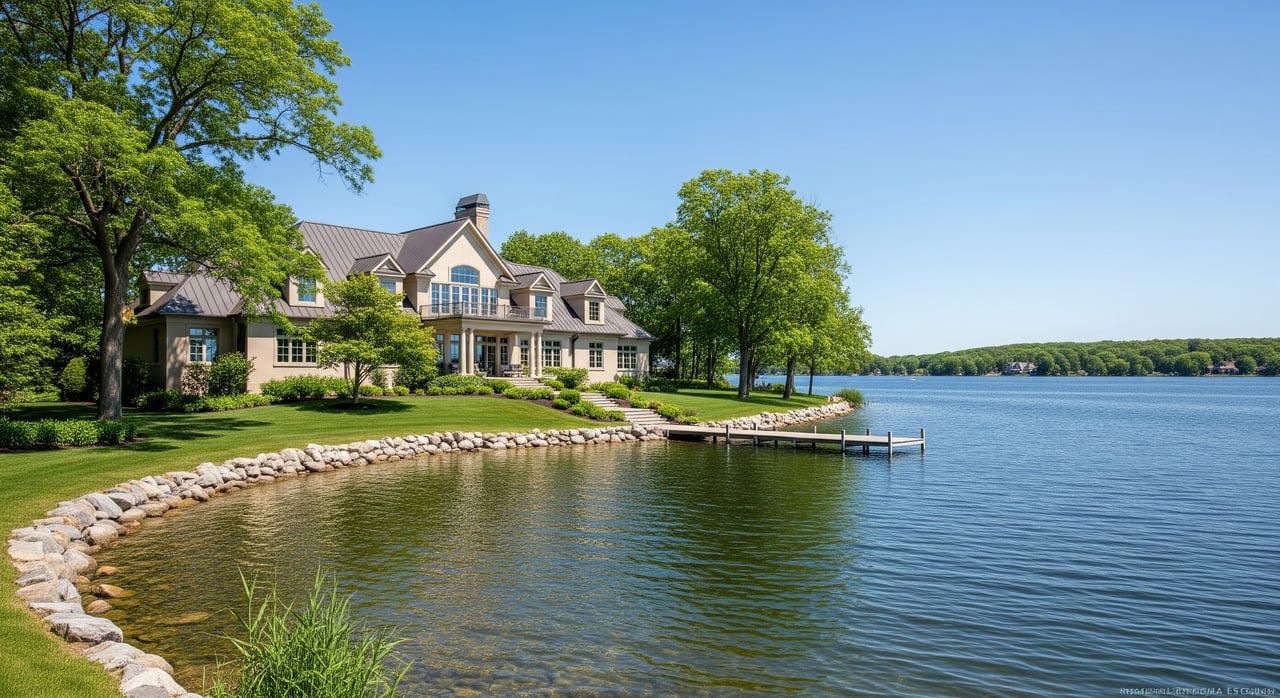
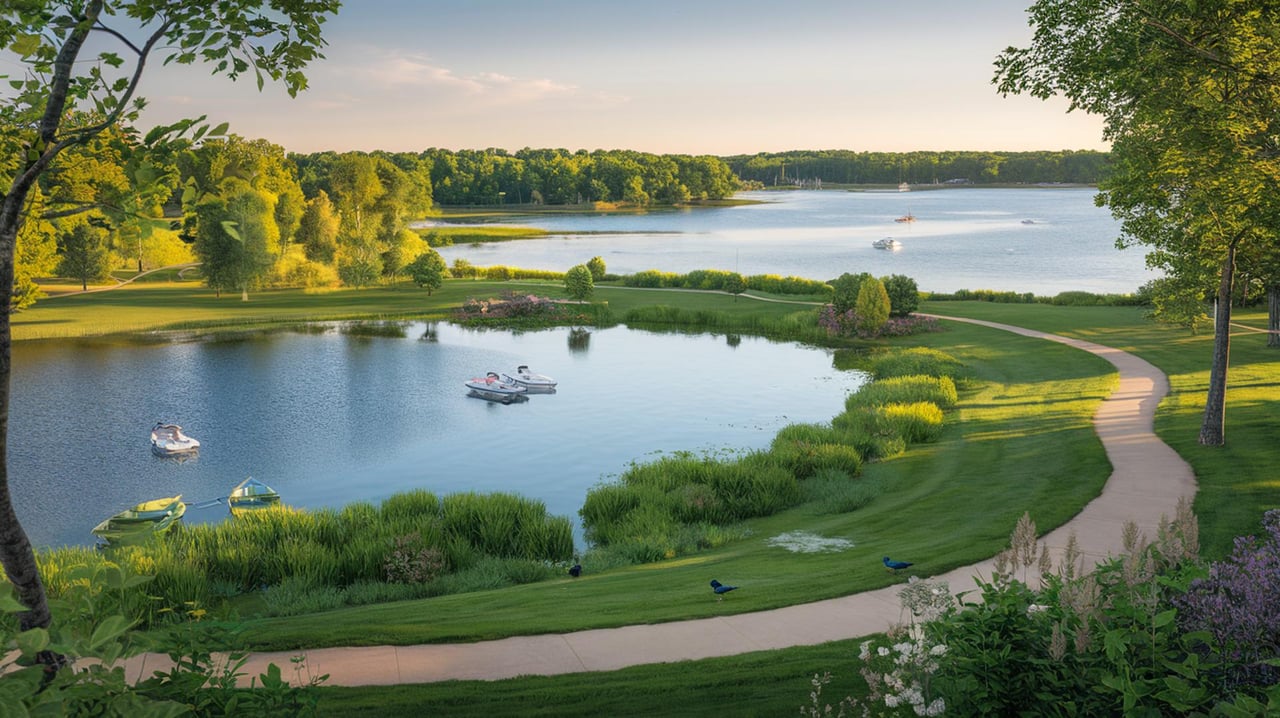
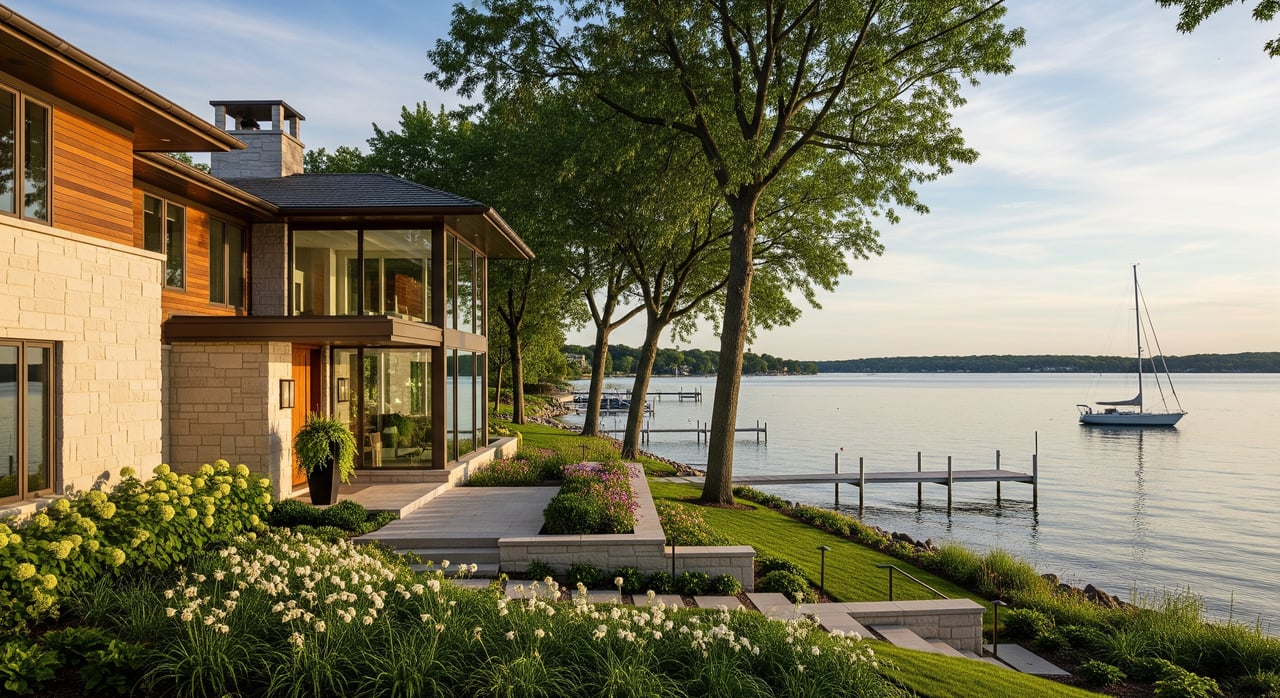
Locust Hills, a gated community built around four lagoons on Grays Bay, prices around a different set of amenities entirely: roughly two miles of maintained walking trails, a clubhouse and pool, and deeded boat slips that come with every home. Custom builders active in the community include Charles Cudd, Streeter & Associates, and L. Cramer, and the average lot runs about a quarter acre, meaning the value proposition here has never been about land size. It's about the amenity package and the builder roster.
Wayzata Highlands sits closer to downtown and mixes mid-century originals with elegant rebuilds, trading on walkability more than lot size. Gleason Lake, often described locally as an entry point into Wayzata access at a gentler price, still holds pockets of homes near $600,000 alongside newer construction pushing past $2 million. North of Highway 55, newer subdivisions running toward Maple Grove offer larger lots and larger homes in the $700,000 to $2.5 million range, a segment that looks nothing like downtown's condo corridor or Locust Hills' amenity-driven pricing.
| Submarket | What drives the price | Approximate range |
|---|---|---|
| Ferndale / Holdridge | Legacy lot size, history | $1.5M to $5M+ |
| Locust Hills | Amenities, builder, boat slip | Custom builds, premium pricing |
| Downtown condo corridor | Walkability, new construction premium | Median list around $1.8M |
| Gleason Lake | Access at a gentler entry point | Roughly $600K to $2M+ |
| North of Hwy 55 | Lot size, newer construction | $700K to $2.5M |
Average these five markets into one citywide figure and you get a number that describes none of them accurately. It's not that the citywide statistic is calculated wrong. It's that it was never designed to answer the question a buyer actually has, which is what a specific type of home in a specific pocket of Wayzata is likely to cost.
What This Means When You're Comparing Two Listings
The practical takeaway is simple even though the mechanism behind it isn't. When you're sizing up a listing against "the market," ask which market you're actually being compared to.
A Locust Hills listing should be measured against other Locust Hills sales, where deeded boat slips and clubhouse access are baked into the number, not against a downtown condo where the premium sits in walkability and finish level. A Ferndale teardown lot should be priced against its buildable rights and legacy position, not against its existing square footage, since the value in a teardown situation was never really in the structure. And any listing you're comparing against a citywide price-per-square-foot figure deserves a second look at how many sales that figure was built from, because a number built from six transactions in a month tells you about six transactions, not about the market.
This is the same discipline our team applies at Turnquist Design when we're advising on a renovation-to-sale project or a spec build. The comparable that matters is the one that shares your lot type, your amenity package, and your buyer pool, not the one that shares your zip code.
A Few Questions Worth Asking First
Does a falling median price mean Wayzata is currently a buyer's market? Not necessarily. A citywide median built on a handful of monthly sales can drop simply because a large, high-value estate happened to close alongside several smaller homes. It's a description of that month's closings, not a verdict on where values are headed.
Should price per square foot be the deciding factor between a downtown condo and a lakefront estate? No. A condo's price per square foot reflects finish level and walkability. An estate's price per square foot is often diluted by acreage, where the land itself, not the structure, carries most of the value. Comparing the two figures directly compares apples to lot lines.
When will the new downtown condo buildings start affecting the data in a visible way? Westway and The Wazi are both moving through the stages that precede closings, presales and permitting rather than completed sales. As units in these buildings begin to close, expect the kind of month-to-month swings in citywide price per square foot described above to become more frequent, not less, simply because each closing will represent a larger share of a still-thin monthly total.
If you're comparing listings across Wayzata's submarkets and want a read that accounts for which comparables actually apply to your search, reach out to Turnquist Spilseth Real Estate Group. We spend our days inside these numbers, building by building, and can tell you what the comparables in your specific pocket of Wayzata are actually saying.