It started with dogwoods that didn't make it. In the summer of 2025, a group of Wayzata residents went to the mayor and asked for better plantings along Lake Street, "including but not limited to, replacing the failed dogwoods," as the city's staff report puts it. They didn't stop at asking. They paid for their own study, and then committed to raising $205,000 toward replacing the plantings.
That is why the beds between Barry Avenue and Superior Avenue are torn open this month. All 47 of them are getting a full redesign that covers plants, soil, irrigation and some hardscape. The design has a clear goal. The old beds took a lot of tending and still lost plants. The new ones are meant to fill in, cover their own soil and need less work. Residents are paying close to half the bill to get there.
From a Complaint to a Council Plan
The residents hired the design firm Damon Farber to review how the existing Lake Street plantings were doing. Its findings went to the City Council at a January 20 workshop. Council then told staff to work with the residents and their consultant on a design for maintenance, plant performance and appearance along Panoway. The designer on the project is Colleen Lockovitch.
At its May 5, 2026 workshop, Council backed the plan and asked for construction drawings with bid alternates. The alternates let Council build more or less depending on how much the community raised. So the size of the project was tied to the fundraising from the start. Part of the plan east of Broadway Avenue also crosses private property, and staff got the owner's permission.
The Bill, and Who Is Covering It
Staff put the total project budget at about $409,600 in its August 18, 2026 report. The funding breaks down this way:
- $205,000 from the resident group
- $50,000 from the city's 2025 unassigned fund balance
- $50,000 from the Marina Fund
- About $100,000 from the Parks Improvement Fund
On July 28, staff received three qualifying bids. Traverse des Sioux Garden Center bid $279,986 for the base section from Barry to Broadway and $41,626 for Alternate 1, which runs from Broadway to Superior. The other two qualifying base bids were $339,163 and $391,680. On August 18, Council awarded the base bid and Alternate 1 to Traverse des Sioux for $321,612 as part of its consent agenda. Staff warned that some items were bid by unit price, with quantities set in the field, so the cost could rise by up to $88,000. At an August 5 workshop, Council had already directed staff to look for savings with the contractor.
Alternate 2 didn't make the cut. It would have carried the work from Superior to Engel Street, and Traverse des Sioux bid it at $120,828. If you walk east past Superior this fall and the beds look the same, that is why.
The resident money comes through a conservancy. Council's agenda calls it the Wayzata Conservancy, but the memorandum of understanding names the legal party as The Lake Effect Conservancy. Under the MOU, the Conservancy will use "its best efforts" to collect $205,000 in donations. The agreement also states that it "does not obligate the City to construct the Project or The Conservancy to provide funds." The first payment is $76,000, which covers donations received through August 12, 2026, minus a 2% administrative fee. It is due within two weeks of signing. The rest comes after project closeout, which is planned for December 31, 2026. In other words, the fundraising was still underway when the shovels went in.
That same August 18 consent agenda also accepted a donation from the Wayzata Garden Club. That $4,300 went to the Children's Garden, not to Lake Street.
What the Money Buys
The design is about maintenance as much as looks. In the city's September 23, 2026 announcement, the design is described this way:
"Once established, this planting design will reduce the time and labor required for hands-on maintenance by being a self-sustaining low input garden. It will create a living mulch that will suppress weeds and minimize maintenance and labor."
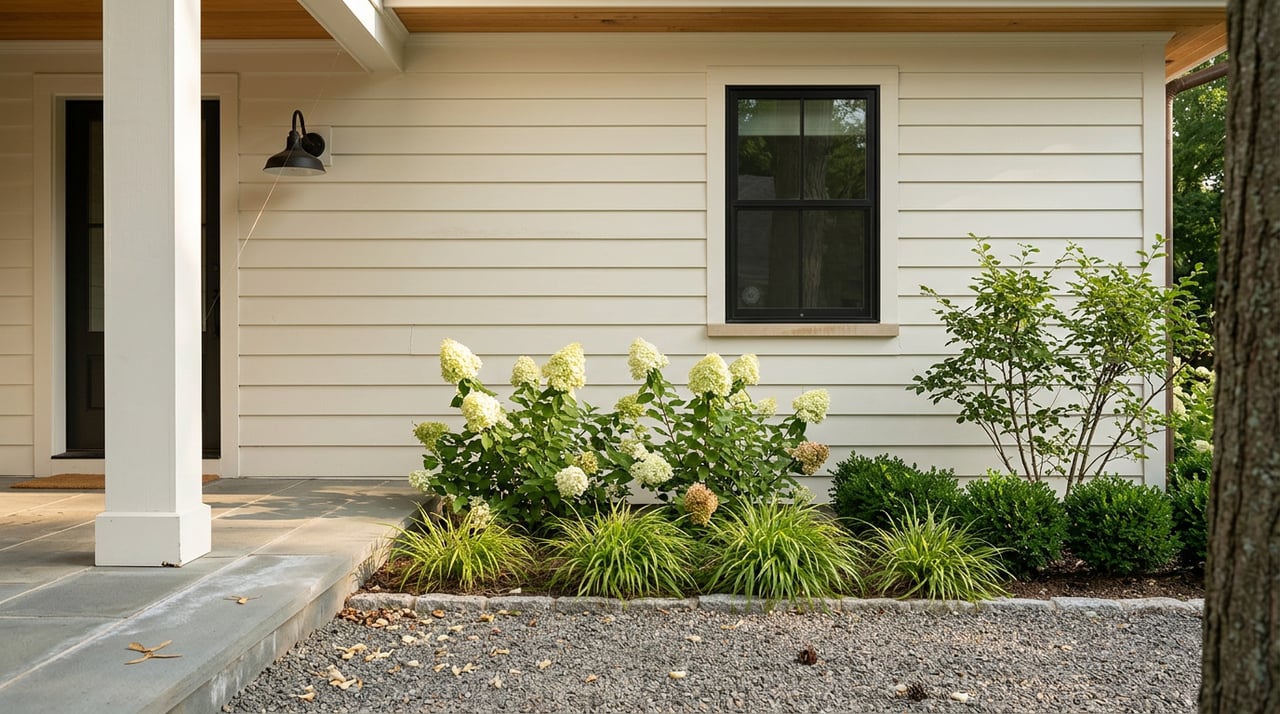
The bid documents show how that works. The contractor removes the old shrubs, mulch, weed-barrier fabric and irrigation tubing. The grasses already growing in certain beds stay, and new perennials get planted in among them. The base section alone calls for:
- 108 shrubs of one type and 50 of another
- 3,726 perennials across nine coded plant types
- 15,830 linear feet of drip tubing at 12-inch spacing
- 395 cubic yards of topsoil and soil amendment
- 96 cubic yards of 2-inch cedar mulch
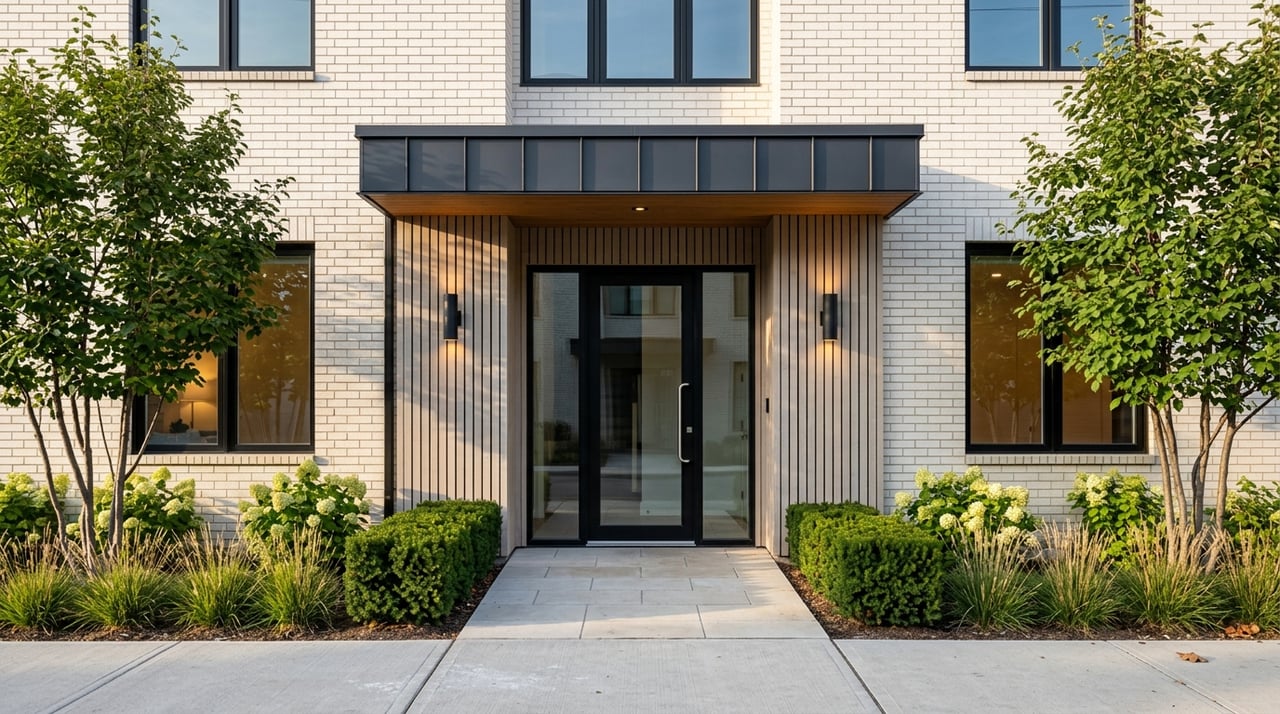
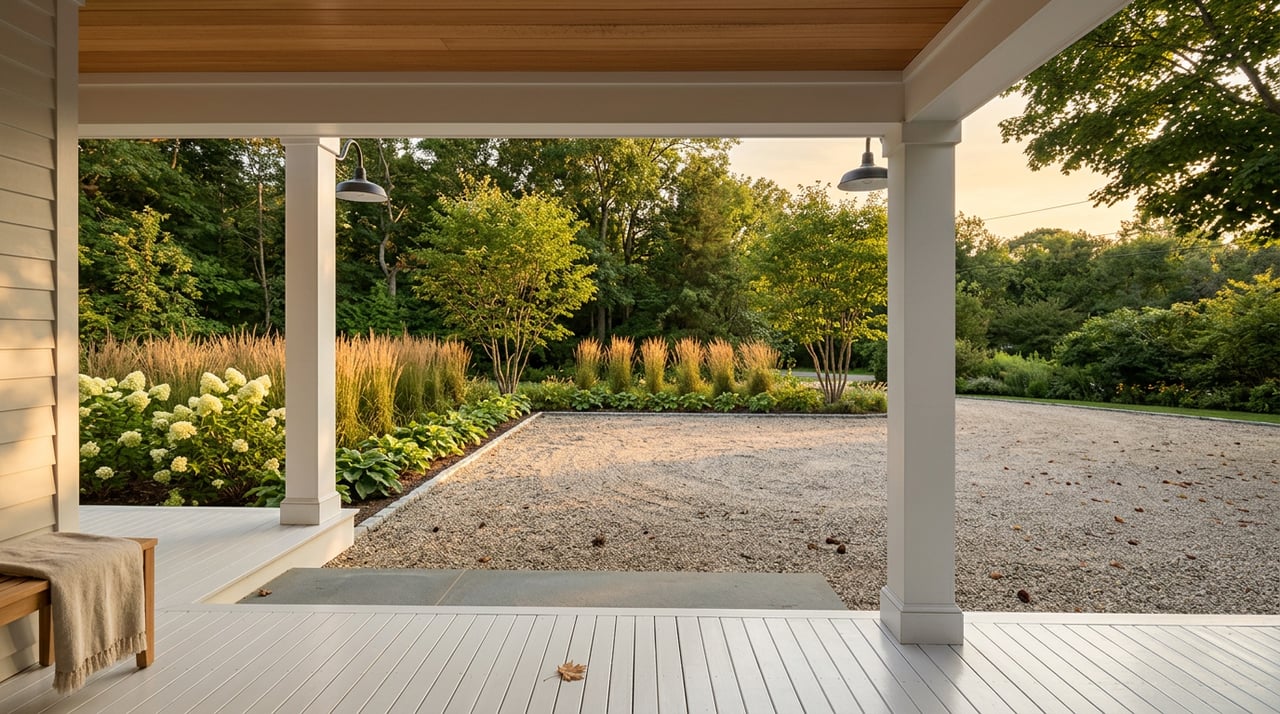
The Broadway-to-Superior section adds a tap into the existing 2-inch city irrigation main, a battery-operated controller and another 1,508 feet of drip line. The public bid schedule lists plants by type code, not by species, so the exact plant list hasn't been published. The city does say the mixed groupings are chosen to give "ongoing color, texture, movement, structure and interest throughout the seasons." It also says they can handle the harsh conditions along the sidewalk and street. Lockovitch's scope adds pollinator and habitat support.
The goal of less maintenance also shows up in a separate contract. Council hired Sustinea LLC, with Lockovitch as its contact, for $9,200 of work in 2026, and capped 2027 at $1,200. The 2026 work is $8,000 of installation oversight plus $1,200 for two maintenance training sessions. In 2027, the scope recommends five on-site training sessions at $110 an hour. Most of that money goes to teaching city crews to care for the beds, not to hiring an outside firm to keep them up.
Why the Work Ends on October 23
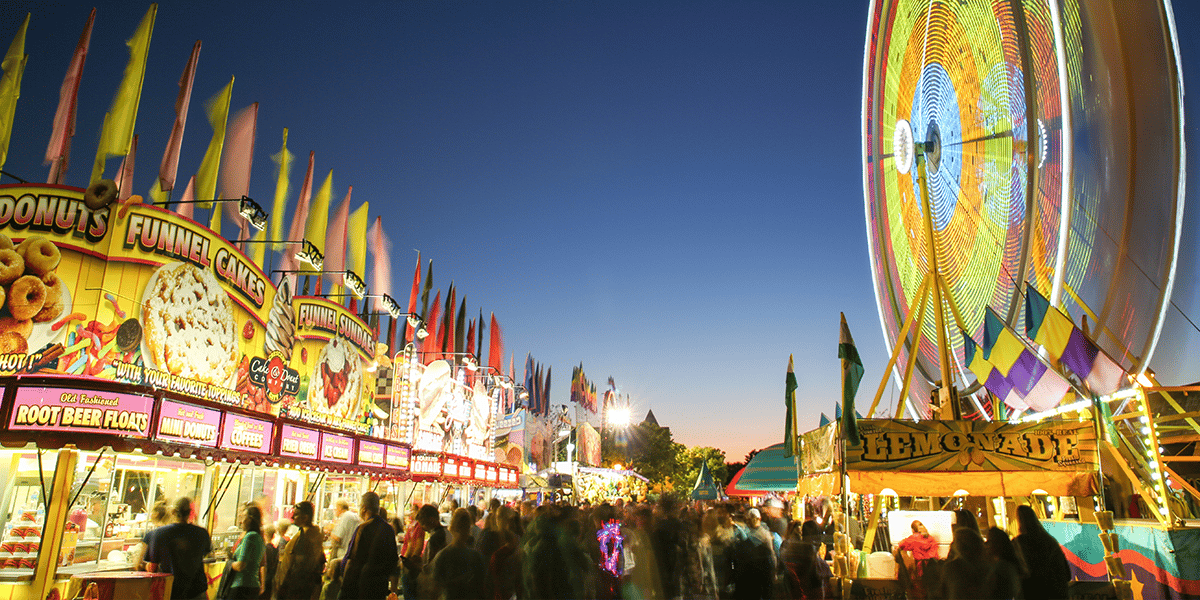
The schedule was built around the street's busiest weekend. Staff planned to start in mid-September, after James J. Hill Days. The festival ran September 11 through 13 for its 52nd year, using Lake Street, Panoway, the Great Lawn and the Depot area. The planting window that followed is short. Here is how Lockovitch's scope sets it out:
- All key players walk the site before installation, including the irrigation contractor.
- Beds are prepped and ready for planting by late September.
- All planting is finished by October 23 "to ensure best survival."
- New plants are watered until the ground freezes, by hand or watering truck if needed.
The city says most of the design will go in through October 2026, and some beds are held back for spring. The city hasn't said which beds or why. Either way, Lake Street will look unfinished going into winter. Fall-planted perennials are small and partly dormant, the held-back beds are still bare, and the plants won't knit together into the cover that keeps weeds out until they've had time to fill in. The October work is only the start of a garden that will take a few growing seasons to look the way it was designed.
The deadline also lands right before a busy downtown weekend. The day after it, the Wayzata West Metro Chamber's calendar lists the Boo Bash Dash + Boo Blast for Saturday, October 24, with a Pumpkin Derby on the Great Lawn and trick-or-treating downtown. That should be the first big crowd to walk past the finished beds. You can find the city's own project announcement on the Wayzata News Flash page. The final project cost will be known after the December 31 closeout.
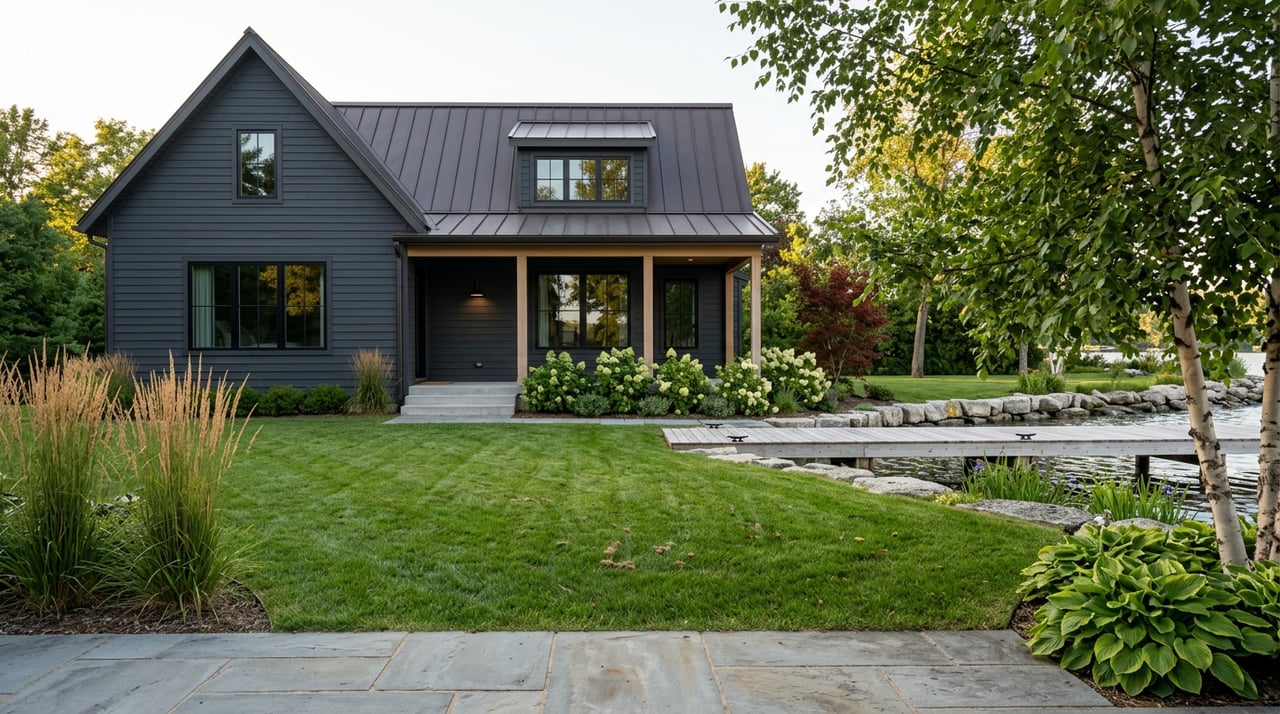
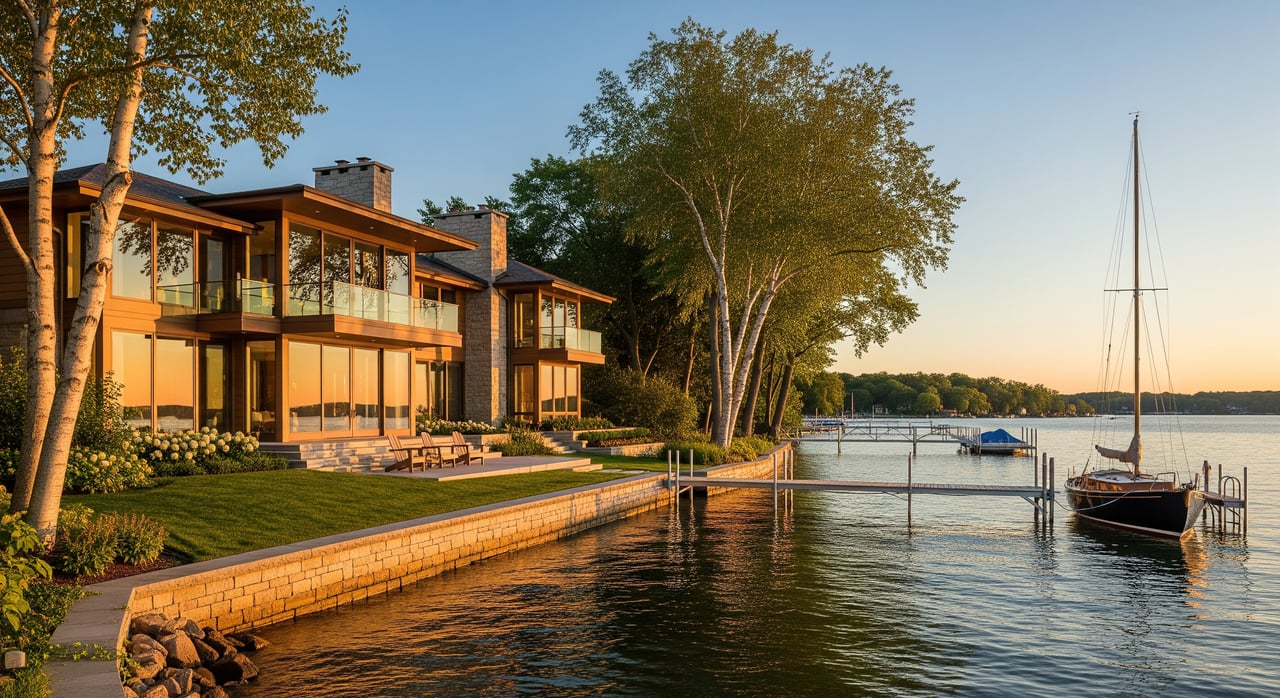
We pay attention to plantings like these because they take real thought about soil, water and how plants will fill in over several years. At Turnquist Spilseth Real Estate Group, Turnquist Design brings the same thinking to lake-home gardens and outdoor spaces. If you're planning a low-maintenance, four-season garden at your own place on the lake, we'd be glad to walk the site with you.